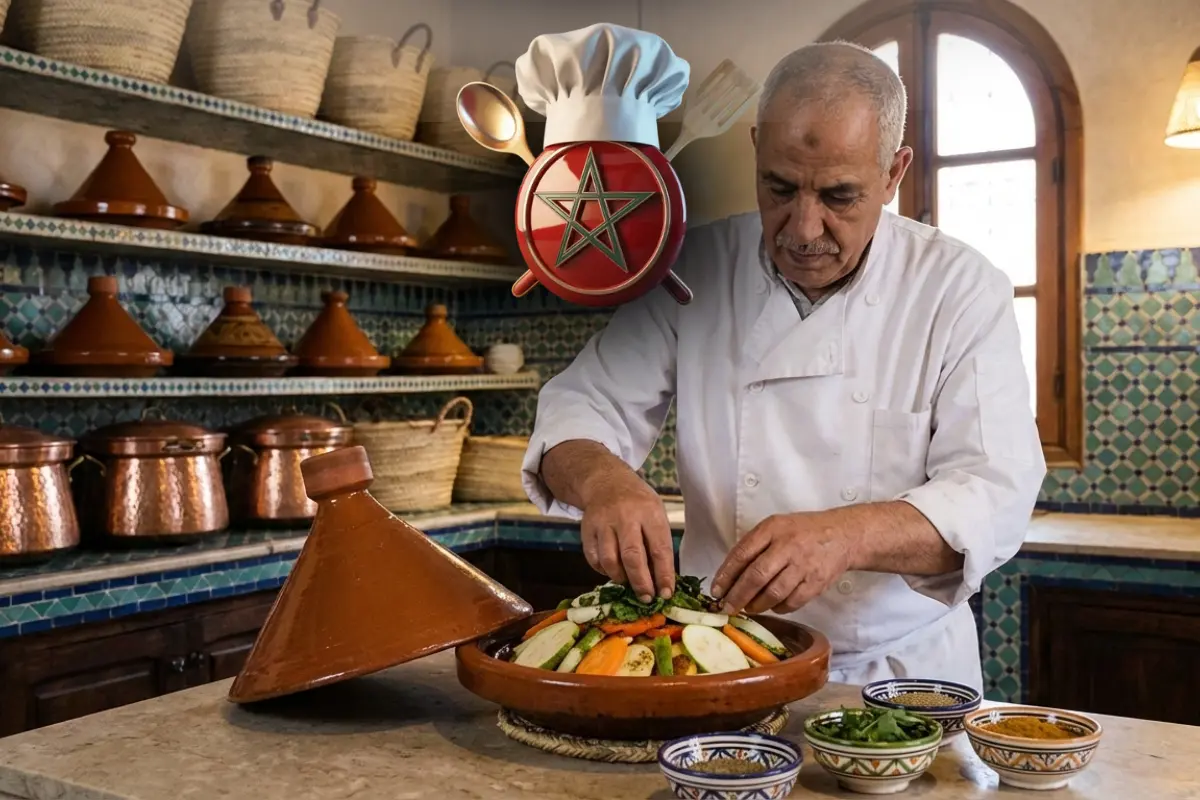
Introduction: Why Moroccan Cuisine Requires Professional Skills
Moroccan cuisine is celebrated worldwide for its complexity, balance of spices, and cultural depth. Becoming a professional Moroccan chef means mastering traditional techniques, understanding regional diversity, and presenting dishes with authenticity and artistry.
Core Skills Every Moroccan Chef Must Master
- Spice blending: Balance ras el hanout, cumin, saffron, cinnamon, and paprika.
- Tagine technique: Slow cooking in clay pots with layered ingredients.
- Couscous steaming: Perfecting couscous in a couscoussier without boiling.
- Pastry and sweets: Chebakia, briouats, and almond-based desserts.
- Bread baking: Khobz and tafarnout baked in clay ovens or hot stones.
- Presentation: Serving in ornate ceramics with herbs, nuts, and preserved lemons.
Training Options in Morocco
- Culinary Institutes: Fez and Casablanca offer structured programs covering Moroccan bread, tagines, and pastries.
- Workshops: Marrakech and Essaouira host immersive cooking experiences for tourists and aspiring chefs.
- Apprenticeships: Learning directly from master chefs in riads and restaurants.
Cultural Immersion
Professional Moroccan chefs must understand the cultural context of each dish. Visiting souks, cooking with Amazigh families, and celebrating seasonal rituals like preparing sellou during Ramadan are essential experiences.
Career Paths
- Restaurant Chef: Lead kitchens in Moroccan or fusion restaurants worldwide.
- Private Chef: Serve clients seeking authentic Moroccan dining.
- Culinary Instructor: Teach Moroccan cooking in schools or online.
- Food Entrepreneur: Launch catering services, spice brands, or Moroccan food trucks.
Final Tips
- Document recipes and adapt them for global audiences.
- Practice plating and storytelling—each dish should reflect Moroccan heritage.
- Stay humble and curious—Moroccan cuisine is vast and ever-evolving.
Conclusion
Becoming a professional Moroccan chef is a journey of skill, culture, and passion. By mastering techniques, embracing traditions, and innovating with respect, chefs can share Morocco’s culinary heritage with the world.