Introduction: More Than Just a Starter
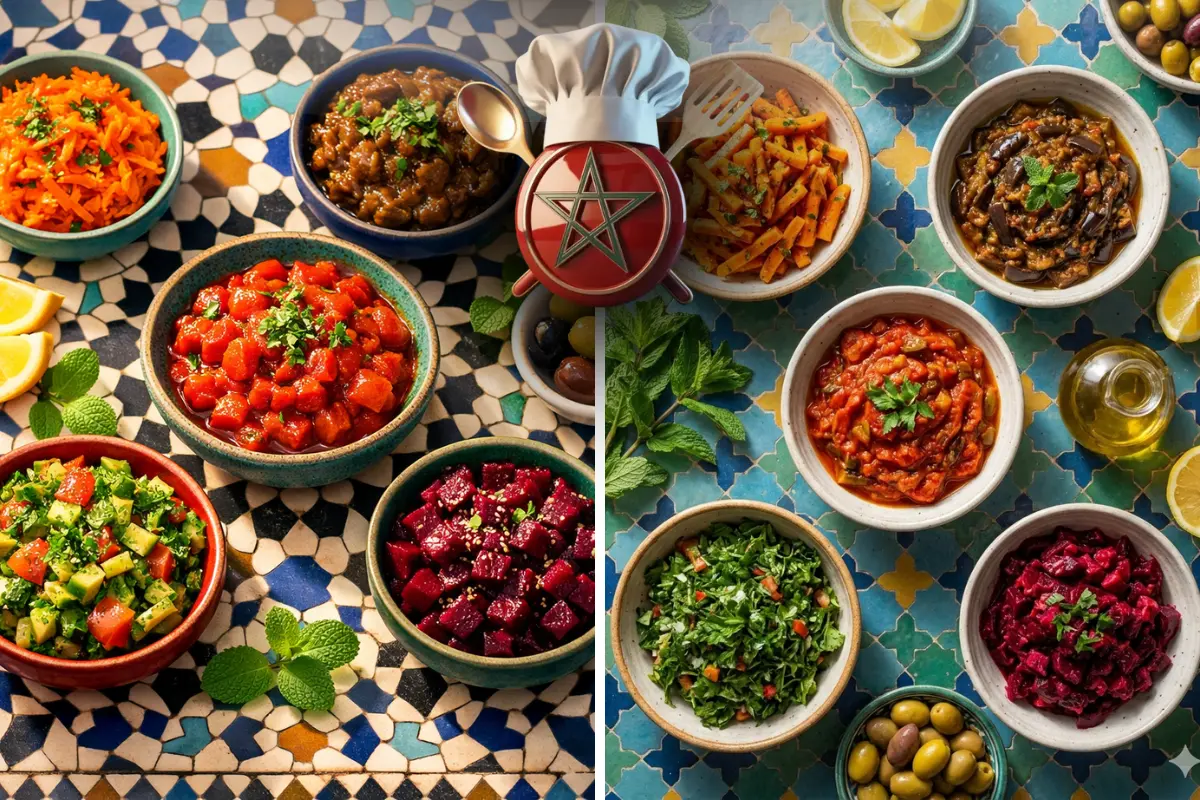
In Morocco, a meal rarely begins without a vibrant array of small plates known collectively as Moroccan salads or Salades Marocaines. Far from simple greens, these are intricate dishes of cooked, raw, or marinated vegetables, herbs, and legumes, each bursting with flavor and history. They are not merely an appetizer; they are a foundational pillar of the Moroccan culinary philosophy—a delicious and intentional way to nourish the body, stimulate the appetite, and celebrate the bounty of the land. This article delves deep into the multifaceted benefits of these culinary treasures.
The Nutritional Powerhouse: A Deep Dive into Health Benefits
1. A Concentrated Source of Vitamins and Minerals
Moroccan salads are a rainbow of vegetables—tomatoes, peppers, carrots, eggplants, beets, and more—each providing a unique micronutrient profile. Zaalouk (smoked eggplant and tomato) is rich in vitamins A, C, and K from tomatoes and antioxidants like nasunin from eggplant. Carrot salad (Salade de Carottes) delivers a massive dose of beta-carotene. This diversity ensures a broad-spectrum intake of essential nutrients vital for immune function, vision, and skin health.
2. Unparalleled Fiber Content for Digestive Health
Most Moroccan salads feature vegetables in their whole form, retaining all their natural fiber. Dishes like lentil salad (Salade d'Adass) and those with chickpeas provide both soluble and insoluble fiber. This promotes healthy digestion, regulates blood sugar levels by slowing glucose absorption, and contributes to prolonged satiety, aiding in weight management—a key reason they are perfect before a main course.
3. Heart-Healthy Fats and Antioxidants
The primary fat source in these salads is almost exclusively extra virgin olive oil, a cornerstone of the Mediterranean diet. Rich in monounsaturated fats and potent antioxidants like oleocanthal (with anti-inflammatory properties), it supports cardiovascular health. Combined with the antioxidants from vegetables (lycopene in tomatoes, anthocyanins in beets) and spices, these salads form a powerful defense against oxidative stress and inflammation.
4. Low-Calorie, High-Volume Food for Weight Wellness
Their high water and fiber content means Moroccan salads offer a large, satisfying portion with relatively few calories. Starting a meal with them helps fill the stomach, naturally reducing the portion size of subsequent, often richer, courses. This mindful eating practice is embedded in the Moroccan dining tradition.
5. Probiotic and Prebiotic Potential
Certain salads, like the preserved lemon-rich Bettoga (Citrus Salad) or those containing fermented ingredients, can contribute to gut health. The fiber acts as a prebiotic (food for beneficial gut bacteria), while fermented elements introduce probiotics, supporting a robust and balanced microbiome.
Cultural and Culinary Benefits: The Soul of the Table
1. A Ritual of Sharing and Hospitality
The presentation of 4 to 7 different salads in small plates at the center of the table (El Mehcha) is an act of generosity and community. It encourages sharing, conversation, and a slow start to the meal, aligning with mindful eating practices and strengthening social bonds.
2. Seasonal Eating and Sustainability
Traditional Moroccan salad recipes are inherently seasonal. Taktouka (grilled tomato and pepper salad) shines in late summer, while beet or orange salads appear in winter. This connection to seasonality ensures peak flavor and nutrition, reduces environmental impact, and supports local agriculture.
3. Preservation of Culinary Heritage
Each salad is a lesson in history and region. The use of specific spices (cumin, paprika, cayenne), preservation techniques (lemons in brine), and cooking methods (char-grilling peppers for Salade Mechouia) are techniques passed through generations, keeping culinary wisdom alive.
Spotlight on Classic Salads and Their Unique Benefits
- Zaalouk: Combines fiber-rich eggplant with lycopene-packed tomatoes. Cumin and garlic add antimicrobial properties. Excellent for digestive and heart health.
- Salade Mechouia: Features char-grilled peppers and tomatoes, which can increase antioxidant availability. Simple dressing of olive oil and lemon maximizes nutrient absorption.
- Moroccan Carrot Salad: Beta-carotene (converted to Vitamin A) is best absorbed with fat—here provided by olive oil. Essential for eye health and immunity.
- Lentil or Chickpea Salad: Provides significant plant-based protein and iron, making it a fantastic nutrient-dense option, especially important in vegetarian diets.
- Orange & Cinnamon Salad: A winter classic. Oranges provide vitamin C, while cinnamon is noted for its blood sugar-regulating properties. A light, digestible, and uplifting dessert salad.
Incorporating Moroccan Salads into a Modern Lifestyle: Practical Tips
- Meal Prep Champion: Most cooked salads like Zaalouk and Taktouka taste even better the next day and keep for 3-4 days in the fridge. Prepare a batch for easy, healthy sides throughout the week.
- The Ultimate Appetizer: Impress guests with a colorful assortment. It's a gluten-free, vegan-friendly (often), and universally appealing way to start a dinner party.
- Main Course Transformation: Bulk up a lentil or chickpea salad with extra herbs, nuts, and a hard-boiled egg or grilled fish to create a complete, balanced main dish.
- Flavor Without the Salt: Rely on herbs (parsley, coriander), spices, garlic, and lemon to create deep flavors, reducing the need for added salt—a boon for blood pressure management.
A Note on Ingredients: Maximizing the Benefits
- Olive Oil is Non-Negotiable: Use a high-quality, flavorful extra virgin olive oil. It's the soul of the dressing and a major health contributor.
- Spice Wisdom: Cumin (aiding digestion), paprika (antioxidants), and saffron (mood-supporting) are not just flavorings; they are functional food elements.
- Freshness First: The quality of the vegetables directly impacts both taste and nutritional density. Choose fresh, seasonal produce whenever possible.
Conclusion: A Timeless Prescription for Health and Joy
The benefits of Moroccan salads extend far beyond their tantalizing tastes. They are a holistic prescription for health—nourishing the body with essential nutrients, supporting digestive and heart health, and promoting mindful eating. Culturally, they feed the soul by fostering community and connecting us to a rich heritage. In a world seeking both wellness and authentic flavor, the Moroccan table, with its symphony of salads, offers a perfect, time-tested solution. Adopting this habit is more than a culinary choice; it's an embrace of a lifestyle where well-being and pleasure exist in delicious harmony.