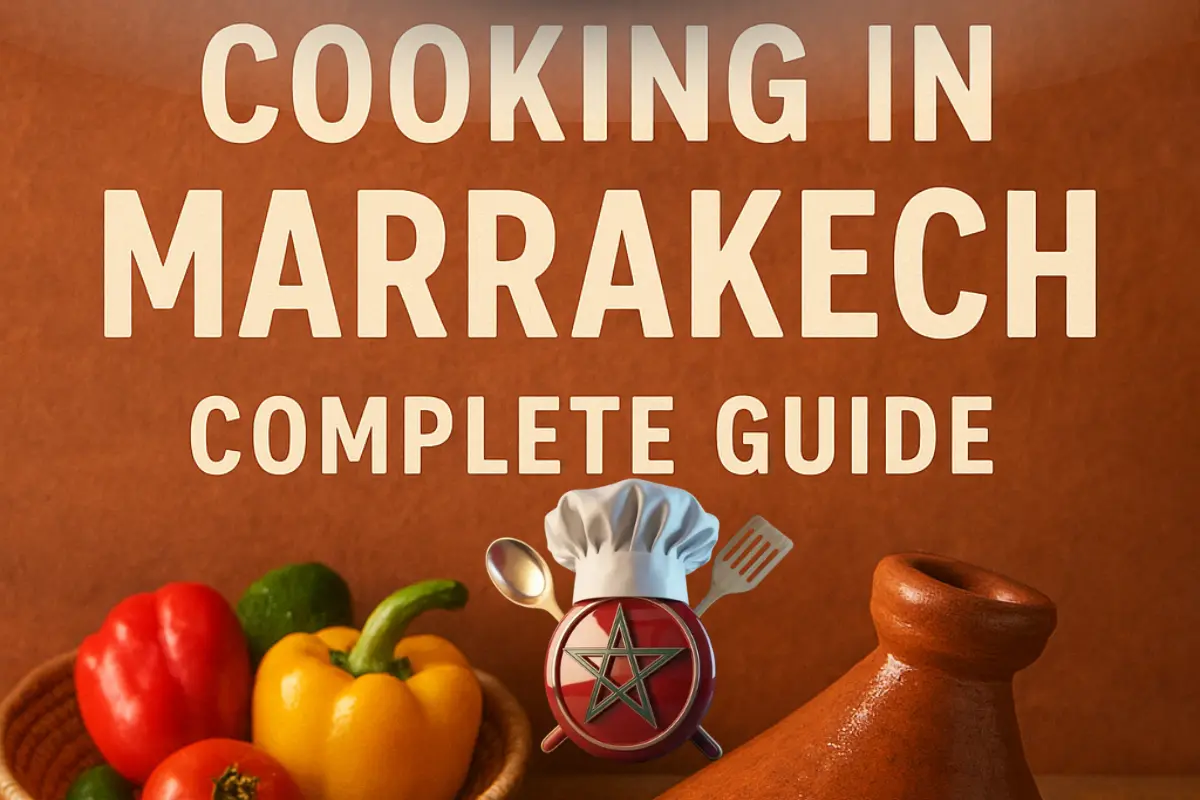
Marrakech: The Culinary Heart of Morocco
Marrakech, often called the Red City, is not only famous for its vibrant souks and historic medina but also for its extraordinary culinary traditions. Cooking in Marrakech is a sensory journey where spices, aromas, and flavors come together to create dishes that embody centuries of Moroccan heritage. From bustling food stalls in Jemaa el-Fnaa to family kitchens hidden in the medina, the city offers a unique perspective on Moroccan gastronomy.
The Tagine: Marrakech’s Signature Dish
No dish represents Marrakech better than the tagine. This slow-cooked stew, prepared in a conical clay pot, is a staple of local cooking. In Marrakech, tagines vary from lamb with prunes and almonds to chicken with preserved lemons and olives. Street vendors, restaurants, and home cooks all prepare tagines, each with their own twist. The slow simmering process allows spices like cumin, ginger, saffron, and cinnamon to infuse the dish with depth and warmth.
Couscous Fridays: A Ritual of Hospitality
Couscous is another cornerstone of Marrakech’s culinary identity. Traditionally served on Fridays after prayer, couscous is more than a meal—it is a ritual of hospitality and family gathering. In Marrakech, couscous is often paired with seven vegetables, lamb, or chicken, and flavored with aromatic broth. The communal sharing of couscous reflects the city’s emphasis on generosity and togetherness.
Spice Markets: The Soul of Marrakech Cooking
The spice markets of Marrakech are legendary. Walking through the souks, visitors encounter stalls overflowing with saffron, ras el hanout, cumin, paprika, and dried herbs. These spices are the foundation of Marrakech cooking, transforming simple ingredients into complex, flavorful dishes. Local cooks know how to balance sweet and savory, creating meals that surprise and delight.
Street Food in Jemaa el-Fnaa
The Jemaa el-Fnaa
Cooking Classes and Culinary Tourism
Marrakech has become a hub for culinary tourism. Visitors can join cooking classes where they learn to prepare tagine, couscous, and Moroccan pastries. These experiences often begin with a guided tour of the spice markets, followed by hands-on cooking in traditional riads. Such classes highlight the artistry of Moroccan cooking and allow participants to take a piece of Marrakech home with them.
Pastries and Sweets of Marrakech
Marrakech is also known for its almond pastries, including Kaab el Ghazal (gazelle horns) and briouats. These sweets, often flavored with orange blossom water and honey, are served with mint tea as a gesture of hospitality. During Ramadan and weddings, pastry platters become elaborate displays of generosity and tradition.
Cooking in Marrakech Homes
While restaurants and street stalls showcase the city’s culinary diversity, the true essence of Marrakech cooking lies in family kitchens. Recipes are passed down through generations, often orally, with each household adding its own secret touches. Preparing food is a communal activity, with family members gathering to chop vegetables, grind spices, and share stories as meals come together.
Conclusion: Marrakech as a Culinary Capital
Cooking in Marrakech is a celebration of flavor, tradition, and hospitality. From tagines simmering in clay pots to couscous feasts shared on Fridays, the city embodies the richness of Moroccan cuisine. Its spice markets, street food culture, and family traditions make Marrakech a culinary capital where food is not only nourishment but also a cultural bridge. For anyone seeking to understand Morocco, there is no better place to begin than in the kitchens and markets of Marrakech.