Introduction: The Soul of Moroccan Iftar
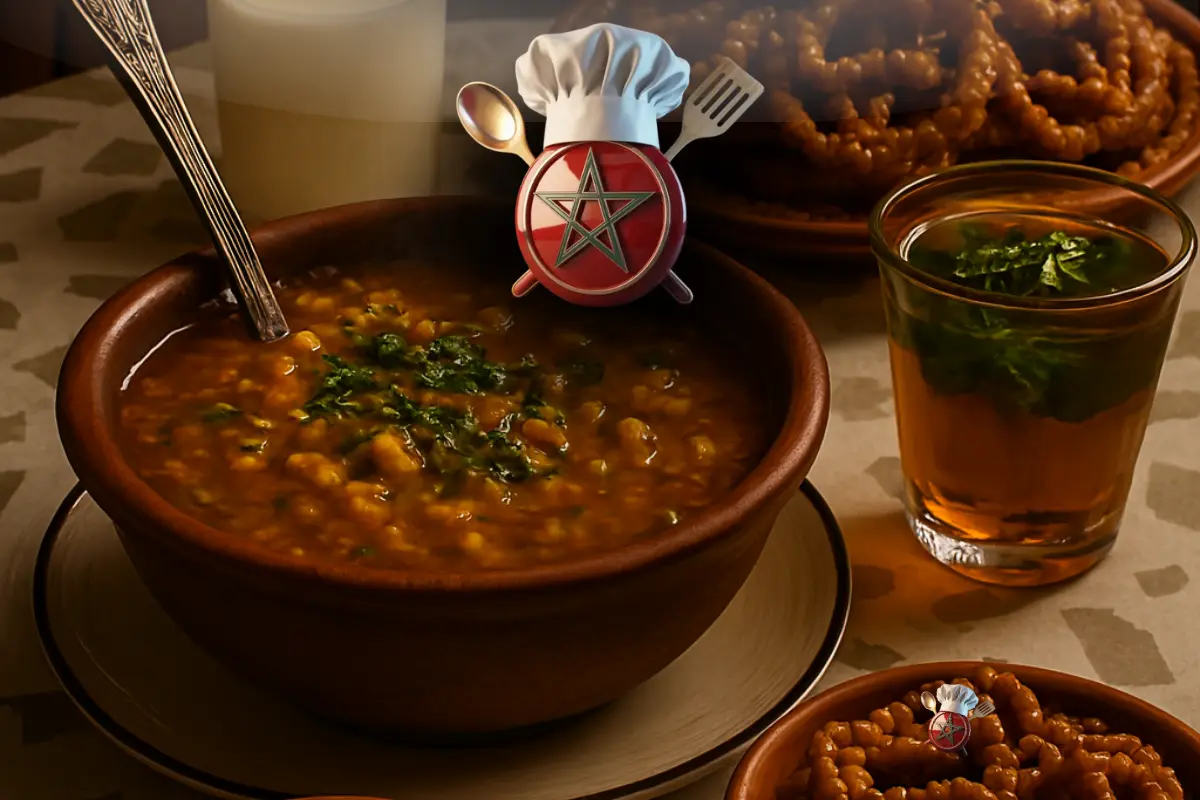
In Morocco, the call to Maghrib prayer during Ramadan signals not just the end of the fast, but the beginning of a cherished ritual: the serving of Harira. This rich, tomato-based soup is the centerpiece of Moroccan iftar tables, offering warmth, nourishment, and cultural continuity. Harira is more than food—it’s a symbol of comfort, family, and spiritual renewal.
What Is Harira?
Harira is a traditional Moroccan soup made with tomatoes, lentils, chickpeas, fresh herbs, and spices. It often includes small pieces of meat (usually lamb or beef), vermicelli or rice, and a thickening agent like flour or eggs. The soup is slow-cooked to develop deep flavor and a velvety texture.
Core Ingredients and Nutritional Value
- Tomatoes: Rich in antioxidants and vitamin C.
- Lentils and chickpeas: Provide plant-based protein and fiber.
- Fresh herbs: Parsley and cilantro aid digestion and add freshness.
- Spices: Ginger, turmeric, cinnamon, and pepper offer warmth and anti-inflammatory benefits.
- Meat (optional): Adds depth and protein.
- Vermicelli or rice: For texture and satiety.
Why Harira Is Essential During Ramadan
- Gentle on the stomach: After a long fast, Harira is easy to digest and rehydrates the body.
- Balanced nutrition: Combines protein, fiber, and complex carbs.
- Tradition and comfort: Evokes memories of family, home, and Ramadan rituals.
- Versatility: Can be vegetarian or meat-based, thick or light, depending on regional and family preferences.
Harira Across Morocco
While Harira is universal in Moroccan homes, its preparation varies:
- Fassi Harira (Fez): Rich and thick, often includes eggs and smen (fermented butter).
- Marrakchi Harira: Lighter, with more herbs and less meat.
- Amazigh-style Harira: May include barley or omit meat entirely, reflecting rural simplicity.
Serving Rituals
Harira is traditionally served with chebakia (sesame honey pastries), dates, boiled eggs, and milk or mint tea. The combination balances sweet and savory, soft and crunchy, creating a sensory experience that marks the sacredness of iftar.
Spiritual and Cultural Significance
Harira is more than nourishment—it’s a spiritual anchor. Its preparation often begins hours before sunset, involving family members in a shared act of care. The aroma of simmering Harira fills homes and medinas, signaling togetherness and gratitude.
Modern Adaptations
- Vegetarian Harira with quinoa or bulgur.
- Gluten-free versions using rice flour or cornstarch.
- Instant pot Harira for busy urban families.
Conclusion: A Bowl of Heritage
Harira soup remains one of Morocco’s most iconic Ramadan dishes, blending flavor, nutrition, and cultural depth. Whether enjoyed in a mountain village or a city apartment, Harira connects generations and nourishes both body and soul. It’s not just a soup—it’s a sacred tradition.