Introduction: A Dish That Defines Moroccan Cuisine
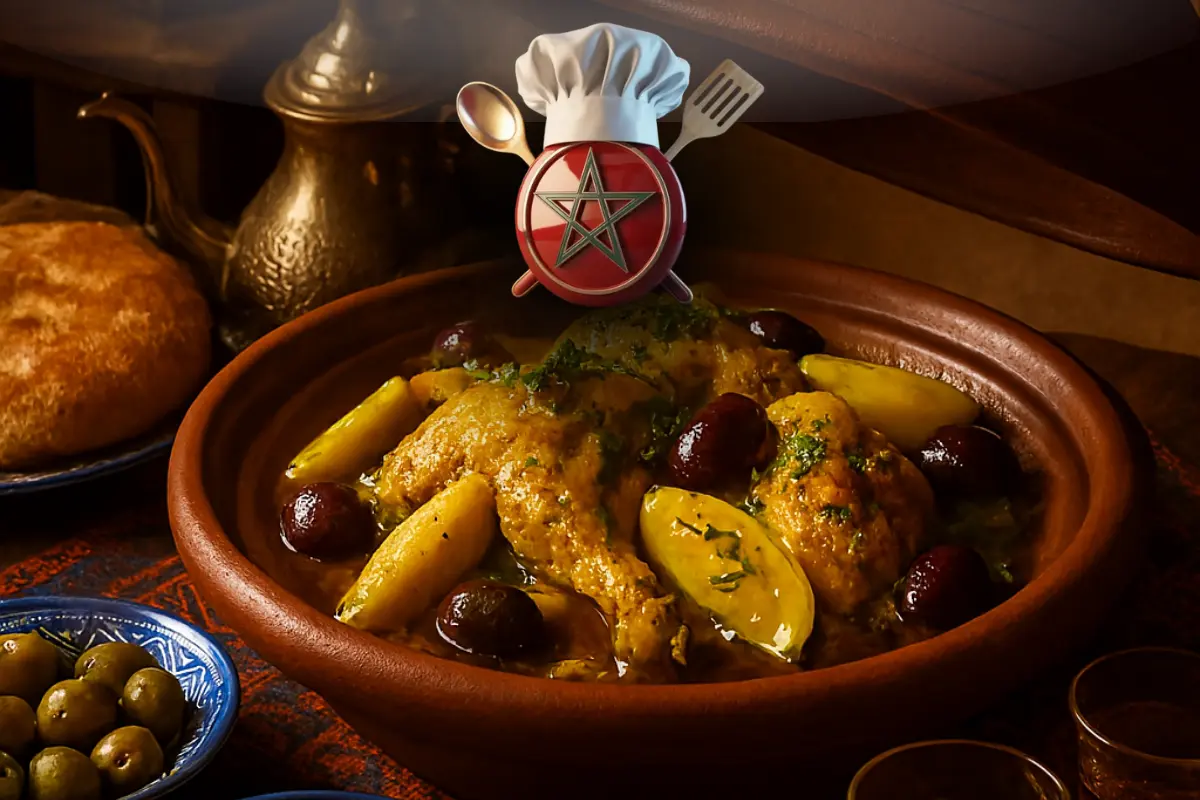
Chicken tagine is more than a meal—it’s a cultural ritual that reflects Morocco’s culinary heritage, hospitality, and love for slow-cooked flavors. Prepared in a conical clay pot called a tagine, this dish combines tender chicken with aromatic spices, preserved lemons, olives, and seasonal vegetables, creating a symphony of taste and tradition.
Core Ingredients of Chicken Tagine
- Chicken: Bone-in pieces, often thighs or drumsticks, marinated for depth of flavor.
- Preserved lemons: A signature Moroccan ingredient that adds tang and complexity.
- Green or purple olives: Briny and bold, they balance the richness of the dish.
- Onions and garlic: The aromatic base for the sauce.
- Spices: Turmeric, ginger, saffron, paprika, and black pepper create warmth and depth.
- Olive oil: Used generously for richness and authenticity.
- Fresh herbs: Parsley and cilantro for brightness.
Preparation and Cooking Technique
Chicken tagine is traditionally prepared by layering onions, garlic, and spices in the tagine base, then adding marinated chicken and preserved lemons. The dish is slow-cooked over charcoal or low heat, allowing flavors to meld and the chicken to become tender. The conical lid traps steam, creating a self-basting environment that enhances taste and texture.
Regional Variations
- Fes-style tagine: Includes dried fruits like prunes and almonds for a sweet-savory profile.
- Marrakech-style: Focuses on preserved lemon and olives, with minimal vegetables.
- Berber tagine: Adds root vegetables like carrots and potatoes, reflecting rural traditions.
Serving and Accompaniments
Chicken tagine is typically served with khobz (Moroccan bread) or couscous. It’s accompanied by mint tea and seasonal salads like zaalouk or taktouka. The dish is often presented in the tagine itself, emphasizing its rustic elegance and communal spirit.
Cultural Significance
In Moroccan culture, serving chicken tagine is a gesture of hospitality and respect. It’s a centerpiece at family gatherings, religious holidays, and celebrations. The dish reflects Morocco’s values of generosity, patience, and culinary artistry.
Nutritional Value
Chicken tagine offers lean protein, healthy fats from olive oil, and antioxidants from spices. Preserved lemons aid digestion, while olives provide essential minerals. The dish aligns with the Mediterranean diet, supporting heart health and wellness.
Modern Adaptations
Contemporary chefs experiment with chicken tagine by adding ingredients like artichokes, sweet potatoes, or quinoa. It’s also adapted for slow cookers and pressure cookers, making it accessible to global audiences while preserving its essence.
Conclusion: A Culinary Masterpiece
Moroccan chicken tagine is a timeless dish that bridges tradition and innovation. With its bold flavors, cultural depth, and visual appeal, it remains a symbol of Moroccan identity and hospitality. Whether enjoyed in a mountain village or a modern kitchen, chicken tagine continues to inspire and delight.