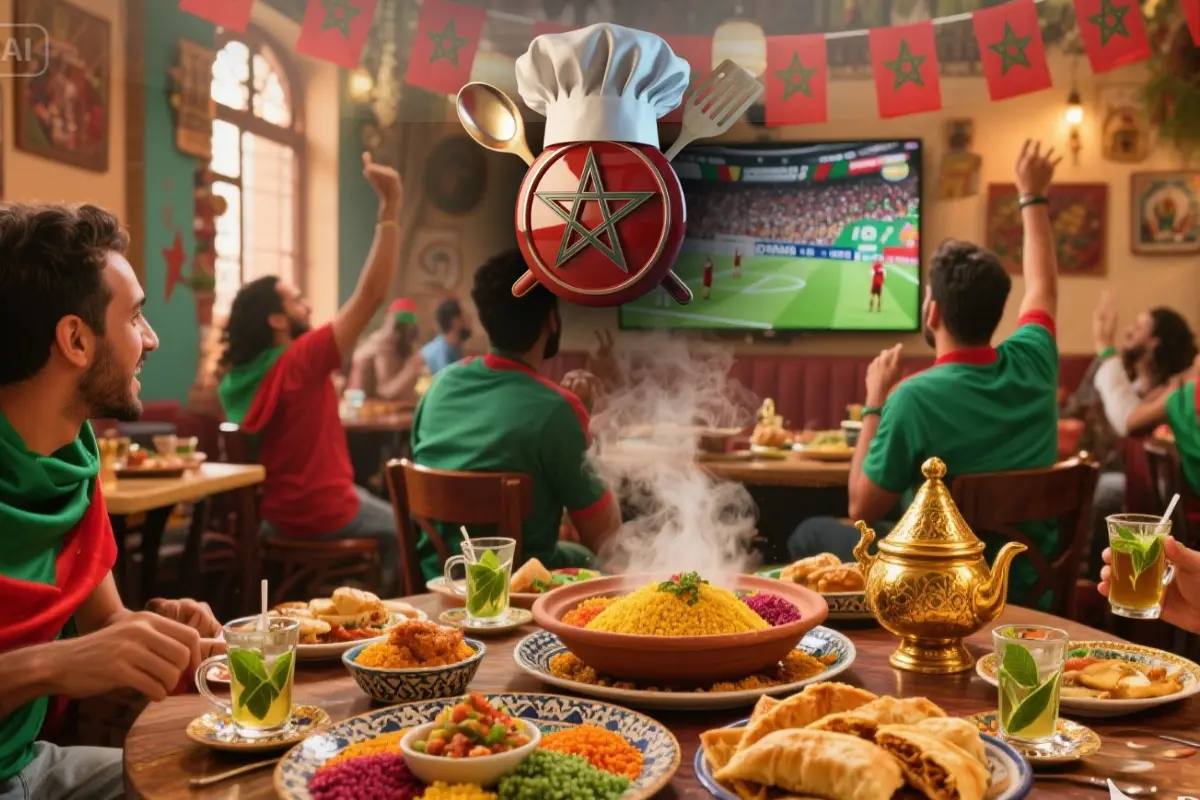
Introduction: Football Meets Flavor
The Africa Cup of Nations (AFCON) in Morocco is not only a showcase of football excellence but also an opportunity to highlight Morocco’s world-renowned culinary heritage. As fans from across Africa and beyond gather to celebrate the tournament, Moroccan cuisine becomes a central part of the experience, offering flavors that reflect the country’s identity, hospitality, and cultural pride.
Moroccan Cuisine as a Symbol of Hospitality
Morocco is famous for its hospitality, and food plays a vital role in welcoming guests. During AFCON, restaurants, cafés, and street vendors prepare iconic dishes that allow visitors to experience the soul of Moroccan culture. Sharing couscous or sipping mint tea becomes a ritual of connection, bridging fans from different nations.
Iconic Dishes for Football Fans
- Tagine: Slow-cooked stews with chicken, lamb, or vegetables, infused with spices, often enjoyed in groups after matches.
- Couscous: Served communally, symbolizing unity and tradition, making it a perfect dish for gatherings of fans.
- Pastilla: A savory-sweet pie admired for its unique flavor balance, often featured in celebratory meals.
- Harira: A hearty soup that comforts fans during late-night games.
- Street Food: Sfenj (Moroccan doughnuts), maakouda (potato fritters), and grilled sardines are popular snacks around stadiums and fan zones.
Mint Tea: The Drink of Celebration
No Moroccan event is complete without atay b’naanaa, or mint tea. During AFCON, fans gather in cafés to watch matches while sharing glasses of steaming tea, symbolizing friendship and joy. The ritual of pouring tea from a height adds to the festive atmosphere.
Sports Tourism and Culinary Discovery
AFCON in Morocco boosts not only sports tourism but also culinary tourism. Visitors explore local markets, taste regional specialties, and attend food festivals organized alongside the tournament. This dual experience—football and food—creates lasting memories and strengthens Morocco’s reputation as a destination for both culture and sport.
Cultural Exchange Through Food
As fans from diverse backgrounds come together, Moroccan cuisine acts as a cultural bridge. Sharing dishes like couscous or tagine allows visitors to connect with Moroccan traditions while celebrating football. This exchange enriches the tournament, making it more than just a competition—it becomes a festival of identity and flavor.
Conclusion: Morocco’s Winning Recipe
The Africa Cup of Nations in Morocco is not only about goals and victories—it is about experiencing the country’s hospitality through its cuisine. From tagines and couscous to mint tea and street food, Moroccan dishes transform the tournament into a culinary celebration. For fans and food lovers alike, AFCON in Morocco is a reminder that football and food together create the ultimate cultural victory.