Moroccan Cuisine Arrives in America
In recent years, Moroccan cuisine has begun to capture the imagination of American food lovers. Known for its bold spices, slow-cooked stews, and intricate pastries, Moroccan cooking offers a sensory journey that resonates with Americans seeking authenticity and global flavors. From bustling cities like New York and Los Angeles to smaller communities across the Midwest, Moroccan restaurants, supper clubs, and home kitchens are introducing dishes that embody centuries of tradition.
Moroccan food is more than just sustenance—it is storytelling through flavor. In America, where culinary diversity thrives, Moroccan cuisine stands out for its ability to blend sweet and savory, spice and subtlety, tradition and innovation. Whether it’s a lamb tagine simmered with prunes or a couscous platter shared among friends, these dishes are finding a new home in American dining culture.
The Heart of Moroccan Cooking: Tagine
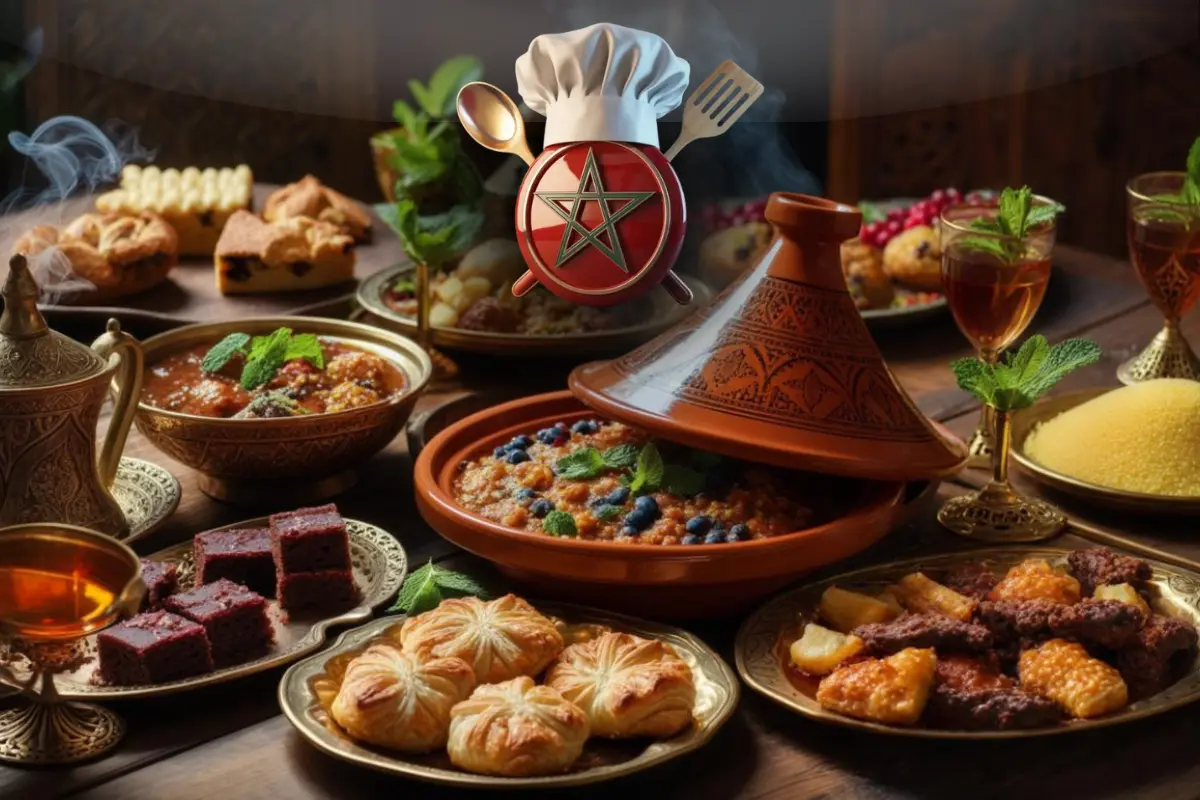
The tagine is perhaps the most iconic Moroccan dish to gain popularity in the United States. Named after the conical clay pot in which it is cooked, tagine represents the essence of Moroccan slow cooking. In American kitchens, chefs and home cooks alike are experimenting with variations: chicken tagine with preserved lemons and olives, beef tagine with apricots, and vegetarian tagines rich with chickpeas and seasonal vegetables.
What makes tagine appealing to Americans is its versatility. It can be adapted to local ingredients while retaining its Moroccan soul. The slow cooking process allows spices like cumin, ginger, turmeric, and cinnamon to meld into a fragrant sauce, creating a dish that feels both exotic and comforting.
Couscous: A Staple Reimagined
Couscous, the national dish of Morocco, has long been available in American supermarkets, but its cultural depth is only now being appreciated. Traditionally steamed over simmering stew, couscous is more than a side dish—it is a centerpiece of Moroccan hospitality. In America, chefs are elevating couscous beyond the instant-boxed version, teaching diners about its ceremonial role in Moroccan households, especially on Fridays when families gather for couscous feasts.
American adaptations include couscous salads with roasted vegetables, couscous bowls paired with grilled meats, and even fusion dishes that combine couscous with Southern barbecue flavors. This blending of traditions highlights how Moroccan cuisine can integrate seamlessly into the American culinary landscape.
Spices and Aromatics: Morocco’s Gift to American Kitchens
Moroccan cooking is inseparable from its spices. In America, spice blends like ras el hanout are becoming increasingly popular. This complex mixture, often containing more than a dozen spices, is used to season meats, vegetables, and even modern American dishes like roasted chicken or grilled salmon.
Other aromatics such as preserved lemons, harissa (a chili paste), and orange blossom water are finding their way into American pantries. These ingredients allow home cooks to recreate Moroccan flavors while adding depth to familiar recipes. For example, preserved lemons can transform a simple roast chicken into a dish with Moroccan flair.
Mint Tea: The Ritual of Hospitality
No exploration of Moroccan cuisine in America would be complete without Moroccan mint tea. Known as “atay,” this sweet, refreshing tea is more than a beverage—it is a symbol of hospitality. In Moroccan homes, tea is served to guests as a gesture of welcome, often accompanied by almond pastries.
In America, Moroccan mint tea is appearing in cafes, restaurants, and even wellness spaces. Its balance of green tea, fresh mint, and sugar appeals to health-conscious consumers while offering a cultural ritual that emphasizes connection and generosity. Tea ceremonies, complete with ornate teapots and glasses, are being embraced as immersive experiences that transport participants to Moroccan tradition.
Moroccan Pastries in American Sweet Culture
Moroccan almond pastries such as Kaab el Ghazal (gazelle horns) and Ghriba cookies are gaining recognition among American dessert enthusiasts. Their delicate textures and aromatic flavors provide a refreshing alternative to conventional cakes and cookies. Specialty bakeries in cities like San Francisco and Chicago are introducing these sweets, often pairing them with coffee or tea to appeal to local tastes.
American pastry chefs are also experimenting with Moroccan techniques, incorporating almonds, honey, and orange blossom water into fusion desserts. This creative exchange enriches both Moroccan and American culinary traditions.
Moroccan Cuisine and American Food Trends
Moroccan cooking aligns perfectly with current American food trends: sustainability, plant-based eating, and global fusion. Dishes like vegetarian tagines and lentil-based soups cater to the growing demand for plant-forward meals. The emphasis on fresh herbs, whole spices, and natural sweeteners resonates with Americans seeking healthier alternatives.
Moreover, Moroccan cuisine’s communal style of dining—sharing couscous platters or pastry assortments—echoes America’s renewed interest in family-style meals and social dining experiences. This cultural synergy makes Moroccan food not only relevant but also deeply appealing to American audiences.
Building Cultural Bridges Through Food
Food has always been a bridge between cultures, and Moroccan cuisine in America is a testament to this truth. Moroccan immigrants, chefs, and culinary entrepreneurs are playing a vital role in introducing these traditions to American communities. Cooking classes, food festivals, and online platforms are spreading knowledge about Moroccan recipes, techniques, and cultural significance.
For Americans, learning to cook Moroccan dishes is more than mastering recipes—it is an invitation to understand a culture where hospitality is sacred and flavors tell stories of history, geography, and family.
Conclusion: A Flavorful Future
As Moroccan cuisine continues to grow in America, it offers a unique opportunity to celebrate diversity and tradition. From tagines simmering in clay pots to couscous feasts shared among friends, Moroccan food enriches the American table with flavors that are both ancient and timeless.
For those seeking to explore global cuisine, Moroccan cooking provides a gateway into a world of spices, rituals, and hospitality. In America’s ever-evolving culinary landscape, Moroccan cuisine is not just surviving—it is thriving, offering a flavorful future where cultures meet and traditions are honored.