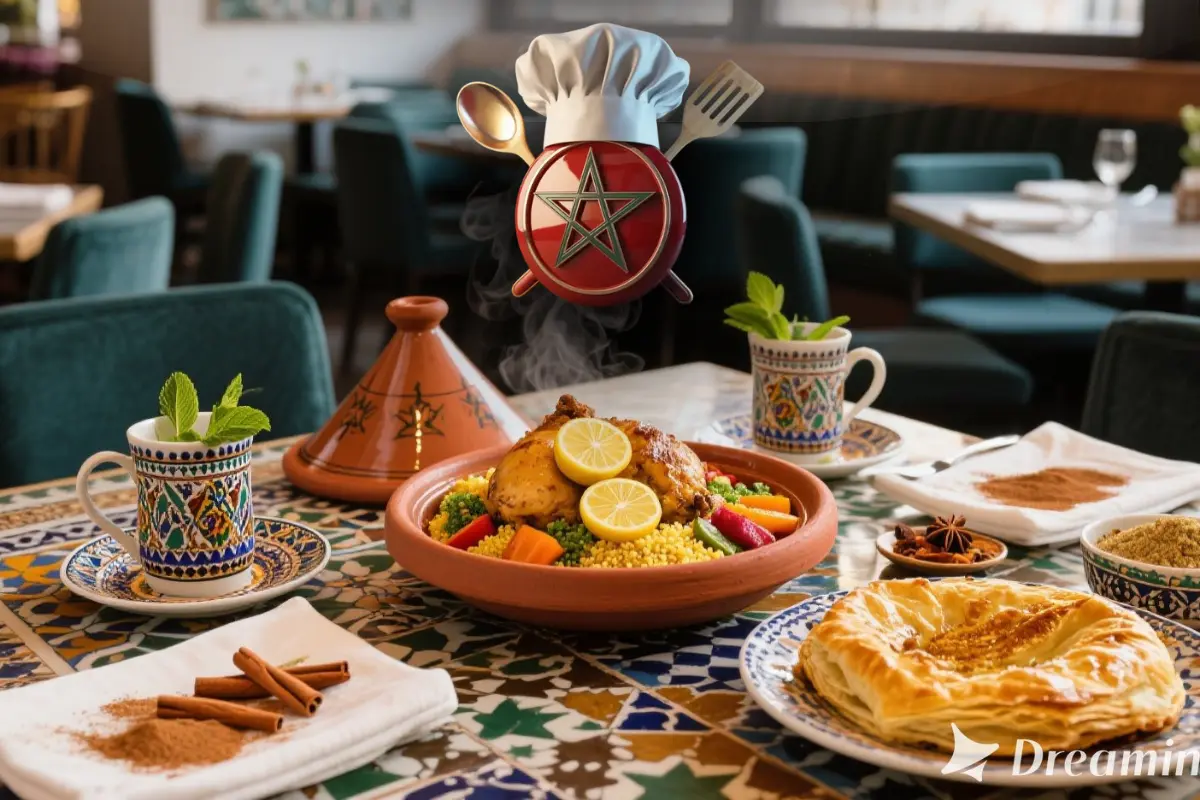
Introduction: Moroccan Flavors Across the Atlantic
Moroccan cuisine has steadily carved its place in the American culinary landscape. Known for its bold spices, sweet-and-savory combinations, and communal dining traditions, Moroccan food resonates with Americans seeking authentic global flavors. From immigrant-run restaurants in New York and California to fusion menus in upscale dining, Moroccan cuisine has become a cultural bridge between North Africa and the United States.
The Journey of Moroccan Cuisine in America
The introduction of Moroccan food to America began with immigrant communities in the late 20th century. As Moroccan families settled in cities like New York, Los Angeles, and Chicago, they opened restaurants and shared their culinary traditions. Over time, Moroccan cuisine gained recognition among food enthusiasts, particularly as Americans became more interested in Mediterranean and global diets.
Signature Dishes Winning American Hearts
- Tagine: The slow-cooked stew prepared in a conical clay pot is the most iconic Moroccan dish in America. Popular variations include chicken with preserved lemons and olives, and lamb with prunes and almonds.
- Couscous: Marketed as a healthy grain, couscous has become a staple in American kitchens. While instant couscous is common, traditional Moroccan couscous—steamed over simmering stew—is gaining popularity in restaurants.
- Pastilla: A flaky pie combining savory chicken with sweet almonds and cinnamon, pastilla is admired for its unique flavor balance and often featured in fine dining menus.
- Harira: This tomato-based soup with lentils and chickpeas is appreciated for its hearty and nutritious qualities, often served in winter menus.
- Mint Tea: Known as atay, Moroccan mint tea has become a symbol of hospitality, often offered in Moroccan restaurants across the U.S.
Fusion and Modern Adaptations
American chefs have embraced Moroccan flavors, incorporating them into fusion dishes. Tagine-inspired tacos, couscous bowls with grilled meats, and Moroccan-spiced burgers are examples of how traditional recipes are adapted to suit American tastes. This fusion not only introduces Moroccan cuisine to new audiences but also highlights its versatility.
Moroccan Restaurants in the U.S.
Moroccan restaurants have flourished in major American cities. In New York, establishments like Café Mogador introduced Moroccan flavors to a wide audience. In Los Angeles, Moroccan fine dining blends tradition with modern presentation. These restaurants serve as cultural ambassadors, offering authentic experiences through food, décor, and hospitality.
Cultural Significance
Moroccan cuisine in America is more than food—it is a cultural exchange. Sharing dishes like couscous and tagine allows Moroccan communities to preserve their heritage while inviting Americans to experience it. The communal nature of Moroccan dining resonates with American values of family and togetherness, making it a meaningful addition to the culinary scene.
Health and Wellness Appeal
Moroccan cuisine aligns with American health trends. Its emphasis on fresh herbs, whole spices, legumes, and lean meats appeals to health-conscious consumers. Ingredients like turmeric, ginger, and saffron are praised for their nutritional benefits, while plant-based Moroccan dishes cater to vegetarian and vegan diets.
Challenges and Opportunities
Despite its growing popularity, Moroccan cuisine faces challenges in America, including limited awareness beyond major cities and the adaptation of traditional recipes to suit local tastes. However, opportunities abound in culinary tourism, cooking classes, and food festivals, which continue to introduce Moroccan flavors to wider audiences.
Conclusion: A Culinary Bridge Between Cultures
Moroccan cuisine in America represents a successful blend of tradition and adaptation. From immigrant kitchens to mainstream dining, it has become a flavorful ambassador of Moroccan culture. As Americans embrace global cuisines, Moroccan food stands out for its richness, hospitality, and health benefits. Its journey across the Atlantic is a testament to the power of food in connecting cultures and creating shared experiences.