Introduction: Ramadan as a Month of Renewal
In Morocco, Ramadan is more than a religious observance—it is a cultural and social event that transforms daily life. Preparations begin weeks before the holy month, as families, communities, and markets anticipate the arrival of this sacred time. From culinary traditions to spiritual practices, Moroccan preparations for Ramadan reflect hospitality, devotion, and heritage.
Culinary Preparations
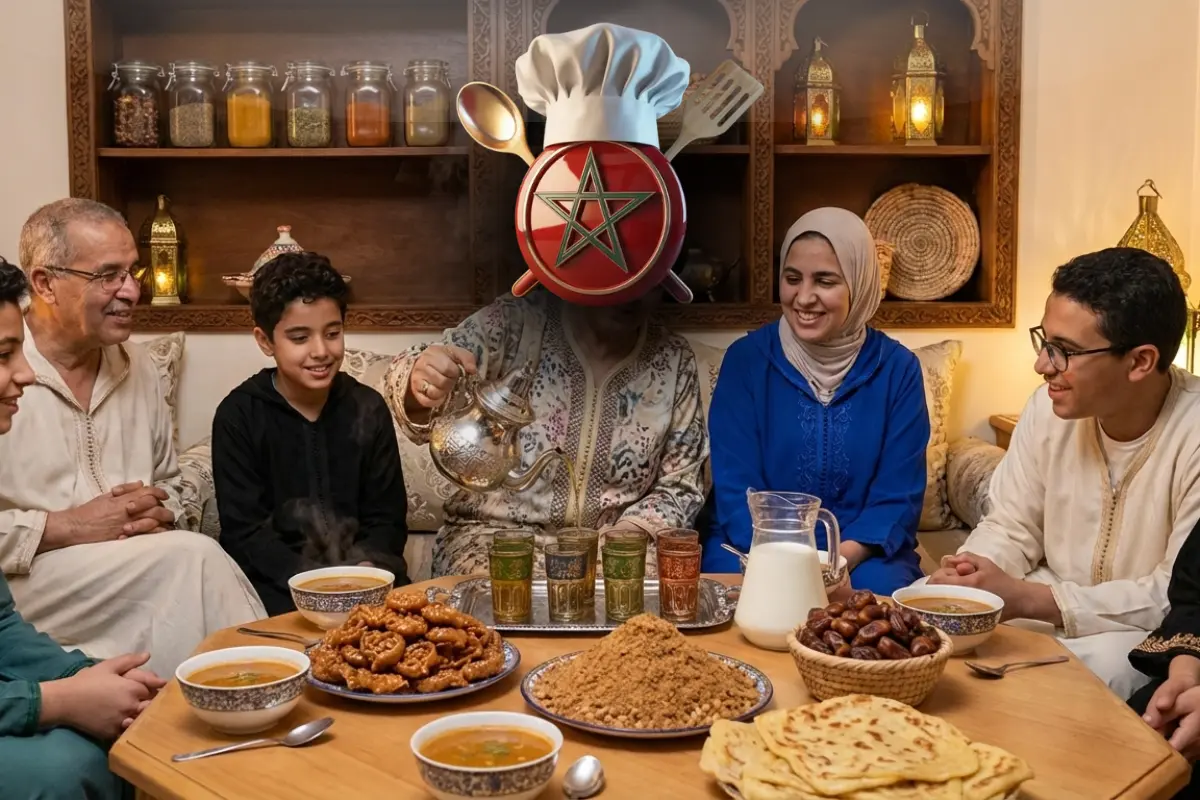
Food plays a central role in Moroccan Ramadan. Families stock up on essential ingredients and prepare traditional dishes that will be enjoyed during iftar (breaking the fast) and suhoor (pre-dawn meal). Key preparations include:
- Harira: The iconic Moroccan soup made with tomatoes, lentils, chickpeas, and herbs, often prepared in large quantities.
- Chebakia: Honey-coated sesame pastries, shaped into flowers, fried, and served with tea.
- Sellou: A nourishing mixture of roasted flour, almonds, sesame seeds, and honey, prepared in advance for energy during fasting.
- Dates and milk: Essential for breaking the fast, symbolizing purity and tradition.
- Bread and msemen: Freshly baked daily, often accompanied by olive oil, honey, or butter.
Spiritual Preparations
Beyond food, Moroccans prepare spiritually for Ramadan. Mosques are cleaned and decorated, Qur’an readings intensify, and families emphasize prayer and charity. Many people dedicate time to reflection, forgiveness, and strengthening community bonds.
Markets and Community Life
Souks and local markets become vibrant hubs before Ramadan. Vendors display dates, nuts, spices, and fresh produce. The atmosphere is festive, with families shopping together and communities sharing recipes and traditions. This communal preparation reinforces the social fabric of Moroccan society.
Hospitality and Family Gatherings
Hospitality is a cornerstone of Moroccan Ramadan. Families prepare extra food to welcome guests, neighbors, and the less fortunate. Iftar tables are abundant, featuring soups, pastries, fruits, and tea. Sharing meals strengthens bonds and reflects Morocco’s values of generosity and community.
Modern Adaptations
While traditions remain strong, modern Moroccan families also adapt preparations to contemporary lifestyles. Urban households may incorporate global dishes alongside traditional ones, and social media platforms are used to share recipes and Ramadan inspirations. Restaurants and bakeries offer ready-made chebakia and sellou, easing the workload for busy families.
Conclusion: A Month of Heritage and Togetherness
Preparations for Ramadan in Morocco highlight the country’s unique blend of spirituality, culinary artistry, and cultural pride. From harira and chebakia to communal prayers and market gatherings, every detail reflects Morocco’s devotion to hospitality and heritage. For Moroccans, Ramadan is not only a time of fasting—it is a celebration of faith, family, and tradition.