Introduction: Where the Atlantic Meets Moroccan Tradition
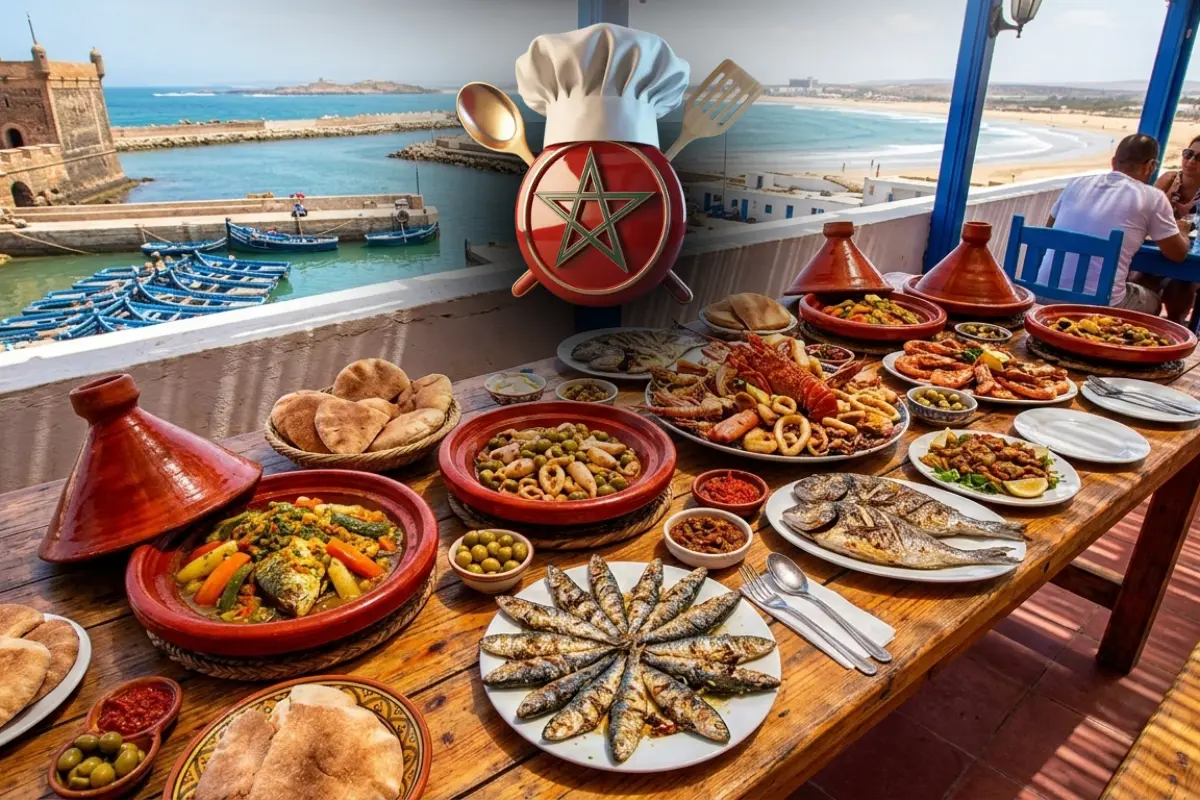
Stand at the ramparts of Essaouira's ancient medina at sunrise. Below, the Atlantic Ocean crashes against weathered rocks where Portuguese cannons once guarded the harbor. In the port, fishing boats painted in vivid blues return with the night's catch—gleaming sardines, sea bass, sole, squid, and prawns—hauled in nets heavy with the ocean's bounty.
By mid-morning, smoke rises from dozens of grills along the waterfront. Fishermen's wives and local vendors char-grill fresh sardines, brushed with chermoula—that magical Moroccan marinade of cilantro, parsley, garlic, cumin, and paprika. The aroma of grilling fish mingles with salt air, woodsmoke, and the calls of seagulls. This is Moroccan coastal cuisine at its purest.
Morocco's Atlantic coastline stretches over 1,800 kilometers from Tangier in the north to the Western Sahara in the south. But it's the central Atlantic coast—from Essaouira through Agadir to Sidi Ifni—that forms the heart of Moroccan seafood culture. Here, fishing isn't just an industry; it's a way of life, a cultural identity, and a culinary tradition distinct from the tagines and couscous of the interior.
Yet Moroccan seafood cuisine remains surprisingly unknown outside Morocco. While tourists flock to Marrakech for lamb tagines, they miss the extraordinary grilled sardines of Essaouira, the fish pastilla of Safi, the octopus tagine of Agadir, and dozens of other coastal specialties that rival any Mediterranean seafood tradition.
This comprehensive guide takes you on a culinary journey along Morocco's Atlantic coast, exploring traditional recipes, cooking techniques, regional variations, and the cultural stories behind this remarkable coastal cuisine. From selecting fresh catch to mastering chermoula, from grilling perfect sardines to creating authentic fish tagine, this is your complete education in Moroccan seafood mastery.

Understanding Moroccan Coastal Cuisine
Why Morocco's Seafood is Exceptional
🐟 What Makes Atlantic Morocco Special:
| Factor | Why It Matters | Result |
|---|---|---|
| Cold Atlantic Current | Canary Current brings nutrient-rich cold water | Abundant marine life, flavorful fish |
| Daily fishing tradition | Small boats go out nightly, return at dawn | Ultra-fresh fish, never frozen |
| Sardine abundance | Morocco = world's largest sardine exporter | Cheap, accessible, deeply cultural |
| Diverse species | 30+ commercially caught fish species | Variety beyond most cuisines |
| Sustainable practices | Mix of traditional & modern fishing | Fish stocks remain relatively healthy |
| Immediate consumption | Fish goes from boat to grill in hours | Peak freshness, superior flavor |
The Major Coastal Cities
🏖️ Morocco's Seafood Capitals:
1. Essaouira (الصويرة)
- Signature dish: Grilled sardines with chermoula
- Known for: Best sardines in Morocco, charming port, fresh grilled fish
- Fishing tradition: Historic fishing port since Phoenician times
- Tourist appeal: Very high—popular destination for food tourism
2. Agadir (أكادير)
- Signature dish: Mixed seafood tagine, octopus dishes
- Known for: Modern fishing industry, beach resort, varied seafood
- Fishing tradition: Morocco's largest fishing port by volume
- Tourist appeal: High—beach hotels serve excellent seafood
3. Safi (آسفي)
- Signature dish: Fish pastilla, grilled fish with spicy sauce
- Known for: Major sardine canning center, authentic local cuisine
- Fishing tradition: Historic port, pottery and fishing heritage
- Tourist appeal: Medium—less touristy, more authentic
4. El Jadida (الجديدة)
- Signature dish: Fried fish, seafood bastilla
- Known for: Portuguese influence, fresh oysters, varied seafood
- Fishing tradition: Former Portuguese colony (Mazagan)
- Tourist appeal: Medium—weekend destination for Casablanca residents
5. Sidi Ifni (سيدي إفني)
- Signature dish: Simple grilled fish, octopus
- Known for: Remote beauty, Spanish colonial architecture
- Fishing tradition: Small-scale traditional fishing
- Tourist appeal: Low—off-beaten-path destination
Coastal vs Interior: How Seafood Cuisine Differs
| Aspect | Coastal Cuisine | Interior (Marrakech, Fes) |
|---|---|---|
| Primary protein | Fish, seafood (daily) | Lamb, chicken, beef |
| Cooking methods | Grilling, frying, light tagines | Slow tagines, roasting, stewing |
| Flavor profile | Fresh, herbal (chermoula-based) | Complex spices, sweet-savory |
| Cooking time | Quick (10-30 minutes) | Slow (2-4 hours) |
| Preserved ingredients | Minimal use of preserved lemons | Heavy use of preserved lemons, olives |
| Spice intensity | Lighter, herb-forward | Bold, layered spicing |
| Sweetness | Rare (no dried fruits in fish) | Common (prunes, dates, honey) |
| Bread pairing | Crusty bread for dipping | Khobz with tagines, couscous |
Chermoula: The Soul of Moroccan Seafood
Understanding Chermoula (الشرمولة)

What it is: Chermoula is to Moroccan seafood what pesto is to Italian pasta—the defining flavor. It's a vibrant green marinade/sauce made from fresh herbs, garlic, spices, lemon, and olive oil.
Why it's essential: Nearly every traditional Moroccan fish dish uses chermoula in some form—as marinade, sauce, or both. Without chermoula, Moroccan seafood loses its identity.
The Classic Chermoula Recipe
📖 Authentic Coastal Chermoula
⏰ Timeline: 10 Minutes
Makes: About 1 cup (enough for 1kg fish)
Ingredients:
Fresh herbs (the foundation):
- 1 large bunch fresh cilantro (about 50g)
- 1 large bunch fresh parsley (about 50g)
- Note: Both are ESSENTIAL—don't skip either!
Aromatics:
- 6-8 garlic cloves (coastal people use a lot!)
- 1 tsp fresh ginger, grated (optional but traditional)
Spices:
- 2 tbsp ground cumin (the signature spice)
- 2 tbsp sweet paprika
- 1 tsp ground coriander
- 1/2 tsp cayenne pepper (adjust to taste)
- 1 tsp salt
Liquids:
- Juice of 2 large lemons (about 1/4 cup)
- 1/2 cup extra virgin olive oil
Instructions:
- Prep herbs: Wash cilantro and parsley thoroughly. Remove thick stems (thin stems are fine). Roughly chop
- Blend: Put ALL ingredients in food processor or blender. Pulse until smooth paste forms (should be slightly textured, not completely smooth)
- Taste & adjust: Add more lemon for brightness, more cumin for earthiness, more cayenne for heat, more salt if needed
- Use or store: Use immediately, or refrigerate in airtight container up to 5 days (olive oil layer on top helps preserve)
🎯 Chermoula Secrets:
- Fresh herbs are non-negotiable: Dried herbs will NOT work. This must be fresh
- Don't over-blend: Should be paste-like, not liquid. Slightly chunky is authentic
- Cumin is the star: This is what makes it taste Moroccan. Don't reduce the amount
- Lemon freshness matters: Use fresh-squeezed lemon juice, never bottled
- Oil quality: Good olive oil makes a difference—this is a raw application
Regional Chermoula Variations
| Region | Variation | Unique Additions |
|---|---|---|
| Essaouira | Classic green chermoula | Extra cumin, preserved lemon peel (small amount) |
| Agadir | Spicier version | More cayenne, sometimes harissa mixed in |
| Safi | Tomato chermoula | Fresh tomato added (red chermoula) |
| Tangier | Spanish-influenced | Smoked paprika instead of sweet |
| El Jadida | Portuguese touch | Bay leaf, white wine vinegar |
Essential Moroccan Seafood Recipes
Recipe 1: Grilled Sardines (سردين مشوي) - The Essaouira Icon
Cultural significance: If you eat only ONE Moroccan seafood dish in your life, make it grilled sardines in Essaouira. This is THE defining dish of Moroccan coastal cuisine.
📖 Perfect Grilled Sardines
⏰ Timeline: 30 Minutes (20 min marinating + 10 min grilling)
Serves: 4
Ingredients:
- 1kg fresh sardines (about 16-20 sardines)
- 1 cup chermoula (recipe above)
- 2 lemons, cut into wedges
- Salt
- Fresh cilantro for garnish
Instructions:
- Clean sardines (10 min): Ask fishmonger to clean (gut and scale), OR do yourself: cut off heads, slit belly, remove guts, rinse under cold water. Pat dry
- Marinate (20 min): Rub each sardine inside and out with chermoula. Let sit 20 minutes (or up to 2 hours refrigerated)
- Prepare grill: Heat charcoal grill or gas grill to high heat. Oil grates well (fish sticks easily!)
- Grill (6-8 min): Place sardines on grill. Cook 3-4 minutes per side until skin is crispy and slightly charred. Fish should flake easily
- Serve immediately: Transfer to platter, squeeze fresh lemon over, garnish with cilantro. Serve with crusty bread
🎯 Grilling Perfection Tips:
- Freshness is everything: Eyes should be clear, fish should smell like ocean (not fishy). Fresh = caught this morning
- Don't overcook: Sardines are small and cook FAST. Overcooked = dry and tough
- Crispy skin is the goal: Hot grill + don't move fish too much = crispy, charred skin
- Eat with hands: Traditional way—use bread to pick up fish, eat around bones
- Best time to buy: Early morning (9-11 AM) at the port when boats return
🏖️ The Essaouira Experience:
In Essaouira, walk to the port around 11 AM. Choose your sardines from the day's catch, pay the vendor (about 20-30 MAD for a portion), and they'll grill them fresh in front of you. Eat standing at the counter with lemon and bread. This is peak Moroccan seafood experience.
💪 Nutrition (per serving, ~4 sardines):
Calories: 320 | Protein: 28g | Fat: 22g (mostly omega-3!) | Carbs: 2g | Fiber: 1g
Health benefits: Sardines are among the healthiest fish—rich in omega-3s, calcium, vitamin D, low in mercury
Recipe 2: Fish Tagine with Chermoula (طاجين الحوت)
What makes it different from meat tagines: Fish tagines are quick-cooking (20 minutes vs 2 hours), lighter, vegetable-forward, and herb-heavy rather than spice-heavy.
📖 Coastal Fish Tagine
⏰ Timeline: 1 Hour Total
Serves: 4-6
Ingredients:
For the fish:
- 1kg firm white fish (sea bass, grouper, cod, monkfish), cut into large pieces
- 1 cup chermoula
For the tagine base:
- 3 tbsp olive oil
- 3 medium tomatoes, sliced thick
- 2 bell peppers (red and green), sliced
- 2 medium potatoes, sliced thin (optional but traditional)
- 1 large carrot, sliced
- 1 small preserved lemon, quartered (use less than meat tagines)
- 1/2 cup green olives
- 1/2 cup water or fish stock
Step-by-Step:
| Time | Step |
|---|---|
| 0:00-0:20 | Marinate fish pieces in 1/2 cup chermoula for 20 minutes |
| 0:20-0:30 | In tagine or large pot, layer vegetables: tomatoes on bottom, then peppers, potatoes, carrots. Drizzle with olive oil and remaining 1/2 cup chermoula. Add water |
| 0:30-0:45 | Place on medium heat, cover, cook 15 minutes until vegetables start to soften |
| 0:45-0:50 | Nestle marinated fish pieces on top of vegetables. Add olives and preserved lemon. Cover tightly |
| 0:50-1:00 | Cook 10-15 minutes until fish is opaque and flakes easily (DO NOT OVERCOOK!) |
| 1:00 | Garnish with fresh cilantro, serve immediately with bread |
🎯 Fish Tagine Mastery:
- Firm fish only: Delicate fish (sole, sardines) will fall apart. Use firm varieties
- Don't stir: Once fish is added, don't stir or it breaks. Gently shake pan if needed
- Vegetables as cushion: They protect fish from direct heat and add flavor to sauce
- Timing is critical: Fish overcooks quickly. Check at 10 minutes
- Serve immediately: Fish tagine doesn't reheat well. Make only what you'll eat
Recipe 3: Fried Fish Sandwich (بوكاديلو الحوت)
Street food glory: This is Morocco's answer to fish and chips—crispy fried fish in a baguette with tomatoes, lettuce, and spicy sauce.
📖 Moroccan Fried Fish Sandwich
⏰ Timeline: 30 Minutes
Serves: 4
Ingredients:
For the fish:
- 600g white fish fillets (sole, whiting, hake)
- 1 cup all-purpose flour
- 1 tsp cumin
- 1 tsp paprika
- Salt & pepper
- Vegetable oil for frying
For assembly:
- 4 small baguettes or sandwich rolls
- 2 tomatoes, sliced
- Lettuce leaves
- Harissa or hot sauce
- Lemon wedges
Instructions:
- Prep fish: Cut fillets into sandwich-sized pieces. Season with salt and pepper
- Make seasoned flour: Mix flour, cumin, paprika, salt in shallow dish
- Heat oil: Heat 1 inch of oil in large skillet to 180°C (350°F)
- Fry fish (3-4 min): Dredge fish in seasoned flour, shake off excess. Fry 2-3 minutes per side until golden and crispy. Don't overcrowd pan
- Assemble sandwiches: Split baguettes, fill with fried fish, tomato, lettuce. Add harissa to taste. Squeeze lemon over
- Eat immediately: Best when fish is hot and crispy
🎯 Street Food Secrets:
- Thin fillets: They fry faster and crispier than thick pieces
- Oil temperature: Too hot = burned outside, raw inside. Too cool = soggy, greasy
- Spicy sauce is essential: The heat cuts through the richness
- Where to eat: Every Moroccan coastal city has fish sandwich stands near the port
Recipe 4: Seafood Pastilla (بسطيلة بحرية)
Modern coastal innovation: Traditional pastilla uses pigeon or chicken. Coastal cities created seafood versions with shrimp, fish, and calamari.
📖 Seafood Pastilla (Simplified)
⏰ Timeline: 90 Minutes
Serves: 6-8
Ingredients:
Seafood filling:
- 300g white fish, cut into chunks
- 300g shrimp, peeled and deveined
- 200g squid, sliced into rings
- 1 cup chermoula
- 1 onion, finely chopped
- 2 tbsp olive oil
- 1/2 cup fish stock or water
- 3 eggs, beaten
- 1/2 cup fresh parsley, chopped
- 1/2 cup fresh cilantro, chopped
Assembly:
- 12 sheets phyllo dough (or warqa if available)
- 1/2 cup melted butter
- Optional: toasted almonds for topping
Instructions:
- Cook seafood (15 min): Sauté onion in olive oil. Add chermoula, cook 2 min. Add fish and squid, cook 5 min. Add shrimp, cook 3 min. Add stock, simmer until liquid reduces
- Add eggs (5 min): Pour beaten eggs over seafood, stir gently until eggs are just set (like scrambled eggs). Remove from heat, add herbs. Let cool
- Assemble (15 min): In greased round pan, layer 6 phyllo sheets, brushing each with butter. Add seafood filling. Top with 6 more phyllo sheets, brushing with butter. Tuck edges
- Bake (30 min): Bake at 180°C (350°F) for 30 minutes until golden and crispy
- Optional garnish: Sprinkle with toasted almonds (non-traditional for seafood but tasty)
- Serve: Cut into wedges, serve warm
Recipe 5: Squid/Calamari in Tomato Sauce (الكلمار)
Simple coastal favorite: Tender squid in spicy tomato sauce, perfect with crusty bread.
📖 Coastal Squid Tagine
⏰ Timeline: 45 Minutes
Serves: 4
Ingredients:
- 1kg squid/calamari, cleaned and sliced into rings
- 3 tbsp olive oil
- 1 onion, chopped
- 4 garlic cloves, minced
- 1 can (400g) crushed tomatoes
- 2 fresh tomatoes, diced
- 1 tsp cumin
- 1 tsp paprika
- 1/2 tsp cayenne (or more for spicy)
- 1/2 cup fresh parsley, chopped
- Juice of 1 lemon
- Salt & pepper
Instructions:
- Heat oil, sauté onion until soft. Add garlic, cook 1 minute
- Add tomatoes (canned and fresh), cumin, paprika, cayenne. Simmer 10 minutes
- Add squid rings, stir. Cover, simmer 20-25 minutes until squid is tender (NOT rubbery—slow cooking tenderizes it)
- Add parsley and lemon juice in last 5 minutes
- Serve with crusty bread to soak up sauce
🎯 Squid Secrets:
- Two cooking methods: VERY fast (2-3 min) or SLOW (20-30 min). Anything in between = rubbery
- This recipe uses slow method: Low heat, covered, 20-25 min = tender squid
- Don't skip lemon: Brightens the dish, cuts richness
Recipe 6: Moroccan Fish Soup (شوربة الحوت)
Coastal comfort: Simple, nourishing fish soup with vegetables and chermoula.
📖 Coastal Fish Soup
⏰ Timeline: 40 Minutes
Serves: 6
Ingredients:
- 600g mixed fish (any white fish, small whole fish, or fish heads/bones for stock)
- 2 tbsp olive oil
- 1 onion, chopped
- 2 carrots, diced
- 2 celery stalks, diced
- 2 potatoes, diced
- 1 can (400g) crushed tomatoes
- 6 cups water or fish stock
- 1/2 cup chermoula
- 1 tsp cumin
- Salt & pepper
- Fresh cilantro and parsley
- Lemon wedges
Instructions:
- Sauté onion in olive oil until soft
- Add carrots, celery, potatoes. Cook 5 minutes
- Add tomatoes, water/stock, chermoula, cumin. Bring to boil
- Reduce heat, simmer 15 minutes until vegetables are tender
- Add fish pieces (or strain if using bones), simmer 10 minutes until fish is cooked
- Remove any bones, flake fish into soup
- Add fresh herbs, adjust seasoning
- Serve with lemon wedges and bread

Selecting and Preparing Fresh Seafood
How to Choose Fresh Fish
🐟 The Freshness Checklist:
| Part | Fresh Fish | Not Fresh |
|---|---|---|
| Eyes | Clear, bright, slightly bulging | Cloudy, sunken, dull |
| Gills | Bright red or pink | Brown, gray, slimy |
| Smell | Ocean/sea smell, clean | Strong "fishy" or ammonia smell |
| Skin | Shiny, moist, vibrant color | Dull, dry, faded |
| Flesh | Firm, springs back when pressed | Soft, leaves indentation |
| Overall | Stiff body, not floppy | Limp, bendable |
The ultimate test: Fresh fish should smell like the ocean—clean, briny, fresh. If it smells "fishy," it's not fresh!
Cleaning and Preparing Fish
🔪 Basic Fish Preparation:
For whole fish (sardines, small fish):
- Scale: Hold fish by tail, scrape from tail to head with knife back or scaler (do this outside or in sink—scales fly everywhere!)
- Gut: Make shallow cut from anal fin to gills. Remove guts, rinse cavity clean
- Remove gills: Optional but recommended—they're bitter
- Rinse: Rinse fish inside and out under cold water
- Pat dry: Dry with paper towels before cooking
For fillets:
- Check for bones: Run fingers along fillet, feel for pin bones
- Remove bones: Use clean tweezers or needle-nose pliers to pull out bones
- Skin on or off: Personal choice—skin adds flavor and crisps nicely when grilled
Moroccan fish markets: Most vendors will clean fish for you if you buy from them. Just ask: "نظفه، عافاك" (Naqfih, afak - Clean it, please)
Common Moroccan Seafood Varieties
| Moroccan Name | English | Best Preparation | Season |
|---|---|---|---|
| السردين | Sardines | Grilled, fried | Year-round, peak summer |
| الدنيس | Sea bream | Grilled whole, tagine | Year-round |
| القاروص | Sea bass | Tagine, grilled | Year-round |
| الحوت الأبيض | Whiting | Fried, soup | Winter |
| السول | Sole | Fried, meunière | Year-round |
| الروبيان | Shrimp/Prawns | Grilled, tagine, pastilla | Year-round |
| الكلمار | Squid/Calamari | Fried, tagine | Year-round |
| الأخطبوط | Octopus | Slow-cooked tagine | Year-round |
| بلح البحر | Mussels | Steamed, tagine | Winter-spring |
| المحار | Oysters | Raw (rare in Morocco) | Winter |
Coastal Cooking Techniques
Grilling Over Charcoal
🔥 Traditional Charcoal Grilling:
Why charcoal matters: In Essaouira and other coastal cities, fish is grilled over charcoal, not gas. The smoke adds flavor you can't replicate.
Setup:
- Use natural lump charcoal (not briquettes)
- Heat until coals are white-hot with ash coating
- Oil grill grates well (fish sticks easily!)
- Keep heat high—want sear and char, not slow cooking
Technique:
- Place fish on hottest part of grill
- Don't move fish immediately—let it sear 2-3 minutes
- Flip only once (too much flipping breaks fish)
- Watch for skin to char and crisp
- Remove when fish flakes easily with fork
Gas grill adaptation: Preheat to highest setting. Consider adding wood chips in smoker box for smoky flavor.
Pan-Frying Crispy Fish
Frequently Asked Questions
Is Moroccan seafood safe to eat for tourists?
Generally yes, with precautions: Coastal restaurants and established vendors who grill/cook fish thoroughly are safe. The fish is incredibly fresh (often caught that morning). Avoid: Raw preparations, shellfish in summer heat, vendors with poor hygiene. Best bet: Eat at busy places where turnover is high = fresher fish. Watch fish being grilled/cooked in front of you.
What's the best time of year for Moroccan seafood?
Year-round is good, but:
• Best months: October-April (cooler weather, rougher seas = better fishing)
• Peak sardine season: May-September
• Avoid: Mid-August (some fishermen take vacation)
• Shellfish: Best in cooler months (avoid in hot summer)
Honestly, Moroccan Atlantic coast has consistent fishing year-round. Whenever you visit, you'll find fresh fish.
How much does seafood cost in Morocco?
Very affordable by Western standards:
• Fresh sardines: 20-30 MAD/kg ($2-3)
• Grilled sardine sandwich in Essaouira: 25-35 MAD ($2.50-3.50)
• Whole grilled fish at port: 40-80 MAD depending on size
• Restaurant fish tagine: 60-100 MAD ($6-10)
• Fancy seafood restaurant meal: 150-300 MAD ($15-30)
Morocco's seafood is incredibly cheap compared to Europe/US.
Can I find Moroccan seafood recipes with halal certification?
All fish/seafood is automatically halal in Islam (unlike land animals that require specific slaughter). No certification needed. Observant Muslims can eat all Moroccan seafood without concern. The only exception: if wine/alcohol is added to a recipe (rare in traditional Moroccan cooking), which would make it non-halal.
What if I don't like strong fish flavor?
Good news: Moroccan coastal cooking uses fresh fish that doesn't taste "fishy" at all. The chermoula marinade (herbs, lemon, garlic) further brightens the flavor. If you've only had old, frozen fish, try fresh Moroccan grilled sardines—they taste completely different. Start with mild white fish (sea bass, sole) in tagine form if you're nervous.
How do I make chermoula if I can't find fresh cilantro/parsley?
Honest answer: You can't make authentic chermoula without fresh herbs. Dried herbs will not work—the fresh green flavor IS chermoula. If you absolutely cannot find fresh cilantro/parsley:
• Use only fresh parsley (skip cilantro)
• OR make a different marinade (olive oil, lemon, garlic, cumin)
• OR buy prepared chermoula paste (some Middle Eastern stores carry it)
But seriously: fresh herbs are in every grocery store. Make the effort!
Conclusion: The Ocean's Gift to Morocco
Stand on the beach in Essaouira as the sun sets over the Atlantic. Behind you, smoke rises from a hundred grills cooking the day's catch. The aroma of charred sardines, chermoula, and woodsmoke fills the air. Fishermen mend nets in the fading light while seagulls wheel overhead, hoping for scraps.
This is Moroccan seafood culture—simple, fresh, honest, and connected to the rhythm of the ocean. No elaborate spice blends, no slow-cooked tagines, no dried fruits and honey. Just fish caught this morning, kissed by chermoula, grilled over charcoal, and eaten with bread and lemon.
It's a different Morocco from the tagines of Marrakech or the couscous of Fes. It's faster, lighter, fresher—shaped by the daily tides and the generous Atlantic that has fed coastal communities for millennia.
🌊 From the Fishermen:
"The sea gives, and we receive with gratitude. We take only what we need, and we waste nothing. The best meal is the simplest—fresh fish, good fire, chermoula made by your grandmother's recipe, bread, and friends to share it with. This is how we've eaten for a thousand years. This is how we'll eat for a thousand more, inshallah."
Download Your Coastal Cuisine Resources:
- 📖 Complete Seafood Recipe Collection PDF
- 🗺️ Coastal Morocco Food Map (Where to Eat)
- 🐟 Fish Selection & Freshness Guide
- 🥄 Chermoula Variations Guide (5 Regional Styles)
- 📅 Seafood Seasonal Availability Chart
Share your coastal cooking! Tag #MaCookingSeafood with your chermoula creations and grilled fish!
May your fish be fresh, your chermoula be fragrant, and your grill be hot. May you taste the Atlantic in every bite.
بالصحة والعافية - Bel seha wel 'afiya (With health and wellness)