Introduction: The Soul of Moroccan Cuisine
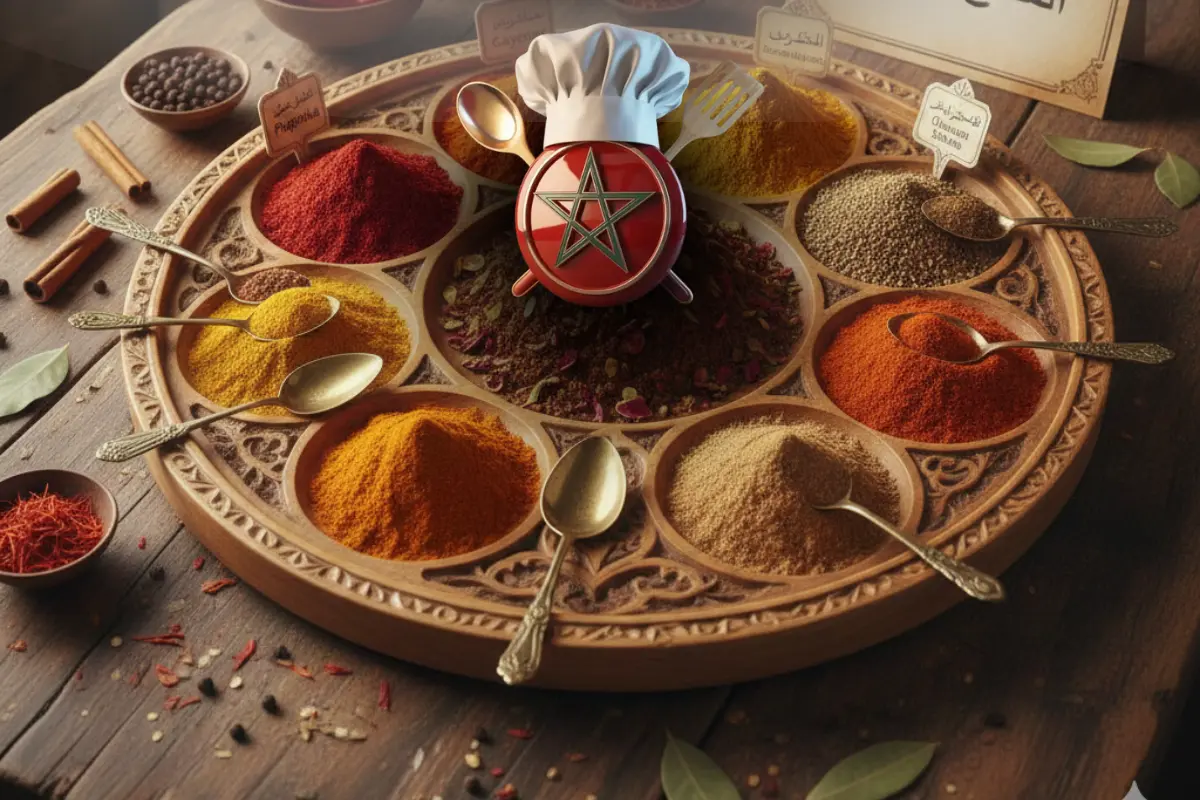
Close your eyes and imagine walking through the spice souks of Marrakech. Mountains of vibrant powders in every shade—crimson paprika, golden turmeric, deep brown cumin—rise in perfect pyramids. The air itself is intoxicating: warm cinnamon mingles with peppery ginger, sweet coriander dances with earthy cumin, and the unmistakable floral notes of saffron float above it all.
This is the aromatic heart of Moroccan cooking. While other cuisines might rely on fresh herbs, butter, or cream for flavor, Moroccan food speaks through spices. They're not just seasoning—they're the foundation, the architecture, the soul of every dish.
But here's the problem: walk into a Western supermarket's spice aisle with a Moroccan recipe, and you're immediately overwhelmed. What exactly is ras el hanout? Can you substitute paprika for sweet paprika? Is that jar of "Moroccan seasoning" authentic? And why do some recipes call for both cinnamon and ginger in the same dish?
This comprehensive guide eliminates the confusion. You'll learn the 15 essential spices every Moroccan cook depends on, what each one does, how to use it, how to buy quality versions, and how to store them properly. We'll decode ras el hanout, teach you to make authentic spice blends, and explain which spices go in which dishes.
Whether you're a complete beginner buying your first spices or an experienced cook wanting to deepen your knowledge, this is your complete education in Moroccan spice mastery.

Understanding Moroccan Spice Philosophy
How Moroccan Spices Differ from Other Cuisines
🌶️ The Moroccan Approach:
| Characteristic | Moroccan Cooking | Many Other Cuisines |
|---|---|---|
| Heat Level | Aromatic, not spicy-hot | Often relies on chili heat |
| Sweet + Savory | Regularly combined (cinnamon in tagines!) | Kept separate |
| Complexity | Layered blends (10-40 spices) | Often simpler (2-5 spices) |
| Toasting | Sometimes toasted, often not | Usually toasted first |
| Fresh vs Ground | Mostly ground, some whole | Varies widely |
| Purpose | Warmth, depth, balance | Varies by cuisine |
The Four Spice Categories in Moroccan Cooking
🎨 Understanding Spice Roles:
1. Warming Spices (دافئة): Cinnamon, ginger, nutmeg, cardamom
→ Add sweetness, depth, comfort. Used in both sweet and savory.
2. Earthy Spices (ترابية): Cumin, coriander, turmeric
→ Provide base notes, earthiness, color. The foundation of most dishes.
3. Aromatic Spices (عطرية): Saffron, rose, anise, fennel
→ Add floral, luxurious notes. Used sparingly for special occasions.
4. Peppery Spices (حارة): Black pepper, white pepper, cayenne (rare!)
→ Add subtle heat and bite. Used conservatively—Morocco isn't about burning heat.
The 15 Essential Moroccan Spices
1. Ras el Hanout (رأس الحانوت) - "Head of the Shop"

What it is: Morocco's signature spice blend, containing anywhere from 12 to 40+ different spices. The name means "head of the shop"—literally the best spices a merchant has to offer.
Flavor profile: Warm, complex, slightly sweet, aromatic, with layers of flavor that reveal themselves as you eat.
🔍 What's Actually In It:
Essential base (always present):
- Cumin, coriander, ginger, turmeric, cinnamon, black pepper, cardamom, nutmeg, cloves
Common additions:
- Paprika, allspice, mace, fenugreek, anise, fennel, rose petals, lavender
Luxury additions (expensive blends):
- Saffron threads, grains of paradise, long pepper, cubeb pepper
Note: Every spice merchant has their own secret recipe! No two are exactly alike.
📝 How to Use Ras el Hanout:
| Dish | Amount (per 4 servings) | When to Add |
|---|---|---|
| Tagines (meat) | 2-3 tsp | Early, when browning meat |
| Couscous | 2 tsp | In the broth or rubbed on vegetables |
| Kefta (meatballs) | 1-2 tsp | Mixed into raw meat |
| Roasted vegetables | 1 tsp per lb vegetables | Toss before roasting |
| Rice/grain dishes | 1 tsp | Bloom in oil before adding grains |
🌟 Authentic Ras el Hanout Recipe (Make Your Own!)
Makes about 1/2 cup
| Spice | Amount |
|---|---|
| Ground cumin | 2 tbsp |
| Ground coriander | 2 tbsp |
| Ground ginger | 2 tbsp |
| Ground turmeric | 1 tbsp |
| Ground cinnamon | 1 tbsp |
| Sweet paprika | 1 tbsp |
| Black pepper | 1 tbsp |
| Ground cardamom | 1 tsp |
| Ground nutmeg | 1 tsp |
| Ground cloves | 1/2 tsp |
| Ground allspice | 1/2 tsp |
| Cayenne pepper | 1/4 tsp (optional) |
| Saffron threads, crushed | Large pinch (optional, for luxury blend) |
Instructions: Mix all spices in bowl. Store in airtight jar. Let sit 24 hours before using (flavors meld).
Shelf life: 3-4 months for peak flavor, 6 months acceptable
2. Cumin (كمون) - The Everyday Essential
What it is: The most frequently used spice in Moroccan cooking. If a dish has spices, it probably has cumin.
Flavor profile: Earthy, slightly bitter, warm, nutty. The backbone of Moroccan flavor.
📝 How Moroccans Use Cumin:
- Ground cumin: Added to tagines, kefta, harira, couscous—basically everything
- Whole cumin seeds: Toasted and sprinkled on bread, salads, or used in spice blends
- Cumin salt: Mix ground cumin with salt, serve with mechoui (roasted meat)
- Finishing touch: Sprinkled on bissara, salads, grilled meats
💡 Pro Tips:
- Toast it: For deeper flavor, toast whole cumin seeds in dry pan 2-3 min, then grind
- Don't burn it: Cumin turns bitter when burned. Add to oil/onions, stir constantly
- Quantity: Moroccan cooking uses MORE cumin than you think. Don't be shy—2 tsp for 4 servings is normal
- Whole vs ground: Ground for cooking, whole for garnish/texture
3. Ginger (زنجبيل) - The Warming Soul
What it is: Ground dried ginger (not fresh ginger root—that's different!)
Flavor profile: Warm, slightly sweet, peppery, with a gentle heat
📝 How It's Used:
- In harira: Essential! Gives warmth without spiciness (1-2 tsp per pot)
- In tagines: Especially with chicken and vegetables (1 tsp per dish)
- In sweets: Chebakia, sellou, ghriba cookies
- In tea: Fresh ginger root is boiled for medicinal tea
4. Turmeric (خرقوم) - The Golden Healer
What it is: Bright yellow-orange ground spice from the turmeric root
Flavor profile: Earthy, slightly bitter, warm, peppery
📝 Role in Moroccan Cooking:
- Color: Gives harira, tagines, couscous that golden-yellow color
- Earthiness: Adds depth to spice blends
- Health: Moroccans value it for anti-inflammatory properties
- Amount: Used moderately (1/2 to 1 tsp per dish)—too much tastes bitter and medicinal
💡 Moroccan Turmeric Tips:
- Always pair with black pepper: Pepper increases turmeric absorption by 2000%!
- Stains everything: Be careful! Yellow stains on hands, clothes, countertops are permanent
- Bloom in fat: Fry turmeric in oil/butter 30 seconds before adding liquids (enhances flavor)
- Not a saffron substitute: Despite the color, turmeric cannot replace saffron's unique flavor

5. Cinnamon (قرفة) - The Sweet-Savory Bridge
What it is: Ground bark from cinnamon trees. Morocco uses true cinnamon (Ceylon), not cassia.
Flavor profile: Sweet, warm, woody, slightly spicy
📝 Unique Moroccan Uses:
- In savory tagines: Especially lamb with prunes, chicken with almonds (1/2 tsp)
- In harira: A cinnamon stick simmers in the soup
- Sweet couscous (seffa): Heavily dusted on top with powdered sugar
- On fresh fruit: Oranges with cinnamon is a classic dessert
- In pastries: Chebakia, briouats, kaab el ghazal
6. Paprika (فلفلة حلوة) - The Color & Sweetness
What it is: Ground dried red peppers. Morocco uses SWEET paprika, not hot or smoked!
Flavor profile: Mild, slightly sweet, fruity, with no heat
⚠️ CRITICAL: Sweet Paprika Only!
When Moroccan recipes say "paprika," they mean sweet paprika (Hungarian sweet paprika).
NOT hot paprika ❌
NOT smoked paprika ❌
NOT Spanish pimentón ❌
Using the wrong kind changes the entire dish! Moroccan food is aromatic, not spicy-hot.
📝 How It's Used:
- Color: Gives tagines, kefta, chermoula that beautiful red color
- Mild flavor: Adds sweetness without overpowering (2 tsp per dish is common)
- Harira: Essential for color and subtle sweetness
- Marinades: Key ingredient in chermoula
7. Saffron (زعفران) - Liquid Gold

What it is: Dried stigmas of crocus flowers. Takes 150,000 flowers to make 1kg of saffron!
Flavor profile: Floral, honey-like, slightly earthy, metallic, with bitter notes. Unmistakable.
Price: $500-$5,000 per kg ($5-$15 per gram). Yes, really.
📝 When Moroccans Use Saffron:
- Special occasion tagines: Weddings, holidays, celebrations
- Chicken with preserved lemons: The classic pairing
- Couscous broth: For Friday couscous or special meals
- Pastilla: In the almond filling
- Not daily cooking: Too expensive! Save for important meals
💡 How to Prepare Saffron:
- Crush 10-15 threads in mortar & pestle (or between fingers)
- Add to 2 tbsp warm water or milk
- Let steep 10-15 minutes until water is golden
- Add the liquid AND threads to your dish
Never: Add dry threads directly to dish (flavor doesn't develop!)
8. Black Pepper (إبزار) - The Subtle Heat
What it is: Whole black peppercorns, usually ground fresh
Flavor profile: Sharp, pungent, with pine and citrus notes
📝 Moroccan Pepper Philosophy:
Unlike many cuisines, Moroccan cooking uses pepper moderately. It's there for subtle warmth and to enhance other spices, not to dominate.
Used in: Nearly every savory dish (1/2 to 1 tsp per dish)
Form: Usually freshly ground
Tip: Add at the end of cooking for brighter flavor, or at the beginning for integrated warmth
9. Coriander Seeds (كزبرة) - The Citrus Note
What it is: Dried seeds of the cilantro/coriander plant (NOT the fresh herb!)
Flavor profile: Lemony, floral, slightly sweet, warm
📝 How It's Different from Cilantro:
Fresh cilantro leaves (قزبر): Herbal, grassy, used as finishing herb
Dried coriander seeds (كزبرة): Citrusy, sweet, used as spice
They taste COMPLETELY different! One cannot substitute for the other.
Used in: Ras el hanout, chermoula, kefta, tagines (1-2 tsp ground)
10. Cardamom (حب الهال) - The Exotic Touch
What it is: Small green pods containing aromatic black seeds
Flavor profile: Intensely aromatic, sweet, floral, with eucalyptus and mint notes
📝 Moroccan Uses:
- In ras el hanout: One of the key aromatic notes
- In coffee: A few crushed pods in traditional coffee
- In sweets: Ghriba cookies, special occasion pastries
- In tea: Occasionally added to mint tea
Amount: Use sparingly! 1/4 tsp ground cardamom is usually enough
11. Nutmeg (جوزة الطيب) - Warm Complexity
What it is: Hard seed from nutmeg tree, usually sold ground
Flavor profile: Warm, sweet, nutty, slightly peppery
📝 In Moroccan Cooking:
- Ras el hanout: Small but important component
- Bastilla: In the almond filling with cinnamon
- Bechamel: For Moroccan-French fusion dishes
- Amount: Very small quantities (1/4 tsp or less)—too much is overpowering
Pro tip: Buy whole nutmeg and grate fresh with microplane for best flavor!
12. Anise Seeds (حبة حلاوة) - The Sweet Licorice
What it is: Small seeds with distinct licorice flavor
Flavor profile: Sweet, licorice-like, slightly bitter
📝 Unique Moroccan Uses:
- Chebakia: Essential spice in the dough
- Sellou: Adds aromatic sweetness
- Tea: Boiled with water for digestive tea
- Ras el hanout: Sometimes included for complexity
13. Cloves (قرنفل) - The Penetrating Spice
What it is: Dried flower buds, intensely aromatic
Flavor profile: Strong, pungent, warm, slightly bitter, numbing
⚠️ Use Extremely Sparingly!
Cloves are POTENT. In Moroccan cooking:
- Ras el hanout: 1/4 to 1/2 tsp in entire blend
- Tagines: 1-2 whole cloves max (remove before serving)
- Orange salad: 1 clove studded in orange peel for steeping
Warning: Too much cloves ruins a dish—tastes medicinal and overwhelming!
14. Fenugreek (الحلبة) - The Unique One
What it is: Small, hard, amber-colored seeds with maple-like aroma
Flavor profile: Slightly bitter, sweet, maple syrup-like when cooked
📝 Very Specific Uses:
- Rfissa: THE signature dish for fenugreek. Cannot make authentic rfissa without it!
- Medicinal: Traditionally given to new mothers (promotes milk production)
- Not common: Unlike other spices, fenugreek is only used in specific dishes
Buy only if: You're making rfissa or traditional postpartum dishes
15. Cayenne Pepper (فلفل أحمر حار) - The Rare Heat
What it is: Ground dried hot chili peppers
Flavor profile: HOT, spicy, sharp
⚠️ Important Truth About Moroccan Food & Heat:
Moroccan cuisine is NOT spicy hot! Cayenne is used rarely and sparingly:
- Harissa: Hot chili paste served ON THE SIDE (not in the dish!)
- Occasional tagines: 1/4 tsp max for subtle warmth
- Personal preference: Some families add a pinch
If a recipe calls for more than 1/2 tsp cayenne for 6 servings, it's probably not authentic Moroccan!

Essential Moroccan Spice Blends
Beyond Ras el Hanout: Other Important Blends
1. Chermoula Spice Base
Used for: Fish, seafood, grilled meats, marinades
Spice components (blend with herbs & oil):
- 2 tsp cumin
- 2 tsp paprika
- 1 tsp coriander
- 1/2 tsp cayenne (optional)
+ fresh cilantro, parsley, garlic, lemon, olive oil
2. Cumin Salt (ملح الكمون)
Used for: Finishing salt for grilled meats, roasted lamb, vegetables
Recipe:
- 3 tbsp ground cumin
- 1 tbsp coarse sea salt
Mix and serve in small bowl alongside mechoui
3. Sweet Spice Mix (for desserts)
Used for: Chebakia, ghriba, sweet couscous, orange salad
Recipe:
- 3 tbsp ground cinnamon
- 1 tbsp ground anise
- 1 tsp ground ginger
- 1/2 tsp nutmeg
4. Kefta Spice Mix
Used for: Ground meat dishes, meatballs, kebabs
Recipe:
- 2 tbsp cumin
- 2 tbsp paprika
- 1 tbsp coriander
- 1 tsp black pepper
- 1/2 tsp cinnamon (optional)
Spice Storage & Freshness Guide
How to Store Spices Properly
🏺 The Rules of Spice Storage:
| Factor | ✅ Do This | ❌ Not This |
|---|---|---|
| Container | Glass jars with tight lids | Original plastic bags, open containers |
| Location | Cool, dark cabinet away from stove | Above the stove, in sunlight, near heat |
| Light | Total darkness when stored | Clear containers in light |
| Moisture | Completely dry, don't use wet spoons! | Humid environments, near sink |
| Organization | Labeled with date purchased | No labels, no dates |
Shelf Life Guide
| Spice Form | Peak Flavor | Still Usable | Signs It's Dead |
|---|---|---|---|
| Whole spices | 2-3 years | 3-4 years | No aroma when crushed |
| Ground spices | 6 months | 1 year | Faded color, no smell |
| Saffron | 2 years | 3 years | Lost red color, no aroma |
| Blends (ras el hanout) | 3 months | 6 months | Smells dusty, not aromatic |
🧪 Test Spice Freshness:
- Rub test: Rub a pinch between fingers. Should be very aromatic.
- Color test: Vibrant color = fresh. Faded = old.
- Oil test: Heat a pinch in oil. Should sizzle and smell amazing immediately.
- Taste test: Tiny taste should be potent. Bland = expired.
Buying Guide: Where & What to Buy
Where to Buy Quality Moroccan Spices
Recommended Brands
📦 Trusted Spice Brands:
For authentic Moroccan blends:
- Épices du Cru (ras el hanout)
- Zamouri Spices (Moroccan-owned)
- Mymoune (French-Moroccan)
For single spices:
- Burlap & Barrel (ethical sourcing)
- Diaspora Co. (exceptional quality)
- Kalustyan's (huge selection)
- Simply Organic (acceptable basics)
Avoid: Generic "Moroccan seasoning" at regular grocery stores (usually just paprika, cumin, salt with barely any complexity)
Starter Kit: Essential Purchases
🎯 If You're Just Starting Out:
Must-Have Tier ($50-70 total):
- Ras el hanout (quality blend) - $12
- Ground cumin - $5
- Ground ginger - $5
- Ground turmeric - $4
- Sweet paprika - $5
- Ground cinnamon - $5
- Black peppercorns - $6
- Cinnamon sticks (small pack) - $8
Second Tier (add when ready - $40-60):
- Saffron threads (1g) - $8-12
- Ground coriander - $5
- Ground cardamom - $8
- Whole cumin seeds - $5
- Ground nutmeg - $6
- Anise seeds - $5
Advanced Tier (for serious cooking):
- Make your own ras el hanout from individual spices
- Whole cardamom pods
- Whole nutmeg + grater
- Fenugreek seeds (for rfissa)
- Premium saffron (Category 1)
Common Mistakes & How to Avoid Them
| ❌ Mistake | Why It's Wrong | ✅ Do This Instead |
|---|---|---|
| Using old, stale spices | No flavor = bland food | Buy small amounts, replace every 6-12 months |
| Storing above the stove | Heat kills flavor compounds | Store in cool, dark cabinet away from heat |
| Using hot paprika instead of sweet | Changes entire flavor profile | Always use sweet paprika unless specified |
| Adding spices at wrong time | Burned = bitter, too late = weak flavor | Bloom in oil early, or add with liquids |
| Using too little | Moroccan food needs generous spicing | Follow recipe amounts—don't be timid! |
| Skipping ras el hanout | It's the soul of many dishes! | Buy quality blend or make your own |
| Substituting fresh ginger for ground | Completely different flavors | Buy ground ginger for Moroccan cooking |
Frequently Asked Questions
Can I substitute X spice for Y spice?
Generally, no. Each spice has a distinct role. However, if you must:
• No cumin? Use coriander (not the same, but similar earthiness)
• No ras el hanout? Mix: 2 parts cumin + 1 part coriander + 1 part ginger + 1/2 part cinnamon
• No saffron? Nothing truly replaces it, but turmeric gives color (not flavor)
• No sweet paprika? Use a tiny bit of tomato paste for color
Why doesn't my food taste authentic even with the right spices?
Common issues:
1. Spices are old/stale - Replace them!
2. Not using enough - Moroccan cooking is generously spiced
3. Wrong timing - Spices need to bloom in oil or cook with liquid
4. Missing key ingredient - Often it's the preserved lemons or specific spice blend
5. Cooking too fast - Flavors need time to develop
Is ras el hanout the same as garam masala?
No! Completely different:
• Ras el hanout: Sweet, aromatic, uses cinnamon heavily, not hot
• Garam masala: More peppery, uses black pepper heavily, different flavor profile
They are NOT interchangeable!
How do I know if my saffron is real?
Real saffron:
• Deep red threads with orange tips
• Releases color slowly in water (10+ minutes)
• Strong, complex aroma
• Costs $5-15 per gram minimum
• Threads are irregular, not uniform
If it colors water instantly bright yellow, it's fake (dyed) or very low quality.
Can I make Moroccan food without expensive saffron?
Absolutely yes! Most everyday Moroccan cooking doesn't use saffron. It's reserved for special occasions. Focus on:
• Quality ras el hanout
• Fresh cumin, ginger, turmeric
• Sweet paprika
These create authentic flavor without saffron's expense!
Should I buy whole spices or ground?
Ideal approach:
• Whole: Cumin seeds, coriander seeds, black peppercorns, cinnamon sticks (last longer)
• Ground: Ginger, turmeric, paprika, ras el hanout (convenience)
• Grind whole spices as needed for maximum freshness and flavor!
Conclusion: Your Spice Journey Begins
Understanding Moroccan spices isn't just about knowing what each one is—it's about understanding the philosophy of Moroccan flavor. It's about warmth without burning heat, complexity without confusion, and balance between sweet and savory that creates magic on the palate.
You don't need all 15 spices right away. Start with the essentials: ras el hanout, cumin, ginger, turmeric, paprika, and cinnamon. These six spices will carry you through 80% of Moroccan recipes. As you cook more, gradually expand your collection.
🎯 Remember These Core Principles:
- Freshness matters: Old spices = bland food. Replace every 6-12 months
- Sweet paprika, always: Not hot, not smoked!
- Generous spicing: Moroccan food needs more spices than you think
- Quality over quantity: One excellent ras el hanout beats 10 mediocre single spices
- Store properly: Cool, dark, airtight = fresh spices that last
- Bloom in oil: Most spices release more flavor when briefly fried
- Trust the blend: Ras el hanout exists for a reason—use it!
🌟 Your Spice Mastery Path:
Week 1: Buy the 6 essential spices, make a simple tagine
Week 2: Experiment with ras el hanout in different dishes
Week 3: Try making your own ras el hanout blend
Month 2: Add saffron, make a special chicken tagine
Month 3: You're cooking authentic Moroccan food confidently!
👵 Grandmother's Spice Wisdom:
"A cook without good spices is like a painter without colors. But remember: it's not about having every spice in the souk—it's about understanding the ones you have. Learn cumin deeply before adding cardamom. Master ras el hanout before experimenting with saffron. The best Moroccan cook isn't the one with the most spices, but the one who knows how to use them with confidence and love."
Download Your Free Spice Resources:
- 📋 Printable Spice Guide (Full Reference Sheet)
- 🛒 Spice Shopping Checklist by Priority
- 🏺 Printable Spice Jar Labels (Arabic & English)
- 🌟 Ras el Hanout Recipe Card
- 📖 Emergency Spice Substitution Guide
Share your spice collection! Tag us #MaCookingSpices with photos of your organized spice cabinet!
May your spices be fresh, your tagines aromatic, and your kitchen filled with the warm scents of Morocco.
بالهناء والشفاء - Bel hana ou echifa (With pleasure and healing)