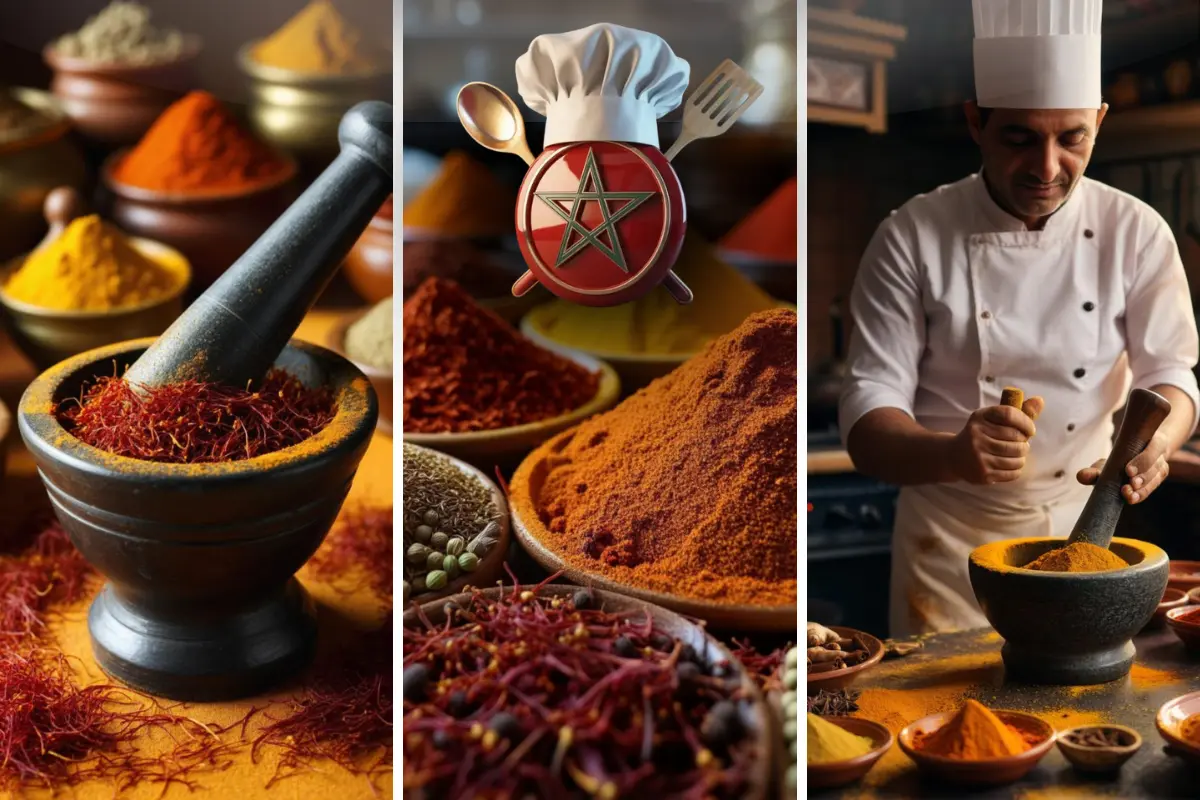
Moroccan Spices: The Soul of the Cuisine
Moroccan cuisine is celebrated worldwide for its bold, aromatic flavors, and at the heart of this culinary tradition lies its extraordinary use of spices. Unlike cuisines that rely heavily on fats or sugars, Moroccan cooking elevates natural ingredients with carefully balanced spice blends that transform simple dishes into unforgettable experiences. From the bustling souks of Marrakech to modern kitchens in America, Moroccan spices are becoming a global symbol of flavor and heritage.
Ras el Hanout: The King of Spice Blends
Perhaps the most famous Moroccan spice blend is ras el hanout, which translates to “head of the shop.” Traditionally, spice merchants would create their own unique blend, often containing 20 or more spices. Common ingredients include cumin, coriander, cinnamon, ginger, turmeric, nutmeg, cardamom, and dried rose petals. Each blend is slightly different, making ras el hanout a signature of Moroccan culinary artistry.
In Moroccan kitchens, ras el hanout is used to season tagines, couscous, grilled meats, and even rice dishes. Its complexity adds depth and warmth, making it one of the most sought-after spice blends in the world.
Saffron: Morocco’s Golden Treasure
Saffron, often called “red gold,” is another cornerstone of Moroccan cooking. Grown in the Taliouine region of southern Morocco, Moroccan saffron is prized for its intense aroma and vibrant color. It is used sparingly due to its high value, but even a few threads can transform a dish. Saffron is essential in festive couscous, chicken tagine with preserved lemons, and traditional Moroccan breads.
Cumin and Coriander: Everyday Essentials
While ras el hanout and saffron are luxurious, everyday Moroccan cooking relies heavily on cumin and coriander. Cumin adds earthiness and depth, while coriander provides a citrusy brightness. Together, they form the backbone of Moroccan spice profiles, appearing in soups, stews, and marinades.
Cinnamon and Ginger: Sweet Meets Savory
Moroccan cuisine is famous for blending sweet and savory flavors, and cinnamon and ginger are key to this balance. Cinnamon is used not only in pastries but also in lamb tagines with prunes, while ginger adds warmth to chicken and vegetable dishes. This harmony of flavors is what makes Moroccan food so distinctive.
Preserved Lemons and Harissa: Flavor Enhancers
Beyond dry spices, Moroccan cooking also relies on unique flavor enhancers. Preserved lemons, made by fermenting lemons in salt and their own juices, add a tangy, umami-rich depth to tagines and salads. Harissa, a chili paste with garlic and spices, brings heat and complexity to couscous and grilled meats. These ingredients are increasingly popular in American kitchens, where they are used to elevate everyday dishes.
Spices in Moroccan Hospitality
Spices are not just about flavor—they are symbols of Moroccan hospitality and culture. A well-seasoned tagine or couscous platter reflects the generosity of the host. During celebrations such as weddings, Eid, or family gatherings, spices play a central role in creating dishes that honor tradition and delight guests.
Moroccan Spices in Modern Kitchens
Today, Moroccan spices are crossing borders and inspiring chefs worldwide. In America, ras el hanout is used to season roasted vegetables, saffron is added to risottos, and preserved lemons are incorporated into salad dressings. This fusion of Moroccan tradition with modern cooking trends highlights the adaptability and timelessness of Moroccan flavors.
Conclusion: A Living Heritage
Moroccan spices are more than ingredients—they are a living heritage that connects past and present. They tell stories of trade routes, cultural exchange, and family traditions. For anyone seeking to understand Moroccan cuisine, spices are the perfect starting point. They embody the soul of the food, the warmth of hospitality, and the artistry of a culture that has perfected the balance of flavor for centuries.