Introduction
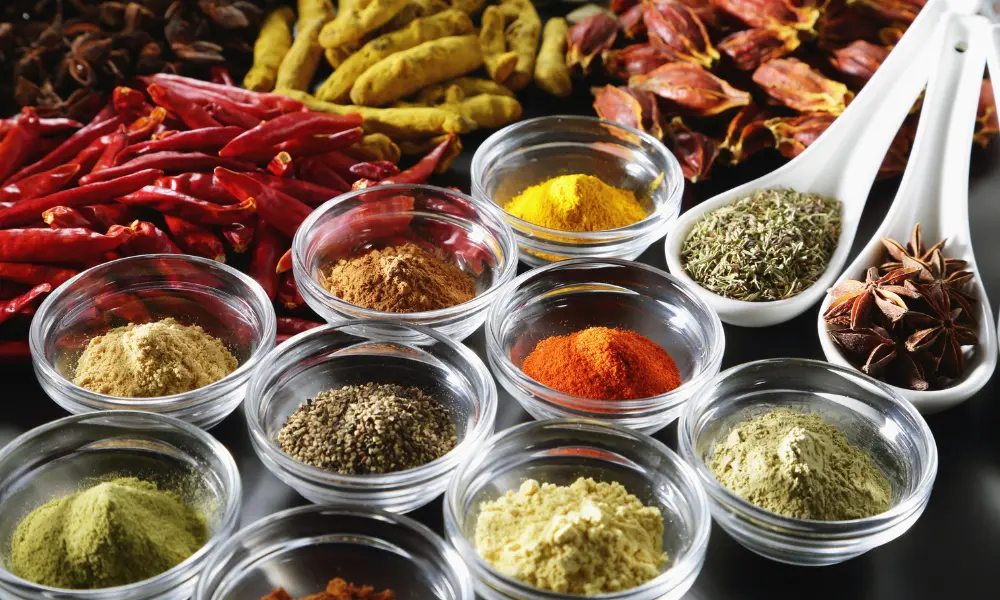
Moroccan cuisine is renowned for its rich, layered flavors — a result of centuries of trade, cultural exchange, and culinary mastery. At the heart of these flavors are Moroccan spices, a perfectly balanced blend of warmth, aroma, and intensity. From the bustling souks of Marrakech to the humble kitchens of the Atlas Mountains, spices are what give Moroccan dishes their soul.
This ultimate guide will introduce you to the essential spices of Morocco, their unique characteristics, and the best ways to use them in your cooking.
The Soul of Moroccan Cooking
In Moroccan cuisine, spices are not used to overpower, but to create harmony and depth. Even a simple dish like couscous or tagine relies on the precise combination of spices to bring it to life. The key lies in balance — knowing how to combine earthy, sweet, and floral notes to achieve perfection.
Essential Moroccan Spices
1. Ras El Hanout – The King of Blends
Ras el hanout literally means “head of the shop,” referring to the best spice mix a merchant can craft. The blend typically contains up to 30 different spices, including cardamom, cinnamon, clove, nutmeg, turmeric, and dried rose petals. It’s used in tagines, couscous, and grilled meats.
Pro Tip: Sprinkle ras el hanout into slow-cooked dishes for depth and an authentic Moroccan aroma.
2. Cumin
Cumin is the backbone of Moroccan cooking. Its warm, earthy flavor complements almost every savory dish, from lentil soups to roasted meats. Moroccans often place small dishes of ground cumin and salt on the table as condiments.
Use it in: tagines, salads, harira soup, or with grilled fish.
3. Turmeric
Known for its golden hue and subtle taste, turmeric adds both color and mild aroma to Moroccan stews. It’s also a natural anti-inflammatory spice with health benefits that extend beyond flavor.
Use it in: chicken tagine with preserved lemon or vegetable couscous.
4. Ginger
Ground ginger adds mild heat and brightness to Moroccan dishes, balancing the richness of meats and sweetness of dried fruits. It’s a must-have for traditional tagines.
Use it in: chicken tagine, lentil soups, and beef stews.
5. Paprika
Sweet or smoked, paprika gives Moroccan marinades their distinct red hue. It pairs beautifully with cumin and garlic, especially in fish dishes and chermoula sauces.
Use it in: seafood tagines, roasted vegetables, or kefta (spiced meatballs).
6. Cinnamon
Cinnamon is essential for both sweet and savory Moroccan cooking. It’s what gives pastilla its exotic sweetness and lends warmth to lamb tagines with prunes or apricots.
Use it in: meat tagines, pastries, and mint tea infusions.
7. Saffron
Often called “red gold,” saffron is the world’s most precious spice. Moroccan saffron, particularly from Taliouine, is prized for its intense aroma and golden coloring. A few threads go a long way.
Use it in: seafood tagines, couscous, or in tea for a luxurious touch.
8. Coriander and Parsley Seeds
Coriander seeds add citrusy brightness and pair well with cumin, while parsley seeds contribute mild herby hints. These spices are often ground fresh in traditional kitchens before use.
Use them in: spice rubs, lentil stews, and marinades.
How to Blend and Use Moroccan Spices
Moroccan cooking is all about instinct. Spices are mixed by touch, smell, and memory — not by strict measurement. However, understanding the principles of balance will help you master Moroccan flavor at home:
- Sweet notes: cinnamon, nutmeg, allspice
- Earthy notes: cumin, turmeric, paprika
- Floral notes: saffron, coriander
- Spicy notes: ginger, pepper, chili
The secret to authentic flavor lies in layering — toast your whole spices lightly before grinding to release their essential oils and intensify aroma.
DIY Moroccan Spice Blend (Ras El Hanout Recipe)
Try this simple home version of ras el hanout for your next Moroccan dish:
- 1 tbsp ground cumin
- 1 tbsp ground coriander
- 1 tbsp paprika
- 1 tsp ground cinnamon
- 1 tsp ground ginger
- ½ tsp turmeric
- ¼ tsp nutmeg
- ¼ tsp black pepper
Mix all ingredients and store in an airtight jar. This blend works beautifully in tagines, stews, and roasted vegetables.
Health Benefits of Moroccan Spices
- Anti-inflammatory: turmeric, ginger, and saffron support digestion and immunity.
- Antioxidant-rich: cinnamon and paprika protect against oxidative stress.
- Digestive aid: cumin and coriander help soothe the stomach after hearty meals.
Storage Tips
To preserve freshness, keep spices in airtight containers away from sunlight and humidity. Whole spices retain their potency longer than ground ones, so grind them just before use for maximum fragrance.
Conclusion
Mastering Moroccan spices is the key to understanding Morocco’s culinary soul. Each spice tells a story of trade routes, history, and tradition — and when combined, they create the unforgettable symphony of Moroccan flavor. Whether you're cooking a tagine, seasoning couscous, or experimenting with fusion dishes, these spices will transport your kitchen straight to Marrakech.
Take your time, trust your senses, and embrace the art of Moroccan seasoning — because every dish begins with a pinch of magic.