Introduction
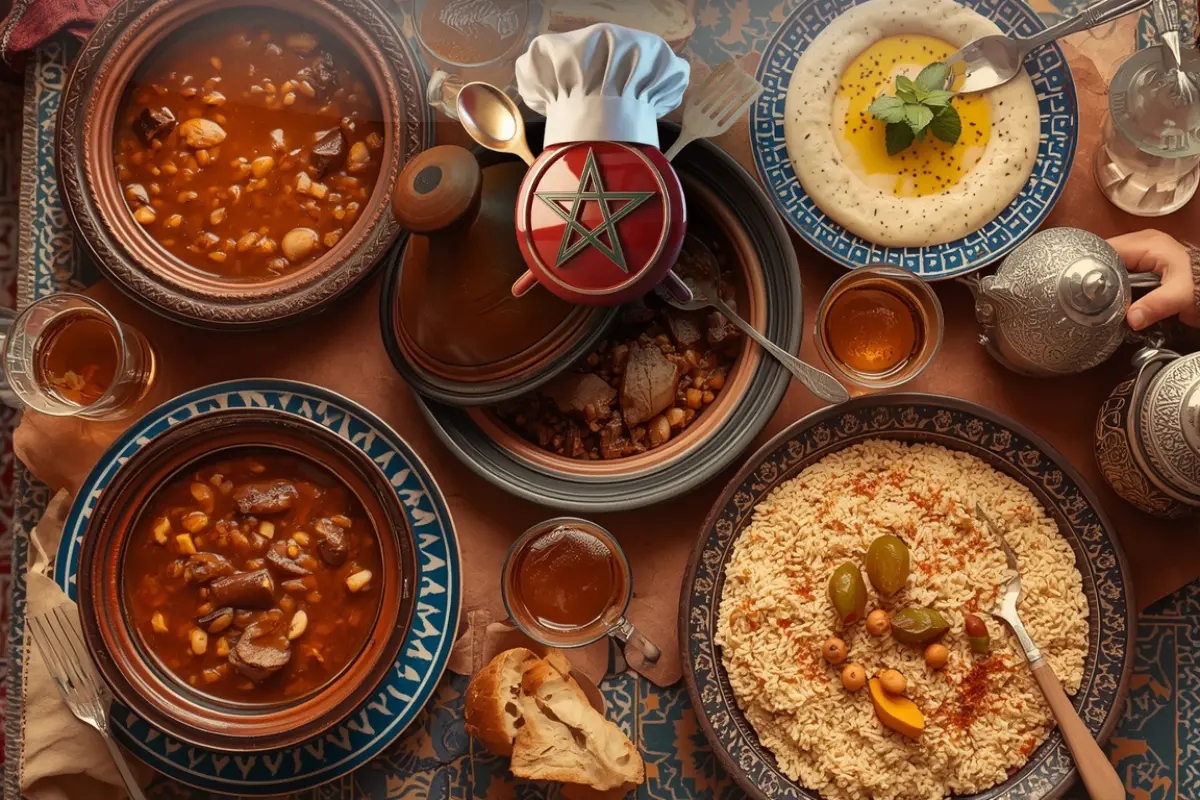
When temperatures drop and the streets of Morocco grow quieter in the evenings, Moroccan kitchens come to life. Pots simmer slowly over low heat, the smell of spices fills the air, and families gather around steaming dishes that warm both body and soul. Moroccan winter food is all about comfort: thick stews, rich soups, and fragrant tajines that make the cold season feel cozy and inviting.
This article explores the most popular Moroccan dishes eaten during cold days—what they are, how they are prepared in broad strokes, and why they hold such a special place in Moroccan homes.
The Role of Food in Moroccan Winter
In Morocco, winter is more than just a change of weather; it is a shift in the rhythm of daily life. People spend more time indoors, tea glasses remain constantly full, and heavy, nourishing meals replace the lighter dishes of summer. Traditional winter dishes are designed to:
- Provide warmth through slow-cooked broths and hot spices.
- Offer nourishment with beans, lentils, and vegetables.
- Encourage togetherness, as many dishes are served in shared platters placed at the center of the table.
From the bustling medinas of Fes and Marrakech to small villages in the Atlas Mountains, certain dishes appear on almost every table once the air turns cold.
Harira: The Classic Warming Soup
Harira is one of the most famous Moroccan soups and a beloved dish on chilly days. Although it is especially known as the soup of Ramadan, many Moroccan families prepare it throughout winter because of its rich texture and deep, comforting flavor.
What Is Harira?
Harira is a tomato-based soup enriched with:
- Lentils and chickpeas for protein and fiber
- Small pieces of meat (usually lamb or beef), though vegetarian versions are common
- Fine vermicelli or rice
- Fresh herbs such as cilantro and parsley
- Warm spices like ginger, turmeric, and pepper
The soup is thickened with a flour mixture called tedouira, which gives harira its characteristic silky consistency.
Why It Is Perfect for Cold Days
Harira is filling enough to serve as a complete meal, especially when accompanied by khobz (traditional bread), chebakia (sesame pastries), or simple boiled eggs. Its combination of legumes, meat, and herbs makes it both nutritious and deeply satisfying—exactly what people crave on a cold day.
Loubia: White Bean Stew Full of Comfort
Loubia is a hearty white bean stew that appears in many Moroccan homes and street-food stalls during winter. It is simple, economical, and incredibly comforting.
Main Ingredients
- White beans, soaked and slowly cooked
- Tomatoes, fresh or in paste form
- Garlic and onions for depth of flavor
- Olive oil
- Spices such as paprika, cumin, turmeric, and sometimes chili for heat
Some families add small pieces of meat for extra richness, but the dish is often prepared vegetarian and still feels hearty.
How Moroccans Enjoy Loubia in Winter
Loubia is usually served in deep bowls, drizzled with olive oil and eaten with fresh crusty bread. It is common to find it bubbling away in large metal pots at local eateries, where it is ladled into bowls for workers taking a quick, warming lunch. The combination of beans and warm spices makes it one of the most beloved winter comfort foods across the country.
Bissara: The Humble Fava Bean Purée
On especially cold mornings in cities like Fes, Tangier, or Chefchaouen, you will often see people standing around street stalls, holding steaming bowls of bissara—a silky, thick purée made from dried fava beans.
What Is Bissara?
Bissara is a simple but powerful dish consisting mainly of:
- Dried fava beans, cooked until soft and blended
- Garlic, added generously
- Olive oil, both in the purée and drizzled on top
- Cumin and paprika sprinkled just before serving
It is usually served very hot, often in clay bowls, with bread used as the only utensil.
Why Bissara Is a Winter Favorite
Bissara is especially popular in the northern regions of Morocco, where winters can be damp and chilly. Its thick, creamy texture and high protein content make it a powerful breakfast or lunch for workers and students. The warmth from the garlic and spices, combined with the richness of the olive oil, turns this simple dish into a deeply satisfying winter staple.
Moroccan Tajines: Slow Heat for Cold Evenings
No discussion of Moroccan winter dishes would be complete without mentioning the famous tajine. While tajines are eaten throughout the year, certain combinations are particularly loved in cold weather because of their comforting, rich sauces and slow-cooked textures.
What Is a Tajine?
A tajine is both the name of the clay cooking vessel and the dish prepared in it. The conical lid traps steam and returns it to the food, creating tender meat and intense flavors without much liquid. Tajines are usually cooked slowly over charcoal or low gas flames.
Popular Winter Tajines
- Beef or lamb with prunes and almonds: A sweet-and-savory tajine made with meat, dried prunes, toasted almonds, onions, cinnamon, ginger, and sometimes sesame seeds. The rich sauce and soft prunes make it ideal for cold festive evenings and family gatherings.
- Chicken with preserved lemons and olives: While eaten in all seasons, this tajine feels especially comforting in winter thanks to its fragrant sauce of garlic, saffron, ginger, and the brightness of preserved lemons.
- Vegetable tajine: Layers of potatoes, carrots, zucchini, peas, and sometimes pumpkin or turnip, cooked with tomatoes, onions, and a mixture of warming spices. This is a popular option for those who prefer a lighter, meat-free dish that is still hot and satisfying.
Served straight from the clay pot to the center of the table, tajines embody the spirit of sharing and togetherness that defines Moroccan winter meals.
Couscous with Vegetables and Broth
Although couscous is traditionally associated with Fridays and special occasions, it is also closely linked to colder days, especially when prepared with a rich, steaming broth.
What Makes Winter Couscous Special?
Classic Moroccan couscous features:
- Steamed semolina grains, light and fluffy
- Root vegetables such as carrots, turnips, pumpkin, and potatoes
- Chickpeas for extra texture and nutrition
- Meat or chicken, slow-cooked in a spiced broth
The dish is served with plenty of hot broth poured over the top or served on the side, allowing each person to add as much warmth as they want.
Couscous as a Social Winter Meal
In many Moroccan families, winter Fridays are unthinkable without couscous. Relatives come together, children sit around the large shared platter, and everyone eats from the same dish. The combination of hot steam, soft grains, and tender vegetables creates a sense of comfort that goes beyond physical warmth.
Chorba and Other Regional Soups
Besides harira and bissara, Morocco is home to a variety of warming soups that are especially popular during cold months.
Chorba
Chorba is a light but flavorful broth commonly prepared with:
- Small pieces of meat or chicken
- Vermicelli or small pasta
- Onions, tomatoes, and celery
- Herbs and spices like cilantro, parsley, and pepper
It is often served as a starter before main dishes or consumed on its own for a simple winter dinner.
Other Local Specialties
- Barley soup flavored with milk or buttermilk in rural areas, providing energy and warmth for people working outdoors.
- Vegetable broths prepared with seasonal produce, offering a lighter alternative to heavier stews and tajines.
These soups highlight the regional diversity of Moroccan cuisine and show how each area adapts to its own climate and local ingredients.
Sweet Winter Treats and Hot Drinks
Winter comfort in Morocco is not only about main dishes. Desserts and hot drinks also play a vital role in creating a feeling of coziness during the cold season.
Sellou and Other Energy-Rich Sweets
Some families prepare sellou (also called sfouf), a rich mixture of toasted flour, almonds, sesame seeds, butter, and honey. Though commonly linked to celebrations, a small bowl of sellou with tea provides both warmth and energy on cold days.
Moroccan Mint Tea and More
Moroccan mint tea remains a constant presence in winter, but people may brew it a bit stronger and serve it extra hot. In some regions, other herbs like wormwood (chiba) are added for a more intense, warming flavor. Coffee, spiced milk, and herbal infusions are also enjoyed in the evenings as families gather around the heater or brazier.
Cultural Significance of Winter Dishes
Beyond their ingredients, Moroccan winter dishes express important cultural values:
- Hospitality: Guests are rarely allowed to leave without being offered hot tea, soup, or at least bread with olive oil and honey.
- Sharing: Most dishes are served in large communal platters, reinforcing the idea that food—and warmth—are meant to be shared.
- Respect for tradition: Many recipes are passed down from mothers and grandmothers, keeping culinary heritage alive even as lifestyles change.
In this way, winter food becomes a way of preserving identity and strengthening family bonds.
Conclusion
From thick bowls of harira and bissara to slow-cooked tajines and fragrant couscous, Moroccan winter cuisine offers a rich palette of flavors designed to fight the cold and bring people together. These dishes are not only delicious; they are deeply connected to memory, hospitality, and community.
Whether you are walking through a Moroccan medina on a rainy day or cooking at home in your own kitchen, exploring these Moroccan winter favorites is an invitation to experience warmth in its most comforting form: a hot dish shared with others.