Introduction: Moroccan Cuisine in the American Market
Moroccan cuisine has become one of the most exciting global food trends in the United States. Known for its bold spices, sweet-and-savory combinations, and communal dining traditions, Moroccan food is increasingly featured in restaurants, food festivals, and home kitchens across America. Americans are drawn to its authenticity, health benefits, and cultural richness, making Moroccan dishes some of the most requested international foods today.
Top Moroccan Dishes Requested in the USA
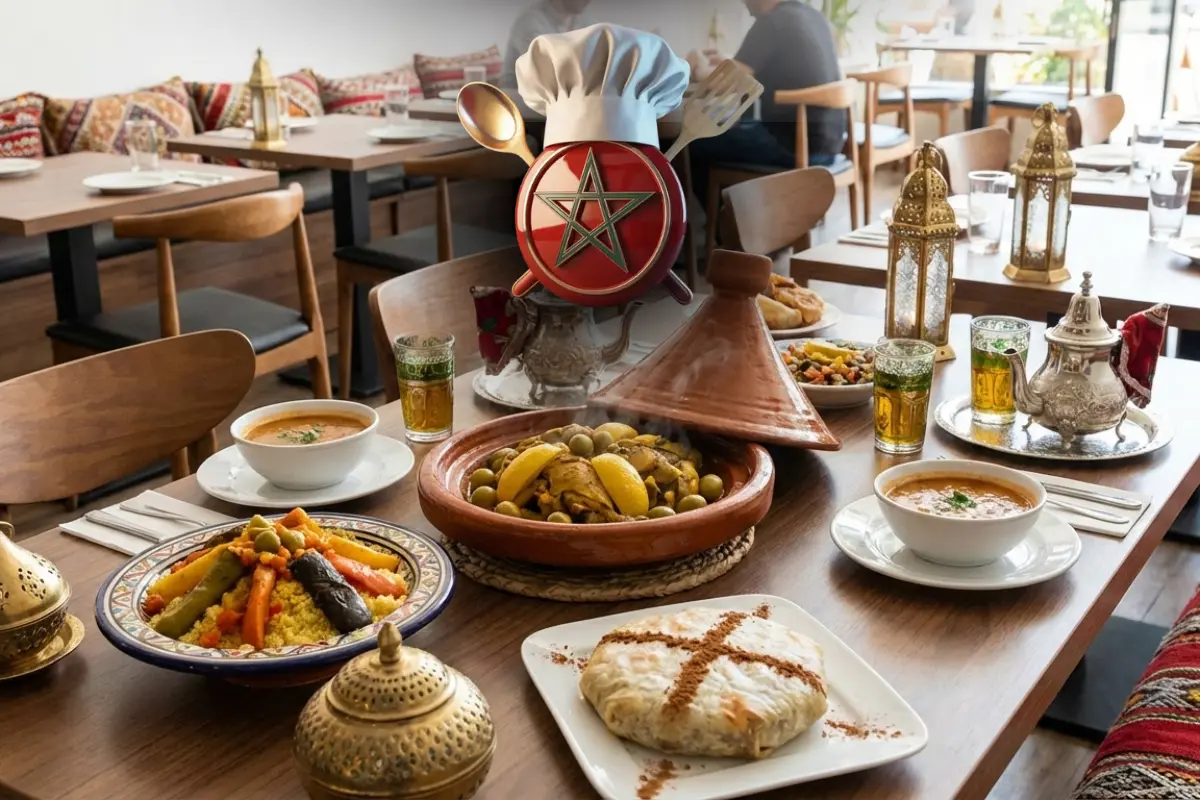
- Tagine: The iconic Moroccan stew cooked in a conical clay pot is highly popular. Versions like chicken with preserved lemons and lamb with prunes are favorites in American restaurants.
- Couscous: Recognized by UNESCO as part of humanity’s intangible cultural heritage, couscous is widely requested in the U.S. Its adaptability makes it a staple in both traditional and modern fusion dishes.
- Pastilla: A flaky pie combining poultry, almonds, and cinnamon, pastilla is admired for its unique balance of sweet and savory flavors, often featured in fine dining menus.
- Harira: Morocco’s national soup, made with tomatoes, lentils, and chickpeas, is appreciated in America for its nutritional value and comforting qualities.
- Street Food: Sfenj (Moroccan doughnuts), briouats (stuffed pastries), and grilled sardines are gaining popularity at food festivals and markets, offering accessible entry points to Moroccan flavors.
Why Americans Love Moroccan Food
Moroccan cuisine aligns with American food trends emphasizing authenticity, health, and global diversity. Its reliance on fresh herbs, legumes, lean meats, and whole spices appeals to health-conscious consumers. Ingredients like turmeric, ginger, saffron, and cinnamon are praised for their medicinal properties, making Moroccan food both flavorful and beneficial.
Moroccan Cuisine in American Restaurants
From New York to Los Angeles, Moroccan restaurants are flourishing. Chefs experiment with Moroccan flavors in innovative ways—tagine-inspired pasta, couscous bowls with sushi-grade fish, and Moroccan-spiced vegan burgers. These adaptations introduce Moroccan cuisine to new audiences while preserving its cultural essence.
Cultural Significance and Hospitality
Moroccan cuisine is inseparable from hospitality. Sharing couscous or pouring mint tea is more than eating—it is a ritual of generosity and community. This cultural depth resonates with American diners, making Moroccan food not just a meal but an experience of connection and identity.
Fusion and Innovation
Global chefs in the U.S. are reimagining Moroccan cuisine, blending it with local traditions. Moroccan spices enrich classic American dishes, couscous bowls are paired with Tex-Mex flavors, and tagine techniques inspire slow-cooked curries. These fusions highlight Moroccan cuisine’s adaptability and universal appeal.
Conclusion: Morocco’s Culinary Victory in America
The rise of Moroccan cuisine in the United States reflects its ability to blend tradition with innovation. From iconic dishes like tagine and couscous to modern fusion creations, Moroccan food is captivating American audiences. Its health benefits, cultural depth, and hospitality make it a powerful ambassador of Moroccan identity. As Moroccan cuisine continues to expand across America, it stands as a culinary victory that unites people through flavor, tradition, and shared experience.