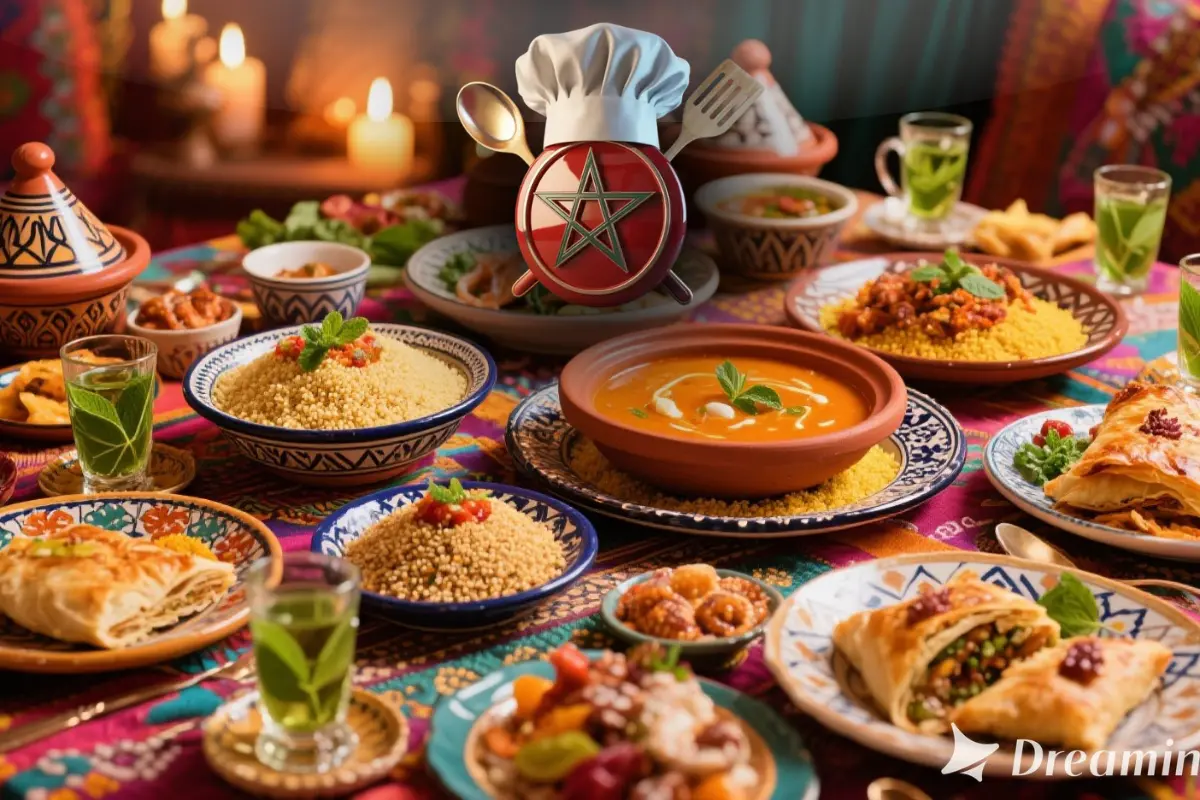
Morocco’s Culinary Journey in 2026
As the world looks to Morocco for cultural inspiration, 2026 offers a unique opportunity to explore its culinary heritage. Moroccan cuisine continues to blend tradition with innovation, making it one of the most exciting food destinations globally. From timeless classics to modern reinterpretations, here are the dishes every visitor should try this year.
Tagine: Eternal Symbol of Moroccan Flavor
The tagine remains Morocco’s most iconic dish. In 2026, chefs are experimenting with new variations, such as lamb with figs, seafood tagines along the coast, and vegan tagines with seasonal vegetables. The slow-cooked flavors continue to embody Moroccan hospitality and patience, making tagine a dish that never goes out of style.
Couscous: Tradition Meets Modernity
Couscous is Morocco’s national dish, traditionally served on Fridays. In 2026, couscous is being reimagined with quinoa blends, roasted vegetables, and lighter broths for health-conscious diners. Yet, the communal spirit of sharing couscous remains unchanged, symbolizing unity and family.
Pastilla: A Celebration of Elegance
Pastilla continues to impress with its sweet and savory balance. While the classic pigeon or chicken pastilla is still beloved, chefs are introducing seafood pastilla and even dessert versions filled with chocolate and almonds. This evolution makes pastilla a dish of celebration and creativity in 2026.
Street Food Adventures
Moroccan street food thrives in 2026, offering fans and travelers authentic bites. From sizzling brochettes and harira soup to sardine sandwiches and sfenj doughnuts, street food reflects Morocco’s vibrant daily life. Food trucks and pop-up stalls are also adding modern twists, making street food more diverse than ever.
Harira: Comfort for All Seasons
Harira, the national soup, remains a staple. In 2026, chefs are enhancing harira with superfoods like kale and chia seeds, while keeping its traditional base of tomatoes, lentils, and chickpeas. It continues to be a dish of comfort and nourishment.
Sweets and Mint Tea: Timeless Hospitality
Moroccan sweets such as Kaab el Ghazal, ghriba, and almond briouats are still essential in 2026. Paired with mint tea, they symbolize Moroccan hospitality. Contemporary patisseries are also experimenting with fusion desserts, blending Moroccan flavors with French techniques.
Regional Specialties in 2026
Each region continues to shine with unique flavors. Fez offers refined Andalusian-inspired dishes, Essaouira highlights seafood, and the Atlas Mountains provide hearty barley and goat stews. In 2026, regional tourism initiatives are spotlighting these specialties, encouraging visitors to explore Morocco’s culinary diversity.
Modern Fusion and Global Influence
Moroccan cuisine in 2026 embraces global influence. Fusion dishes combine Moroccan spices with Asian, Mediterranean, and Latin American techniques. From sushi rolls with harissa to tacos filled with tagine meat, these creations show how Moroccan flavors adapt to modern tastes while preserving authenticity.
Conclusion: A Culinary Future Rooted in Tradition
In 2026, Moroccan cuisine continues to evolve while staying true to its roots. From tagines and couscous to innovative fusion dishes, Morocco offers a culinary journey that blends heritage with modernity. For travelers and locals alike, tasting these dishes is not just about food—it is about experiencing Morocco’s culture, pride, and hospitality in every bite.