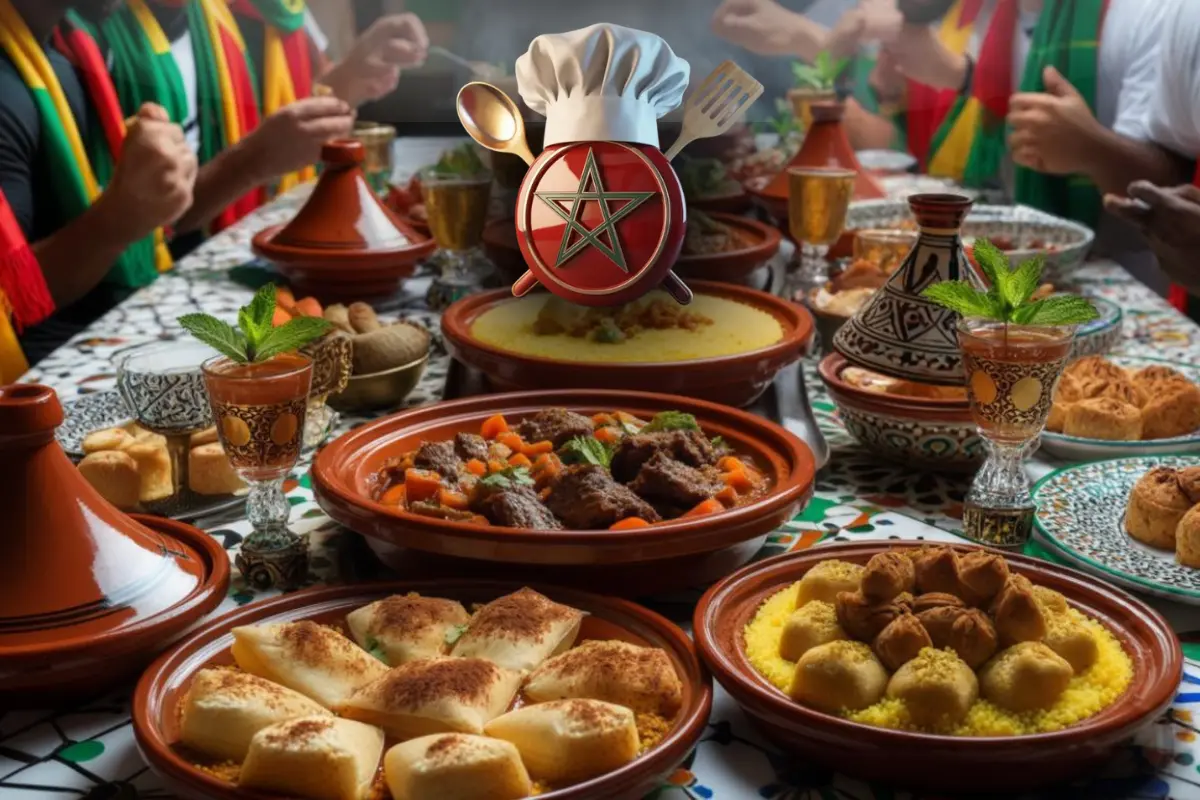
Morocco Welcomes Africa Through Food
As Morocco hosts the prestigious Africa Cup of Nations, fans from across the continent will not only experience thrilling football but also the country’s rich culinary heritage. Moroccan cuisine is a cultural ambassador, offering flavors that reflect centuries of Berber, Arab, Andalusian, and Mediterranean influences. For visitors, tasting Morocco’s iconic dishes is as essential as cheering in the stadiums.
Tagine: The Symbol of Moroccan Cooking
No dish is more representative of Morocco than the tagine. Cooked slowly in a conical clay pot, tagines come in endless variations: lamb with prunes and almonds, chicken with preserved lemons and olives, or vegetarian tagines with chickpeas and seasonal vegetables. The slow simmering process allows spices like cumin, ginger, saffron, and cinnamon to blend into a fragrant sauce. For fans, enjoying a tagine in Marrakech or Casablanca is a culinary highlight that embodies Moroccan hospitality.
Couscous Fridays: A Ritual of Sharing
Couscous is Morocco’s national dish and a must-try for visitors. Traditionally served on Fridays, couscous is steamed to perfection and paired with vegetables, lamb, or chicken. The dish symbolizes family and community, making it a perfect meal for fans gathering together. During the tournament, restaurants across Morocco will serve couscous platters, offering fans a chance to join in this cherished tradition.
Pastilla: Sweet and Savory Elegance
Pastilla, also known as bastilla, is a flaky pie that combines savory and sweet in one dish. Traditionally filled with pigeon or chicken, almonds, and eggs, it is layered with warqa pastry and dusted with cinnamon and powdered sugar. The balance of flavors makes pastilla a unique Moroccan delicacy that fans should not miss. It is often served at weddings and celebrations, making it a perfect dish to enjoy during the festive atmosphere of the Africa Cup.
Street Food Adventures
Moroccan street food offers quick, flavorful bites perfect for football fans exploring the cities. In Jemaa el-Fnaa square in Marrakech, visitors can enjoy grilled brochettes, snail soup, harira (lentil and tomato soup), and freshly fried sfenj doughnuts. Sardine sandwiches along the Atlantic coast are another highlight, showcasing Morocco’s seafood heritage. These affordable and delicious options reflect the vibrancy of Moroccan daily life and are ideal for fans looking for authentic experiences between matches.
Harira: The National Soup
Harira is Morocco’s beloved soup, made with tomatoes, lentils, chickpeas, and spices. Traditionally eaten during Ramadan, it is also enjoyed year-round. For fans visiting Morocco in winter, harira provides warmth and nourishment, often served with dates and chebakia pastries. It is a dish that embodies comfort and tradition.
Moroccan Sweets and Mint Tea
No Moroccan culinary journey is complete without pastries and tea. Fans should try Kaab el Ghazal (gazelle horns), almond briouats, and ghriba cookies. These sweets are often served with Moroccan mint tea, a symbol of hospitality. Sharing tea with locals is an experience that goes beyond taste—it is a cultural ritual of welcome and friendship.
Regional Specialties
Each Moroccan region offers unique dishes that fans can explore. In Fez, traditional stews and refined pastries reflect Andalusian influence. In Essaouira, seafood tagines and grilled fish dominate. In the Atlas Mountains, hearty dishes with barley and goat meat provide warmth and sustenance. Exploring regional specialties allows fans to discover the diversity of Moroccan cuisine and appreciate its deep cultural roots.
Vegetarian and Modern Options
Moroccan cuisine also caters to modern tastes. Vegetarian tagines, lentil soups, and couscous with seasonal vegetables are widely available. Contemporary chefs are reimagining traditional recipes, offering fusion dishes that blend Moroccan flavors with international techniques. Fans looking for lighter meals will find plenty of options without sacrificing authenticity.
Hospitality Beyond the Stadium
Food in Morocco is inseparable from hospitality. Fans attending the Africa Cup of Nations will discover that meals are not just about eating—they are about sharing, connecting, and celebrating. Whether in a family home, a street stall, or a fine restaurant, Moroccan cuisine invites visitors to experience the warmth of its culture.
Conclusion: A Culinary Victory
For fans traveling to Morocco for the Africa Cup of Nations, tasting Moroccan dishes is part of the adventure. From tagines and couscous to street food and mint tea, each bite tells a story of tradition, community, and flavor. As football unites nations on the field, Moroccan cuisine unites them at the table, offering a culinary victory that will linger long after the final whistle.