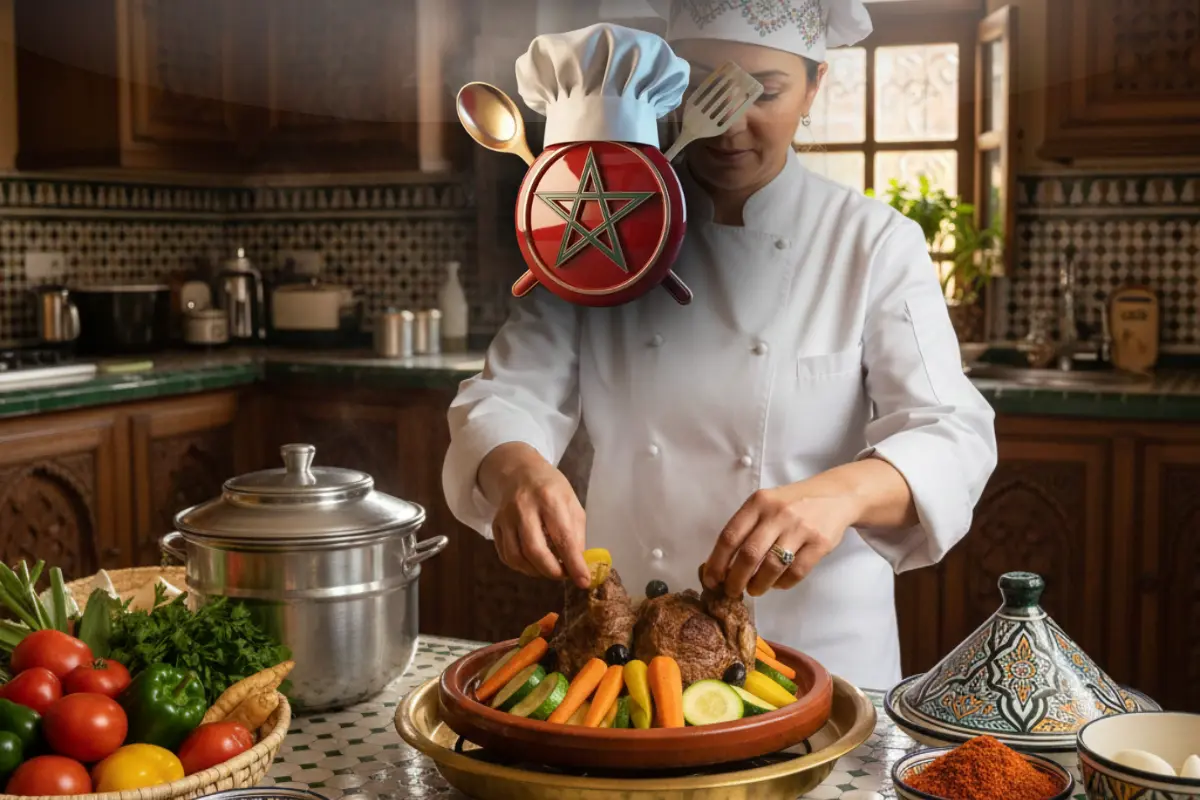
Introduction: The Culinary Art of Moroccan Tagine
Moroccan tagine is more than a dish—it’s a slow-cooked symphony of flavor, tradition, and technique. Preparing tagine professionally means mastering the balance of spices, understanding the role of the clay pot, and respecting the cultural rituals that make this dish a cornerstone of Moroccan cuisine. Whether you’re a chef or a passionate home cook, this guide will help you elevate your tagine to a professional level.
Understanding the Tagine Pot
The tagine pot is a conical clay vessel designed to trap steam and circulate moisture. This unique shape allows ingredients to cook slowly and evenly, preserving flavor and tenderness. Professional chefs season the pot before use—soaking it in water and rubbing it with olive oil—to prevent cracking and enhance performance.
Essential Ingredients for Authentic Tagine
- Protein: Lamb, chicken, beef, fish, or plant-based alternatives.
- Vegetables: Carrots, potatoes, zucchini, peas, and seasonal produce.
- Spices: Ras el hanout, saffron, ginger, cinnamon, cumin, paprika.
- Flavor boosters: Preserved lemons, prunes, olives, almonds, honey.
- Herbs: Fresh cilantro and parsley for garnish.
- Liquid base: Olive oil, water, or broth to create a rich sauce.
Step-by-Step Professional Preparation
- Season the tagine pot: Soak and oil the pot before first use to prevent cracking.
- Build the flavor base: Heat olive oil and sauté onions, garlic, and spices until aromatic.
- Add protein: Brown meat or fish lightly to seal in flavor.
- Layer vegetables: Arrange vegetables around the protein for even cooking.
- Incorporate preserved ingredients: Add preserved lemons, prunes, or olives for depth.
- Add liquid: Pour water or broth to partially cover ingredients—avoid excess liquid.
- Slow cook: Cover with the lid and cook over low heat for 1.5 to 3 hours.
- Finish and garnish: Sprinkle fresh herbs, toasted almonds, or sesame seeds before serving.
Professional Tips for Perfect Tagine
- Low and slow: Gentle heat is key to unlocking flavor and tenderness.
- Balance spices: Use ras el hanout as a base, but don’t overpower with any single spice.
- Use preserved lemons: Their tangy intensity enhances chicken and fish tagines.
- Sweet-and-savory harmony: Prunes and honey pair beautifully with lamb.
- Serve in the tagine pot: Presentation matters—serve directly in the clay pot for authenticity.
Popular Tagine Variations
- Lamb Tagine with Prunes: A rich, sweet dish with cinnamon and almonds.
- Chicken Tagine with Preserved Lemons and Olives: A tangy, savory classic.
- Vegetable Tagine: A colorful, healthy option with seasonal produce.
- Fish Tagine: Coastal specialty with chermoula marinade and tomatoes.
Cultural Significance
Tagine is central to Moroccan hospitality. It’s served at family gatherings, weddings, and religious celebrations. Preparing tagine professionally means honoring these traditions and sharing the dish with care and pride.
Conclusion: Mastering Moroccan Tagine
Cooking Moroccan tagine professionally is a journey into flavor, culture, and craftsmanship. By mastering the techniques, respecting the ingredients, and embracing the ritual, you can create a dish that reflects the soul of Morocco. Whether served in a bustling riad or a quiet home kitchen, tagine remains a timeless expression of Moroccan culinary excellence.