Introduction: Planning the Perfect Moroccan Iftar
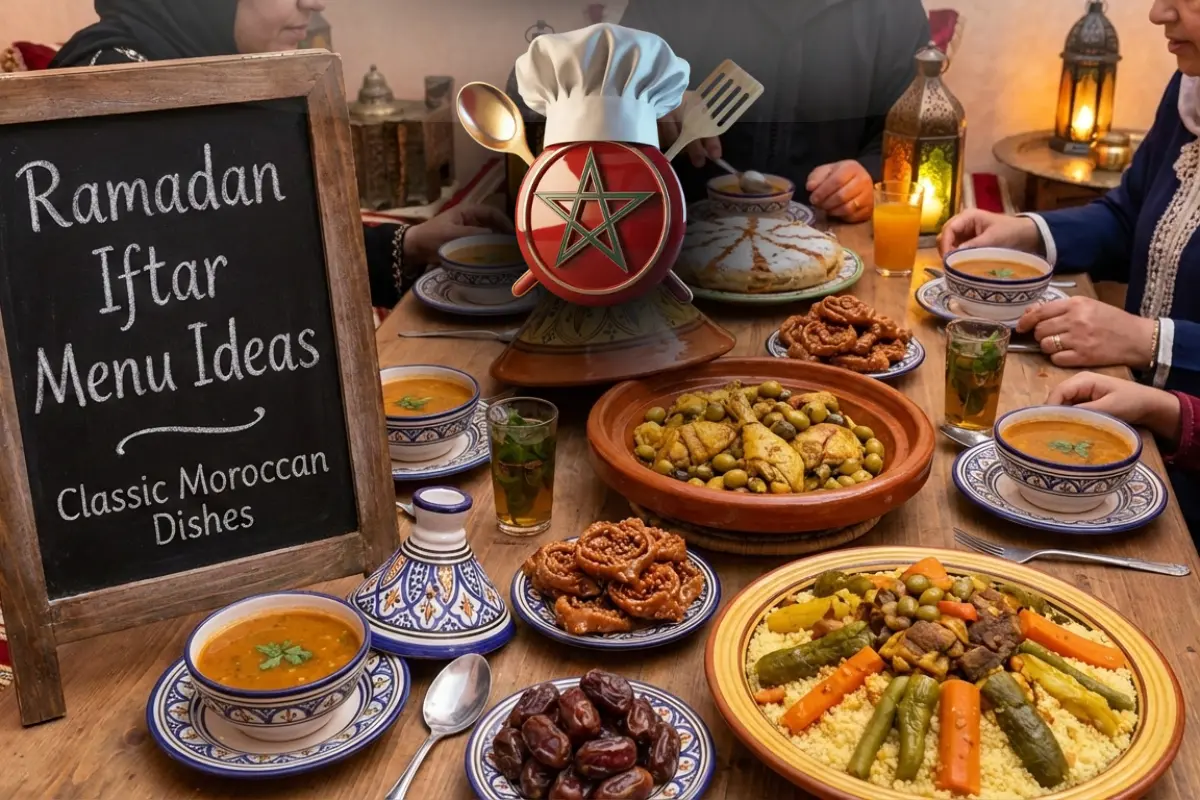
The call to prayer echoes across Morocco as the sun dips below the horizon. In millions of homes, tables are set with steaming bowls of harira, platters of chebakia, and the unmistakable aroma of tagines filling the air. This is ftour (الفطور)—the sacred moment when Moroccan families break their Ramadan fast together.
But let's be honest: planning 30 days of iftar menus while fasting can feel overwhelming. How do you keep meals interesting without spending all day in the kitchen? How do you balance tradition with practicality? How do you satisfy everyone from grandparents who want classic dishes to kids who need variety?
This comprehensive guide solves that problem. We've created 30 days of complete Moroccan iftar menus—each thoughtfully designed to honor tradition, minimize stress, and maximize flavor. From the essential first-course harira to satisfying main dishes and sweet endings, every menu is tested, authentic, and achievable.

Understanding the Moroccan Iftar Structure
The Three Essential Stages
Unlike Western-style dinners, Moroccan iftar follows a specific cultural rhythm that's been perfected over centuries. Understanding this structure is key to planning successful menus.
| Stage | Time | What Happens | Foods Served |
|---|---|---|---|
| 1. Breaking Fast (فتور) | At Maghrib adhan | Gentle breaking with light foods | Dates, milk/water, harira, chebakia, briwat |
| 2. Maghrib Prayer (صلاة المغرب) | 15 min after sunset | Spiritual nourishment | Prayer time - no food |
| 3. Main Meal (عشاء) | After prayer (30-45 min) | Family dinner together | Tagine/couscous, salads, bread, tea, dessert |
🕌 Why This Matters
This three-stage approach prevents digestive shock, allows for prayer, and creates quality family time. Rushing through iftar or eating too much too fast goes against Moroccan tradition and can cause discomfort.
Building the Perfect Iftar Menu
The Essential Components
Every complete Moroccan iftar menu should include these elements:
Balancing Nutrition & Tradition
| Nutrient Category | Traditional Sources | Why Important for Fasting |
|---|---|---|
| Complex Carbs | Harira, couscous, bread | Sustained energy, prevents blood sugar spikes |
| Lean Proteins | Chicken, lamb, fish, legumes | Muscle maintenance, satiety |
| Healthy Fats | Olive oil, almonds, argan oil | Hormone balance, vitamin absorption |
| Fiber | Vegetables, lentils, dates | Digestive health, fullness |
| Hydration | Soups, fruits, drinks | Rehydration after fasting |
30-Day Complete Iftar Menu Plan
Week 1: Starting Strong with Classics

| Day | Breaking Fast | Main Course | Salads | Dessert |
|---|---|---|---|---|
| Day 1 | Dates + milk Harira (meat) Chebakia | Chicken tagine with preserved lemons & olives Couscous | Moroccan tomato salad Zaalouk (eggplant) | Fresh oranges with cinnamon Mint tea |
| Day 2 | Dates + lben Harira (lamb) Meat briwat | Kefta tagine with eggs Khobz (bread) | Taktouka (pepper salad) Carrot salad with cumin | Chebakia Apple slices Mint tea |
| Day 3 | Dates + orange juice Harira (vegetarian) Cheese briwat | Lamb tagine with prunes & almonds Plain rice | Moroccan beet salad Cucumber yogurt salad | Sellou Seasonal fruit Verbena tea |
| Day 4 | Dates + almond milk Harira (chicken) Mini pastilla | Fish tagine with tomatoes & potatoes Bread | Mixed greens with argan oil Orange & olive salad | Briwat with almond paste Pomegranate Mint tea |
| Day 5 | Dates + smoothie Harira (lentil) Chebakia | Chicken rfissa with msemen Fenugreek sauce | Moroccan potato salad Grilled pepper salad | Fresh dates & nuts Herbal tea |
| Day 6 | Dates + milk Harira (beef) Cheese sambousek | Couscous with seven vegetables Buttermilk (lben) | Cabbage salad Carrot & orange salad | Kaab el ghazal Watermelon Mint tea |
| Day 7 | Dates + avocado shake Harira (mixed) Briwat selection | Chicken bastilla (large) Mixed green salad | Moroccan salad platter Zaalouk | Chebakia Melon slices Mint tea |
🗓️ Week 1 Prep Strategy (Weekend Before Ramadan):
- Make harira base (3 batches), freeze in portions
- Prepare chebakia, store in containers
- Mix sellou, refrigerate
- Pre-cut vegetables for salads
- Marinate chicken/meat for tagines
Week 2: Building Momentum with Variety

| Day | Breaking Fast | Main Course | Salads | Dessert |
|---|---|---|---|---|
| Day 8 | Dates + milk Harira Msemen triangles | Beef tagine with vegetables Couscous | Moroccan chickpea salad Tomato & onion salad | Ghriba cookies Grapes Mint tea |
| Day 9 | Dates + lben Bissara soup Briwat | Chicken with preserved lemons (different spices) Bread | Roasted pepper salad Beet & walnut salad | Chebakia Fresh figs Mint tea |
| Day 10 | Dates + date smoothie Harira Chebakia | Lamb mrouzia (sweet tagine) Saffron couscous | Orange & radish salad Cucumber mint salad | Sellou balls Pears Green tea |
| Day 11 | Dates + milk Harira Potato briwat | Kefta mkaouara (spicy meatballs) Fried eggs Khobz | Mixed vegetable salad Carrot with chermoula | Almond briwat Apples Mint tea |
| Day 12 | Dates + orange juice Harira Mini pizzas Moroccan-style | Grilled fish with chermoula Sautéed vegetables Rice | Fennel salad Tomato zaalouk | Chebakia Cantaloupe Mint tea |
| Day 13 | Dates + lben Harira Cheese rolls | Chicken couscous (Berber style) Spicy sauce | Beet & orange salad Green bean salad | Coconut briwat Strawberries Mint tea |
| Day 14 | Dates + milk Harira Chebakia | Vegetable tagine (7 vegetables) Couscous Lben | Moroccan salad platter Eggplant zaalouk | Fresh fruit salad Sellou Mint tea |
💡 Week 2 Time-Savers:
- Use pre-made harira from Week 1 freezer stock
- Prep salad dressings in bulk (store 5 days)
- Cook couscous in large batches, reheat as needed
- Marinate meats night before
Week 3: Embracing Lighter Options
By Week 3, many families appreciate lighter meals while maintaining tradition. This week balances comfort with digestibility.
| Day | Breaking Fast | Main Course | Salads | Dessert |
|---|---|---|---|---|
| Day 15 | Dates + smoothie bowl Light harira Baked briwat | Grilled chicken skewers Herbed couscous Tahini sauce | Quinoa tabbouleh (Moroccan twist) Grilled vegetables | Fresh fruit platter Yogurt Mint tea |
| Day 16 | Dates + milk Harira Msemen with honey | Fish tagine with vegetables Saffron rice | Arugula salad with pomegranate Cucumber tomato salad | Chebakia (2 pieces) Kiwi Green tea |
| Day 17 | Dates + lben Vegetable soup Cheese sambousek | Chicken bastilla (individual portions) Green salad | Roasted carrot salad Chickpea salad | Sellou Orange slices Mint tea |
| Day 18 | Dates + date shake Harira Vegetable briwat | Lamb chops with herbs Roasted potatoes Bread | Mixed greens with argan Beet salad | Fruit skewers Almond briwat Mint tea |
| Day 19 | Dates + milk Bissara Chebakia | Chicken tagine with artichokes Couscous | Carrot & raisin salad Taktouka | Fresh dates & nuts Apple slices Verbena tea |
| Day 20 | Dates + orange juice Harira Mini briwat | Seafood couscous (coastal style) Lemon wedges | Fennel & orange salad Cucumber yogurt | Coconut macaroons Melon Mint tea |
| Day 21 | Dates + lben Harira Msemen squares | Kefta tagine (different herbs) Vermicelli rice Bread | Moroccan potato salad Grilled pepper salad | Chebakia Seasonal berries Mint tea |
Week 4: The Final Push & Celebration
The last ten nights of Ramadan are the most blessed. Menus become more elaborate, especially on Laylat al-Qadr (Night of Power).

| Day | Breaking Fast | Main Course | Salads | Dessert |
|---|---|---|---|---|
| Day 22 | Dates + milk Harira (premium) Assorted briwat | Lamb tagine with quinces Buttered couscous | Mixed Moroccan salads Zaalouk Taktouka | Chebakia Fresh fruit Mint tea |
| Day 23 | Dates + smoothie Harira Chebakia | Chicken with olives (family recipe) Bread Lben | Orange & olive salad Beet & carrot salad | Kaab el ghazal Pomegranate Mint tea |
| Day 24 | Dates + almond milk Harira Meat briwat | Fish with tomato sauce Herbed rice Grilled vegetables | Arugula pomegranate salad Cucumber mint | Sellou Fresh figs Mint tea |
| Day 25 | Dates + milk Harira Variety briwat platter | Rfissa with chicken Fenugreek sauce Shredded msemen | Traditional Moroccan salad Carrot orange salad | Chebakia Watermelon Mint tea |
| Day 26 | Dates + date shake Harira Chebakia & sellou | Mixed grill platter Couscous Harissa on side | Full salad spread (5 types) | Assorted cookies Fruit platter Mint tea |
| Day 27 🌙 Laylat al-Qadr | Premium dates Special harira (extra meat) Homemade chebakia Fresh juices | FEAST: Chicken bastilla (large) Lamb couscous with tfaya Multiple tagines | Complete Moroccan salad table (6-8 varieties) | Chebakia Kaab el ghazal Ghriba Fresh fruit Special tea service |
| Day 28 | Dates + lben Harira Briwat selection | Vegetable tagine Barley couscous Lben | Light salads Cucumber yogurt Tomato salad | Fresh fruit only Mint tea |
| Day 29 | Dates + milk Harira Msemen with amlou | Chicken tagine (simple) Plain couscous | Mixed salad Zaalouk | Chebakia Melon Mint tea |
| Day 30 🌙 Last Day | Dates + special drink Best harira batch Chebakia | Family favorite tagine Couscous Everyone's requests | Favorite salads Full spread | All remaining sweets Celebration tea Fruit platter |
✨ Laylat al-Qadr (Day 27) Special Menu Notes:
This is the most important night. Many families:
- Invite extended family and neighbors
- Prepare double or triple portions
- Offer multiple main dishes
- Include premium ingredients (saffron, expensive cuts of meat)
- Make extra for charity distribution to mosques
- Spend extra time on presentation
Smart Meal Prep & Time Management
The Moroccan Mother's Secret Schedule
How do Moroccan women prepare elaborate iftars while fasting? Here's the time-tested daily schedule:
| Time | Task | Duration | Energy Level |
|---|---|---|---|
| 5:00-5:30 AM | Suhoor & Fajr prayer | 30 min | High |
| 6:00-7:00 AM | Start harira (slow simmer all day) | 30 min active | High |
| 10:00-11:00 AM | Prep tagine, start slow cooking | 45 min | Medium |
| 2:00-3:00 PM | Rest (this is crucial!) | 60 min | Rest |
| 4:00-5:00 PM | Make salads, warm bread, fry briwat | 45 min | Medium-Low |
| 5:30-5:45 PM | Final preparations, set table | 15 min | Low |
| 6:00 PM | Maghrib - Break fast! | - | 🌙 |
⚡ Energy Management Secret:
Moroccan women know: Never skip the afternoon rest. Lying down for 1-2 hours between Dhuhr and Asr prayers preserves energy for final meal prep and evening prayers. This is non-negotiable!
Weekend Meal Prep Strategy
🗓️ Friday & Saturday Before Ramadan Starts:
| Task | Quantity | Storage | Duration |
|---|---|---|---|
| Harira base (no pasta) | 6-8 batches | Freeze in 2L containers | Up to 3 months |
| Chebakia | 100-150 pieces | Airtight containers, room temp | 3-4 weeks |
| Sellou | 2kg batch | Glass jars, refrigerated | 2 months |
| Briwat (uncooked) | 60-80 pieces | Freeze on trays, then bag | 2 months |
| Tagine marinades | 4-5 types | Freeze with meat in bags | 1 month |
| Salad dressings | 3-4 types | Glass jars, refrigerated | 1 week |
Daily Quick Prep Hacks
🚀 15-Minute Morning Routines:
- Harira hack: Take frozen harira out before Fajr → thaw in fridge all day → reheat 1 hour before iftar → add fresh herbs & vermicelli last 10 minutes
- Tagine hack: Use pressure cooker for 45 min instead of 3 hours traditional cooking (controversial but works for busy families!)
- Salad hack: Pre-cut all vegetables Sunday night → store in containers with damp paper towels → assemble daily in 10 minutes
- Bread hack: Buy from bakery daily, or freeze msemen → reheat in pan 5 minutes before serving
- Briwat hack: Fry frozen briwat directly (no thawing) → cook 1 minute longer → perfectly crispy
Budget-Friendly Iftar Planning
Cost-Effective Menu Strategies
Ramadan shouldn't break the bank. Here's how Moroccan families manage costs:
| Strategy | How It Works | Savings |
|---|---|---|
| Protein rotation | Chicken (Days 1,4,7), Legumes (Days 2,5), Eggs (Days 3,6) | 40% less than daily meat |
| Vegetable tagines | 3-4 times per week, hearty & filling | 60% cheaper than meat tagines |
| Seasonal produce | Buy what's abundant & cheap that month | 30-50% savings on vegetables |
| Bulk cooking | Make double batches, freeze half | Saves time & reduces waste |
| Local bakery bread | Cheaper than making at home | Saves time + money |
| DIY sweets | Make chebakia once, lasts all month | 70% cheaper than buying |
Adapting Menus for Special Needs
Diabetic-Friendly Ramadan Iftar
🩺 Modifications for Blood Sugar Control:
- Limit chebakia to 1 piece → Replace with dates & nuts
- Choose whole grain couscous → Lower glycemic index
- Add protein to every meal → Slows sugar absorption
- Start with salad → Fiber helps blood sugar
- Avoid fruit juices → Whole fruits instead
- Drink water, not sweet drinks → Unsweetened tea okay
Vegetarian Moroccan Iftar
Morocco's rich vegetarian tradition makes meat-free Ramadan delicious:
| Traditional Dish | Vegetarian Version |
|---|---|
| Harira with meat | Extra lentils, chickpeas, white beans |
| Chicken tagine | Vegetable tagine with 7-10 vegetables |
| Meat couscous | Vegetable couscous with caramelized onions |
| Kefta tagine | Chickpea & vegetable tagine with eggs |
| Chicken rfissa | Lentil rfissa (equally delicious!) |
Kids-Friendly Ramadan Menu
Common Iftar Mistakes & Solutions
| ❌ Common Mistake | Why It's Wrong | ✅ Better Approach |
|---|---|---|
| Overeating at adhan | Causes bloating, discomfort, ruins appetite | Eat 3 dates, drink water, wait 15 min |
| Too much oil/fried food | Heavy, causes digestive issues | Bake briwat, use olive oil moderately |
| No vegetables | Constipation, nutritional deficiency | Always include 2-3 salad types |
| Same menu daily | Boring, nutritionally limited | Follow variety plan, rotate proteins |
| Cooking while very tired | Accidents, poor quality, stress | Prep in morning, rest afternoon |
| Skipping harira | Breaks tradition, misses easy nutrition | Make & freeze in advance |
| Not drinking enough | Dehydration continues | 8-10 glasses between iftar-suhoor |
Hosting Guests During Ramadan
The Moroccan Hospitality Menu
When guests come for iftar, Moroccan tradition demands abundance and variety:
Regional Moroccan Iftar Variations
How Different Cities Break Fast
| City/Region | Signature Iftar Dishes | Unique Traditions |
|---|---|---|
| Fes | Refined harira, chicken bastilla, rfissa | Most elaborate presentations, focus on pastries |
| Marrakech | Spicy harira, tangia, tanjia | Jemaa el-Fnaa food stalls, street ftour |
| Casablanca | Modern twists, seafood tagines, international fusion | More cosmopolitan, variety of cuisines |
| Tangier | Spanish-Moroccan fusion, seafood focus | Mediterranean influences |
| Atlas Mountains | Berber couscous, barley dishes, wild herbs | Simple, hearty, rustic style |
| Coastal cities | Fish tagines, seafood couscous, grilled sardines | Fresh catch of the day featured |
Frequently Asked Questions
How can I make 30 different iftars without repeating?
Use the rotation strategy: Harira stays constant, but rotate proteins (chicken, lamb, fish, vegetarian), cooking methods (tagine, couscous, grilled, baked), and salad combinations. Even the same protein with different spices tastes completely different!
What if I'm too tired to cook elaborate meals?
Simplify without losing tradition: Use frozen harira, buy bakery bread, make simple tagines with 4 ingredients, serve 2 salads instead of 5, buy chebakia instead of making it. Even a simple harira + roast chicken + salad is a complete Moroccan iftar.
Can I meal prep iftar for the whole week?
Partially yes: Harira (freeze), briwat (freeze uncooked), tagine marinades (freeze with meat), salad dressings (refrigerate 5 days). Cook tagines and couscous fresh or day-before maximum. Fresh herbs and bread should be daily.
How do I keep iftar healthy while honoring tradition?
Balance is key: Keep traditional dishes but control portions (2-3 chebakia max, not 10), add more salads, choose baking over frying sometimes, include fish 2-3 times weekly, serve fruit for dessert often, and stay hydrated.
What's the minimum acceptable iftar in Moroccan culture?
Even the simplest Moroccan iftar should have: dates, harira (can be vegetarian), bread, one salad, and tea. This is enough to honor tradition. Everything else is enhancement!
How do working people manage iftar preparation?
Modern Moroccan working families: prep harira on weekends (freeze), use slow cooker/pressure cooker for tagines, buy prepared items (bread, some salads), cook on low heat all day, or order catering 2-3 times weekly—no shame in that!
Conclusion: Your Path to Ramadan Success
Planning 30 days of Moroccan iftar doesn't have to be overwhelming. With this complete menu guide, you have everything you need to create authentic, delicious, and manageable meals throughout the blessed month.
Remember these key principles:
- ✅ Prep in advance: Weekend cooking saves weekday stress
- ✅ Keep it simple: Traditional doesn't mean complicated
- ✅ Honor the rhythm: Follow the three-stage iftar structure
- ✅ Prioritize rest: Afternoon naps are essential
- ✅ Embrace variety: Rotate proteins, spices, cooking methods
- ✅ Stay flexible: Adapt menus to your energy and time
- ✅ Focus on connection: The goal is family time, not perfection
Whether you're cooking for two or twenty, these menus provide the structure and flexibility to feed your family with love, honor Moroccan traditions, and still have energy for prayer and spiritual reflection.
"May your iftar table be blessed with abundance, your cooking be filled with love, and your Ramadan be accepted. The best iftar is the one shared with gratitude."
كل رمضان وأنتم بخير - Kul Ramadan wa antum bikhair!
Get Your Free Downloads:
- 📋 Printable 30-Day Iftar Planner PDF
- 🛒 Complete Ramadan Shopping List
- ⏰ Daily Cooking Schedule Template
- 🍽️ Iftar Portion Calculator (2-20 people)
Join 10,000+ Moroccan cooks in our Ramadan cooking community for daily tips, recipe swaps, and support throughout the month!