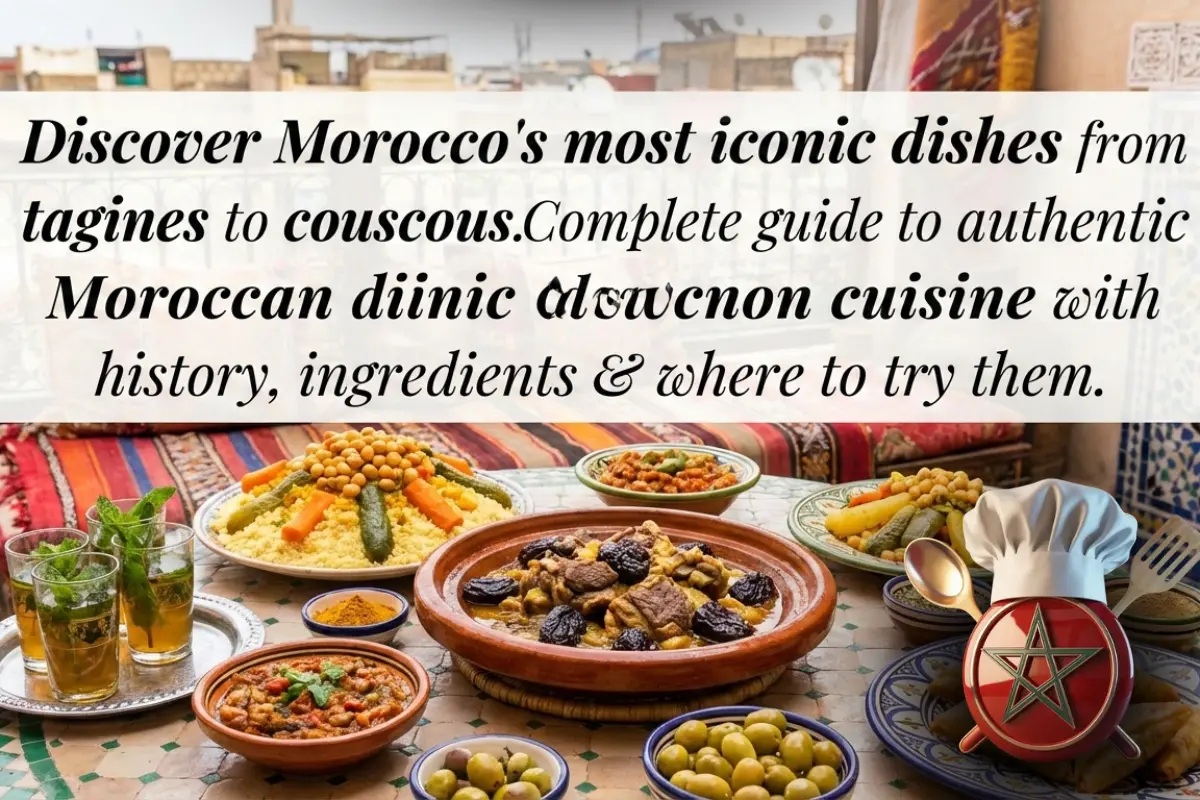
Introduction: Gateway to Morocco's Culinary Soul
Did you know that Moroccan cuisine is the only African culinary tradition to be ranked among the world's top 10 most beloved food cultures? With its intoxicating blend of Berber, Arab, Andalusian, and Mediterranean influences, Morocco offers a gastronomic journey unlike any other.
Walking through the bustling souks of Marrakech or the ancient medina of Fes, you're immediately enveloped by the aromatic symphony of cumin, saffron, cinnamon, and fresh mint. But for first-time visitors and food enthusiasts alike, navigating Morocco's rich culinary landscape can feel overwhelming.
This comprehensive guide unveils the 10 essential Moroccan dishes that define this magnificent cuisine. From the famous tagine (طاجين) to lesser-known treasures like rfissa, prepare to embark on a delicious exploration of Moroccan culinary heritage.
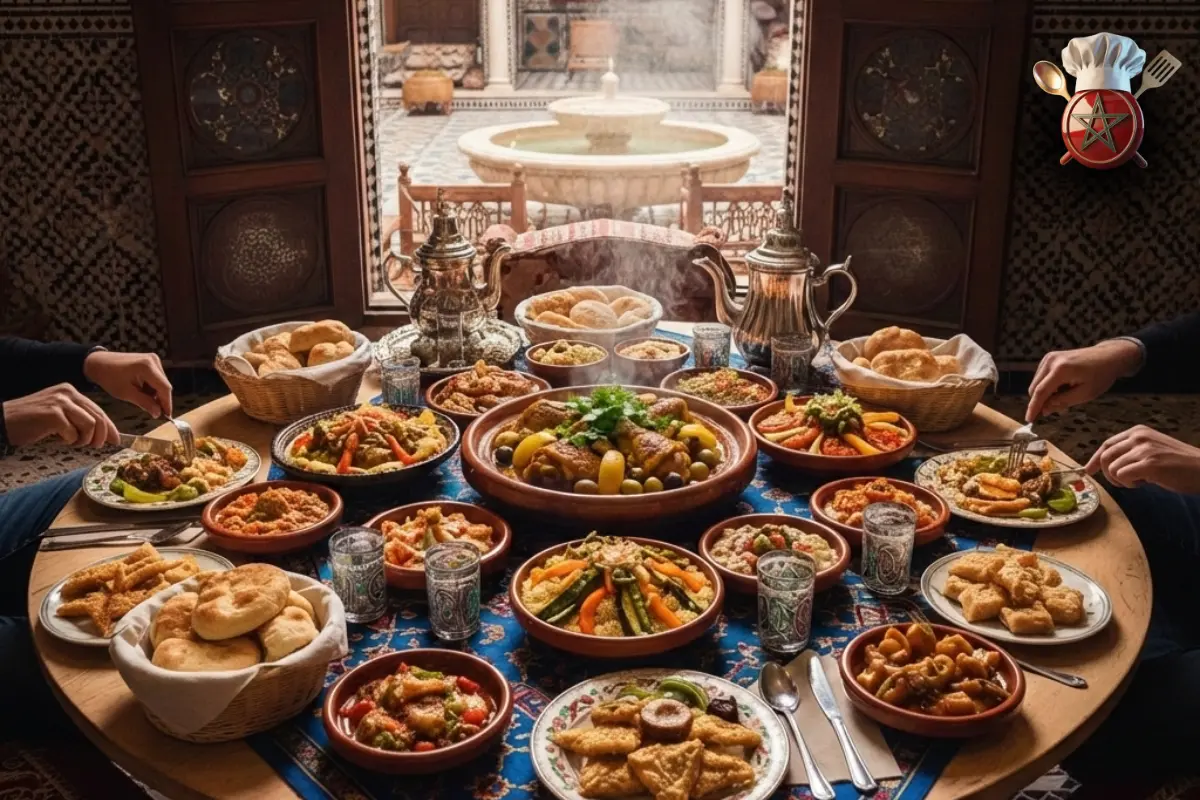
1. Tagine (طاجين) - Morocco's Signature Slow-Cooked Stew
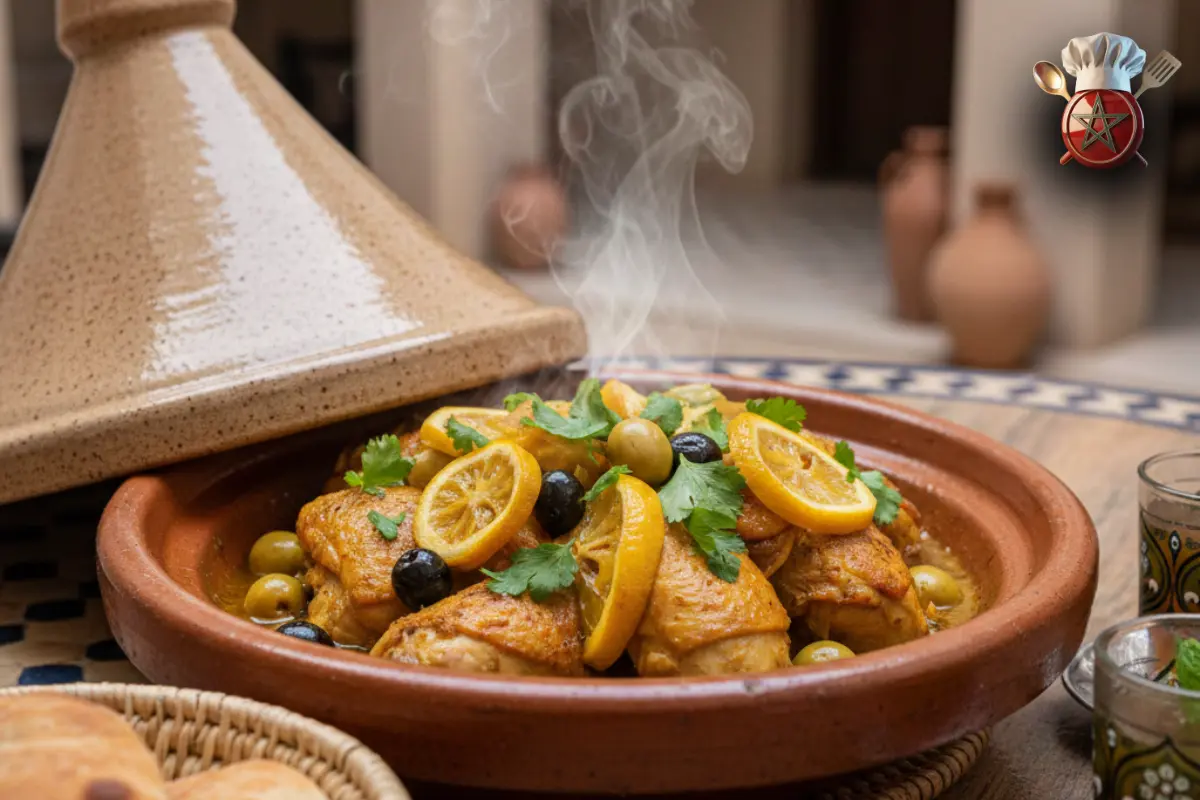
The tagine isn't just a dish—it's the heart of Moroccan home cooking. Named after the distinctive conical earthenware pot in which it's prepared, tagine represents the perfect marriage of tender meat, aromatic spices, and vegetables slow-cooked to perfection.
Most Popular Tagine Variations
| Tagine Type | Main Ingredients | Region | Flavor Profile |
|---|---|---|---|
| Chicken with Preserved Lemons | Chicken, olives, preserved lemons | All Morocco | Tangy, savory |
| Lamb with Prunes | Lamb, prunes, almonds | Marrakech | Sweet-savory |
| Beef with Vegetables | Beef, carrots, potatoes | Casablanca | Hearty, comforting |
| Fish Tagine | Fish, tomatoes, charmoula | Essaouira | Fresh, zesty |
💡 Insider Tip
Authentic tagines are never served in the cooking pot at traditional Moroccan homes. The stew is transferred to a serving platter, with bread used to scoop up the sauce. If you see a tagine pot at your table in Morocco, you're likely at a tourist restaurant!
Where to try it: Dar Zellij in Marrakech or Café Clock in Fes. Better yet, book a cooking class with a local family.
2. Couscous (كسكس) - The Friday Family Feast
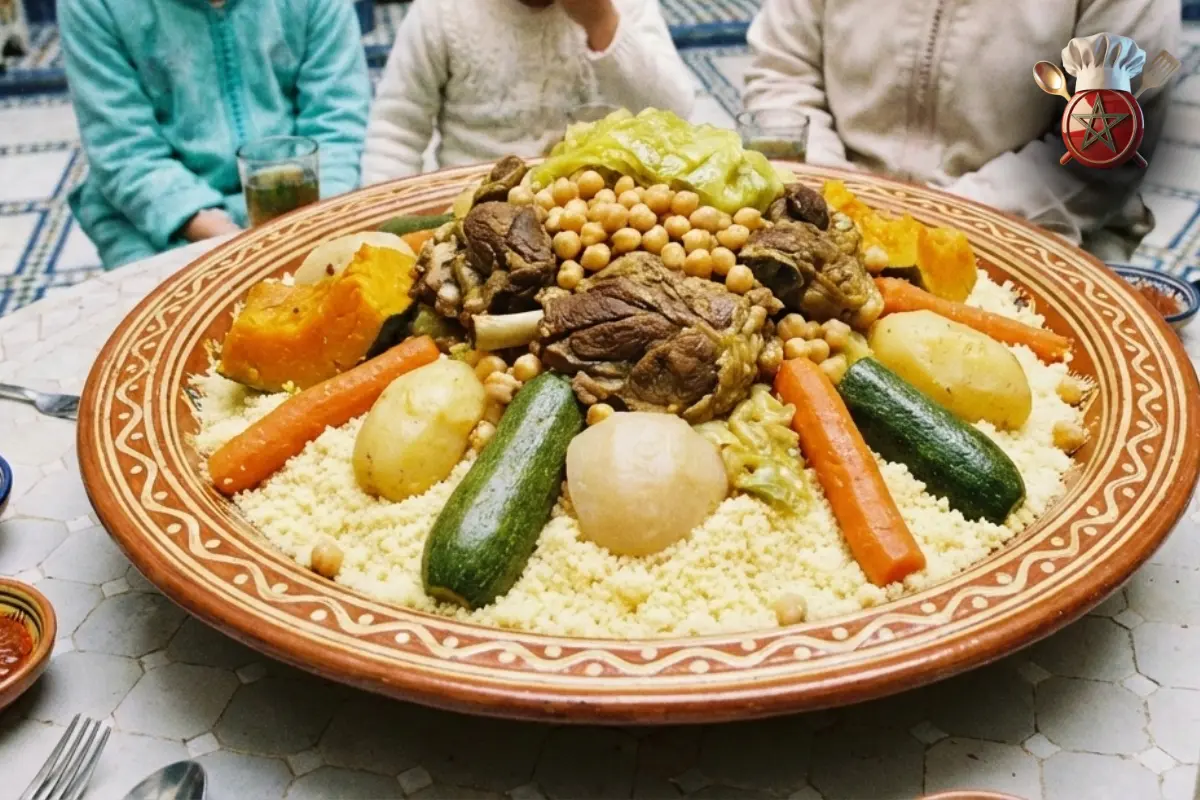
Every Friday across Morocco, families gather for the most important meal of the week: couscous. This beloved dish of hand-rolled semolina granules steamed to fluffy perfection represents family, tradition, and Moroccan hospitality.
Regional Couscous Styles
- Couscous with Seven Vegetables (كسكس بسبع خضار): The classic Casablanca version featuring turnips, carrots, zucchini, cabbage, chickpeas, tomatoes, and onions
- Berber Couscous: From the Atlas Mountains, made with barley couscous and wild herbs
- Sweet Couscous (سفة): Served at celebrations with cinnamon, powdered sugar, and almonds
- Fish Couscous: Coastal specialty from Safi and Essaouira
Cultural significance: Couscous has been designated as part of UNESCO's Intangible Cultural Heritage, recognizing its profound importance to North African identity.
3. Harira (حريرة) - The Ramadan Soup That Became a National Treasure
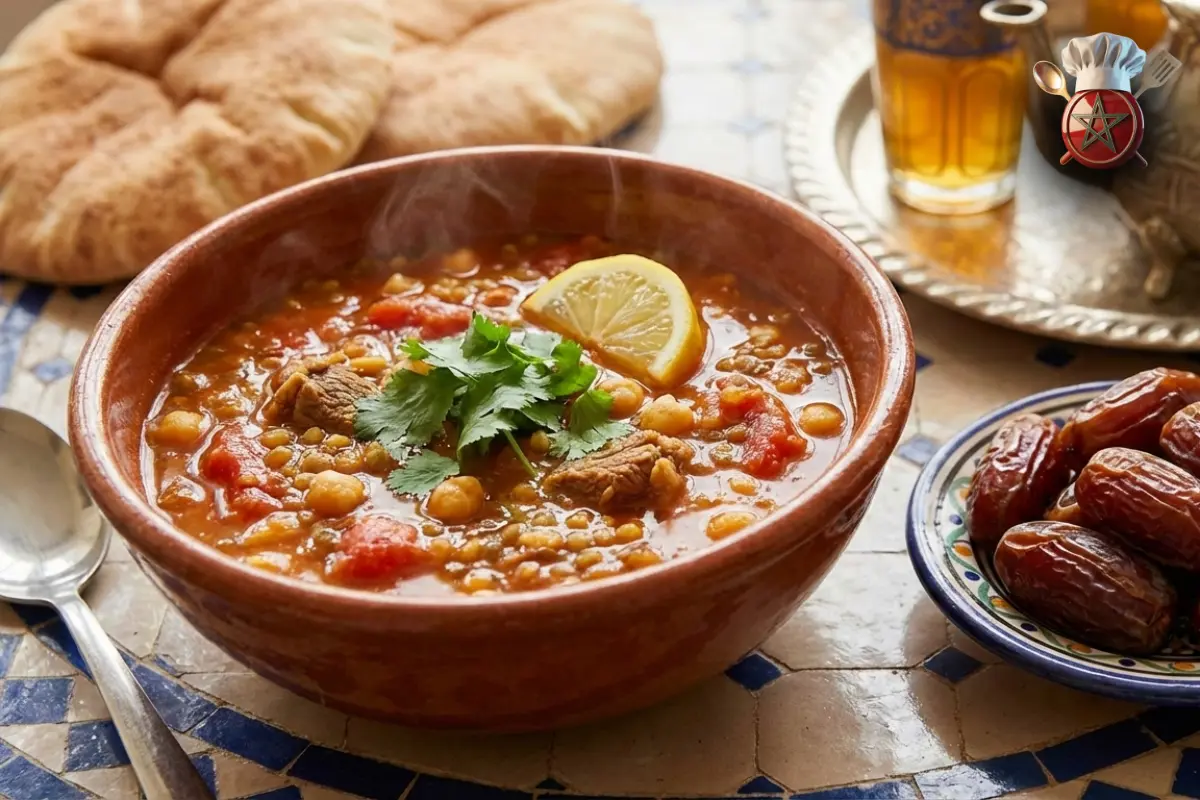
As the sun sets during Ramadan, millions of Moroccan families break their fast with the same beloved dish: harira. This hearty, tomato-based soup enriched with lentils, chickpeas, lamb, and a touch of lemon is so integral to Moroccan culture that it's enjoyed year-round.
What Makes Harira Special
The magic of harira lies in its complex layering of flavors. Fresh herbs (cilantro and parsley), warming spices (ginger, turmeric, cinnamon), and the unique addition of tedouira—a flour and water mixture that gives the soup its signature velvety texture.
🥣 Traditional Serving Method
- Dates - The first food to touch your lips when breaking fast
- Chebakia (شباكية) - Honey-soaked sesame cookies
- Hard-boiled eggs - For added protein
- Fresh bread or msemen - To dip into the rich broth
4. Pastilla (بسطيلة) - The Sweet and Savory Masterpiece
Perhaps no dish better exemplifies Moroccan cuisine's sophisticated balance of sweet and savory than pastilla. This architectural marvel features layers of paper-thin warqa pastry enveloping spiced meat, toasted almonds, and eggs, all dusted with powdered sugar and cinnamon.
Historical Roots
Pastilla originated in Fes during the Andalusian period, when Moorish refugees brought sophisticated cooking techniques from Spain. It remains the centerpiece of weddings, celebrations, and special occasions.
🆕 Modern Twist
Seafood pastilla has become increasingly popular in coastal cities like Casablanca and Rabat, featuring shrimp, calamari, and fish in a creamy sauce.
5. Mechoui (مشوي) - Whole Roasted Lamb Perfection
In the Atlas Mountains and southern Morocco, special occasions call for mechoui—an entire lamb slow-roasted until the meat falls off the bone. Seasoned with nothing more than butter, cumin, and salt, mechoui proves that exceptional ingredients need minimal intervention.
The Ritual of Mechoui
Eating mechoui is a communal experience. Diners gather around the whole lamb, tearing off pieces of meat with their hands, dipping each morsel in cumin salt. It's rustic, primal, and absolutely delicious.
Best experience: Chez Lamine Hadj Mustapha in Marrakech, where mechoui has been perfected over four generations.
6. Zaalouk (زعلوك) - The Addictive Eggplant Salad
Among Morocco's diverse array of salades cuites (cooked salads), zaalouk stands out as a vegetarian star. This silky eggplant and tomato spread seasoned with garlic, cumin, paprika, and fresh cilantro appears on nearly every Moroccan table.
🥗 Health Benefits
- Rich in fiber and antioxidants from eggplant
- Low in calories but highly satisfying
- Anti-inflammatory compounds from cumin and paprika
- Vegan and gluten-free friendly
7. Rfissa (رفيسة) - The Ultimate Comfort Food
Often overlooked by tourists but cherished by Moroccans, rfissa is the ultimate comfort food. This hearty dish layers shredded msemen (Moroccan flatbread) with a rich chicken stew flavored with fenugreek, ras el hanout, and saffron.
Cultural Significance
Rfissa holds special meaning—it's traditionally prepared for new mothers as a nourishing postpartum meal. The fenugreek promotes milk production, while the rich, warming spices aid recovery.
🌿 The Secret Ingredient
Fenugreek (الحلبة - helba) creates an unmistakable slightly bitter, maple-like flavor that's wholly unique to this dish.
8. Kefta Tagine (كفتة طاجين) - Meatballs in Spicy Tomato Sauce
The most family-friendly and accessible Moroccan dish. Ground beef or lamb meatballs spiced with cumin, paprika, parsley, and cilantro simmer in a rich tomato sauce, often crowned with eggs that poach in the bubbling stew.
Why Kefta Tagine is Beloved
| Reason | Details |
|---|---|
| Quick | Ready in 45 minutes vs hours for traditional tagines |
| Kid-friendly | Mild spicing perfect for children |
| Budget-conscious | Uses economical ground meat |
| Adaptable | Works with beef, lamb, or turkey |
9. Tangia (طانجية) - Marrakech's Bachelor Stew
Unique to Marrakech, tangia has a fascinating origin story. Invented by bachelors who couldn't spend all day cooking, they'd pack a clay urn with beef or lamb, preserved lemon, olives, garlic, and spices, then drop it at the local hammam (bathhouse).
The Hammam Cooking Method
Hammam workers would bury the sealed pot in hot coals used to heat bathhouse water. Hours later, the meat transformed into fork-tender perfection, infused with incredible depth of flavor.
Where to try it: Tangia Marrakchia in the medina (order 24 hours ahead) or Nomad for modern interpretation.
10. Moroccan Mint Tea (أتاي - Atay) - The Soul of Hospitality
While technically a beverage, Moroccan mint tea deserves a place on this list because it's inseparable from Moroccan food culture. This sweet, refreshing infusion of green tea, fresh spearmint, and sugar punctuates every meal and social gathering.
The Art of Tea Ceremony
Preparing Moroccan tea is a ritual steeped in tradition. The tea master rinses the gunpowder green tea, adds fresh mint and sugar, then pours from a height to create a foamy layer.
🫖 Moroccan Proverb
"The first glass is as bitter as life, the second is as strong as love, the third is as gentle as death."
When Tea is Served
- Before meals - As a welcoming gesture to guests
- After meals - To aid digestion
- During business - Refusing tea can be impolite
- Throughout the day - Moroccans drink tea constantly
Honorable Mentions: More Moroccan Delights
- Bissara (بيصارة) - Creamy fava bean soup, a breakfast staple
- Khobz (خبز) - Moroccan bread, essential to every meal
- Msemen (مسمن) - Flaky flatbread, perfect with honey
- Briwat (بريوات) - Crispy phyllo triangles with various fillings
- Sellou (سلو) - Nutty flour confection for Ramadan
Tips for Experiencing Authentic Moroccan Cuisine
| Tip | Why It Matters |
|---|---|
| 🏠 Eat where locals eat | Best food in family-run restaurants, not tourist traps |
| 👐 Eat with your hands | Authentic way to experience textures and flavors |
| 🕐 Lunch is main meal | Served 1-3 PM, dinner is lighter |
| 🌶️ Aromatic, not spicy | Rich spices without heat (harissa on side) |
| 🥖 Bread is sacred | Never thrown away, treated with reverence |
Frequently Asked Questions
Is Moroccan food spicy hot?
No, Moroccan cuisine is not typically spicy in terms of heat. It's incredibly aromatic and flavorful with spices like cumin, cinnamon, and saffron, but these create warmth and depth rather than burning heat.
What's the difference between tagine and tangia?
Tagine is a stew cooked in a conical clay pot on a stovetop. Tangia is a Marrakech specialty cooked in an urn-shaped pot buried in hammam coals—simpler with just meat, preserved lemon, and spices.
Are there vegetarian options?
Absolutely! Morocco offers excellent vegetarian dishes including vegetable tagines, zaalouk, taktouka, bissara, and couscous with seven vegetables. Specify if strictly vegetarian as some use meat broth.
What is ras el hanout?
Ras el hanout (رأس الحانوت) means "head of the shop" and is Morocco's signature spice blend containing 12-40 different spices including cardamom, nutmeg, cinnamon, coriander, and sometimes rose petals.
Can I make tagine without a tagine pot?
Yes! Use a heavy Dutch oven or covered braising pot. The key is low, slow cooking with a tight-fitting lid to trap moisture and concentrate flavors.
Your Moroccan Culinary Journey Begins
From the bustling food stalls of Jemaa el-Fnaa to quiet family tables in mountain villages, these ten dishes represent the heart and soul of Moroccan cuisine. Each one tells a story of Berber heritage, Arab influence, Andalusian refinement, and centuries of culinary evolution.
Remember, Moroccan cooking is about more than just recipes—it's about generosity, hospitality, and the joy of sharing meals with others.
Ready to start cooking? Browse our collection of authentic Moroccan recipes with step-by-step instructions, or explore our guide to Moroccan spices and ingredients.
Have you tried any of these traditional Moroccan dishes? Share your experiences in the comments below!
Bssaha ou raha! (To your health and comfort!)