Introduction to Moroccan Bread
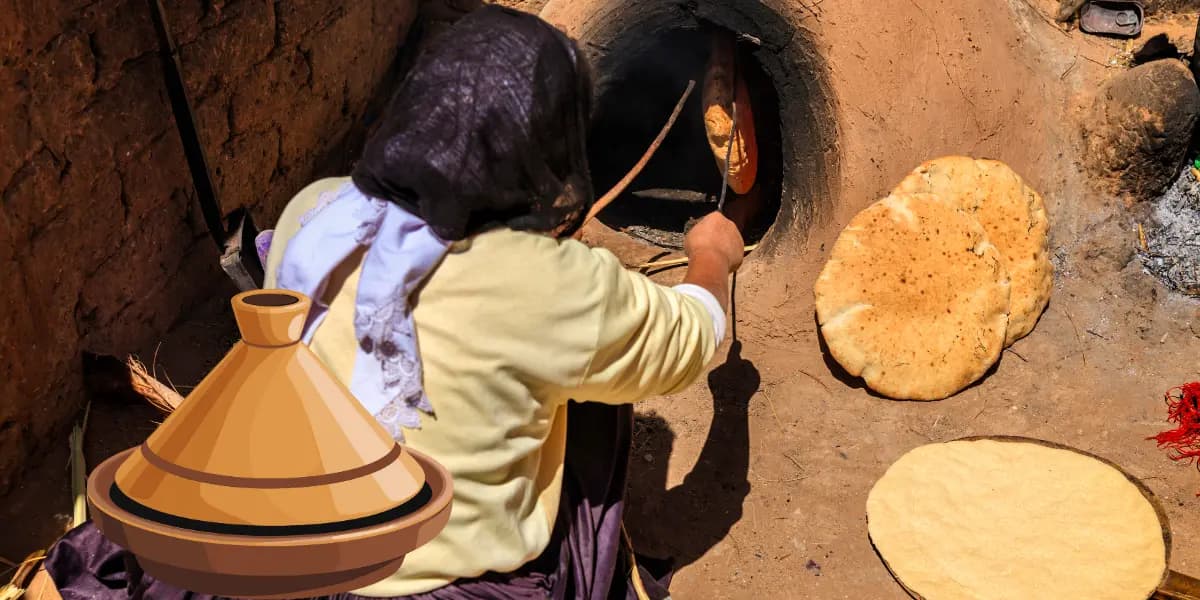
Moroccan bread, particularly the traditional amlou, represents more than just a food staple. It embodies centuries of Amazigh heritage and cultural identity. Baked in clay ovens and prepared using time-honored methods, this bread carries the essence of North African tradition into every household.
The art of making Moroccan bread has been passed down through generations, with each family maintaining its own unique techniques and secrets. Understanding this craft provides insight into the broader culinary traditions of the Amazigh people.
The History of Traditional Moroccan Bread
Dating back centuries, Moroccan bread-making traditions are deeply rooted in Amazigh culture. The use of communal ovens, or forno, became a central gathering place in Moroccan villages. Women would gather each morning to bake their daily bread, creating a social fabric that held communities together.
The bread-making process reflects the resourcefulness of the Amazigh people, utilizing locally available grains and natural fermentation methods that required no modern equipment. This sustainable approach has remained largely unchanged for hundreds of years.
Essential Ingredients for Moroccan Bread
Traditional Moroccan bread requires simple, quality ingredients:
- Durum wheat flour - The primary ingredient, known for its rich, nutty flavor
- Water - Preferably spring water for the best results
- Sea salt - Enhances flavor and aids in fermentation
- Natural yeast or sourdough starter - Used for traditional fermentation
- Olive oil - Often brushed on the surface before baking
- Sesame seeds or nigella seeds - Traditional toppings for added flavor
The Traditional Bread-Making Process
Step 1: Preparing the Dough
The process begins early in the morning. Flour is mixed with water, salt, and natural yeast. The mixture is kneaded by hand for 15-20 minutes, developing gluten strands that give the bread its characteristic texture. Unlike modern baking, this process relies on the baker's intuition and experience rather than precise measurements.
Step 2: First Fermentation
The dough is left to rise in a covered basin for 4-6 hours, allowing natural fermentation to develop complex flavors. This slow fermentation is crucial to achieving the distinctive taste and texture of authentic Moroccan bread. The cool morning temperature in villages ensures optimal fermentation conditions.
Step 3: Shaping
Once risen, the dough is divided into portions and shaped by hand into round or oval loaves. The baker's skill is evident in the uniformity and symmetry of each loaf. Decorative patterns are often scored into the surface, serving both aesthetic and functional purposes.
Step 4: Final Rise
The shaped loaves are placed on wooden boards and allowed a second rise of 1-2 hours. This crucial step ensures the bread achieves the perfect volume and crumb structure before entering the oven.
Step 5: Baking in Traditional Ovens
The communal clay ovens, heated to extremely high temperatures using wood fires, are the heart of the bread-making tradition. Bakers expertly slide loaves into the intense heat, where they bake for 20-30 minutes. The high moisture in the oven creates a crispy crust while keeping the interior soft and tender.
The Cultural Significance of Bread in Moroccan Society
Bread holds a sacred place in Moroccan culture. It is treated with deep respect, never wasted, and often given spiritual significance in religious practices. Breaking bread together symbolizes unity, hospitality, and community bonds.
The communal oven tradition has served as a gathering point for centuries, where families share not just the baking space but also stories, news, and support. This social aspect of bread-making remains vital to Moroccan village life, even as modern conveniences become available.
Nutritional Benefits of Traditional Moroccan Bread
Unlike mass-produced bread, traditional Moroccan bread offers significant nutritional advantages:
- Complex carbohydrates - The slow fermentation breaks down starches, making them easier to digest
- Essential minerals - Durum wheat contains selenium, copper, and manganese
- Improved bioavailability - Natural fermentation enhances mineral absorption
- Lower glycemic index - The fermentation process reduces blood sugar spikes
- Beneficial bacteria - Sourdough fermentation creates probiotics
Variations Across Morocco
Different regions of Morocco have developed their own bread specialties. Coastal areas incorporate different grains and techniques suited to their climate, while mountain communities developed methods that work with their local resources. Some regions add herbs like coriander or caraway seeds to their dough, while others flavor their bread with anise or fennel.
The variation in techniques and ingredients reflects the diverse geography and cultural heritage of Morocco, from the Rif Mountains to the Sahara Desert.
Preserving the Tradition in Modern Times
As industrialization spreads, many Moroccan families continue to maintain their traditional bread-making practices. Younger generations are learning from their elders, ensuring this valuable cultural heritage survives. Some communities have even established bread-making cooperatives to support local bakers and maintain traditional methods.
In urban areas, bakeries dedicated to traditional methods are gaining popularity as consumers seek authentic, wholesome bread. This revival of interest demonstrates that traditional food practices hold enduring value in modern society.
How to Appreciate Moroccan Bread
When tasting traditional Moroccan bread, take time to notice its characteristics. The crust should be crispy and deeply golden, while the crumb should be open and airy. The flavor should be complex, with subtle nutty notes from the fermentation. The bread pairs beautifully with Moroccan olive oil, honey, or fresh cheese.
Sharing bread in the Moroccan tradition is an act of hospitality and warmth. It represents centuries of knowledge, craftsmanship, and cultural pride.
Conclusion
The tradition of making Moroccan bread represents far more than a culinary technique. It is a living connection to Amazigh heritage, a symbol of community, and an expression of cultural identity. In a world of industrial food production, the continuation of these traditional methods serves as a reminder of the value of slow, mindful practices and the importance of preserving cultural traditions.
By understanding and appreciating the artistry of traditional Moroccan bread-making, we honor the generations of bakers who have kept this craft alive. Whether enjoyed fresh from a communal oven or savored in a modern kitchen, Moroccan bread carries within it the warmth, wisdom, and resilience of the Amazigh people.