
15
Prep (min)
45
Cook (min)
6
Servings
Easy
Level
Introduction
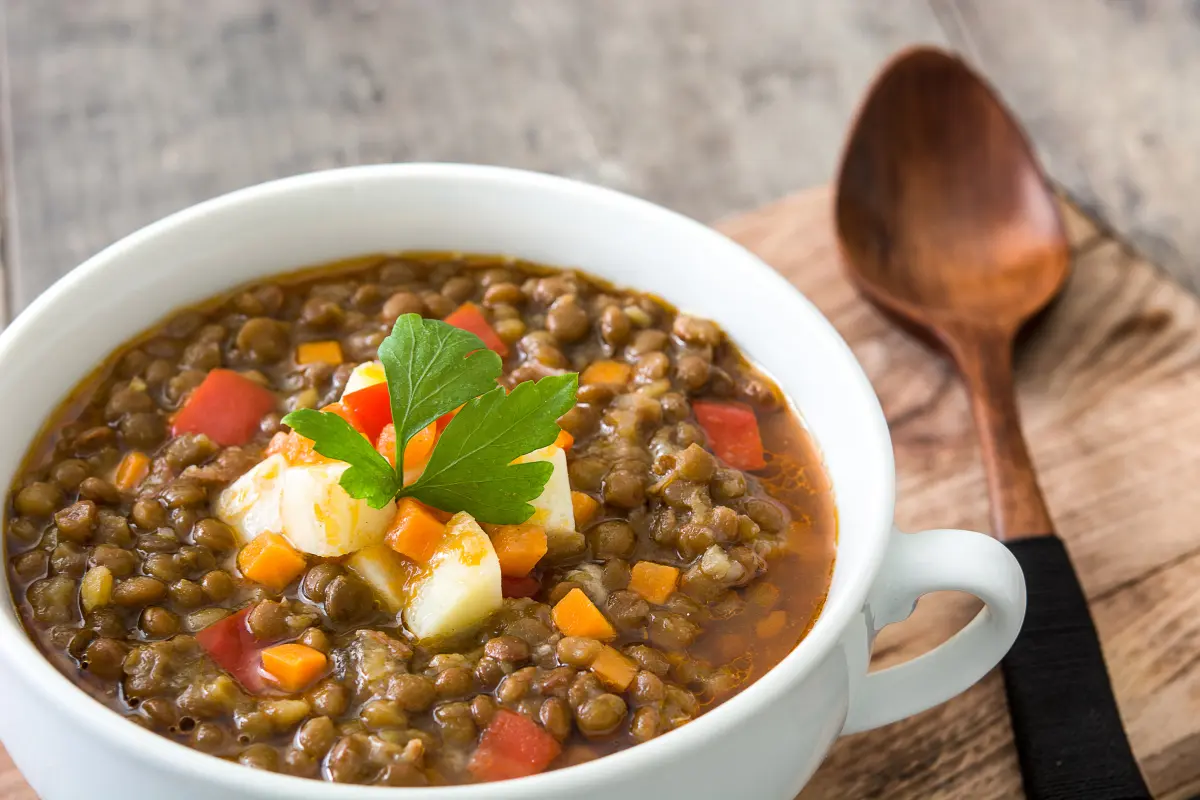
Chorba Aadess (شوربة العدس) is Morocco's beloved lentil soup—a humble yet profoundly satisfying dish that warms the body and soothes the soul. Unlike the smooth, pureed lentil soups of other Middle Eastern traditions, Moroccan chorba aadess is typically left with texture, showcasing tender green or brown lentils swimming in a fragrant, spiced broth alongside small dice of vegetables that have softened to perfection [citation:2][citation:3][citation:6].
This soup holds a special place in Moroccan culinary tradition, particularly during the holy month of Ramadan. After a long day of fasting, a steaming bowl of chorba aadess is often the first thing to pass the lips—light enough to gently wake the digestive system, yet substantial enough to provide immediate nourishment and energy [citation:8][citation:10]. The word 'chorba' itself comes from the Arabic root relating to 'drinking,' reflecting how this soup is meant to be savored, spoonful by comforting spoonful [citation:10].
What makes Moroccan chorba aadess distinctive is its aromatic profile. While cumin provides the earthy backbone, additions like ginger, paprika, and sometimes a hint of cinnamon or ras el hanout create layers of warmth without heat [citation:6]. Fresh cilantro and parsley are stirred in at the end, adding brightness that cuts through the richness. A generous squeeze of lemon juice just before serving is non-negotiable—its acidity lifts all the flavors and transforms the soup from simple to sublime [citation:2][citation:3][citation:6].
Served with crusty Moroccan bread (khobz) for dipping, chorba aadess is a complete meal in a bowl. It represents the best of Moroccan home cooking: economical, nourishing, and made with love from ingredients that are always on hand. Whether you're observing Ramadan, seeking comfort on a cold day, or simply craving something wholesome, this soup delivers warmth in every spoonful.
About This Recipe
Chorba Aadess (شوربة العدس) has been a staple of Moroccan cuisine for centuries, with roots that trace back through the Islamic culinary traditions of North Africa. The word 'chorba' itself derives from the Arabic word for 'drink' or 'beverage,' reflecting how soups like this one have long been used to nourish and hydrate, particularly during Ramadan when the faithful break their daily fast [citation:10]. Lentils have been cultivated in the Mediterranean basin since prehistoric times, and their integration into Moroccan cooking represents the fusion of Berber agricultural traditions with Arab culinary influences. Unlike the more elaborate harira—Morocco's famous tomato-based soup with chickpeas and meat—chorba aadess has always been the everyday soup of the people, requiring only ingredients that most households have on hand: lentils, onions, garlic, and spices. Throughout the Maghreb, each country has developed its own variation. The Moroccan version is distinguished by its generous use of cumin and fresh herbs, its preference for textured lentils over pureed ones, and the essential final squeeze of lemon that brightens the entire dish [citation:2][citation:3]. Algerian versions might include more vegetables or different spice blends [citation:2][citation:3][citation:6], while Egyptian chorba aadess is typically smoother and sometimes includes rice [citation:1][citation:5]. In Moroccan households, chorba aadess is more than just food—it's a symbol of hospitality and care. It's the soup prepared for neighbors who are ill, for new mothers needing nourishment, and for guests arriving on cold evenings. During Ramadan, it appears on countless tables as the first dish to break the fast, valued for its ability to gently awaken the digestive system while providing sustained energy [citation:8][citation:10]. Today, this humble soup continues to evolve while remaining deeply traditional. Modern Moroccan cooks might add potatoes for heartiness [citation:8][citation:10], adjust spices to personal preference [citation:6], or serve it with contemporary garnishes, but the soul of the dish remains unchanged: simple, nourishing, and made with love.
Nutrition / serving
Recipe Tags
Understanding the Ingredients
Lentils (Green or Brown)
Moroccan chorba aadess traditionally uses green or brown lentils, which hold their shape well during cooking while becoming tender and creamy [citation:2][citation:3][citation:6]. Unlike red lentils that break down completely, these varieties provide pleasant texture and bite. They're thoroughly rinsed before cooking to remove any dust or impurities. No soaking is required—they'll soften perfectly during the 30-45 minute simmer. Green lentils from Le Puy are excellent, but any high-quality brown or green lentil works beautifully.
Aromatic Vegetables
The classic trio of onion, carrot, and celery forms the flavor foundation [citation:2][citation:3]. The onion provides sweetness, carrot adds earthiness and natural sugar, while celery contributes subtle savory notes. All are diced into small, uniform pieces (about 1/4 inch) so they cook evenly and become tender in the same timeframe as the lentils. Some Moroccan versions include small-diced potato or tomato, adding body and gentle acidity respectively [citation:6][citation:8][citation:10]. The tomatoes should be ripe and peeled for the best texture.
Garlic and Spices
Fresh garlic is essential—crushed or minced, it infuses the soup with pungent depth. Cumin is the dominant spice, providing warm, earthy notes that define the soup's character [citation:1][citation:2][citation:3]. Paprika adds sweetness and color. Ground ginger, common in Moroccan cooking, contributes gentle warmth without heat [citation:6][citation:7]. Some versions include a pinch of ras el hanout for complexity, or a touch of turmeric for golden color [citation:6][citation:7]. Cayenne or harissa is optional for those who enjoy subtle heat [citation:6].
Fresh Herbs
Fresh cilantro and parsley are indispensable—they're stirred in at the end of cooking, providing bright, fresh contrast to the earthy lentils [citation:2][citation:3][citation:6]. The quantities are generous; this isn't just a garnish but an integral flavor component. Cilantro contributes its distinctive citrusy notes, while flat-leaf parsley adds clean, grassy freshness. Some cooks also add a small amount of fresh mint or dried mint for an additional layer of complexity [citation:7].
Lemon
Fresh lemon juice is the final essential element that transforms the soup [citation:2][citation:3][citation:4]. Added just before serving, its acidity brightens all the other flavors, cuts through the earthiness of the lentils, and provides a clean finish. The lemon should be fresh—bottled juice lacks the necessary vibrancy. Some cooks also serve additional lemon wedges alongside, allowing each person to adjust to taste. This lemon-accented finish is what distinguishes Moroccan lentil soup from other versions.
Step-by-Step Cooking Guide
Prepare Vegetables and Lentils
15 minRinse 300g of green or brown lentils thoroughly under cold water until the water runs clear. Drain and set aside. Finely dice 1 large onion, 2 carrots, and 2 celery stalks into small, uniform pieces (about 1/4 inch). Crush or mince 4 garlic cloves. If using tomatoes, peel 2 ripe tomatoes by scoring the skin, blanching in boiling water for 30 seconds, then plunging into ice water—peel and dice finely. Chop 1/2 cup fresh cilantro and 1/2 cup fresh parsley, keeping them separate.
Tip: Uniform dice ensures all vegetables cook at the same rate. The lentils don't need soaking—they'll cook perfectly in 30-45 minutes. Prepare all ingredients before starting to cook.
Sauté Aromatics
10 minHeat 3 tablespoons olive oil in a large, heavy-bottomed pot over medium heat. Add the diced onion and cook, stirring occasionally, for 5-7 minutes until softened and translucent but not browned [citation:2][citation:3][citation:6]. Add the minced garlic and cook for 1 minute until fragrant. If using carrots and celery, add them now and cook for another 3-4 minutes, stirring occasionally.
Tip: Sweating the vegetables slowly builds flavor. If they start to brown, reduce heat slightly. The goal is soft, sweet vegetables, not caramelized ones.
Add Spices and Tomato
5 minAdd 2 teaspoons ground cumin, 1 teaspoon paprika, 1/2 teaspoon ground ginger, and 1/4 teaspoon black pepper [citation:6][citation:7][citation:8]. Stir constantly for 1 minute to toast the spices and release their oils—this step deepens their flavor significantly. If using turmeric or a pinch of cayenne, add now. Add the diced tomatoes (if using) and cook for 2-3 minutes until they begin to break down [citation:2][citation:3][citation:6]. If using tomato paste, add 1 tablespoon and stir to coat the vegetables.
Tip: Toasting the spices in the oil (blooming) is essential for maximum flavor. Don't rush this step—the spices should become fragrant and slightly darkened.
Add Lentils and Liquid
40 minAdd the rinsed lentils to the pot and stir to combine with the vegetable-spice mixture [citation:2][citation:3][citation:6]. Pour in 2 liters (8 cups) of vegetable stock or water [citation:1][citation:10]. If using water, add 2 vegetable bouillon cubes for deeper flavor. Add 2 bay leaves if desired. Bring to a boil, then immediately reduce heat to low, cover, and simmer gently for 30-45 minutes until lentils are tender but still hold their shape [citation:2][citation:3][citation:6].
Tip: The soup should maintain a gentle simmer, not a rolling boil. Check occasionally and stir to prevent lentils from sticking to the bottom. Add more hot water if soup becomes too thick.
Add Potatoes (Optional) and Finish
10 minIf using potatoes, peel and dice 2 small potatoes into 1/2-inch cubes. Add them to the soup during the last 20 minutes of cooking [citation:8][citation:10]. When lentils are tender, stir in half the chopped cilantro and parsley [citation:2][citation:3]. Simmer for 5 more minutes. Remove bay leaves. Taste and adjust seasoning with salt and pepper—typically 1-2 teaspoons salt depending on stock saltiness.
Tip: Potatoes should be just tender, not falling apart. Fresh herbs are added in two stages—some during cooking to infuse, some at the end for brightness.
Add Lemon and Serve
5 minJust before serving, stir in the juice of 1-2 lemons (about 3-4 tablespoons), starting with less and adding more to taste [citation:4][citation:5][citation:6]. The soup should have a pleasant tanginess that balances the earthy lentils. Ladle into bowls, garnish with the remaining fresh herbs, and serve immediately with crusty Moroccan bread (khobz) and extra lemon wedges on the side [citation:6][citation:9].
Tip: Add lemon juice just before serving—if added too early, its brightness fades. Each person can adjust with additional lemon at the table. The soup is meant to be substantial but still spoonable.
Common Mistakes to Avoid
✗ Using Red Lentils Instead of Green/Brown
Fix: Red lentils disintegrate completely during cooking, creating a pureed soup rather than the textured Moroccan version. Use green or brown lentils that hold their shape. If only red lentils are available, add them during the last 15 minutes and expect a thicker, smoother result.
✗ Skipping the Lemon
Fix: Lemon juice is not optional—it's essential to Moroccan chorba aadess. Without it, the soup tastes flat and earthy. The acidity lifts all the flavors and provides the characteristic bright finish. Always add fresh lemon juice just before serving.
✗ Not Blooming the Spices
Fix: Adding spices directly to the liquid without sautéing them first results in muted flavor. Always cook the spices in oil for at least a minute before adding liquid—this releases their essential oils and dramatically deepens the soup's flavor profile.
✗ Overcooking the Lentils
Fix: While lentils need to be tender, they shouldn't become mushy. Check them at 30 minutes and every 5 minutes thereafter. Different lentils have varying cooking times. The soup is ready when lentils are tender but still hold their shape.
✗ Using Bottled Lemon Juice
Fix: Bottled lemon juice lacks the fresh, bright quality needed. Always use fresh lemons. For maximum juice, roll the lemon firmly on the counter before cutting—this breaks the membranes and releases more juice [citation:10].
Ingredient Substitutions
Instead of: Green/Brown Lentils
Use: Brown lentils work identically. For a faster-cooking version, use red lentils but reduce cooking time to 15-20 minutes and expect a thicker, more pureed consistency. French Puy lentils are excellent but may require slightly longer cooking.
Instead of: Fresh Tomatoes
Use: 1 can (400g) diced tomatoes, drained, or 2 tablespoons tomato paste dissolved in 1/2 cup water. Canned tomatoes are acceptable when fresh are out of season.
Instead of: Fresh Cilantro
Use: Increase parsley and add a small amount of fresh mint. For those who dislike cilantro, use all parsley with a few mint leaves.
Instead of: Vegetable Stock
Use: Water with vegetable bouillon cubes. Chicken stock can be used for non-vegetarian version, though traditional Moroccan chorba aadess is often meatless.
Serving Suggestions
Serve as a starter during Ramadan to break the fast, accompanied by dates and harira [citation:8][citation:10].
Pair with crusty Moroccan bread (khobz) for dipping—essential for soaking up every last drop [citation:6].
For a complete meal, serve with a simple Moroccan salad of tomatoes, cucumbers, and olives.
Offer additional lemon wedges, fresh herbs, and a small bowl of cumin for guests to customize their soup.
In colder months, serve piping hot with a drizzle of good olive oil and a sprinkle of paprika.
Leftovers can be thinned with water or stock and reheated gently—flavors often improve overnight.
Storage & Reheating
Storage
Cool completely and store in airtight containers in refrigerator up to 5 days. The soup thickens upon standing—this is normal. Freeze for up to 3 months in portion-sized containers.
Reheating
Reheat gently on stovetop over medium-low heat, adding water or stock to achieve desired consistency. The soup will have thickened during storage. Stir occasionally. Microwave in covered container with splash of liquid, stirring halfway.
Add fresh lemon juice after reheating, not before, as the acidity fades. The flavors actually improve after a day or two in the refrigerator. Garnish with fresh herbs after reheating for brightness.
Frequently Asked Questions
Recipe by

Nora Alaoui
نورة العلوي
Soup & Stew Expert
View all recipes by Nora →
You May Also Like
Our Ebooks

The Moroccan Vegan
$12.56

Tables of Fez: A Royal Palace Legacy
$22.99

The Soul of Morocco
$20.00
YouTube
Watch step-by-step cooking videos and learn traditional Moroccan techniques.
450+
Subscribers
150+
Videos