
20
Prep (min)
90
Cook (min)
6
Servings
Easy
Level
Introduction
Chorba Belboula, Morocco's beloved barley soup, represents comfort food in its purest form - a warming, nourishing bowl that has sustained Moroccan families through cold winters and Ramadan evenings for generations. The name 'belboula' refers to pearl barley, the humble grain that gives this soup its distinctive hearty texture and nutty flavor. Unlike the more famous harira with its lentils and chickpeas, chorba belboula centers around barley's satisfying chewiness and its ability to absorb and amplify the flavors of the aromatic broth in which it simmers. This is rustic, honest cooking at its finest - meat on the bone for richness, seasonal vegetables for nutrition, warming spices for depth, and plenty of fresh herbs for brightness, all unified in a bowl that nourishes body and soul.
The beauty of chorba belboula lies in its simplicity and versatility. The foundation is straightforward: meat (traditionally lamb, though beef or chicken work well), pearl barley, tomatoes, onions, and celery create the base, while cumin, ginger, turmeric, and saffron provide the characteristically Moroccan warmth. Fresh cilantro and parsley add brightness. Beyond this core, each family adapts the recipe based on preference and what vegetables are available - carrots, turnips, potatoes, zucchini, or cabbage might appear depending on season and region. Some versions are thick and stewlike, others more brothlike and soupy. The soup can be vegetarian or packed with meat, mildly spiced or boldly flavored, quick-cooking or slowly simmered for hours.
During Ramadan, chorba belboula frequently appears on iftar tables alongside or alternating with harira, providing variety and the specific comfort of barley's filling, satisfying nature after a day of fasting. The soup breaks the fast gently while delivering substantial nutrition. Outside Ramadan, chorba belboula is cold-weather food par excellence - the kind of soup you make on gray winter days when you need warmth from the inside out. It's also practical family food that feeds many from humble ingredients, stretches precious meat, and tastes even better the next day when the barley has absorbed more broth and the flavors have melded.
About This Recipe
Chorba Belboula holds a humble but honored place in Moroccan culinary tradition as nourishing, accessible comfort food that has sustained families through winters and Ramadan evenings for generations. Barley, one of humanity's oldest cultivated grains, has been a staple in North Africa since ancient times, valued for its hardiness, nutrition, and ability to grow in challenging climates. The Berber peoples of Morocco have long relied on barley, both as porridge and in soups, for sustenance. The specific preparation of chorba belboula likely emerged as Moroccan cuisine developed its characteristic spice profiles and cooking techniques, combining indigenous Berber ingredients like barley with Arab influences like warm spices and aromatics, plus tomatoes that arrived from the New World. Unlike elaborate celebration dishes, chorba belboula belongs to everyday home cooking - the kind of soup mothers make for their families when they need warmth, nourishment, and comfort without ceremony or expense. During Ramadan, chorba belboula often alternates with harira on iftar tables, providing variety while delivering the substantial nutrition needed after fasting. The soup's filling, satisfying nature makes it ideal for breaking the fast gently while providing sustained energy. In rural areas and working-class neighborhoods, chorba belboula has long been appreciated as economical family food that stret ches meat and seasonal vegetables while delivering complete nutrition in one pot. Its popularity transcends social classes, appearing in humble homes and upscale restaurants alike, with each cook adding their personal touch—more or less spice, different vegetable combinations, or varying meat-to-barley ratios. The soup's enduring appeal lies in its perfect harmony of simplicity, nutrition, and comfort—the soothing warmth of slow-simmered broth, the satisfying chew of barley, the sweetness of vegetables, and the depth of spices. Today, chorba belboula remains a cherished emblem of Moroccan home cooking, a dish that connects modern Moroccans to generations past while continuing to provide warmth and nourishment. As global interest in ancient grains and wholesome eating grows, this traditional barley soup finds new appreciation beyond Morocco's borders, celebrated for its rustic simplicity and deep, soul-satisfying flavors. More than just a recipe, chorba belboula represents Moroccan culinary wisdom at its most practical and profound.
Nutrition / serving
Recipe Tags
Understanding the Ingredients
Pearl Barley
The soul of this soup is pearl barley - barley grains that have been hulled and polished to remove the outer bran layer, leaving the white, starchy center. Pearl barley cooks more quickly than hulled or whole barley (which requires pre-soaking) and creates a pleasantly chewy texture. You will need approximately one cup of pearl barley for six servings. As the barley cooks, it releases starch that naturally thickens the soup while the grains plump up and become tender. Pearl barley should be rinsed before using to remove excess starch. Look for pearl barley in the grains or bulk section of grocery stores. The barley will roughly double in size during cooking and absorbs a significant amount of liquid, so account for this when planning quantities.
Lamb or Beef with Bone
Traditional chorba belboula uses lamb or beef with bones - lamb shanks, neck, shoulder chops, or beef shank work beautifully. The bones enrich the broth with gelatin and depth, while the meat becomes fall-apart tender during the long simmering. You need about one and a half pounds of meat with bones for substantial flavor and protein. The meat should be cut into large chunks that can withstand long cooking. Bone-in chicken pieces (thighs, drumsticks) also work and create lighter but still flavorful soup. For vegetarian version, omit meat entirely and use vegetable stock, though the soup will be quite different in character.
Tomatoes
Tomatoes provide acidity, sweetness, and body to the soup base. Fresh tomatoes (about one pound, chopped) work during tomato season, but canned tomatoes are often more convenient and reliable. One 14-ounce can of diced or crushed tomatoes works perfectly. Tomato paste (two to three tablespoons) is often added as well for concentrated tomato flavor and to help thicken the soup. The tomatoes break down during cooking, creating a flavorful base that ties all the ingredients together.
Aromatic Vegetables
The aromatic foundation requires onions (one to two large, chopped or grated), celery (two to three stalks, chopped - celery is traditional and important for authentic flavor), and garlic (four to five cloves, minced). These aromatics cook down into the broth, providing sweetness, depth, and the characteristic flavor base. Fresh cilantro and parsley (large bunches tied with string) simmer with the soup, infusing it with their fresh, green flavors. Some cooks also add grated fresh ginger root for additional warmth.
Additional Vegetables
Beyond the aromatics, chorba belboula typically includes heartier vegetables that hold up to long cooking. Carrots (two, peeled and chopped), turnips (one or two, peeled and chopped), and potatoes (two medium, peeled and cubed) are most common. Zucchini or cabbage can be added as well, though these should go in later as they cook more quickly. The vegetables should be cut into bite-sized chunks. They add nutrition, color, and variety of texture to the soup.
Spice Blend
The spicing in chorba belboula is warm and aromatic but not spicy-hot. Ground cumin (one to two teaspoons) provides earthy depth. Ground ginger (one teaspoon) adds warming spice. Turmeric (half a teaspoon) contributes golden color and earthy flavor. Saffron threads (a generous pinch) add luxury and distinctive aroma. Black pepper and optional cayenne provide subtle heat. The spices should be fresh and aromatic. They are typically added early in cooking so their flavors can bloom and permeate the entire soup.
Step-by-Step Cooking Guide
Prepare Ingredients
20 minBegin by rinsing one cup of pearl barley under cold running water in a fine-mesh strainer, swishing it around to remove excess starch. Drain well and set aside. Cut one and a half pounds of lamb or beef with bones into large chunks (if not already cut). Chop one to two onions, two to three stalks celery, four to five garlic cloves, two carrots, one to two turnips, and two potatoes into bite-sized pieces. Tie large bunches of fresh cilantro and parsley together with kitchen string to make an herb bundle that can be easily removed later. Have your spices measured and ready. This prep work makes the cooking process smooth and organized.
Tip: Rinsing the barley removes surface starch and prevents excessive thickening. Keep vegetables in relatively uniform pieces for even cooking. The herb bundle should be substantial - use whole stems tied together.
Brown the Meat
12 minIn a large, heavy soup pot or Dutch oven (at least six-quart capacity), heat three tablespoons of olive oil over medium-high heat. Pat the meat pieces dry with paper towels. When the oil is hot, add the meat in a single layer, working in batches if necessary to avoid crowding. Brown the meat on all sides, about three to four minutes per side, until well caramelized. The browning creates fond (browned bits) on the pot bottom and develops deep flavor. Transfer browned meat to a plate. Do not skip this step - it adds tremendous depth to the final soup.
Tip: Dry meat browns better than wet meat. Do not crowd the pot or meat will steam instead of brown. The fond on the pot bottom will flavor the entire soup - do not wash it away.
Sauté Aromatics
8 minIn the same pot, reduce heat to medium. Add the chopped onions and celery. Sauté, stirring occasionally, for five to six minutes until softened and the onions become translucent. Add the minced garlic and cook for one minute until fragrant. If using fresh ginger, add one tablespoon of grated ginger now. Add your spice blend: one to two teaspoons of ground cumin, one teaspoon of ground ginger, half a teaspoon of turmeric, a generous pinch of saffron threads, half a teaspoon of black pepper, and one teaspoon of salt. Stir constantly for one minute, allowing the spices to bloom in the oil and become very aromatic. Scrape up any browned bits from the bottom of the pot - these are pure flavor.
Tip: The aromatics should be softened but not browned. The spices should smell intensely toasted and fragrant, not burnt. Constant stirring prevents burning.
Add Tomatoes and Build Broth
5 minAdd two to three tablespoons of tomato paste to the aromatics and spices. Stir constantly for one to two minutes, cooking the paste to remove any raw flavor. Then add your tomatoes - either one 14-ounce can of diced tomatoes or about one pound of fresh chopped tomatoes. Stir well, scraping up all the fond from the bottom. Return the browned meat to the pot along with any accumulated juices. Add the rinsed pearl barley, stirring to combine. Add the herb bundle (tied cilantro and parsley). Pour in eight cups of water or stock - enough to cover everything by about two inches. Bring to a boil over high heat.
Tip: Cooking the tomato paste intensifies its flavor. Make sure to scrape up all the browned bits. Eight cups of liquid is a starting point - you may need more as the barley absorbs liquid during cooking.
Simmer Meat and Barley
45 minOnce the soup reaches a boil, immediately reduce heat to maintain a gentle simmer. Cover the pot partially, leaving it slightly ajar to allow steam to escape. Simmer for forty-five minutes, stirring occasionally. During this time, the meat will become tender and the barley will begin to plump up. Skim off any foam or scum that rises to the surface, especially in the first fifteen minutes. The soup should maintain a steady, gentle bubble - not a rolling boil. After forty-five minutes, check the barley - it should be partially tender but still have some bite. Check the liquid level - if it seems low, add more hot water as needed. The soup should remain quite liquid at this stage.
Tip: Maintain gentle heat throughout - vigorous boiling can make meat tough and barley mushy. Skim the surface for clear broth. The barley absorbs a lot of liquid, so monitor levels and add water as needed.
Add Vegetables
40 minAfter the initial forty-five minutes of simmering, add the chopped carrots, turnips, and potatoes to the soup. Stir gently to incorporate. If the soup seems too thick or the liquid level is low, add additional hot water - one to two cups. The soup should be soupy, not stewlike at this stage. Continue simmering gently, partially covered, for another thirty to forty minutes until the vegetables are tender, the meat is fall-apart tender, and the barley is completely cooked and tender. The barley should be plump and soft but still retain some pleasant chewiness. If using quicker-cooking vegetables like zucchini or cabbage, add them during the last fifteen minutes of cooking.
Tip: Add vegetables based on cooking time - root vegetables need longer, delicate vegetables less time. Check tenderness by tasting vegetables and barley. The soup should remain liquid enough to be spoonable, not thick stew.
Final Seasoning and Finishing
10 minOnce everything is tender, remove and discard the herb bundle. If the meat is on large bones, carefully remove the bones and any meat that has fallen off, shred the meat into bite-sized pieces, and return it to the pot. Taste the soup and adjust seasoning - you will likely need to add more salt (soups require generous salt), and possibly more cumin or black pepper. The soup should be well-seasoned and flavorful. If too thick, add hot water to reach desired consistency - it should be liquid enough to eat with a spoon but substantial enough to feel like a meal. Stir in half a cup each of freshly chopped cilantro and parsley for a final burst of fresh flavor. Let the soup rest off the heat for five to ten minutes before serving to allow flavors to settle.
Tip: Taste and season generously - soups need salt. The consistency should be soupy but hearty. Fresh herbs at the end add brightness. Resting allows flavors to meld.
Serve
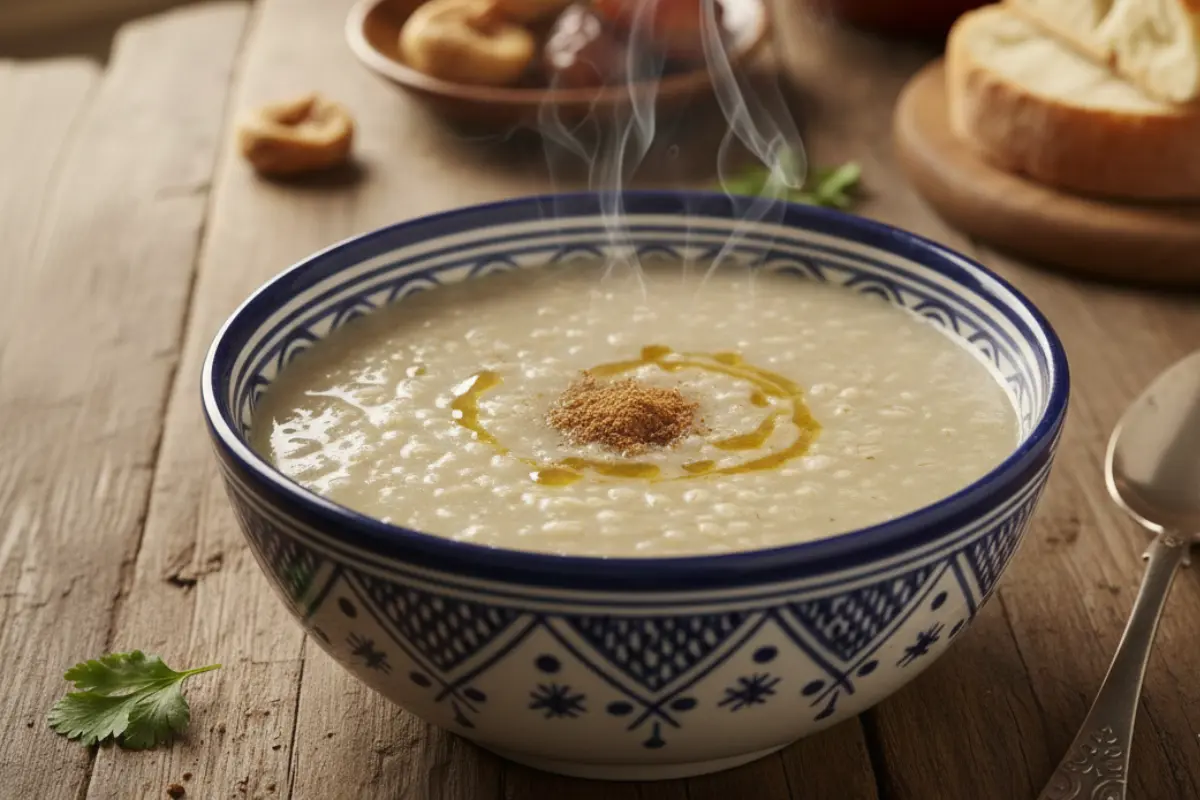
5 minLadle the hot soup into bowls, ensuring each serving gets meat, barley, and vegetables. Drizzle each bowl with a bit of olive oil for richness and shine. Garnish with additional fresh cilantro and parsley. Serve immediately with crusty bread, Moroccan khobz, or baguette on the side. Some people like to squeeze fresh lemon juice over their bowl for brightness. During Ramadan, serve chorba belboula with dates and Moroccan sweets as part of the traditional iftar spread.
Tip: Serve piping hot for maximum comfort. The olive oil drizzle adds traditional richness. Fresh bread is essential for a complete experience. The soup keeps well and tastes even better the next day.
Common Mistakes to Avoid
✗ Not Browning the Meat
Fix: Skipping the browning step results in pale, less flavorful soup. Always brown meat properly before adding liquid - this creates fond and develops deep flavor that enriches the entire soup.
✗ Using Too Little Liquid
Fix: Barley absorbs a tremendous amount of liquid during cooking. Start with plenty of liquid (eight cups minimum) and add more as needed. The soup should remain soupy, not thick like stew. Monitor liquid levels throughout cooking.
✗ Adding Vegetables Too Early
Fix: Vegetables added at the beginning become mushy and overcooked. Add heartier vegetables like carrots and potatoes after the meat and barley have cooked for forty-five minutes, and delicate vegetables like zucchini even later.
✗ Under-Seasoning
Fix: Soups require generous seasoning to taste good. After cooking, taste and add salt boldly - the soup should be well-seasoned and flavorful, not bland. Adjust cumin and other spices as well.
✗ Cooking at Too High Heat
Fix: Vigorous boiling makes meat tough and can cause barley to become mushy or split. Maintain a gentle simmer throughout cooking - the liquid should barely bubble, not roll.
✗ Discarding the Herb Bundle Too Early
Fix: The tied herbs should simmer with the soup for the entire cooking time to fully infuse their flavors. Remove only at the end when ready to serve. Discarding early loses flavor potential.
Ingredient Substitutions
Instead of: Pearl Barley
Use: Hulled barley has more nutrition but requires longer cooking (pre-soak overnight). Farro or wheat berries provide similar chewy texture. Brown rice works for gluten-free but changes character significantly.
Instead of: Lamb or Beef with Bone
Use: Boneless lamb or beef chunks work but provide less rich broth - increase cooking time slightly. Bone-in chicken (thighs, drumsticks) creates lighter but still good soup. For vegetarian, omit meat and use vegetable stock.
Instead of: Fresh Tomatoes
Use: One 14-ounce can diced tomatoes works perfectly. Tomato passata or sauce can substitute. Tomato paste alone creates more concentrated flavor but less liquid - adjust accordingly.
Instead of: Celery
Use: While celery is traditional and provides distinct flavor, it can be omitted or replaced with fennel for different but interesting flavor. Celery leaves alone add some of the characteristic taste.
Serving Suggestions
Serve chorba belboula during Ramadan as part of the iftar meal, alongside dates, Moroccan sweets, and other traditional break-fast foods.
Present as a main course for winter family dinners with plenty of crusty bread for dipping and soaking up the broth.
Accompany with simple Moroccan salads - sliced oranges with cinnamon, tomato and onion salad, or cucumber salad for fresh contrast.
Drizzle each bowl with quality olive oil and garnish with fresh herbs for traditional finishing touch.
Serve with fresh lemon wedges on the side - squeezing lemon juice over the soup brightens flavors beautifully.
Include harissa paste on the side for those who want additional heat and complexity.
For complete Ramadan iftar, serve alongside msemen, baghrir, or other Moroccan breads and pastries.
Storage & Reheating
Storage
Chorba belboula stores excellently and actually improves in flavor overnight as ingredients continue to meld. Allow to cool completely, then transfer to airtight containers and refrigerate for up to five days. The barley will continue absorbing liquid during storage, making the soup thicker. The soup can also be frozen for up to three months - freeze in portion-sized containers for convenient future meals. Thaw overnight in refrigerator before reheating.
Reheating
To reheat, place soup in a pot over medium-low heat, stirring occasionally. The soup will have thickened significantly during storage as the barley absorbed more liquid - add water or stock as needed to reach desired consistency, starting with one to two cups and adjusting from there. Heat gently until warmed through, about fifteen to twenty minutes from refrigerated. Taste and adjust seasoning, as flavors can mellow during storage. Add fresh herbs when serving. Microwave reheating works for individual portions - add water first, heat covered, stirring halfway through.
The soup thickens dramatically overnight - this is normal. Just thin with water or stock when reheating. The flavors actually improve after a day. Make double batch intentionally for easy meals throughout the week. Fresh bread and herb garnish make reheated soup taste freshly made.
Frequently Asked Questions
Recipe by

Nora Alaoui
نورة العلوي
Soup & Stew Expert
View all recipes by Nora →
You May Also Like
Our Ebooks

The Moroccan Vegan
$12.56

Tables of Fez: A Royal Palace Legacy
$22.99

The Soul of Morocco
$20.00
YouTube
Watch step-by-step cooking videos and learn traditional Moroccan techniques.
450+
Subscribers
150+
Videos