
20
Prep (min)
90
Cook (min)
6
Servings
Medium
Level
Introduction
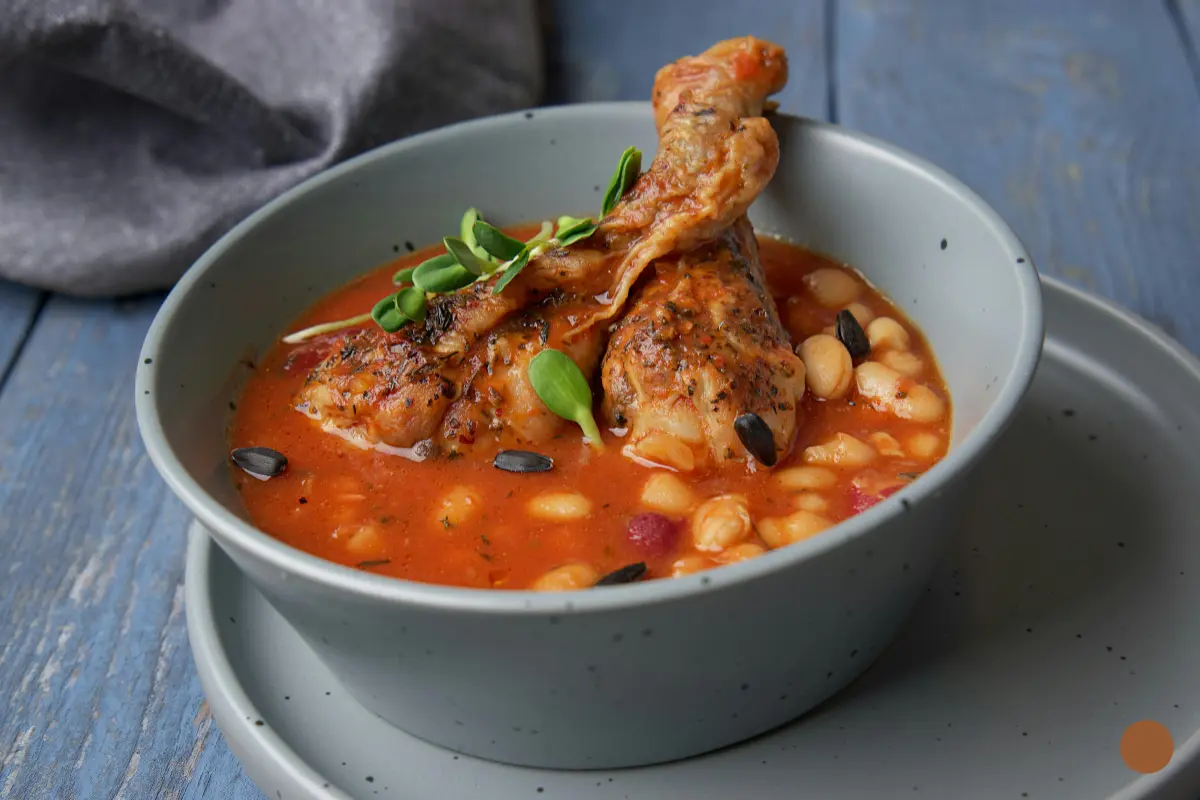
Chorba Loubia (شوربة اللوبيا) is Morocco's beloved white bean soup, a humble yet profoundly satisfying dish that has warmed generations of Moroccan families. Known across the Maghreb, this soup transforms simple ingredients—dried white beans, tender meat, and aromatic spices—into a rich, velvety broth that nourishes both body and soul [citation:1].
Unlike the more famous harira, which is thickened with flour and tomatoes, chorba loubia celebrates the natural creaminess of white beans, slowly simmered until they begin to break down and thicken the broth [citation:4]. The soup is infused with a warm blend of cumin, paprika, and often a touch of harissa, creating layers of flavor without overwhelming heat. Garlic plays a starring role, its pungency mellowing during long cooking into sweet, savory depth [citation:4].
In Moroccan households, chorba loubia appears on tables throughout the year but holds particular significance during Ramadan, when its protein-rich beans provide sustained energy after a day of fasting. It's also the soup of choice on cold winter days, when its thick, comforting broth chases away the chill [citation:4]. Served with crusty Moroccan bread (khobz) for dipping and a final flourish of cumin and vinegar or lemon, it's a complete meal in a bowl.
This recipe draws from authentic Moroccan and North African traditions, combining the best elements to create a soup that is both deeply traditional and accessible to home cooks. Whether you're observing Ramadan, seeking comfort from winter weather, or simply craving something wholesome, chorba loubia delivers warmth with every spoonful.
About This Recipe
Chorba Loubia (شوربة اللوبيا) belongs to the vast family of North African soups that have sustained communities for centuries. While harira may be Morocco's most famous soup, chorba loubia represents the everyday nourishment of ordinary families—simple, economical, and deeply satisfying [citation:1]. The soup's origins trace to the agricultural traditions of the Maghreb, where beans have been cultivated since ancient times. White beans, in particular, were valued for their ability to dry and store for months, providing protein through winter months when fresh vegetables were scarce. The combination of beans with small amounts of meat—often just enough to flavor the broth—reflects the resourcefulness of traditional cooking [citation:1]. Across North Africa, each country has developed its own variation. The Algerian version, known as 'shorba loubia,' is very similar, often including hot chili paste and served with a final drizzle of olive oil and cumin [citation:1]. The Tunisian version might include more harissa and capers. Moroccan chorba loubia is distinguished by its generous use of cilantro and its balance of cumin and paprika, creating a warmer, more aromatic profile [citation:4]. In Moroccan households, chorba loubia holds a special place during Ramadan. After a day of fasting, the soup's protein-rich beans provide sustained energy, while its broth gently rehydrates the body. It's often served alongside dates and chebakia, the classic sesame cookies, before the main meal [citation:1]. The soup also appears on cold winter days, when its thick, creamy broth chases away the chill [citation:4]. In rural areas, it's cooked in earthenware pots over wood fires, developing an extra layer of smokiness. In modern Moroccan cities, it remains a beloved classic, connecting contemporary families to their culinary heritage. What makes chorba loubia enduring is its perfect simplicity—a handful of ingredients transformed by time and patience into something far greater than the sum of its parts. It's a testament to the Moroccan culinary philosophy that the best food need not be complicated, only cooked with care and served with love.
Nutrition / serving
Recipe Tags
Understanding the Ingredients
Dried White Beans
The heart of the soup, typically using large white beans (cannellini or white kidney beans). They require overnight soaking—at least 8-12 hours—to rehydrate and reduce cooking time [citation:1]. If you forget to soak them, you can quick-soak by boiling for 2 minutes, then letting them sit covered for 1 hour. The beans should be cooked until extremely tender, almost beginning to break down, as this creates the soup's characteristic creamy texture [citation:4]. Never use canned beans for this soup—they lack the necessary starch and will become mushy without creating the right broth consistency.
Meat
Traditionally, chorba loubia includes meat for richness and depth. Beef cubes (from chuck or brisket) are classic, providing collagen that enriches the broth [citation:1]. Lamb shoulder or neck chops also work beautifully, adding distinctive savory notes [citation:2]. The meat should be cut into 1-inch cubes and browned before simmering, which develops deep flavor. For a lighter version, you can use lamb or beef bones instead of meat, or omit entirely for a vegetarian soup—though the flavor profile will change significantly.
Aromatic Base
A generous amount of garlic is essential—6-8 cloves or even a whole head, crushed or finely minced [citation:4]. Onion provides sweetness and depth, finely chopped to melt into the broth [citation:1]. Fresh cilantro (coriander) is indispensable, used both during cooking and as garnish [citation:1]. The combination of garlic, onion, and cilantro creates the classic Maghrebi flavor foundation.
Tomatoes and Tomato Paste
Fresh tomatoes, chopped, add brightness and acidity, while tomato paste provides concentrated umami and deep red color [citation:1][citation:4]. The tomato paste is sautéed with the aromatics to caramelize slightly before adding liquid—this step is crucial for developing complex flavor. If fresh tomatoes aren't available, use canned crushed tomatoes (about 1 cup).
Spices
Cumin is the dominant spice, providing warm, earthy notes that define the soup's character [citation:1][citation:4]. Paprika adds sweetness and color. A small amount of harissa or hot chili paste provides gentle heat—adjust to taste [citation:1][citation:4]. Some versions include a pinch of cinnamon or mixed spices (ras el hanout) for complexity, though this is optional. Salt and pepper are adjusted at the end.
Finishing Touches
A drizzle of olive oil before serving adds richness and sheen. A final sprinkle of ground cumin enhances the soup's aromatic profile [citation:1]. Perhaps most distinctive is the addition of a splash of vinegar or lemon juice just before serving—this brightens all the flavors and is characteristic of Maghrebi white bean soups [citation:4]. Some versions also serve with additional harissa on the side for those who want more heat.
Step-by-Step Cooking Guide
Soak the White Beans
10 minRinse 500g (about 2½ cups) of dried white beans thoroughly under cold water. Place in a large bowl and cover with cold water by at least 2 inches. Let soak overnight (8-12 hours) at room temperature [citation:1]. The next day, drain and rinse well before using.
Tip: If you forgot to soak overnight, use the quick-soak method: place beans in a pot, cover with water, bring to a boil for 2 minutes, then remove from heat, cover, and let sit for 1 hour. Drain and proceed.
Prepare the Ingredients
15 minCut 400g (about 14 oz) of beef or lamb into 1-inch cubes. Finely chop 1 large onion. Crush or finely mince 6-8 garlic cloves. Chop 1 large tomato into small dice. Chop a generous bunch of fresh cilantro (about ½ cup), keeping half for cooking and half for garnish. Measure spices: 1½ teaspoons cumin, 1½ teaspoons paprika, and optional ½ teaspoon harissa or chili paste.
Tip: Prepare all ingredients before starting to cook—the process moves quickly once the pot is on the heat. The cilantro should be finely chopped, stems and all, as the stems contain flavor.
Sauté the Meat and Aromatics
12 minIn a large, heavy-bottomed pot or pressure cooker, heat 2 tablespoons olive oil over medium-high heat. Add the meat cubes in a single layer and brown on all sides, about 5-7 minutes total [citation:1]. Reduce heat to medium. Add the chopped onion and cook for 3-4 minutes until softened. Add the crushed garlic and cook for 1 minute until fragrant. If using harissa or chili paste, add it now.
Tip: Don't crowd the meat—brown in batches if necessary. The browned bits on the bottom of the pot (fond) add tremendous flavor to the broth.
Add Spices and Tomato
5 minAdd the cumin, paprika, and tomato paste (about 1½ tablespoons). Stir constantly for 1-2 minutes to toast the spices and caramelize the tomato paste slightly [citation:1]. Add the chopped fresh tomato and cook for 2-3 minutes until it begins to break down.
Tip: This blooming step is crucial—cooking the spices in oil releases their essential oils and dramatically deepens their flavor. The mixture should become fragrant and slightly darkened.
Add Beans and Liquid
5 minAdd the soaked and drained white beans to the pot. Stir to coat with the spice mixture. Add half the chopped cilantro (reserving the rest for garnish). Pour in 6-8 cups (about 1.5-2 liters) of water, enough to cover the beans by about 2 inches [citation:1][citation:4]. Bring to a boil.
Tip: The amount of water depends on how thick you want the soup. Start with 6 cups; you can always add more later if needed. The beans will absorb liquid as they cook.
Cook Until Tender
105 minReduce heat to low, cover, and simmer gently for 1½ to 2 hours, until the beans are extremely tender and beginning to break down [citation:4]. Stir occasionally and add more hot water if needed. If using a pressure cooker, cook on high pressure for 25-30 minutes with natural release.
Tip: The soup is done when the beans are creamy and some have started to disintegrate, naturally thickening the broth. This is what gives chorba loubia its characteristic texture [citation:4].
Adjust Seasoning and Simmer
15 minOnce beans are tender, taste the broth and adjust seasoning with salt and pepper—typically 1½ to 2 teaspoons salt depending on your preference [citation:1]. If the soup is too thin, simmer uncovered for 10-15 minutes to reduce slightly. If too thick, add hot water. The soup should be hearty but still spoonable [citation:4].
Tip: Add salt only after beans are tender—adding it earlier can prevent beans from softening properly. The soup should be creamy but not pasty.
Add Final Touches and Serve
5 minJust before serving, stir in a splash of vinegar (about 1 tablespoon) or lemon juice—this brightens all the flavors and is essential to authentic chorba loubia [citation:4]. Ladle into deep bowls. Garnish with the remaining fresh cilantro. Drizzle each serving with a little olive oil and sprinkle with a pinch of ground cumin [citation:1]. Serve immediately with crusty Moroccan bread (khobz) for dipping.
Tip: The vinegar or lemon should be added at the last moment—if added too early, its brightness fades. Provide extra cumin, harissa, and lemon wedges on the table for guests to customize their bowls.
Common Mistakes to Avoid
✗ Not Soaking the Beans Long Enough
Fix: Beans need at least 8 hours of soaking to rehydrate properly. Insufficient soaking leads to uneven cooking and tough beans. If you're short on time, use the quick-soak method described above.
✗ Adding Salt Too Early
Fix: Salt can toughen bean skins and prevent them from softening properly. Always wait until beans are completely tender before seasoning the broth [citation:1].
✗ Using Canned Beans
Fix: Canned beans lack the starch needed to thicken the soup naturally. They will become mushy without creating the characteristic creamy broth. Always use dried beans and cook them from scratch [citation:4].
✗ Skipping the Vinegar or Lemon
Fix: The final splash of acid is not optional—it's essential to authentic chorba loubia. Without it, the soup tastes flat and heavy. The acid brightens all the flavors and provides the characteristic finish [citation:4].
✗ Not Browning the Meat Properly
Fix: Skipping the browning step results in a pale, one-dimensional broth. Take the time to brown the meat well—this creates deep, savory flavor through the Maillard reaction [citation:1].
Ingredient Substitutions
Instead of: Dried White Beans
Use: Dried cannellini, great northern, or navy beans all work well. Avoid red or black beans—they'll change the character completely. For a quicker version, use fresh white beans when in season, reducing cooking time by half.
Instead of: Beef or Lamb
Use: For a lighter version, use lamb or beef bones instead of meat—they'll still provide collagen and flavor. For a vegetarian version, omit meat entirely, use vegetable stock, and add extra vegetables like carrots and celery for depth.
Instead of: Fresh Tomatoes
Use: 1 cup of canned crushed tomatoes or 2 tablespoons tomato paste dissolved in 1 cup water. Adjust seasoning as canned products may contain salt.
Instead of: Vinegar
Use: Fresh lemon juice works beautifully and is traditional in some regions. Red wine vinegar is also authentic; white vinegar can be used but is less flavorful.
Instead of: Fresh Cilantro
Use: Fresh parsley with a pinch of dried mint. For those who dislike cilantro, use all parsley with a few fresh mint leaves.
Serving Suggestions
Serve as a main course during Ramadan to break the fast, accompanied by dates and chebakia [citation:1].
Pair with crusty Moroccan bread (khobz) for dipping—essential for soaking up the thick, flavorful broth [citation:1].
Offer small bowls of ground cumin, harissa, and lemon wedges on the side for guests to customize their soup.
For a complete meal, serve with a simple Moroccan salad of tomatoes, cucumbers, and olives.
During cold weather, serve piping hot with an extra drizzle of olive oil and a sprinkle of paprika.
Leftovers thicken overnight and become even more flavorful—thin with water or stock when reheating.
Storage & Reheating
Storage
Cool completely and store in airtight containers in refrigerator up to 5 days. The soup thickens considerably upon standing as beans continue to absorb liquid—this is normal. Freeze for up to 3 months in portion-sized containers.
Reheating
Reheat gently on stovetop over medium-low heat, adding water or stock to achieve desired consistency. The soup will have thickened during storage. Stir occasionally. Microwave in covered container with splash of liquid, stirring halfway.
The flavors actually improve after a day or two in the refrigerator. Add fresh cilantro and a splash of fresh lemon or vinegar after reheating for brightness. If freezing, slightly undercook the beans so they don't become mushy upon reheating.
Frequently Asked Questions
Recipe by

Nora Alaoui
نورة العلوي
Soup & Stew Expert
View all recipes by Nora →
You May Also Like
Our Ebooks

The Moroccan Vegan
$12.56

Tables of Fez: A Royal Palace Legacy
$22.99

The Soul of Morocco
$20.00
YouTube
Watch step-by-step cooking videos and learn traditional Moroccan techniques.
450+
Subscribers
150+
Videos