
15
Prep (min)
90
Cook (min)
6
Servings
Easy
Level
Introduction
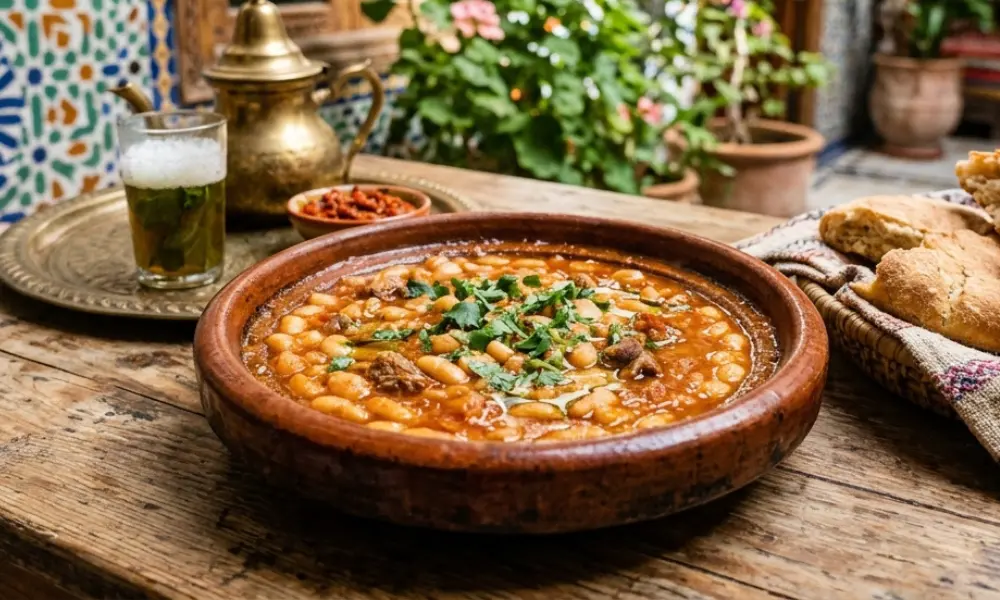
Loubia represents the heart and soul of everyday Moroccan home cooking - a humble yet deeply satisfying white bean stew that nourishes both body and spirit. This is not fancy cuisine designed to impress guests, but rather the kind of honest, comforting food that Moroccan mothers make for their families on ordinary weeknights, that workers eat for lunch at neighborhood cafés, and that students surviving on tight budgets prepare in shared apartments. The beauty of loubia lies in its simplicity: tender white beans simmered in a rich, slightly spicy tomato sauce flavored with cumin, paprika, and garlic, enriched with olive oil, and often containing small pieces of meat for additional protein and flavor. Served with nothing more than crusty bread for sopping up the sauce, loubia is pure comfort - warm, filling, economical, and utterly delicious.
The name 'loubia' simply means beans in Moroccan Arabic, though it specifically refers to white beans, typically navy beans or cannellini beans. This dish exists in countless variations across Morocco, with each family having their own preferences regarding spice levels, whether to include meat, and how thick or soupy to make the sauce. Some versions are vegetarian, relying on generous olive oil and spices for richness. Others include lamb, beef, or preserved meat (khlii) for deeper flavor. The cooking method is beautifully forgiving - the beans simmer gently until tender, the tomato sauce reduces to concentrated richness, and the spices meld together to create layers of warm, aromatic flavor. You can make it on the stovetop, in a pressure cooker for speed, or in a slow cooker for hands-off convenience.
What makes loubia so beloved is its accessibility and versatility. The ingredients are inexpensive and widely available. The preparation requires no special skills or equipment. The dish keeps beautifully and actually improves in flavor when reheated the next day. It provides substantial protein and fiber, making it nutritionally complete and deeply satisfying. Whether served as a main course with bread, as a side dish alongside grilled meat, or even for breakfast with a fried egg on top, loubia delivers comfort and nourishment in every spoonful. This is soul food, Moroccan style - simple, honest, and profoundly satisfying.
About This Recipe
Loubia represents the backbone of everyday Moroccan home cooking, though its history extends beyond Morocco to the broader Mediterranean and Middle Eastern bean-cooking traditions that have sustained populations for millennia. In Morocco, where white beans have been cultivated for centuries, loubia emerged as a practical, nourishing solution for feeding families with limited resources. The dish's simplicity - beans cooked with available aromatics, tomatoes (introduced to North Africa relatively recently), and precious olive oil - reflects the Moroccan culinary philosophy of creating abundance from humble ingredients. What distinguishes Moroccan loubia from similar bean stews across the region is its distinct spice profile centered on cumin and paprika, its generous use of olive oil, and its customary pairing with crusty bread rather than rice or other grains. For generations, loubia has been the quintessential 'food of the people' - simmered in homes across social classes, served in modest neighborhood cafés, and valued for its ability to provide substantial protein and energy at low cost. During Ramadan, it often appears on iftar tables, providing comforting nourishment after a day of fasting. Its preparation varies subtly by region: coastal versions might include fish stock or seafood, while inland versions emphasize lamb or preserved meats. In cities like Casablanca and Rabat, loubia is street food, sold from steaming pots in the early morning to workers starting their day. Its endurance speaks to its perfect balance of nutrition, economy, and deep, satisfying flavor - a timeless testament to Moroccan culinary wisdom that transforms simple beans into a beloved national comfort food.
Nutrition / serving
Recipe Tags
Understanding the Ingredients
White Beans
The foundation of loubia requires dried white beans - typically navy beans, Great Northern beans, or cannellini beans. You will need about one pound (two cups) of dried beans for six servings. Dried beans must be soaked overnight in plenty of cold water, which shortens cooking time and improves digestibility. After soaking, they will roughly double in size. Alternatively, you can use the quick-soak method: boil the beans for two minutes, then let them sit covered for one hour before draining and proceeding with the recipe. Canned beans can substitute in a pinch (use three to four 15-ounce cans, drained), though they will not have quite the same creamy texture as dried beans cooked from scratch. The beans should be tender but not mushy when fully cooked, holding their shape while being soft enough to eat easily.
Tomatoes
The sauce base requires tomatoes that will break down into a rich, thick sauce. You can use fresh tomatoes (about two pounds, peeled and chopped), canned crushed tomatoes (one 28-ounce can), or tomato passata. Tomato paste (three to four tablespoons) is often added as well to concentrate the tomato flavor and thicken the sauce. During tomato season, fresh ripe tomatoes provide the best flavor, but canned tomatoes are often more reliable and convenient, especially out of season. The tomatoes should cook down into a rich, slightly thick sauce that coats the beans rather than being watery.
Meat (Optional)
While loubia can be completely vegetarian, many Moroccan versions include meat for additional protein and flavor. Lamb or beef cut into small cubes (about one pound) is traditional - shoulder, shank, or stewing cuts work well as they become tender during the long cooking. The meat is typically browned first, then simmers with the beans, enriching the entire dish. Some versions use preserved meat (khlii) for intense, aged flavor, or merguez sausage cut into chunks. The meat is optional but transforms loubia from a simple bean dish into a more substantial, complete meal. If omitting meat, increase the olive oil slightly for richness.
Olive Oil
Generous olive oil is essential to loubia, providing richness, flavor, and the characteristic glossy sauce. You will need at least one-third cup, possibly more. Moroccan cooking is not shy about using olive oil - it carries flavors, adds body to the sauce, and makes the dish satisfying. The oil is used both for sautéing the aromatics and meat, and added throughout cooking to enrich the sauce. Extra virgin olive oil provides the best flavor. The finished loubia should have a visible sheen of olive oil on the surface - this is traditional and desirable, not a sign of too much fat.
Aromatic Spice Blend
The spicing in loubia is relatively simple but essential for authentic flavor. Ground cumin (one to two tablespoons) provides earthy depth and is the dominant spice. Paprika (sweet or smoked, one to two tablespoons) adds color and mild sweetness. Ground ginger (half a teaspoon) contributes warmth. Cayenne pepper or red pepper flakes (quarter to half teaspoon) add subtle heat - adjust to taste. Black pepper provides background spice. The spices should be bloomed in the oil with the aromatics to release their essential oils and deepen their flavors. Fresh spices make a noticeable difference in the final dish.
Onions and Garlic
Aromatics form the flavor foundation. One large onion, chopped or grated, cooks down into the sauce, providing sweetness and body. Four to six garlic cloves, minced, add pungent depth. The onion and garlic are sautéed in olive oil until softened and fragrant before other ingredients are added, creating the aromatic base that flavors the entire dish. Some cooks grate the onion rather than chopping it, which helps it dissolve completely into the sauce for smoother texture.
Fresh Herbs
Fresh cilantro and parsley (about half a cup each, chopped) are traditionally stirred into loubia at the end of cooking, adding brightness and fresh flavor that balances the rich beans and tomato sauce. The herbs should be roughly chopped, not minced, and added during the last ten minutes of cooking so they wilt and flavor the dish without completely losing their fresh character. A final garnish of fresh herbs on top adds color and aroma when serving.
Preserved Lemon (Optional)
Some Moroccan cooks add a quarter of a preserved lemon, chopped, to loubia for tangy, salty depth and authentic Moroccan character. This is not universal but is a delicious addition that adds complexity. The preserved lemon should be rinsed, pulp removed, and the peel chopped into small pieces. It is added during the last thirty minutes of cooking to allow its flavor to permeate the dish.
Step-by-Step Cooking Guide
Soak the Beans
10 minThe night before you plan to make loubia, place one pound (two cups) of dried white beans in a large bowl. Cover with plenty of cold water - at least three inches above the beans, as they will expand significantly. Let soak at room temperature overnight, or for at least eight hours. In the morning, drain the beans and rinse them well under cold water. They should have roughly doubled in size and feel slightly softened. If you forgot to soak overnight, use the quick-soak method: place beans in a pot, cover with water, bring to a boil for two minutes, then remove from heat, cover, and let sit for one hour before draining and rinsing. Soaking is important - it reduces cooking time and makes the beans more digestible.
Tip: Always use plenty of water for soaking - beans absorb a lot. Change the water once during overnight soaking if possible. Drain and rinse well before cooking to remove compounds that cause digestive issues.
Brown the Meat (If Using)
12 minIf including meat in your loubia, begin by cutting one pound of lamb or beef into small cubes, about one inch in size. Pat the meat dry with paper towels - this helps it brown properly. Heat three tablespoons of olive oil in a large, heavy pot or Dutch oven over medium-high heat. When the oil is hot and shimmering, add the meat cubes in a single layer, working in batches if necessary to avoid crowding. Let the meat brown without moving it for three to four minutes, then turn and brown on other sides. The meat should develop a nice golden-brown crust. Do not cook the meat through - just brown the exterior. Transfer the browned meat to a plate and set aside. The browning creates fond on the bottom of the pot that will flavor the sauce.
Tip: Pat meat very dry before browning - moisture prevents proper browning. Do not crowd the pot or meat will steam instead of brown. Save the fond (browned bits) on the pot bottom for flavor.
Sauté Aromatics and Spices
8 minIn the same pot used for browning meat (or in a large pot with three tablespoons olive oil if making vegetarian), reduce heat to medium. Add one large chopped or grated onion and cook, stirring frequently, for five to six minutes until softened and translucent. Add four to six minced garlic cloves and cook for one minute until fragrant. Now add the spices: one to two tablespoons ground cumin, one to two tablespoons paprika, half a teaspoon ground ginger, quarter to half teaspoon cayenne or red pepper flakes, half a teaspoon black pepper, and one teaspoon salt. Stir constantly for one to two minutes, allowing the spices to bloom in the oil and become very aromatic. Be careful not to burn the spices - if they start to stick, add a splash of water. This blooming process is crucial for developing deep flavor.
Tip: The spices should smell intensely aromatic and toasted, not burnt. Constant stirring prevents burning. This step builds the flavor foundation for the entire dish.
Add Tomatoes and Create Sauce Base
15 minAdd three to four tablespoons of tomato paste to the aromatic spice mixture and stir constantly for one to two minutes, cooking the paste to remove any raw flavor and deepen its color. Then add your tomatoes - either one 28-ounce can of crushed tomatoes, or about two pounds of fresh tomatoes that have been peeled and chopped. Stir everything together well, scraping up any browned bits from the bottom of the pot. Add two cups of water or stock, stirring to combine. Bring the mixture to a simmer, then reduce heat to maintain a gentle bubble. Let this sauce base cook for about ten minutes, allowing the tomatoes to break down and the flavors to begin melding.
Tip: Cooking the tomato paste before adding tomatoes intensifies its flavor. Make sure to scrape up all the fond from the pot bottom - it adds tremendous flavor. The sauce should be simmering gently, not boiling vigorously.
Add Beans and Meat, Begin Simmering
75 minAdd the drained, soaked beans to the pot, stirring to coat them with the tomato sauce. If using meat, return the browned meat pieces to the pot as well, nestling them among the beans. Add enough water to cover the beans by about one inch - usually three to four cups, depending on your pot. Stir gently to combine everything. Bring the mixture to a boil over high heat, then immediately reduce to a very gentle simmer. Cover the pot partially, leaving it slightly ajar to allow steam to escape. Simmer gently for one to one and a half hours, stirring occasionally, until the beans are completely tender and the sauce has thickened to a rich, coating consistency. Add more water during cooking if the mixture seems too dry - you want it saucy but not soupy.
Tip: Maintain a very gentle simmer - vigorous boiling can cause beans to split and become mushy. Stir occasionally and check liquid levels. The beans should always be barely covered with liquid during cooking.
Add Herbs and Final Seasoning
15 minAfter the beans are tender and the sauce has thickened, taste and adjust seasoning. You will likely need to add more salt - beans require generous seasoning. Add additional cumin, paprika, or cayenne if desired. Stir in half a cup each of chopped fresh cilantro and parsley. If using preserved lemon, add a quarter of a chopped preserved lemon (rinsed and pulp removed) now. Stir gently to combine. Continue cooking for another ten minutes to allow the herbs to wilt and their flavors to meld with the beans. The loubia should be thick and saucy, with tender beans that hold their shape, meat that is falling-apart tender (if using), and a rich, glossy sauce. Add a final drizzle of olive oil - two to three tablespoons - stirring it through for extra richness and shine.
Tip: Taste and adjust seasoning generously - beans need salt. The fresh herbs should be wilted but still bright green. The final olive oil drizzle adds richness and traditional glossy appearance.
Rest and Serve
15 minRemove the pot from heat and let the loubia rest for ten to fifteen minutes before serving. This resting allows the flavors to settle and the sauce to thicken slightly as it cools. The beans will absorb a bit more of the sauce, creating the perfect consistency. Serve the loubia hot in shallow bowls, ensuring each serving gets plenty of sauce. Garnish with additional fresh cilantro and parsley. Drizzle each bowl with a bit more olive oil if desired. Serve with plenty of crusty Moroccan bread or baguette for sopping up the delicious sauce. Loubia is traditionally eaten by dipping torn pieces of bread into the beans and sauce. Some people like to add a fried or poached egg on top for extra richness and protein.
Tip: Resting is important - the beans continue absorbing sauce and flavors settle. Loubia should be served hot but not boiling. The bread is essential - this dish is designed to be eaten with bread for soaking up sauce.
Common Mistakes to Avoid
✗ Not Soaking Beans Adequately
Fix: Unsoaked or inadequately soaked beans take much longer to cook and may never become properly tender. Always soak dried beans overnight or use the quick-soak method. Well-soaked beans cook evenly and more quickly.
✗ Cooking at Too High Heat
Fix: Vigorous boiling causes beans to split, become mushy, and fall apart. Maintain a very gentle simmer throughout cooking. The liquid should barely bubble, not roll. Low and slow produces creamy, intact beans.
✗ Adding Salt Too Early
Fix: Adding salt at the beginning of cooking can toughen bean skins and prevent them from softening properly. Add salt after the beans are tender, or during the last thirty minutes of cooking. Season generously once beans are soft.
✗ Not Using Enough Olive Oil
Fix: Loubia requires generous olive oil for authentic flavor and texture. The sauce should have a glossy sheen of oil on top. Do not be shy with the oil - it carries flavors and makes the dish satisfying.
✗ Making the Sauce Too Watery
Fix: Loubia should be thick and saucy, not soupy. If too much liquid remains after the beans are tender, increase heat and cook uncovered until the sauce reduces and thickens. The consistency should coat the beans heavily.
✗ Under-Seasoning
Fix: Beans require generous seasoning to taste good. After the beans are tender, taste and add more salt, cumin, and spices as needed. The dish should be well-seasoned and flavorful, not bland.
✗ Skipping the Fresh Herbs
Fix: The fresh cilantro and parsley at the end are not optional garnish but essential flavor components that add brightness and balance. Always add fresh herbs during the last ten minutes of cooking.
Ingredient Substitutions
Instead of: Dried White Beans
Use: Canned white beans (navy, cannellini, or Great Northern) work for convenience - use 3-4 cans (15 oz each), drained and rinsed. Add during last 30 minutes of cooking. Red kidney beans or pinto beans can substitute for different flavor.
Instead of: Lamb or Beef
Use: Chicken thighs work well, though less traditional. Merguez sausage adds spicy flavor. Preserved meat (khlii) is traditional. For vegetarian, omit meat entirely and increase olive oil and spices.
Instead of: Fresh Tomatoes
Use: One 28-ounce can crushed tomatoes works perfectly and is often more convenient and reliable. Tomato passata also works well. Fresh tomatoes are best only during peak season.
Instead of: Fresh Herbs
Use: While fresh is strongly preferred, dried herbs can work in a pinch - use one tablespoon each of dried cilantro and parsley, though the flavor will be different. Add with the beans rather than at the end.
Instead of: Preserved Lemon
Use: Fresh lemon zest and juice can approximate the citrus element, though the fermented, salty character cannot be replicated. This ingredient is optional anyway.
Serving Suggestions
Serve loubia as a main course with plenty of crusty Moroccan bread (khobz) or French baguette for sopping up the rich sauce - this is traditional and essential.
Top each bowl with a fried or poached egg for a heartier meal - the runny yolk enriches the sauce beautifully and is a common Moroccan way to serve loubia.
Accompany with simple Moroccan salads - sliced tomatoes and onions, cucumber salad, or pickled vegetables provide fresh contrast to the rich beans.
Serve alongside grilled or roasted meat as a side dish - loubia pairs beautifully with merguez, lamb chops, or chicken.
For breakfast, serve loubia with fried eggs, olives, and bread - this is a traditional Moroccan breakfast that provides substantial nutrition.
Garnish with additional olive oil, fresh herbs, and a sprinkle of cumin or paprika for beautiful presentation.
Loubia makes excellent leftovers - the flavors improve overnight. Reheat gently and serve with fresh bread.
Storage & Reheating
Storage
Loubia stores excellently and actually improves in flavor as it sits, making it perfect for meal prep. Allow to cool completely, then transfer to airtight containers and refrigerate for up to five days. The beans will absorb more sauce as they sit, making the mixture thicker. Loubia also freezes beautifully for up to three months - freeze in portion-sized containers for easy future meals. Thaw overnight in the refrigerator before reheating. The texture remains excellent after freezing.
Reheating
To reheat, place loubia in a pot over medium-low heat, stirring occasionally, until heated through - about ten to fifteen minutes from refrigerated. Add a splash of water if the mixture has become too thick, as the beans continue absorbing sauce during storage. You can also reheat individual portions in the microwave, covered, stirring halfway through. Taste and adjust seasoning after reheating, as flavors can mellow during storage. Add fresh herbs and a drizzle of olive oil when serving for renewed freshness.
Loubia tastes even better the next day as flavors continue to meld. Make a double batch intentionally for easy weeknight dinners. The sauce thickens considerably during storage - this is normal. Just thin with a bit of water when reheating. Fresh bread and fresh herb garnish make reheated loubia taste freshly made.
Frequently Asked Questions
Recipe by

Iman El Fassi
إيمان الفاسي
Main Dishes Chef
View all recipes by Iman →
You May Also Like
Our Ebooks

The Moroccan Vegan
$12.56

Tables of Fez: A Royal Palace Legacy
$22.99

The Soul of Morocco
$20.00
YouTube
Watch step-by-step cooking videos and learn traditional Moroccan techniques.
450+
Subscribers
150+
Videos