
25
Prep (min)
10
Cook (min)
4
Servings
Easy
Level
Introduction
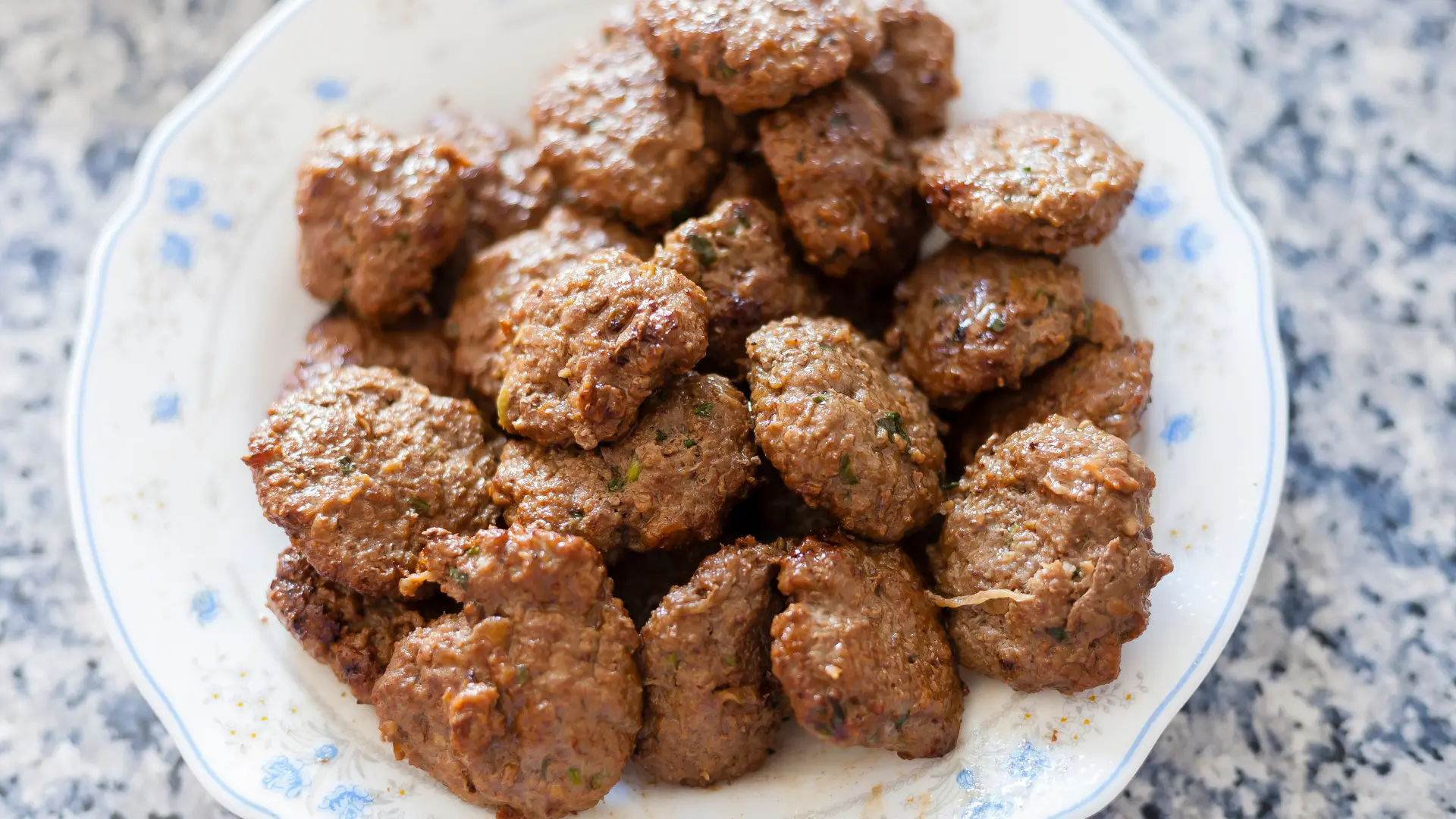
Moroccan Kefta Kebabs are more than just grilled meat—they are a sensory journey through Morocco's vibrant street food culture, a celebration of community, and a testament to the transformative power of spice. Imagine the scene: smoke rising from charcoal grills at bustling street corners, the sizzle of meat hitting hot metal, the intoxicating aroma of cumin, paprika, and fresh herbs filling the air. This is where kefta lives, in that magical space between simple ingredients and extraordinary flavor. The word 'kefta' comes from the Persian 'kofta', meaning pounded meat, but Morocco has made it uniquely its own through a distinctive spice blend and preparation method. What appears to be humble ground meat on a skewer is actually a carefully balanced composition: the richness of lamb or beef, the brightness of fresh herbs, the warmth of traditional spices, all bound together with just enough onion to keep them juicy. The magic happens on the grill, where high heat caramelizes the exterior while keeping the interior moist and flavorful. Unlike many kebabs that are simply threaded meat chunks, kefta requires skill to shape—the meat mixture must be pressed firmly onto the skewer so it holds together during grilling but remains tender to eat. In Morocco, kefta is democratic food: served in fancy restaurants as appetizers, at family picnics wrapped in paper, at street stalls stuffed into bread with tomatoes and onions, at beachside cafes with lemon wedges. Every region has its variation: some add preserved lemon, some include a bit of liver for depth, some make them spicy with harissa. But the essence remains—juicy, aromatic, deeply satisfying meat that tastes of smoke and spice and summer evenings. Making kefta at home brings that Moroccan street food magic to your backyard. The process is simple enough for weeknights but special enough for gatherings. As the kebabs grill, their scent will transport you to Marrakech's Djemaa el-Fna square or a seaside grill in Essaouira. Served with warm bread, fresh salads, and perhaps a cold drink, kefta kebabs turn any meal into a celebration.
About This Recipe
Moroccan Kefta Kebabs carry within them the layered history of Morocco itself—a story of trade routes, cultural exchange, and culinary innovation. The concept of ground meat seasoned and cooked on skewers traveled to North Africa along ancient trade routes, with origins tracing to the Persian 'kofta' (meaning pounded or ground meat). As the dish moved westward with Arab expansion and trade, each region adapted it to local tastes and ingredients. In Morocco, kefta found its distinctive character through the country's unique spice palette and grilling culture. The Berbers, indigenous to North Africa, had long practiced meat preservation and spicing, and they incorporated local herbs like wild thyme and indigenous spices into the preparation. With the arrival of Arab influence in the 7th century came new spices—cumin from the Levant, ginger from Asia, saffron from Persia—that would become kefta's signature. By the medieval period, kefta was well-established in Moroccan cuisine, mentioned in historical cookbooks from royal courts where elaborate versions might include precious spices and nuts. But kefta's true home was always the streets and communal gatherings. In Moroccan cities, specialized kefta vendors set up grills, their smoke and sizzle drawing crowds. Each vendor developed a reputation based on spice blend secret and grilling technique. The dish became particularly associated with festive occasions—weddings, religious holidays, family reunions—where men often took charge of the grilling, turning it into social ritual. During French colonization, European-style butcher shops made ground meat more accessible, popularizing kefta further. In the 20th century, as Morocco urbanized, kefta became the quintessential fast food—quick, affordable, and deeply satisfying. Street vendors perfected the art of the kefta sandwich, stuffing the grilled meat into bread with simple accompaniments. Different regions developed variations: coastal areas might add fish to the mixture; the Sahara might include dates; urban centers like Casablanca created the now-famous 'kefta sandwich' with fries inside the bread. The dish traveled with Moroccan emigrants to Europe, where it became a taste of home in cities like Paris, Brussels, and Amsterdam. In recent decades, kefta has gained global recognition, appearing on menus from New York to Sydney as part of the Mediterranean and Middle Eastern food wave. Yet in Morocco, it remains everyday food—prepared at home for family dinners, grilled at beach cafes, sizzling at roadside stands. UNESCO's recognition of Moroccan food culture includes grilling traditions like kefta preparation. More than just food, kefta represents Moroccan social values: the sharing of meals, the importance of hospitality, the joy of gathering around fire and food. The sight of skewers lined up on a grill, the sound of meat sizzling, the aroma of cumin and charcoal—these sensory experiences connect modern Moroccans to generations past, to shared memories of celebrations and simple pleasures. In a rapidly changing world, the first bite of a perfectly grilled kefta kebab, juicy and fragrant, remains a constant—a taste of Morocco's soul.
Nutrition / serving
Recipe Tags
Understanding the Ingredients
Ground Meat (Lamb or Beef)
1 pound (450g) of ground meat with about 20% fat content is ideal. Traditional kefta uses lamb for its distinctive flavor, but beef or a lamb-beef blend works well. The fat is crucial for juiciness—lean meat results in dry kebabs. Ask your butcher for coarse grind if possible, or pulse meat briefly in food processor for better texture. Avoid pre-packaged extra-lean ground meat.
Fresh Herbs (Parsley & Cilantro)
½ cup total of finely chopped fresh herbs—traditionally equal parts parsley and cilantro. The herbs should be very fresh, washed, thoroughly dried, and finely chopped (not minced to paste). They provide brightness and freshness that balances the rich meat. Some variations include mint for additional aroma. Don't substitute dried herbs—fresh is essential.
Onion
½ medium onion, very finely grated or minced to almost paste-like consistency. This serves multiple purposes: adds moisture to keep kefta juicy, provides natural sweetness when caramelized on grill, and helps bind mixture. Grate onion on fine grater or pulse in food processor. Drain excess liquid if very watery, but some moisture is good.
Kefta Spice Blend
The signature flavor comes from: sweet paprika (1 tablespoon), ground cumin (2 teaspoons), ground coriander (1 teaspoon), ground ginger (1 teaspoon), and optionally cayenne or harissa paste (½ teaspoon) for heat. Some add pinch of cinnamon or turmeric. The spices should be fresh (not expired) for maximum flavor. Toast whole spices and grind yourself for best results.
Breadcrumb Binder
2-3 tablespoons fine breadcrumbs or soaked bread help bind mixture without making it dense. Soak 1 slice white bread in water, squeeze dry, crumble. Alternatively, use 2 tablespoons fine breadcrumbs. This small amount helps kefta hold shape on skewer without becoming meatloaf-like. Some traditional recipes omit this, relying on meat texture alone.
Garlic & Seasoning
2-3 cloves garlic, minced or pressed. Salt (1 teaspoon) and black pepper (½ teaspoon) are crucial—meat needs generous seasoning. Some add sumac or lemon zest for brightness. The garlic should be fresh, not powdered.
Step-by-Step Cooking Guide
Prepare Ingredients & Tools
10 minSoak wooden skewers in water 30 minutes if using (prevents burning). Prepare meat: if using pre-ground, place in large bowl. If grinding your own, cut meat into cubes, partially freeze 30 minutes, then grind through medium plate. Finely chop parsley and cilantro. Grate onion on fine grater into clean kitchen towel, squeeze out excess liquid (reserve some moisture). Mince garlic. Measure all spices into small bowl. Have breadcrumbs ready.
Tip: Soak skewers even if using metal—helps prevent meat sticking. Keep meat cold until ready to mix.
Mix Kefta Mixture
5 minIn large bowl, combine ground meat, chopped herbs, grated onion, minced garlic, breadcrumbs, and all spices (paprika, cumin, coriander, ginger, cayenne if using). Add salt and black pepper. Using your hands (wear disposable gloves if preferred), mix gently but thoroughly until all ingredients are evenly distributed. Don't overmix—this can make kefta tough. The mixture should be cohesive but not dense.
Tip: Mix with light hand—overworking develops proteins, making kebabs tough. Chill mixture if becoming warm from handling.
Test Seasoning
5 minPinch off small piece of mixture (about teaspoon). Form into mini patty. Cook in small skillet over medium heat 1-2 minutes per side until cooked through. Taste and adjust seasoning in remaining mixture—it should taste well-seasoned but not salty (flavor concentrates during grilling). Add more salt, spices, or herbs as needed based on test.
Tip: This step is crucial—raw meat seasoning differs from cooked. Don't skip taste adjustment.
Shape onto Skewers
10 minTake handful of mixture (about ¼ cup or 80-100g). Form into oval shape in palm. Thread skewer through center lengthwise. Using both hands, press and shape meat firmly around skewer, forming log about 1 inch thick and 4-5 inches long. Ensure meat is evenly distributed and firmly attached to skewer (won't fall off during turning). Leave 2-3 inches of skewer handle for easy turning. Place shaped kebabs on baking sheet.
Tip: Wet hands with water to prevent sticking. Press firmly but don't compact too tightly—allows heat penetration.
Chill Before Grilling
30 minCover shaped kefta kebabs with plastic wrap. Refrigerate at least 30 minutes, up to 4 hours. This helps them firm up and hold shape better during grilling, allows flavors to meld, and keeps meat cold for food safety. If making ahead, can refrigerate overnight. Bring to room temperature 15 minutes before grilling.
Tip: Chilling is essential—prevents kebabs falling apart on grill. Don't skip this step.
Prepare Grill
15 minPrepare charcoal grill for direct high heat, or preheat gas grill to high (450-500°F / 230-260°C). Clean grates thoroughly, then oil using tongs and paper towel dipped in vegetable oil. The grill should be very hot—kefta should sizzle immediately when placed. Have grill tools ready: tongs, spatula, thermometer. Prepare serving platter.
Tip: High heat creates proper sear and caramelization. Let charcoal become white-hot with glowing coals.
Grill Kefta
8 minPlace kefta kebabs on hot grill perpendicular to grates (prevents falling through). Grill 3-4 minutes without moving to develop crust. Rotate 90 degrees for crosshatch marks if desired. Flip carefully using tongs and spatula. Grill second side 3-4 minutes. For thicker kefta, grill sides briefly (30-60 seconds each). Total cooking time: 6-8 minutes depending on thickness. Internal temperature should reach 160°F (71°C) for well-done.
Tip: Don't press kebabs with spatula—releases juices. Turn only once. Watch for flare-ups—move if necessary.
Rest and Serve
5 minTransfer grilled kefta to clean platter. Tent loosely with foil. Let rest 5 minutes—allows juices to redistribute, making them juicier. While resting, prepare accompaniments: warm bread, slice tomatoes and onions, chop more herbs, wedge lemons. Serve kefta on skewers or slide off onto platter.
Tip: Resting is crucial for juicy kebabs—don't serve immediately off grill. Keep tented, not tightly wrapped.
Common Mistakes to Avoid
✗ Overmixing the Meat
Fix: Vigorously mixing or kneading the meat mixture develops proteins, resulting in tough, dense kefta. Mix gently with hands just until ingredients are combined—should take less than 2 minutes. Stop as soon as mixture is uniform.
✗ Using Lean Meat
Fix: Lean ground meat (90/10 or leaner) produces dry, crumbly kefta. Use meat with 15-20% fat content (80/20 or 85/15). The fat melts during grilling, basting kefta from inside and creating juiciness. Don't drain fat during cooking.
✗ Skipping the Chilling Step
Fix: Shaped kefta must be chilled before grilling to firm up. Without chilling, they fall apart on grill. Refrigerate at least 30 minutes, longer is better. This also enhances flavor melding.
✗ Grilling on Low Heat
Fix: Kefta needs very high heat to sear quickly, sealing in juices. Low heat causes them to steam rather than grill, resulting in gray, dry kebabs. Ensure grill is properly preheated—450-500°F (230-260°C).
✗ Turning Too Frequently
Fix: Constantly flipping kefta prevents proper crust formation and can cause sticking. Place on grill, don't move for 3-4 minutes to develop crust, then flip once. Use proper tools—tongs and spatula together.
✗ Underseasoning
Fix: Ground meat needs generous seasoning as flavors dilute during mixing and cooking. Taste test a small cooked portion before shaping all kefta. The mixture should taste slightly over-seasoned raw.
✗ Pressing Kefta on Grill
Fix: Pressing kefta with spatula squeezes out precious juices, resulting in dry kebabs. Let them cook undisturbed. If flare-ups occur, move to cooler part of grill, don't press.
Ingredient Substitutions
Instead of: Ground Lamb
Use: Ground beef (80/20), veal, or turkey (add 1 tbsp olive oil to turkey for moisture). Chicken works but cook to 165°F. For vegetarian, use plant-based ground meat mixed with 1 egg and extra binder.
Instead of: Fresh Herbs
Use: If cilantro unavailable, use all parsley plus 1 tsp dried mint or 1 tbsp fresh mint. Dried herbs (1 tbsp each dried parsley and cilantro) in pinch but fresh is far superior.
Instead of: Breadcrumbs
Use: Soaked bread (1 slice, crust removed, soaked in water, squeezed dry), 2 tbsp cooked rice, or 1 egg yolk (adds richness but changes texture). Some traditional recipes use no binder.
Instead of: Skewers
Use: Form into patties (kefta burgers) or meatballs. Or cook in grill basket. For no grill, cook in heavy skillet over high heat 3-4 minutes per side, or bake at 400°F 12-15 minutes.
Serving Suggestions
Street food style: Stuff into Moroccan bread (khobz or batbout) with sliced tomatoes, onions, and harissa.
As appetizer: Slide off skewers, serve with toothpicks and dipping sauces (yogurt-cucumber, chermoula, tahini).
Plated meal: Serve with Moroccan salads (zaalouk, taktouka), rice or couscous, and grilled vegetables.
With bread: Accompany with warm pita or khobz for making wraps at table.
Breakfast: Serve with fried eggs, bread, and mint tea.
Mezze platter: Include with hummus, baba ganoush, olives, and stuffed grape leaves.
Sandwich: Layer in baguette with fries, lettuce, tomatoes, and sauces (Moroccan street food style).
With sauces: Offer harissa, toum (garlic sauce), yogurt sauce, or tahini sauce for dipping.
Summer meal: Serve with watermelon-feta salad and grilled corn.
Moroccan feast: As part of larger spread with tagines, pastilla, and salads.
Storage & Reheating
Storage
Raw kefta mixture: refrigerate in airtight container 1-2 days, or freeze up to 3 months (shape after thawing). Cooked kefta: refrigerate in airtight container up to 3 days. Freeze cooked kefta up to 2 months (texture changes slightly). Store separated from skewers.
Reheating
Best reheated in oven: 350°F (175°C) 8-10 minutes until heated through. Or skillet over medium-low heat 2-3 minutes per side. Microwave 30-60 seconds but may become rubbery. For frozen cooked kefta, thaw overnight in refrigerator before reheating.
Kefta tastes best fresh off grill. If making ahead, prepare mixture and shape, then grill just before serving. Don't reheat more than once.
Frequently Asked Questions
Recipe by

Iman El Fassi
إيمان الفاسي
Main Dishes Chef
View all recipes by Iman →
You May Also Like
Our Ebooks

The Moroccan Vegan
$12.56

Tables of Fez: A Royal Palace Legacy
$22.99

The Soul of Morocco
$20.00
YouTube
Watch step-by-step cooking videos and learn traditional Moroccan techniques.
450+
Subscribers
150+
Videos