
40
Prep (min)
35
Cook (min)
4
Servings
Medium
Level
Introduction
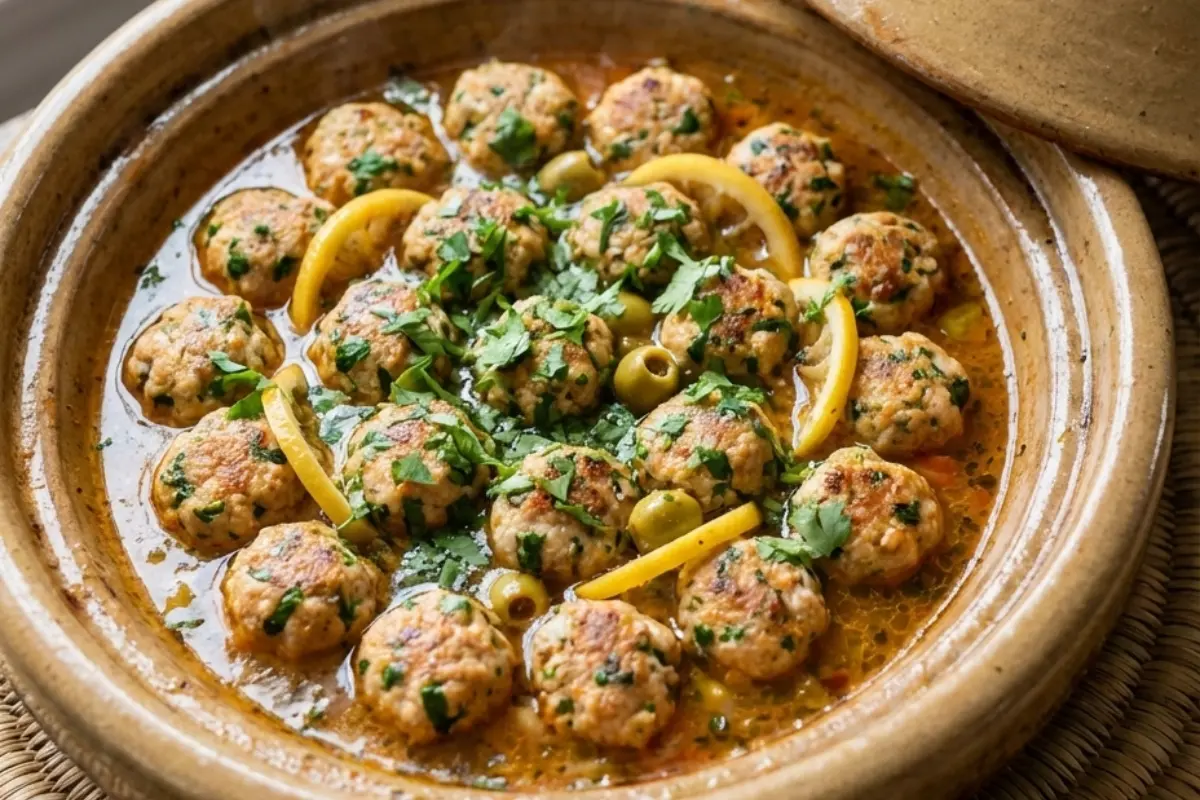
Along Morocco's sun-drenched Atlantic coast, where sardines are not just food but a way of life, this Sardine Meatball Tagine represents culinary ingenuity at its finest. Transforming the humble, oil-rich sardine into delicate, flavor-packed meatballs is a tradition passed down through generations of coastal families. Unlike heavier meat tagines, this dish sings with bright, clean flavors—the fresh taste of the sea meeting the earthy warmth of Moroccan spices and the gentle acidity of tomatoes. The sardine meatballs, fragrant with cilantro, parsley, and cumin, are surprisingly tender and light, holding their shape beautifully in the simmering tomato sauce. This tagine speaks of resourcefulness and respect for ingredients: using every part of the fish, stretching precious protein with breadcrumbs, and creating something extraordinary from the day's catch. The sauce is intentionally light and brothy, allowing the delicate flavor of the sardines to shine through, enhanced rather than masked by spices. It's typically served with bread for soaking up every drop, making a complete, satisfying meal that feels both nourishing and light. In coastal towns like Essaouira, Safi, and Agadir, variations of this dish appear in homes and small restaurants, each cook adding their personal touch—a hint of preserved lemon, a sprinkle of paprika, or a different herb balance. This tagine embodies the Moroccan coastal spirit: fresh, vibrant, healthy, and deeply connected to the rhythms of the sea. It's a celebration of sustainable eating long before the term became fashionable, showcasing how simple techniques and bold flavors can elevate the most accessible fish into a memorable dining experience.
About This Recipe
Sardine Meatball Tagine is a culinary gem born from the fishing communities along Morocco's long Atlantic coastline. For centuries, sardines have been the lifeblood of coastal cities like Essaouira, Safi, and Agadir, where the annual catch is celebrated with festivals and where sardines are grilled, fried, preserved, and cooked in countless ways. This particular dish likely originated as a practical solution to two challenges: the numerous small bones in sardines, and the desire to stretch a plentiful but perishable resource into a meal for a family. By painstakingly cleaning, deboning, and mincing the sardines, then mixing them with bread (a traditional extender) and herbs, cooks created a new form that was easier to eat and could be flavored intensely. The tagine cooking method—gentle, moist heat—was perfect for the delicate fish mixture, preventing it from drying out or becoming tough. This dish reflects the fusion of inland and coastal Moroccan culinary traditions: using the iconic tagine pot and spice palette (cumin, paprika) from the interior, but applying them to the sea's bounty. It's a dish of patience and skill, often prepared by women who mastered the technique of quickly and cleanly processing large quantities of small fish. In times when meat was scarce or expensive, sardine meatballs provided a nutritious, affordable alternative rich in omega-3 fatty acids. The recipe varies from port to port: in the north, it might include more paprika and serve with potatoes; in the south, more cilantro and accompany with rice. During the French and Spanish protectorates, the dish gained new variations as European ingredients like tomato paste became more common. Today, it remains a beloved home-cooked meal, a testament to Moroccan resourcefulness and the deep connection between the people and the sea. It's less common in tourist restaurants than grilled sardines, making it a special find for those seeking authentic, everyday Moroccan cuisine. As global appreciation for sustainable, small fish grows, this traditional dish stands out as both ancient and utterly modern in its wisdom.
Nutrition / serving
Recipe Tags
Understanding the Ingredients
Fresh Sardines
500g fresh whole sardines, cleaned, deboned, and finely minced (or 400g sardine fillets). Freshness is critical—look for clear eyes, bright skin, and clean sea smell. The sardines provide rich omega-3 fats and distinctive flavor. Traditionally, the fish is minced by hand with a mezzaluna or sharp knife to maintain some texture. Canned sardines can be substituted in a pinch, but fresh is preferred for superior texture and taste.
Meatball Binders & Flavor
1/2 cup fine breadcrumbs or crushed crackers (or 1 slice of day-old bread soaked in milk then squeezed) to absorb moisture and bind. 1 small onion, very finely grated or minced. A generous handful each of fresh cilantro and parsley, finely chopped (about 3/4 cup total). 1 egg helps bind the mixture. The key spice is cumin (2 tsp), complemented by sweet paprika (1 tsp), and a pinch of cayenne for heat if desired. Salt and black pepper to season.
Tomato Sauce Base
1 large onion, thinly sliced into half-moons. 4-5 ripe tomatoes, grated (or 400g canned crushed tomatoes). 2 tablespoons tomato paste for depth. The spice profile is lighter than meat tagines: sweet paprika (1 tbsp), ground cumin (1 tsp), ground ginger (1/2 tsp), and a pinch of turmeric for color. The sauce should be light, almost brothy, not too thick.
Aromatics & Cooking Liquid
4 cloves garlic, minced. A small bunch of celery leaves or a celery stalk, chopped (optional but traditional in some coastal regions). 2-3 cups light fish broth, vegetable broth, or water. Olive oil (4 tbsp) for cooking. Fresh herbs for garnish: more cilantro and parsley. Preserved lemon (2 tbsp chopped rind) is a common bright finishing note.
Optional Vegetables
Some versions add 2-3 medium potatoes, peeled and cut into chunks, added to the sauce before the meatballs for a heartier dish. Others include a handful of green olives or capers for briny contrast. A few sliced carrots can add sweetness and color.
Step-by-Step Cooking Guide
Prepare the Sardines
20 minIf using whole sardines: clean thoroughly, remove heads, gut, and rinse. Make a slit along the belly and carefully remove the backbone. Run your fingers along the flesh to check for remaining small bones. Rinse fillets and pat very dry with paper towels. Finely mince the sardine flesh with a sharp knife or mezzaluna until it has a coarse paste-like consistency. Place in a large bowl.
Tip: Take time to remove all bones for pleasant texture. Keep the sardines cold until ready to use. Patting dry is crucial—excess moisture makes meatballs fall apart.
Make the Meatball Mixture
10 minTo the minced sardines, add the grated onion, chopped herbs, breadcrumbs, egg, 2 tsp cumin, 1 tsp paprika, 1 tsp salt, and 1/2 tsp black pepper. Using your hands, mix gently but thoroughly until everything is well combined and the mixture holds together when pressed. Cover and refrigerate for 20-30 minutes to firm up.
Tip: Mix gently—overworking can make the meatballs tough. Chilling makes shaping much easier. The mixture will be soft but should hold shape.
Shape the Meatballs
10 minWith moistened hands (water or oil), shape the mixture into small meatballs, about the size of a large marble or small walnut. You should get 20-25 meatballs. Place them on a parchment-lined tray as you work. Return to refrigerator for 10 minutes while you start the sauce.
Tip: Smaller meatballs cook more evenly and are traditional. Keep hands moist to prevent sticking. Work quickly to keep mixture cool.
Start the Tomato Sauce
10 minIn a tagine base or wide shallow pot, heat 3 tbsp olive oil over medium heat. Add the sliced onion and a pinch of salt. Cook, stirring occasionally, until soft and translucent but not browned, about 8 minutes. Add the minced garlic and celery (if using), cook 1 minute until fragrant. Stir in the tomato paste and spices (1 tbsp paprika, 1 tsp cumin, 1/2 tsp ginger, pinch turmeric). Cook 30 seconds.
Tip: Keep the heat moderate—no browning. This creates a sweet, gentle base for the delicate fish. Blooming spices is still important.
Build the Sauce
5 minAdd the grated tomatoes (with their juice) or crushed canned tomatoes to the pot. Stir well and let simmer for 2-3 minutes. Add 2.5 cups of broth or water. Season with 1 tsp salt and 1/2 tsp pepper. Bring to a very gentle simmer. If using potatoes or carrots, add them now and cook for 10 minutes before adding meatballs.
Tip: The liquid should be enough to come halfway up the meatballs when added. Taste the sauce—it should be well-seasoned but not overpowering.
Cook the Meatballs
20 minReduce heat to low-medium to maintain the gentlest possible simmer—tiny bubbles only. One by one, carefully place the sardine meatballs into the simmering sauce, nestling them in. Do not crowd; they should be in a single layer. Do not stir. Cover the pot and let cook for 15-18 minutes. The meatballs will firm up and cook through.
Tip: The gentlest simmer is critical—vigorous boiling will break the delicate meatballs. No stirring! Shake the pot gently if needed.
Final Touches and Garnish
5 minAfter 15 minutes, check doneness—meatballs should be firm and opaque throughout. Taste the sauce and adjust seasoning (it may need a touch more salt or a squeeze of lemon for brightness). If using preserved lemon or olives, add them now. Sprinkle with half the fresh herbs. Simmer uncovered for 2-3 more minutes to let flavors meld.
Tip: Be gentle when checking—use a spoon to lift one meatball. The sauce should remain light, not thick like a paste.
Rest and Serve
7 minRemove from heat. Let the tagine rest, covered, for 5-7 minutes—this allows the meatballs to set further and absorb flavor. Drizzle with the remaining 1 tbsp of good olive oil. Garnish generously with the remaining fresh herbs. Serve immediately.
Tip: Resting is important for delicate seafood dishes. The final drizzle of olive oil adds fragrance and richness.
Traditional Serving
5 minBring the tagine directly to the table. Serve with plenty of fresh Moroccan bread or crusty bread for dipping and soaking up the flavorful broth. A simple green salad or sliced oranges with cinnamon make perfect accompaniments. Provide lemon wedges on the side for those who want extra brightness.
Tip: This dish is all about the broth—ensure plenty of bread for soaking. Serve in shallow bowls to enjoy both meatballs and sauce.
Common Mistakes to Avoid
✗ Using Sardines That Aren't Fresh
Fix: The success of this dish hinges on fresh sardines. Fishy-smelling or dull-eyed sardines will impart an unpleasant flavor. Buy from a trusted fishmonger, and cook the same day. If fresh aren't available, high-quality canned sardines in olive oil (drained well) can work, but adjust seasoning as they're often salted.
✗ Not Removing All Bones
Fix: Small bones in the meatballs ruin the delicate texture. Take time to thoroughly clean and debone the sardines. Run your fingers against the grain of the flesh to feel for any remaining pin bones and remove with tweezers.
✗ Mixture Too Wet
Fix: Sardines contain moisture. If the mixture is too wet, the meatballs will fall apart. Pat sardines dry thoroughly before mincing. If mixture feels too loose after combining, add more breadcrumbs, 1 tablespoon at a time, until it holds together when shaped.
✗ Overmixing the Meatball Mixture
Fix: Overworking the fish mixture develops proteins that make it rubbery and tough. Mix just until ingredients are combined. Use a gentle hand when shaping.
✗ Boiling the Sauce
Fix: Sardine meatballs are incredibly delicate. A rolling boil will cause them to disintegrate completely. After adding meatballs, the heat should be so low that you only see occasional tiny bubbles breaking the surface. Use a heat diffuser if needed.
✗ Stirring After Adding Meatballs
Fix: This is the most common error. Once meatballs are in the sauce, do not stir with a spoon. Gently shake or swirl the pot if you need to distribute heat. Stirring breaks them apart.
✗ Overcooking
Fix: Fish cooks quickly. 15-18 minutes of gentle simmering is sufficient. Overcooking makes the meatballs dry and chalky. Check at 15 minutes—they should be just firm and opaque.
✗ Making Sauce Too Thick or Heavy
Fix: This is a light, brothy tagine. Don't reduce the sauce too much or add too much tomato paste. The liquid should be like a flavorful broth, not a thick ragù. It's meant to be sopped up with bread.
Ingredient Substitutions
Instead of: Fresh Sardines
Use: High-quality canned sardines in olive oil (drained well) or mackerel fillets. For a different flavor, try fresh white fish like cod or haddock, but note they are leaner and may require more binder.
Instead of: Breadcrumbs
Use: Crushed saltine crackers, matzo meal, cooked rice, or 1-2 tablespoons of semolina or fine couscous. For gluten-free, use almond flour or gluten-free breadcrumbs (use slightly less as they absorb more).
Instead of: Fresh Herbs (Cilantro)
Use: If you dislike cilantro, use all flat-leaf parsley. Fresh dill is also a lovely, coastal-friendly substitute for half the herbs.
Instead of: Fresh Tomatoes
Use: One 400g can of high-quality crushed tomatoes or tomato passata. Since canned tomatoes are often more acidic, you may need a pinch of sugar to balance.
Instead of: Egg (for binding)
Use: For egg-free, use 1 tablespoon of ground flaxseed mixed with 3 tablespoons water (let sit 5 minutes to gel), or 2 tablespoons of mashed potato or chickpea flour slurry.
Serving Suggestions
Classic: Serve in the tagine with abundant crusty bread for dipping.
With grains: Ladle over a bed of fluffy couscous or rice to absorb the broth.
As a stew: Serve in shallow bowls with a dollop of garlicky yogurt or aioli.
With potatoes: Include potato chunks cooked in the sauce for a heartier meal.
Citrus twist: Accompany with a salad of orange slices, red onion, and olives.
Green side: Serve with a simple chopped salad (tomato, cucumber, onion) dressed with lemon.
Briny accent: Add a handful of green olives or capers to the sauce in the last 5 minutes.
With eggs: For 'Sardine Mkaouara,' crack 4 eggs into wells in the sauce during the last 8 minutes of cooking.
Lemon finish: Provide lemon wedges for each diner to add fresh brightness.
Wine pairing: Serve with a crisp, dry white wine like Sauvignon Blanc or a Moroccan Gris.
Storage & Reheating
Storage
Best eaten immediately. Leftovers can be cooled completely and stored in an airtight container in the refrigerator for up to 2 days. The texture of the meatballs will soften but flavor remains good. Freezing is not recommended as the delicate texture of the fish meatballs deteriorates significantly upon thawing.
Reheating
Reheat very gently. Place in a pot over low heat, adding a splash of water or broth if sauce has thickened. Cover and heat slowly, shaking the pot occasionally, until just warmed through (5-7 minutes). Avoid boiling. Microwave on low power in 1-minute intervals, covered.
Handle leftovers with extreme care to keep meatballs intact. Add fresh herbs after reheating. The flavor is often better the next day, though texture is best fresh.
Frequently Asked Questions
Recipe by

Fatima El Amrani
فاطمة العمراني
Master Chef
View all recipes by Fatima →
You May Also Like
Our Ebooks

The Moroccan Vegan
$12.56

Tables of Fez: A Royal Palace Legacy
$22.99

The Soul of Morocco
$20.00
YouTube
Watch step-by-step cooking videos and learn traditional Moroccan techniques.
450+
Subscribers
150+
Videos