
10
Prep (min)
15
Cook (min)
4
Servings
Easy
Level
Introduction
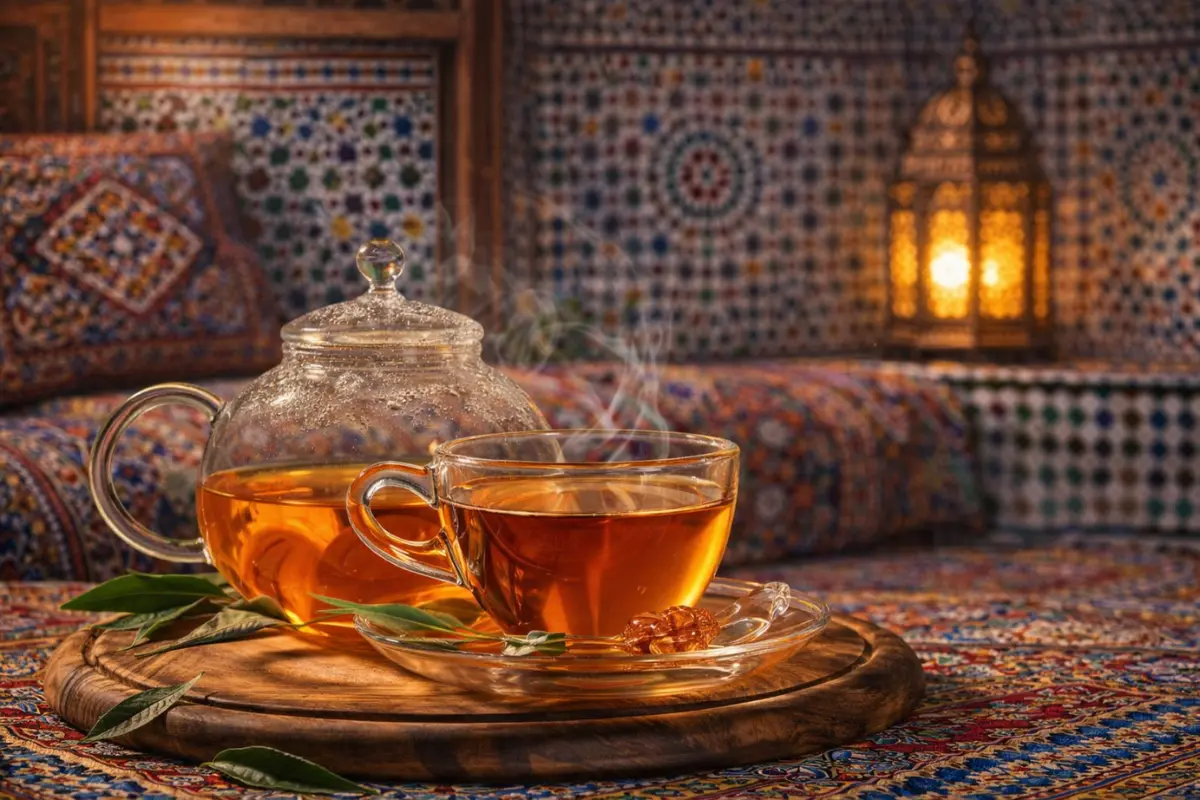
Skhina Tea, whose name derives from the Arabic word for 'heating' or 'warming,' is Morocco's answer to cold weather and digestive discomfort—a powerful, aromatic spice blend that literally heats you from within. This traditional infusion combines warming spices like ginger, cinnamon, and black pepper with digestive aids like anise and fennel, creating a beverage that is both medicinal and deeply comforting.
Unlike single-herb teas, Skhina represents the sophisticated spice blending knowledge for which Moroccan cuisine is famous, applied to beverage form. Each spice is carefully selected not just for flavor but for its thermodynamic properties according to traditional Moroccan medicine, which classifies foods and herbs as 'hot' or 'cold' for the body. The blend is designed to stimulate circulation, kindle digestive fire, and provide relief from chills, congestion, and sluggish digestion.
Traditionally prepared in clay pots over charcoal during Morocco's chilly winters, particularly in mountain regions like the Atlas and imperial cities like Fez, Skhina tea is the beverage equivalent of a warm blanket. It's often served after meals to aid digestion, during illness to induce sweating and break fevers, or simply as a warming ritual on cold evenings. The experience is multisensory: the steam carries complex aromas, the first sip delivers gentle heat that builds gradually, and the aftertaste lingers with comforting spice notes that seem to radiate warmth throughout the body.
About This Recipe
Skhina Tea's origins trace back to the sophisticated spice trade and medicinal traditions of imperial Fez, where apothecaries (attarine) developed specialized blends for Morocco's variable climate. The concept of 'hot' and 'cold' foods comes from the Greco-Arabic medical system (Unani Tibb) that flourished during the Islamic Golden Age and was refined by Moroccan scholars. Skhina represents the 'hot' extreme—designed specifically for Morocco's cold mountain winters and damp coastal winters. Historical records from the Marinid dynasty (13th-15th centuries) mention similar warming blends served in royal courts. The spice combination reflects Morocco's position at the crossroads of trade routes: ginger from Asia, cinnamon from Sri Lanka/India, anise from the Mediterranean, black pepper from India, all blended with local knowledge. During French colonization, the blend was documented by European botanists intrigued by its medicinal claims. In rural areas, each family developed their own proportions based on available spices and specific health needs. Today, Skhina bridges ancient wisdom and modern wellness trends, with younger generations rediscovering it as a natural alternative to over-the-counter remedies for colds and digestive issues. Its continued preparation, especially in traditional households during winter months, represents living heritage—a spice blend that literally warms both body and cultural memory.
Nutrition / serving
Recipe Tags
Understanding the Ingredients
Fresh Ginger Root
The primary heating agent in Skhina, ginger provides both immediate warmth and long-term circulatory benefits. Fresh ginger is essential—its sharp, pungent compounds (gingerols) are more potent than dried powder. The ginger should be sliced thinly or grated to maximize surface area. In traditional medicine, ginger is considered 'very hot' and is used to treat cold conditions, poor circulation, and digestive stagnation. The quantity can be adjusted based on desired heat level.
Cinnamon (Cassia Bark)
Moroccan cinnamon is typically Cassia variety, which has stronger, warmer characteristics than Ceylon cinnamon. The bark is broken into pieces rather than ground, allowing gradual infusion. Cinnamon adds sweet warmth, aids blood sugar regulation, and complements ginger's heat. In the blend, it provides the foundational sweetness that balances sharper spices. Some traditional recipes include both cinnamon bark and a pinch of ground cinnamon for layered flavor.
Anise Seeds and Fennel Seeds
These licorice-flavored seeds serve dual purposes: they add digestive properties that counteract potential stomach irritation from strong spices, and they provide aromatic complexity. Anise (yansoon) is slightly sweeter, while fennel (besbas) is more herbal. Together they create a soothing base note that rounds out the blend. The seeds should be lightly crushed before steeping to release their essential oils.
Black Pepper and Cloves
Black pepper adds subtle heat that enhances the bioavailability of other spices (a principle in Ayurveda and traditional medicine). Just a few peppercorns—too many create unpleasant sharpness. Cloves contribute warming, analgesic properties and antimicrobial benefits, important for winter wellness. Both spices should be used whole, not ground, to prevent overwhelming the blend. They're considered 'hot' spices that increase the tea's thermodynamic effect.
Optional Adaptogens
Depending on the region and purpose, Skhina may include: turmeric (for anti-inflammatory properties), saffron (for luxury and mood enhancement), cardamom pods (for digestive and respiratory benefits), or dried orange peel (for citrus notes and vitamin C). These additions customize the blend for specific needs—turmeric for joint pain, saffron for low mood during dark months.
Sweetener
While Skhina can be consumed unsweetened, honey is traditionally added for both sweetness and its own warming, antimicrobial properties. Dark honey like buckwheat or forest honey complements the spices well. Some versions use date syrup (rub) for authentic Moroccan sweetness. The sweetener should be added after straining to preserve its beneficial properties.
Step-by-Step Cooking Guide
Prepare Fresh Spices
8 minPeel a 2-inch piece of fresh ginger and slice into thin rounds (about 15-20 slices) or grate coarsely. Break 2 cinnamon sticks into small pieces (about 1-inch segments). Lightly crush 1 tablespoon each of anise seeds and fennel seeds using a mortar and pestle or the bottom of a glass—just enough to crack them open. Measure 8-10 black peppercorns and 4-5 whole cloves. If using optional spices, prepare them now (½ teaspoon turmeric powder, 5-6 cardamom pods lightly crushed, pinch of saffron threads).
Tip: Fresh preparation is key—don't use pre-ground spices except turmeric. Crushing seeds and spices increases surface area for better infusion but maintain some texture. Fresh ginger should be fibrous, not woody.
Dry Toast Spices (Optional Traditional Step)
3 minIn a dry skillet over medium-low heat, add the crushed anise, fennel, black pepper, cloves, and cinnamon pieces. Toast gently for 2-3 minutes, stirring constantly, until fragrant but not smoking. This step enhances flavor and medicinal properties by releasing essential oils. Immediately remove from heat and transfer to a plate to cool. Do not toast fresh ginger or delicate spices like saffron.
Tip: Toasting is traditional but optional—it creates deeper, warmer flavors but some prefer the brighter notes of untoasted spices. Watch carefully as spices burn easily. The aroma will tell you when they're ready.
Simmer with Ginger
7 minIn a saucepan, bring 4 cups (1 liter) of filtered water to a boil. Add sliced ginger and any optional fresh ingredients (like orange peel). Reduce heat to maintain a gentle simmer. Cook for 5 minutes to extract ginger's compounds. Then add all other spices (toasted or raw). Return to a bare simmer—small bubbles at edges, not rolling boil.
Tip: Ginger needs longer extraction time than dried spices. Simmering (not boiling) preserves delicate compounds. The water will turn pale yellow and smell intensely of ginger.
Steep Covered
10 minOnce all spices are simmering, cover the pot with a tight-fitting lid. Remove from heat. Let steep for 7-10 minutes. This allows spices to infuse without continued cooking that could make the tea bitter. The covered steeping traps volatile oils that would otherwise evaporate. The tea will darken to amber-brown.
Tip: Steeping time affects strength: 7 minutes for milder tea, 10 for full medicinal strength. Don't exceed 12 minutes as cloves and pepper can become overly dominant. Taste at 8 minutes.
Strain and Sweeten
3 minUsing a fine mesh strainer lined with cheesecloth if available, strain the tea into a warmed teapot or directly into cups. Press gently on solids to extract liquid but don't mash them. While tea is hot, add honey to taste—start with 1 teaspoon per cup, adjusting to preference. Stir until dissolved. For traditional presentation, serve in clear glasses to appreciate the rich color.
Tip: Straining thoroughly is important as small spice particles can continue steeping and become bitter. Honey should be raw if possible—add when tea has cooled slightly (around 60°C/140°F) to preserve enzymes.
Serve with Traditional Accompaniments
2 minPour into small Moroccan tea glasses or heatproof cups. The tea should be piping hot. Traditional accompaniments include: dates (to balance heat with natural sweetness), plain almonds (protein to ground the spices), or a small piece of dark chocolate. Serve immediately while steaming. In Morocco, it's often served after a meal or as a mid-afternoon winter warmer.
Tip: Small servings (¾ cup) are traditional—this is potent tea. The dates complement the spices beautifully. Provide a small dish for discarded spice bits that may have passed through strainer.
Common Mistakes to Avoid
✗ Using Ground Spices Instead of Whole
Fix: Ground spices create cloudy, gritty tea with unbalanced flavor release. They also settle at the bottom. Always use whole or large pieces that can be strained out. The only exception is turmeric powder, which dissolves well.
✗ Boiling Instead of Simmering
Fix: Vigorous boiling drives off volatile oils and can make spices bitter. After initial boil, maintain the gentlest simmer—just a few bubbles at the pot's edge. Better to steep longer at lower temperature than boil briefly.
✗ Overdoing Black Pepper
Fix: Black pepper is potent—6-8 peppercorns per liter is sufficient. More creates unpleasant heat that overwhelms other spices and can irritate digestion. Pepper should be a background note, not dominant.
✗ Not Straining Thoroughly
Fix: Tiny spice particles continue to steep and release bitterness. Use a fine mesh strainer, preferably lined with cheesecloth or a paper coffee filter. Clear tea is more pleasant to drink and won't have gritty sediment.
✗ Skipping the Ginger Simmering Time
Fix: Ginger needs longer extraction than dried spices. If added with everything else, its flavor and benefits remain weak. Always simmer ginger alone for 5 minutes before adding other spices.
Ingredient Substitutions
Instead of: Fresh Ginger
Use: 2 tablespoons grated frozen ginger (almost as good) or 1 tablespoon dried ginger pieces (soak 10 minutes before using). Ginger powder (1 teaspoon) in a pinch but flavor is different.
Instead of: Cassia Cinnamon
Use: Ceylon cinnamon (softer flavor, use 3 sticks) or 1 teaspoon ground cinnamon added at end of steeping (will make tea cloudy).
Instead of: Anise Seeds
Use: Star anise (2 pods, broken) or Chinese five-spice powder (¼ teaspoon, added at end). Caraway seeds work but change flavor profile significantly.
Instead of: Black Peppercorns
Use: Pink peppercorns (milder, use more) or a tiny pinch of cayenne (⅛ teaspoon max). White pepper lacks the right character.
Instead of: Honey
Use: Date syrup (authentic Moroccan), maple syrup, or coconut sugar. For sugar-free, stevia or monk fruit with a pinch of molasses for depth.
Serving Suggestions
Serve after heavy winter meals like lamb tagine or harira soup to aid digestion and provide warmth.
Accompany with 2-3 dates and a handful of almonds for a balanced winter snack that sustains energy.
During cold/flu season, add extra ginger and a squeeze of lemon for immune support.
Serve in the evening as a caffeine-free alternative to coffee or black tea—the spices won't interfere with sleep.
Offer to guests arriving from the cold as a traditional Moroccan welcoming gesture.
Pair with Moroccan msemen (flatbread) with honey for a comforting winter breakfast.
Storage & Reheating
Storage
Dry spice blend: store in airtight jar up to 3 months (without fresh ginger). Brewed tea: refrigerate up to 3 days in glass container. Flavor improves over first 24 hours as spices meld.
Reheating
Reheat gently on stovetop until hot but not boiling. Microwave in short bursts. Do not reboil as it makes spices bitter. Add fresh honey after reheating if needed.
For convenience, make spice sachets: place measured whole spices in reusable tea bags or cheesecloth bundles. Store these ready to simmer with fresh ginger. The fresh ginger should always be added fresh, not dried in blend.
Frequently Asked Questions
Recipe by

Mohammed Benali
محمد بن علي
Beverage Specialist
View all recipes by Mohammed →
You May Also Like
Our Ebooks

The Moroccan Vegan
$12.56

Tables of Fez: A Royal Palace Legacy
$22.99

The Soul of Morocco
$20.00
YouTube
Watch step-by-step cooking videos and learn traditional Moroccan techniques.
450+
Subscribers
150+
Videos