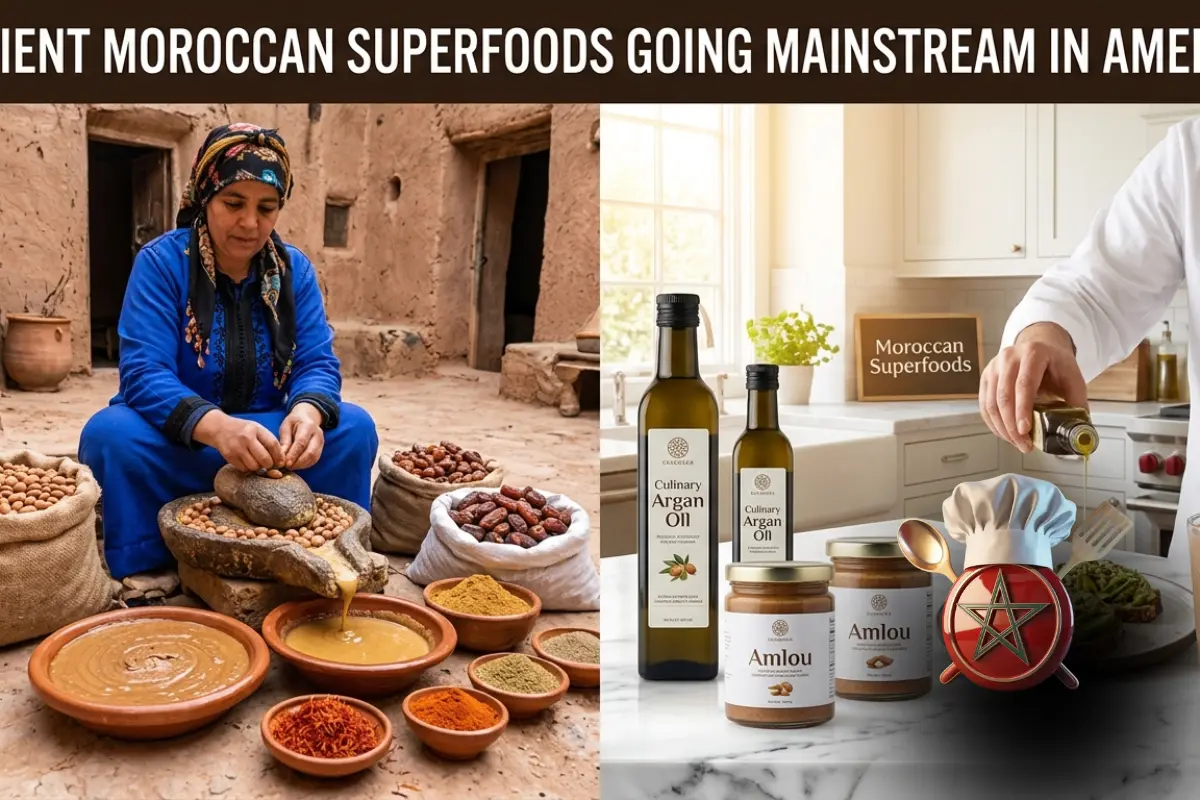
The Ancient Wisdom of Moroccan Nutrition Meets Modern Wellness
In the bustling health food aisles of American grocery stores, a quiet revolution is taking place. Ancient Moroccan superfoods, cherished for centuries in North Africa, are finally receiving the recognition they deserve in Western wellness circles. From the liquid gold of argan oil to the probiotic powerhouse of preserved lemons, these traditional ingredients are transforming how Americans think about nutrition and flavor.
Morocco's unique position at the crossroads of Africa, Europe, and the Middle East has created a culinary tradition rich in nutrient-dense foods that have sustained populations for millennia. While quinoa and acai berries dominated the superfood conversation for years, discerning health enthusiasts are now turning their attention to the time-tested treasures of Moroccan cuisine.
This shift represents more than just a food trend – it's a recognition that traditional food systems often hold the keys to optimal health. Moroccan superfoods offer a perfect blend of exceptional nutritional value, complex flavors, and proven health benefits that have been validated by both centuries of use and modern scientific research.
The Liquid Gold: Argan Oil's Journey from Berber Tradition to American Tables
Perhaps no Moroccan superfood has captured Western attention quite like argan oil. Once known only to the Berber women who painstakingly extracted it from the nuts of the argan tree, this precious oil now graces the shelves of premium grocery stores across America, commanding prices that reflect its nutritional and cosmetic value.
The argan tree, found only in southwestern Morocco, produces fruits containing nuts that yield one of the world's most nutritionally complete oils. Rich in vitamin E, essential fatty acids, and antioxidants, argan oil contains nearly twice the vitamin E content of olive oil and boasts a unique combination of oleic and linoleic acids that support cardiovascular health.
Nutritional Profile and Health Benefits
What sets argan oil apart from other cooking oils is its exceptional balance of monounsaturated and polyunsaturated fats. Studies have shown that regular consumption of argan oil can help reduce LDL cholesterol levels while maintaining healthy HDL cholesterol. The oil's high concentration of tocopherols provides powerful antioxidant protection against cellular damage.
American consumers are discovering that culinary argan oil offers a subtle, nutty flavor that enhances both savory and sweet dishes. Unlike its cosmetic counterpart, food-grade argan oil undergoes a roasting process that deepens its flavor profile while maintaining its nutritional integrity.
Culinary Applications in Western Cooking
Innovative American chefs are incorporating argan oil into contemporary cuisine in ways that honor its traditional uses while appealing to Western palates. The oil works beautifully as a finishing oil for grilled vegetables, adds depth to salad dressings, and creates exceptional marinades for proteins.
The key to using argan oil successfully lies in understanding its delicate nature. With a relatively low smoke point, it's best used for low-heat cooking or as a finishing oil. Many health-conscious Americans are adopting the Moroccan practice of drizzling argan oil over couscous, tagines, or even incorporating it into morning smoothies for its omega-3 content.
Preserved Lemons: The Probiotic Powerhouse Taking America by Storm
While fermented foods have gained tremendous popularity in American health circles, preserved lemons represent one of the most sophisticated and flavorful examples of beneficial fermentation. This ancient Moroccan staple is now appearing in trendy restaurants and health food stores across the United States, praised for both its unique umami-rich flavor and its probiotic benefits.
The process of preserving lemons in salt creates a complex fermentation that transforms the entire fruit into an edible delicacy. Unlike fresh lemons, preserved lemons offer a completely different flavor profile – less acidic, more complex, with an almost meat-like umami quality that enhances everything from salads to roasted vegetables.
The Science Behind the Preservation
The traditional Moroccan method of preserving lemons creates an anaerobic environment that encourages the growth of beneficial lactic acid bacteria. These probiotics not only contribute to gut health but also create the complex flavors that make preserved lemons so prized in Moroccan cuisine.
Research into fermented foods has validated what Moroccan cooks have known for centuries – that preserved lemons provide beneficial bacteria that support digestive health and may contribute to immune system function. The high vitamin C content of the lemons remains largely intact during the preservation process, while the fermentation creates additional B vitamins.
Incorporating Preserved Lemons into Western Diets
American home cooks are discovering the versatility of preserved lemons extends far beyond traditional Moroccan dishes. The rinds, which are the most prized part of preserved lemons, add instant flavor complexity to simple roasted chicken, elevate grain salads, and create sophisticated pasta sauces.
Food bloggers and nutritionists are promoting preserved lemons as a way to add flavor without relying on excess salt or sugar. The natural fermentation process creates a depth of flavor that allows cooks to reduce other seasonings while actually enhancing the overall taste profile of dishes.
Ras el Hanout: The Ultimate Spice Blend for Modern Wellness
The complex spice blend known as ras el hanout, literally meaning "head of the shop," represents the pinnacle of Moroccan spice artistry. This aromatic mixture, traditionally containing anywhere from twelve to thirty different spices, is gaining recognition among American health enthusiasts for its concentrated dose of anti-inflammatory compounds and antioxidants.
What makes ras el hanout particularly appealing to Western wellness advocates is its inclusion of scientifically-proven superstar spices. Turmeric provides curcumin for anti-inflammatory benefits, cinnamon helps regulate blood sugar, and cardamom supports digestive health. The synergistic effect of these spices working together may be even more powerful than any single ingredient alone.
The Anti-Inflammatory Power of Traditional Blending
Modern research into the individual components of ras el hanout has revealed why this traditional blend has been so valued for centuries. The combination of warming spices like ginger and black pepper with cooling herbs like mint creates a balanced profile that supports overall wellness.
Studies on traditional spice combinations suggest that the bioavailability of beneficial compounds increases when spices are used together rather than individually. This validates the ancient Moroccan practice of creating complex spice blends and explains why ras el hanout delivers such profound flavor and potential health benefits.
Adapting Ras el Hanout for American Kitchens
Health-conscious American cooks are finding creative ways to incorporate ras el hanout into familiar dishes. The spice blend works excellently in slow cooker meals, adds complexity to roasted vegetables, and creates exotic flavor profiles in marinades for grilled proteins.
Nutritionists are recommending ras el hanout as a way to increase spice consumption without adding calories, sodium, or sugar to meals. The blend's complexity means that a small amount can transform simple ingredients into satisfying, flavorful meals that support healthy eating goals.
Harissa: The Fermented Chili Paste Revolutionizing American Hot Sauce Culture
America's love affair with spicy foods has opened the door for harissa, Morocco's signature chili paste, to find its place in mainstream cuisine. Unlike typical hot sauces that focus primarily on heat, harissa offers a complex flavor profile that includes smoky, sweet, and earthy notes alongside its fiery kick.
Traditional harissa preparation involves sun-drying chilies and blending them with garlic, spices, and olive oil. Many versions undergo a fermentation process that develops beneficial probiotics while mellowing the heat and creating deeper, more complex flavors. This fermentation aspect has particularly appealed to American consumers interested in functional foods that provide both flavor and health benefits.
Nutritional Benefits Beyond the Heat
The chilies used in harissa are rich in capsaicin, the compound responsible for their heat and their health benefits. Research has shown that capsaicin can boost metabolism, reduce inflammation, and may even have pain-relieving properties. The garlic and olive oil in traditional harissa add additional antioxidants and healthy fats.
What sets harissa apart from other chili-based condiments is its inclusion of whole spices like coriander, caraway, and cumin. These spices contribute their own nutritional benefits while creating a more balanced and sophisticated heat profile that doesn't overwhelm other flavors in a dish.
Harissa in Modern American Cooking
American chefs and home cooks are finding that harissa's versatility extends far beyond its traditional uses. The paste works beautifully as a marinade for grilled vegetables, adds depth to soups and stews, and creates instant flavor complexity when stirred into yogurt or hummus.
Food manufacturers have taken notice of harissa's growing popularity, with major brands now offering their versions of this traditional paste. However, many discerning consumers are learning to make their own harissa at home, appreciating both the cost savings and the ability to control the ingredients and fermentation process.
Amlou: The Original Nut Butter That Predates Modern Alternatives
Long before almond butter and cashew butter became staples of American health food stores, Moroccan Berbers were preparing amlou – a rich, nutritious paste made from argan oil, almonds, and honey. This traditional superfood combination is now gaining recognition among American wellness enthusiasts as the ultimate nutrient-dense spread.
Amlou represents the perfect marriage of healthy fats, plant protein, and natural sugars. The argan oil provides essential fatty acids and vitamin E, almonds contribute protein and magnesium, while raw honey offers enzymes and natural antimicrobial properties. This combination creates a spread that satisfies hunger while providing sustained energy.
Nutritional Superiority of Traditional Combinations
What makes amlou particularly impressive from a nutritional standpoint is how its three simple ingredients complement each other. The healthy fats from argan oil help with the absorption of fat-soluble vitamins, while the protein from almonds helps slow the absorption of natural sugars from honey, preventing blood sugar spikes.
Compared to many commercial nut butters that contain added oils and sugars, amlou offers a clean ingredient profile that aligns with current American preferences for minimally processed foods. The traditional preparation method preserves the nutritional integrity of all three ingredients while creating a uniquely satisfying texture and flavor.
Modern Applications and Availability
American consumers are discovering that amlou works beautifully in applications ranging from breakfast spreads to dessert ingredients. Health-conscious parents are finding it an excellent alternative to peanut butter for children with allergies, while fitness enthusiasts appreciate its balanced macronutrient profile for pre and post-workout nutrition.
While authentic amlou can be found in specialty stores and online, many Americans are learning to make their own versions at home. This DIY approach allows for customization of sweetness levels and ensures the freshness and quality of ingredients.
Comparative Analysis: Moroccan Superfoods vs. Popular Western Alternatives
| Moroccan Superfood | Western Alternative | Key Advantage | Nutritional Highlight | Flavor Profile |
|---|---|---|---|---|
| Argan Oil | Olive Oil | 2x more Vitamin E | Optimal omega fatty acid ratio | Subtle nutty complexity |
| Preserved Lemons | Fresh Lemons | Probiotic benefits | Enhanced bioavailability | Umami-rich, less acidic |
| Ras el Hanout | Single Spices | Synergistic compound interaction | Multiple anti-inflammatory agents | Complex, balanced heat |
| Harissa | Hot Sauce | Fermented probiotics | Capsaicin plus antioxidants | Smoky, layered heat |
| Amlou | Almond Butter | Three-ingredient synergy | Complete macronutrient balance | Rich, naturally sweet |
Market Trends and Accessibility in American Markets
The growing availability of Moroccan superfoods in American markets reflects changing consumer preferences toward authentic, traditional foods with proven health benefits. Major grocery chains have begun stocking these specialty items, while online retailers have made even the most authentic versions accessible to consumers nationwide.
Price points for Moroccan superfoods reflect their artisanal nature and limited production, but many consumers find the cost justified by their concentrated nutritional value and unique flavor contributions. The trend toward fewer, higher-quality ingredients in cooking has made these premium products more appealing to discerning home cooks.
| Product | Availability Level | Price Range | Best Sources | Storage Life |
|---|---|---|---|---|
| Argan Oil (Culinary) | Widely Available | $15-30 per 8oz | Specialty stores, online | 2 years |
| Preserved Lemons | Growing Availability | $8-12 per jar | Middle Eastern markets, online | 1 year refrigerated |
| Ras el Hanout | Specialty Item | $6-15 per 2oz | Spice shops, online | 2 years |
| Harissa Paste | Increasingly Common | $4-8 per jar | Mainstream grocery, online | 6 months refrigerated |
| Amlou | Rare, Mostly DIY | $12-20 per jar | Specialty importers, homemade | 3 months |
How to Incorporate Moroccan Superfoods into Your Daily Routine
Successfully integrating Moroccan superfoods into a Western diet requires understanding both their traditional uses and their potential applications in familiar foods. The key is starting with small amounts and gradually building familiarity with their unique flavor profiles.
Morning Integration Strategies
Beginning the day with Moroccan superfoods can be as simple as drizzling argan oil over Greek yogurt with berries, or stirring a small amount of amlou into oatmeal. These additions provide sustained energy while introducing exotic flavors that make healthy breakfast choices more exciting.
Preserved lemon zest can transform a simple avocado toast into a gourmet experience, while a pinch of ras el hanout in scrambled eggs creates an aromatic start to the day. The key is using these ingredients as flavor enhancers rather than dominant flavors until your palate adjusts.
Meal Planning and Preparation
Successful incorporation of Moroccan superfoods often involves batch preparation and strategic meal planning. Making your own harissa paste or preserved lemons ensures you have these flavor enhancers readily available for quick meal preparation throughout the week.
Many of these superfoods work excellently in slow cooker meals, allowing their complex flavors to develop while requiring minimal active cooking time. This approach appeals to busy American lifestyles while maximizing the nutritional and flavor benefits of these traditional ingredients.
Frequently Asked Questions About Moroccan Superfoods
Are Moroccan superfoods safe for people with food allergies?
Most traditional Moroccan superfoods are naturally free from common allergens like gluten, dairy, and soy. However, amlou contains tree nuts (almonds), and some ras el hanout blends may contain traces of nuts or seeds. Always check ingredient labels carefully and consult with healthcare providers if you have severe allergies. Argan oil, despite coming from a tree nut, is generally considered safe for those with tree nut allergies as the proteins that cause reactions are removed during processing.
How do I know if I'm buying authentic Moroccan superfoods?
Authentic Moroccan superfoods should have clear origin labeling, particularly for argan oil, which should specify it comes from Morocco and ideally from women's cooperatives. Look for minimal ingredient lists – authentic harissa should contain primarily chilies, garlic, spices, and oil without artificial preservatives. Preserved lemons should contain only lemons and salt, possibly with bay leaves. Research reputable importers and read reviews from other consumers to ensure authenticity.
Can I make these superfoods at home, and is it worth the effort?
Several Moroccan superfoods can be successfully made at home. Preserved lemons are particularly rewarding to make and require only lemons, salt, and time. Harissa can be prepared with dried chilies and spices, though the flavor may differ slightly from traditional versions. Making amlou requires access to authentic argan oil but is otherwise straightforward. Home preparation allows you to control ingredients and often provides cost savings, though it requires patience for fermented items like preserved lemons.
How should I store Moroccan superfoods to maintain their quality?
Storage requirements vary by product. Argan oil should be stored in a cool, dark place and used within two years of opening. Preserved lemons should be refrigerated and kept submerged in their brine. Harissa paste keeps well refrigerated for several months but should be covered with a thin layer of oil to prevent oxidation. Dry spice blends like ras el hanout should be stored in airtight containers away from light and heat. Always use clean utensils when handling these products to prevent contamination.
Are there any interactions between Moroccan superfoods and medications?
While Moroccan superfoods are generally safe, some may interact with certain medications. The high vitamin K content in preserved lemons could potentially affect blood-thinning medications. Spices in ras el hanout like turmeric may enhance the effects of blood-thinning medications or diabetes medications. Capsaicin in harissa might interact with blood pressure medications. Always consult with healthcare providers before significantly increasing consumption of these foods if you take prescription medications, particularly blood thinners, diabetes medications, or blood pressure medications.
The Future of Moroccan Superfoods in American Wellness Culture
As American consumers continue to seek out authentic, traditional foods with proven health benefits, Moroccan superfoods are positioned to become permanent fixtures in the wellness landscape. The growing interest in fermented foods, healthy fats, and complex spice blends aligns perfectly with what Moroccan cuisine has offered for centuries.
Food manufacturers are taking notice of this trend, with several major brands developing products that incorporate these traditional ingredients. However, the most significant growth is likely to come from increased home preparation and small-batch artisanal producers who can maintain the authenticity and quality that discerning consumers demand.
The integration of Moroccan superfoods into American diets represents more than just a food trend – it's part of a larger movement toward recognizing and preserving traditional food wisdom. As research continues to validate the health benefits of these ancient ingredients, their place in modern wellness culture becomes increasingly secure.
By embracing these time-tested superfoods, American consumers gain access to not just exceptional nutrition and flavor, but also a connection to culinary traditions that have nourished communities for generations. This cultural exchange through food creates opportunities for greater understanding and appreciation of global foodways while supporting sustainable traditional production methods.
The journey of Moroccan superfoods from ancient traditions to modern American tables illustrates the power of authentic, minimally processed foods to transcend cultural boundaries and provide genuine nutritional value in our contemporary quest for optimal health and wellness.