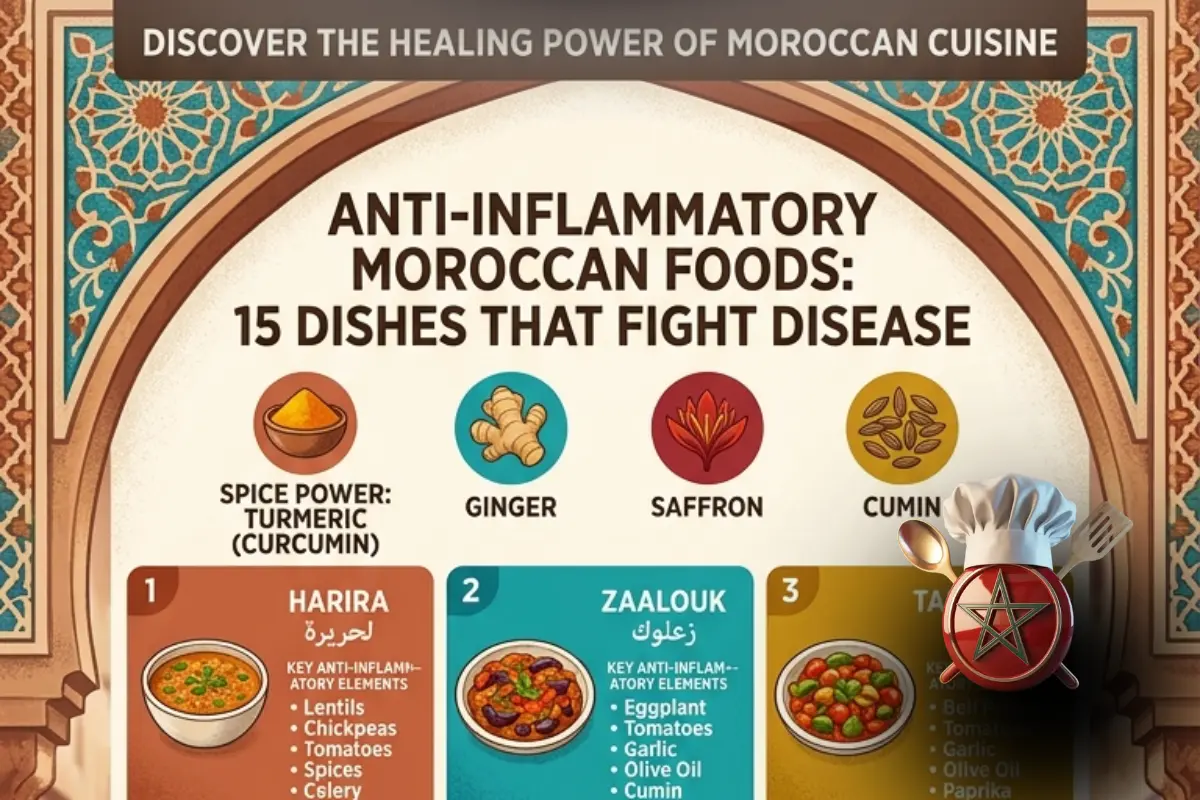
Chronic inflammation has been linked to numerous health conditions, from heart disease and diabetes to arthritis and cancer. While modern medicine offers solutions, ancient culinary traditions like Moroccan cuisine provide natural, delicious ways to combat inflammation through food. The vibrant spices, fresh vegetables, and traditional cooking methods of Morocco create dishes that are not only flavorful but also powerfully anti-inflammatory.
Moroccan cuisine naturally incorporates many of the world's most potent anti-inflammatory ingredients. Turmeric, ginger, cinnamon, and olive oil form the backbone of countless traditional recipes, while fresh herbs, vegetables, and legumes provide additional compounds that help reduce inflammation throughout the body. This ancient wisdom, passed down through generations, offers Western audiences a flavorful path to better health.
In this comprehensive guide, we'll explore 15 traditional Moroccan dishes that pack serious anti-inflammatory power. From hearty tagines loaded with healing spices to refreshing salads rich in antioxidants, these recipes prove that medicine can indeed be delicious. Each dish has been selected for its combination of traditional authenticity and scientifically-backed health benefits.
Understanding Anti-Inflammatory Properties in Moroccan Cuisine
The anti-inflammatory power of Moroccan cuisine lies in its masterful use of spices and cooking techniques that have been refined over centuries. The traditional spice blend ras el hanout, which can contain up to 30 different spices, is a concentrated source of anti-inflammatory compounds. Key ingredients like turmeric contain curcumin, which studies show can be as effective as some anti-inflammatory medications.
Moroccan cooking methods also contribute to the anti-inflammatory properties of dishes. Slow cooking in tagines preserves nutrients while allowing spices to fully release their beneficial compounds. The liberal use of extra virgin olive oil provides healthy monounsaturated fats and polyphenols that help reduce inflammation markers in the blood.
The Mediterranean influence in Moroccan cuisine brings additional anti-inflammatory benefits through ingredients like olives, nuts, and fresh herbs. These foods are rich in omega-3 fatty acids, antioxidants, and phytonutrients that work synergistically to combat chronic inflammation. The emphasis on plant-based ingredients means that even meat dishes are balanced with plenty of vegetables and legumes.
Key Anti-Inflammatory Spices in Moroccan Cooking
- Turmeric (Kharkoum): Contains curcumin, a powerful anti-inflammatory compound
- Ginger (Skinjbir): Rich in gingerols that reduce inflammation and pain
- Cinnamon (Qarfa): Packed with antioxidants and anti-inflammatory cinnamaldehyde
- Black Pepper (Felfel Kahla): Enhances absorption of other anti-inflammatory compounds
- Coriander (Kosbor): Contains compounds that help reduce inflammatory markers
- Cloves (Qronfel): High in eugenol, a natural anti-inflammatory agent
Top 15 Anti-Inflammatory Moroccan Dishes
1. Turmeric-Spiced Chicken Tagine
This classic tagine combines tender chicken with a generous amount of turmeric, creating one of Morocco's most anti-inflammatory dishes. The slow-cooking process allows the turmeric to penetrate the meat while preserving its beneficial compounds. Added vegetables like carrots, onions, and preserved lemons contribute additional antioxidants and fiber.
The dish typically includes ginger, cinnamon, and black pepper, creating a synergistic effect that enhances the bioavailability of curcumin. Research suggests that consuming turmeric with black pepper can increase curcumin absorption by up to 2000%. The olive oil used in cooking provides healthy fats that further aid in the absorption of fat-soluble nutrients.
2. Harira Soup
Traditional Moroccan harira is a nutrient-dense soup that combines lentils, chickpeas, tomatoes, and a blend of anti-inflammatory spices. This fiber-rich soup is particularly beneficial for gut health, which plays a crucial role in managing systemic inflammation. The combination of legumes provides plant-based protein while delivering compounds that help regulate immune function.
The soup's base includes turmeric, ginger, and coriander, while fresh herbs like cilantro and parsley add additional antioxidants. The tomato base provides lycopene, a powerful carotenoid with anti-inflammatory properties. Many families add a squeeze of fresh lemon juice, which not only enhances flavor but also provides vitamin C and helps with iron absorption from the legumes.
3. Moroccan Grilled Fish with Chermoula
Chermoula is a traditional Moroccan marinade that transforms simple grilled fish into an anti-inflammatory powerhouse. The sauce combines fresh herbs like cilantro and parsley with garlic, lemon juice, and spices including curcumin and ginger. Fish, particularly fatty varieties like sardines or mackerel commonly used in Morocco, provide omega-3 fatty acids that are essential for reducing inflammation.
The herb-heavy chermoula delivers concentrated amounts of antioxidants and phytonutrients. Cilantro contains compounds that may help remove heavy metals from the body, while parsley is rich in vitamin K and flavonoids. The combination creates a dish that not only fights inflammation but also supports detoxification processes.
4. Vegetable Couscous with Seven Vegetables
The traditional seven-vegetable couscous is a celebration of anti-inflammatory plant foods. Typically including carrots, zucchini, turnips, cabbage, pumpkin, chickpeas, and onions, this dish provides a wide spectrum of nutrients and fiber. Each vegetable contributes unique compounds that help reduce inflammation through different pathways.
The steaming process preserves water-soluble vitamins while the accompanying broth, seasoned with turmeric, ginger, and other spices, infuses the vegetables with additional anti-inflammatory compounds. The chickpeas provide plant-based protein and fiber that supports healthy gut bacteria, which play a crucial role in immune function and inflammation regulation.
5. Moroccan Lentil Stew (Ads)
This hearty lentil stew showcases the anti-inflammatory power of legumes combined with traditional Moroccan spices. Lentils are rich in folate, fiber, and plant compounds that help reduce C-reactive protein, a marker of inflammation in the body. The stew typically includes turmeric, cumin, and coriander, creating a warming, healing meal.
The dish often incorporates vegetables like carrots, celery, and tomatoes, adding additional antioxidants and fiber. The slow-cooking process allows the flavors to meld while preserving the nutritional integrity of the ingredients. Many versions include fresh herbs like cilantro or mint, which provide additional anti-inflammatory compounds and digestive benefits.
6. Zaalouk (Moroccan Eggplant Salad)
Zaalouk is a cooked eggplant and tomato salad that's rich in antioxidants and anti-inflammatory compounds. Eggplant contains nasunin, an anthocyanin that protects cell membranes from damage, while tomatoes provide lycopene. The dish is seasoned with garlic, cumin, and paprika, adding additional anti-inflammatory benefits.
The cooking process breaks down the cell walls of the vegetables, making their nutrients more bioavailable. The liberal use of olive oil provides healthy monounsaturated fats and vitamin E, both of which help reduce inflammation. This versatile dish can be served hot or cold and makes an excellent anti-inflammatory side dish or appetizer.
7. Moroccan Beef Tagine with Prunes
This sweet and savory tagine combines lean beef with prunes, onions, and a blend of warming spices including cinnamon, ginger, and turmeric. Prunes are rich in antioxidants and fiber, while also providing natural sweetness without added sugars. The long, slow cooking process typical of tagines helps break down tough fibers while preserving nutrients.
The spice blend used in this dish provides multiple anti-inflammatory compounds that work synergistically. Cinnamon helps regulate blood sugar levels, which can contribute to reducing inflammation, while ginger aids in digestion and provides powerful anti-inflammatory gingerols. The almonds often added as garnish provide healthy fats and vitamin E.
8. Moroccan Chickpea Tagine
This vegetarian tagine showcases chickpeas as the star ingredient, combined with vegetables and a robust spice blend. Chickpeas are excellent sources of fiber, protein, and compounds that help regulate blood sugar and reduce inflammation. The dish typically includes carrots, potatoes, and sometimes preserved lemons, creating a nutritionally complete meal.
The spice blend often includes turmeric, cumin, paprika, and ginger, providing a concentrated dose of anti-inflammatory compounds. The vegetables add color, flavor, and additional nutrients, while the olive oil used in cooking helps with the absorption of fat-soluble vitamins. This hearty dish proves that plant-based meals can be both satisfying and therapeutically beneficial.
9. Moroccan Carrot Salad
This refreshing salad transforms simple carrots into an anti-inflammatory dish through the addition of traditional Moroccan seasonings. Carrots are rich in beta-carotene, which the body converts to vitamin A, supporting immune function and reducing inflammation. The salad is typically dressed with lemon juice, olive oil, and spices like cumin and paprika.
Fresh herbs like mint or cilantro often garnish this salad, adding additional antioxidants and digestive benefits. The combination of raw vegetables with healing spices creates a dish that's both refreshing and therapeutic. The fiber content helps support healthy gut bacteria, which play a crucial role in immune function and inflammation regulation.
10. Kefta Tagine with Eggs
This protein-rich tagine features spiced meatballs in a tomato-based sauce, topped with eggs. The kefta is typically seasoned with anti-inflammatory spices like cumin, coriander, and sometimes turmeric. The tomato base provides lycopene, while eggs add high-quality protein and nutrients like choline, which supports brain health and may help reduce inflammation.
The dish often includes herbs like parsley and cilantro, which provide additional antioxidants and help support the body's natural detoxification processes. The combination of protein, healthy fats, and anti-inflammatory spices makes this a satisfying meal that supports overall health while fighting inflammation.
11. Moroccan Sweet Potato Tagine
Sweet potatoes are naturally anti-inflammatory due to their high content of beta-carotene and fiber. This tagine typically combines sweet potatoes with other vegetables and a blend of warming spices. The natural sweetness of the potatoes is enhanced by spices like cinnamon and ginger, creating a comforting, healing dish.
The dish often includes nuts like almonds or walnuts, which provide healthy omega-3 fatty acids and vitamin E. The combination of complex carbohydrates, fiber, and anti-inflammatory compounds makes this tagine both satisfying and therapeutic. The slow cooking process helps concentrate flavors while preserving the nutritional integrity of the ingredients.
12. Moroccan Green Tea with Mint
While not a dish per se, traditional Moroccan mint tea is a powerful anti-inflammatory beverage consumed throughout the day. Green tea contains catechins, particularly EGCG, which are potent anti-inflammatory compounds. Fresh mint adds additional antioxidants and aids in digestion, while also providing a refreshing flavor.
The traditional preparation method involves multiple infusions, which helps extract maximum beneficial compounds from both the tea and mint. The ritual of tea preparation and consumption also provides stress-relief benefits, as chronic stress is a major contributor to inflammation. This simple beverage demonstrates how traditional practices can support health in multiple ways.
13. Moroccan Stuffed Vegetables
Traditional stuffed vegetables like zucchini, peppers, or tomatoes filled with a mixture of rice, herbs, and spices provide a concentrated dose of anti-inflammatory nutrients. The vegetables themselves provide fiber, vitamins, and antioxidants, while the stuffing typically includes herbs like parsley, mint, and cilantro, along with anti-inflammatory spices.
The rice stuffing often includes nuts and sometimes dried fruits, adding healthy fats and additional antioxidants. The cooking method, typically involving slow braising in a spiced broth, helps meld flavors while preserving nutrients. This dish exemplifies the Moroccan approach of transforming simple ingredients into nutritionally powerful, flavorful meals.
14. Moroccan Fish Soup (Chorba Hout)
This traditional fish soup combines the anti-inflammatory benefits of fish with vegetables and spices. Fish provides omega-3 fatty acids, which are essential for reducing inflammation, while vegetables like tomatoes, onions, and celery add fiber and antioxidants. The soup is typically seasoned with turmeric, ginger, and other healing spices.
The broth-based preparation makes nutrients easily digestible while providing hydration. Fresh herbs like cilantro and parsley are often added at the end, preserving their delicate nutrients and adding fresh flavor. This light but nutritious soup is particularly beneficial for those dealing with digestive issues, as it's gentle on the stomach while providing concentrated nutrition.
15. Moroccan Almond Milk Pudding
Traditional Moroccan almond-based desserts provide a healthier alternative to conventional sweets while delivering anti-inflammatory benefits. Almonds are rich in vitamin E, healthy monounsaturated fats, and compounds that help reduce inflammation markers. These desserts are often flavored with orange blossom water, cinnamon, or rose water, adding additional antioxidants.
The natural sweetness often comes from dates or a small amount of honey, providing minerals and avoiding refined sugars that can promote inflammation. These desserts prove that anti-inflammatory eating doesn't require sacrificing pleasure, as traditional Moroccan sweets can be both delicious and health-supporting when prepared with wholesome ingredients.
Nutritional Comparison of Key Moroccan Anti-Inflammatory Ingredients
| Ingredient | Primary Anti-Inflammatory Compound | Additional Benefits | Best Cooking Method |
|---|---|---|---|
| Turmeric | Curcumin | Antioxidant, liver support | Low heat with black pepper |
| Ginger | Gingerols | Digestive aid, nausea relief | Fresh or dried in cooking |
| Olive Oil | Oleic acid, polyphenols | Heart health, vitamin absorption | Cold-pressed, minimal heating |
| Garlic | Allicin | Immune support, cardiovascular | Crushed and rested before cooking |
| Cinnamon | Cinnamaldehyde | Blood sugar regulation | Added near end of cooking |
| Tomatoes | Lycopene | Skin health, antioxidant | Cooked with healthy fats |
Meal Planning with Anti-Inflammatory Moroccan Foods
Incorporating these anti-inflammatory Moroccan dishes into your regular meal rotation requires some planning but offers tremendous health benefits. The key is to focus on variety, ensuring you're getting a wide range of anti-inflammatory compounds from different sources. A typical week might include several tagines, a hearty soup, fresh salads, and traditional tea.
When meal planning, consider the seasonality of ingredients and how different dishes complement each other nutritionally. For example, pairing a protein-rich tagine with a fiber-rich salad creates a balanced meal that provides sustained energy while fighting inflammation. The spice-heavy nature of Moroccan cuisine means that even simple dishes pack significant therapeutic benefits.
Batch cooking is particularly effective with Moroccan cuisine, as many dishes actually improve in flavor after a day or two. Tagines, soups, and stews can be prepared in large quantities and portioned for the week. This approach makes it easier to maintain an anti-inflammatory diet even with a busy schedule.
Weekly Anti-Inflammatory Moroccan Menu Planning
| Day | Breakfast | Lunch | Dinner | Snack/Tea |
|---|---|---|---|---|
| Monday | Moroccan mint tea with almonds | Harira soup with whole grain bread | Turmeric chicken tagine | Moroccan carrot salad |
| Tuesday | Almond milk pudding with cinnamon | Leftover tagine with vegetables | Grilled fish with chermoula | Mint tea |
| Wednesday | Moroccan tea with dates | Chickpea tagine | Lentil stew with herbs | Zaalouk with crackers |
| Thursday | Nuts and mint tea | Fish soup with bread | Vegetable couscous | Fresh fruit with cinnamon |
| Friday | Traditional breakfast tea | Stuffed vegetables | Beef tagine with prunes | Moroccan salads |
Shopping and Preparation Tips for Maximum Anti-Inflammatory Benefits
To maximize the anti-inflammatory benefits of Moroccan cuisine, quality ingredients and proper preparation methods are essential. When shopping for spices, look for whole spices when possible and grind them fresh for maximum potency. Store spices in airtight containers away from light and heat to preserve their beneficial compounds.
For produce, choose organic when possible, especially for items that will be cooked with the skin on. Frozen vegetables can be a convenient option and often retain more nutrients than fresh produce that has been stored for extended periods. When preparing vegetables, minimal processing helps preserve their anti-inflammatory compounds.
Olive oil quality makes a significant difference in both flavor and health benefits. Look for cold-pressed, extra-virgin olive oil in dark bottles. Store it properly and use it within its expiration date for maximum nutritional benefits. The oil should be used for both cooking and finishing dishes to provide the most anti-inflammatory compounds.
Essential Spices for Anti-Inflammatory Moroccan Cooking
- Ras el hanout: A complex blend containing turmeric, ginger, cinnamon, and other healing spices
- Individual spices: Turmeric, ginger, cinnamon, cumin, coriander, paprika
- Fresh herbs: Mint, cilantro, parsley for maximum antioxidant content
- Aromatics: Garlic, onions, preserved lemons for flavor and health benefits
- Quality fats: Extra virgin olive oil, nuts, seeds for nutrient absorption
Frequently Asked Questions
How quickly can I expect to see anti-inflammatory benefits from eating Moroccan food?
While some people may notice improvements in energy levels and digestion within days of incorporating anti-inflammatory foods, measurable changes in inflammation markers typically take 2-4 weeks of consistent dietary changes. The key is regular consumption of these beneficial foods rather than occasional meals. Combining these foods with other healthy lifestyle practices like regular exercise and stress management can accelerate benefits.
Can I get the same anti-inflammatory benefits from supplements instead of whole foods?
While supplements can be helpful, whole foods provide synergistic effects that isolated compounds cannot match. For example, turmeric consumed with black pepper and healthy fats (as naturally occurs in Moroccan cooking) is much more bioavailable than turmeric supplements alone. The fiber, antioxidants, and other compounds in whole foods work together to provide superior anti-inflammatory benefits compared to individual supplements.
Are there any Moroccan foods I should avoid if I'm trying to reduce inflammation?
Traditional Moroccan cuisine is generally anti-inflammatory, but some modern preparations may include inflammatory ingredients. Avoid dishes with excessive refined sugars, processed meats, or large amounts of refined flour. Traditional preparations using whole grains, lean meats, and natural sweeteners like dates are preferable. Also, be mindful of portion sizes, as overeating can promote inflammation regardless of food quality.
How can I adapt these recipes if I have food allergies or dietary restrictions?
Moroccan cuisine is naturally adaptable to various dietary needs. For gluten-free diets, substitute quinoa or rice for couscous and ensure spice blends don't contain wheat fillers. Vegetarians and vegans can enjoy many traditional dishes by focusing on vegetable tagines, legume-based meals, and plant-based proteins. For nut allergies, simply omit nuts from recipes - the anti-inflammatory benefits from spices and other ingredients remain significant.
What's the best way to meal prep these anti-inflammatory Moroccan dishes?
Most Moroccan dishes actually improve in flavor after sitting for a day, making them perfect for meal prep. Tagines, soups, and stews can be batch-cooked on weekends and portioned for the week. Store in glass containers in the refrigerator for up to 4 days or freeze for up to 3 months. Prepare spice blends in advance and store in airtight containers. Fresh herbs and salads are best prepared closer to serving time to maintain optimal nutrient content.
Conclusion
The ancient wisdom of Moroccan cuisine offers a delicious and effective approach to fighting inflammation through food. These 15 traditional dishes demonstrate that healing foods don't require sacrificing flavor or satisfaction. From turmeric-rich tagines to antioxidant-packed salads, Moroccan cuisine provides a complete toolkit for reducing inflammation while enjoying incredible flavors.
The key to success with anti-inflammatory eating lies in consistency and variety. By incorporating these traditional Moroccan dishes into your regular meal rotation, you're not just eating delicious food - you're actively supporting your body's natural healing processes. The combination of powerful spices, fresh vegetables, healthy fats, and traditional cooking methods creates meals that are both therapeutic and satisfying.
Remember that the most effective anti-inflammatory diet is one you can maintain long-term. Moroccan cuisine offers enough variety and flavor to keep meals interesting while providing consistent health benefits. Start by trying one or two dishes that appeal to you, then gradually expand your repertoire as you become more comfortable with the ingredients and techniques.
Whether you're dealing with chronic inflammation, looking to prevent disease, or simply want to eat more healthfully, these traditional Moroccan dishes offer a proven path to better health. The centuries-old wisdom embedded in these recipes, combined with modern nutritional science, creates a powerful approach to healing through food that Western audiences can easily embrace and enjoy.