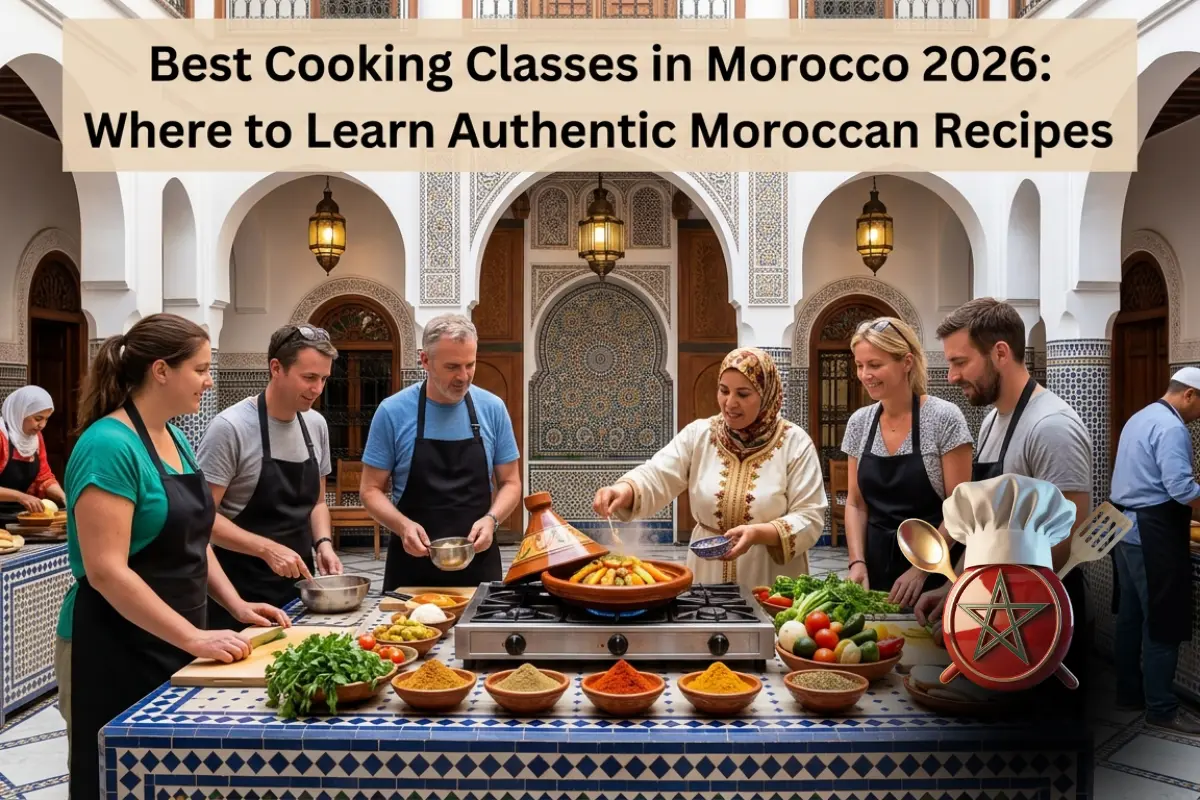
Experience Authentic Moroccan Cuisine Through Expert-Led Cooking Classes
Morocco's culinary landscape has evolved tremendously in 2026, offering food enthusiasts from the US and Europe unprecedented access to authentic cooking experiences. From the bustling souks of Marrakech to the ancient medinas of Fez, professional cooking schools and intimate family kitchens now welcome international visitors seeking to master the art of Moroccan cuisine. These immersive experiences go far beyond simple recipe instruction, providing cultural context, historical background, and hands-on techniques that transform participants into confident practitioners of this ancient culinary tradition.
The growing demand for authentic culinary experiences has led to a remarkable expansion of high-quality cooking programs throughout Morocco. Today's cooking classes combine traditional methods passed down through generations with modern pedagogical approaches that cater specifically to Western learning styles. Whether you're a complete beginner fascinated by the complex spice blends of Moroccan cooking or an experienced home chef seeking to refine your tagine techniques, Morocco's 2026 cooking class offerings provide structured, comprehensive learning experiences that deliver lasting skills and unforgettable memories.
Top-Tier Cooking Schools in Morocco's Imperial Cities
Morocco's imperial cities - Marrakech, Fez, Meknes, and Rabat - house the country's most prestigious culinary institutions, each offering distinct advantages for international students. These established schools have refined their programs specifically for Western audiences, providing instruction in English and French while maintaining absolute authenticity in their teaching methods and recipe selections.
La Maison Arabe Cooking Workshop - Marrakech
La Maison Arabe, a legendary Marrakech institution, operates one of Morocco's most comprehensive cooking programs. Their flagship workshop spans six hours and covers essential Moroccan dishes including chicken tagine with preserved lemons and olives, traditional couscous preparation, and the intricate pastilla pastry technique. The school's professional kitchen accommodates up to twelve participants, ensuring personalized attention from their team of master chefs.
The program begins with a guided tour of the local souk, where participants learn to identify authentic spices, select quality ingredients, and understand the cultural significance of various components used in Moroccan cooking. Students then return to the hotel's dedicated teaching kitchen, equipped with traditional clay tagines, couscous steamers, and modern amenities that facilitate learning. Each participant receives a comprehensive recipe booklet, spice samples, and a certificate of completion.
Fez Cooking School - Imperial City Culinary Institute
Located in the heart of Fez's ancient medina, this specialized culinary institute focuses exclusively on traditional Fassi cuisine, considered by many to be Morocco's most refined culinary tradition. Their intensive programs range from single-day workshops to week-long intensive courses that cover advanced techniques like rghaif bread making, complex briouats preparation, and the art of slow-cooking mechoui.
The school's unique approach incorporates historical context into every lesson, explaining how Fez's position as a center of learning and trade influenced its sophisticated cuisine. Students work in small groups of six to eight, allowing for intensive hands-on instruction and immediate feedback from experienced chefs. The program includes visits to traditional cooperatives, spice grinding demonstrations, and meals with local families.
Casablanca Culinary Academy - Modern Moroccan Techniques
For those interested in contemporary interpretations of classic Moroccan dishes, Casablanca Culinary Academy offers innovative programs that bridge traditional methods with modern presentation and technique refinement. Their courses appeal particularly to professional chefs and serious home cooks seeking to incorporate Moroccan flavors into contemporary menus.
The academy's state-of-the-art facility includes both traditional and modern cooking equipment, allowing students to experience authentic preparation methods while learning contemporary plating and presentation techniques. Their signature program covers molecular gastronomy applications to traditional Moroccan flavors, fusion techniques, and restaurant-quality presentation methods.
Intimate Home-Based Cooking Experiences
Beyond formal cooking schools, Morocco's most authentic culinary education often occurs in family homes, where generations of cooking knowledge are shared in intimate, personalized settings. These experiences provide unparalleled cultural immersion and access to closely guarded family recipes rarely shared outside traditional Moroccan households.
Dar Moha Family Kitchen - Marrakech
Fatima Moha, a renowned Marrakech chef, opens her family home to small groups seeking authentic cooking instruction in a traditional environment. Her program emphasizes seasonal cooking, utilizing ingredients sourced directly from her family's rural properties outside the city. Participants spend entire days learning not just cooking techniques, but the cultural practices surrounding Moroccan meal preparation and presentation.
The experience begins before sunrise with bread baking in the traditional clay oven, continues through morning market visits, and culminates in elaborate meal preparation involving multiple courses and complex timing coordination. Students learn to prepare complete Moroccan feasts including multiple tagines, fresh bread varieties, traditional sweets, and the ceremonial mint tea service.
Essaouira Coastal Cooking with Local Families
The coastal city of Essaouira offers unique culinary experiences focused on seafood preparation and the distinctive Gnawa cultural influences on local cuisine. Several local families have developed programs specifically for international visitors, providing intimate cooking instruction in authentic home environments.
These programs typically include early morning visits to the fishing harbor, where participants observe the daily catch arrival and learn to select fresh seafood. Students then accompany their host families to local markets before spending the day preparing elaborate seafood tagines, grilled fish with chermoula sauce, and traditional coastal desserts. The experience concludes with shared meals that often extend into evening conversations about local culture and traditions.
Specialized Workshops and Masterclasses
Advanced practitioners and culinary professionals seeking specialized instruction can access numerous masterclass programs focusing on specific aspects of Moroccan cuisine. These intensive workshops dive deep into particular techniques, regional specialties, or advanced preparation methods.
Advanced Pastry and Sweet Making Workshops
Moroccan pastry making requires exceptional skill and patience, particularly for intricate preparations like chebakia, rghaif, and various almond-based confections. Several specialized workshops throughout Morocco focus exclusively on these demanding techniques, providing intensive instruction over multiple days.
The Advanced Pastry Workshop in Tetouan offers five-day intensive programs covering traditional sweet making, including honey and sesame preparations, almond paste work, and delicate phyllo-style pastry techniques. Students work with master pastry chefs who have spent decades perfecting these traditional methods, learning the subtle techniques that distinguish professional-quality results from amateur attempts.
Regional Cuisine Specialization Programs
Morocco's diverse geography and cultural influences have created distinct regional cuisines, each with unique ingredients, techniques, and signature dishes. Specialized programs throughout the country focus on these regional variations, providing comprehensive instruction in specific culinary traditions.
The Atlas Mountain Cooking Retreat combines culinary instruction with cultural immersion in traditional Berber communities. Participants learn high-altitude cooking techniques, traditional preservation methods, and the use of wild herbs and indigenous ingredients. The program includes hiking excursions to gather ingredients, traditional bread baking in communal ovens, and meals prepared using centuries-old techniques.
Practical Considerations and Booking Information
Planning a culinary journey to Morocco requires careful consideration of various practical factors, from seasonal availability to dietary restrictions and skill level requirements. The best cooking programs book months in advance, particularly during peak tourist seasons from October through April.
Seasonal Programming and Availability
Morocco's cooking class schedules vary significantly based on seasonal ingredient availability and cultural calendar considerations. Spring programs (March through May) offer access to fresh herbs and early vegetables, while autumn classes (September through November) coincide with harvest seasons and optimal weather conditions.
Ramadan periods require special consideration, as many cooking programs either suspend operations or offer modified schedules. However, some schools provide special Ramadan cooking workshops focusing on traditional breaking-fast meals and festive preparations. These programs offer unique insights into the cultural significance of food in Islamic traditions.
Dietary Restrictions and Accommodations
Most established cooking schools can accommodate various dietary restrictions, though advance notification is essential. Vegetarian and vegan modifications are increasingly common, with many schools developing specialized plant-based versions of traditional recipes. Gluten-free accommodations require more advance planning, as wheat products feature prominently in traditional Moroccan cuisine.
Kosher and halal requirements are generally well-understood and easily accommodated, given Morocco's diverse religious heritage and large Jewish historical population. Many cooking instructors are familiar with kashrut requirements and can modify preparation methods accordingly.
Cost Comparison and Value Analysis
Moroccan cooking class prices vary dramatically based on program length, location, group size, and included amenities. Understanding these variations helps visitors select programs that offer optimal value for their specific interests and budgets.
| Program Type | Duration | Average Cost (USD) | Group Size | Includes |
|---|---|---|---|---|
| Premium Hotel Classes | Full Day | $150-250 | 8-12 people | Market tour, lunch, recipes, certificate |
| Family Home Experiences | Full Day | $80-120 | 4-6 people | Market visit, cooking, meals, cultural exchange |
| Specialized Workshops | 2-3 Days | $300-500 | 6-10 people | Intensive instruction, materials, accommodation meals |
| Week-long Programs | 5-7 Days | $800-1500 | 8-15 people | Accommodation, all meals, tours, comprehensive instruction |
What's Typically Included in Program Costs
Most cooking programs include ingredients, cooking equipment use, recipe collections, and meals consumed during the class. Higher-end programs often include market tours, transportation, professional-quality recipe booklets, spice samples, and certificates of completion. Some luxury programs incorporate accommodation, additional cultural activities, and private chef consultations.
Budget-conscious travelers should note that many mid-range programs offer exceptional value, particularly family-based experiences that provide authentic cultural immersion at significantly lower costs than hotel-based alternatives. These programs often include more personalized attention and access to closely guarded family recipes.
Advanced Techniques and Professional Development
For culinary professionals and serious practitioners, Morocco offers advanced training programs that provide restaurant-quality instruction and potential certification for professional use. These intensive programs cater to chefs, culinary students, and food industry professionals seeking to add authentic Moroccan techniques to their repertoires.
Professional Chef Certification Programs
The Moroccan Culinary Institute in Rabat offers internationally recognized certification programs designed specifically for culinary professionals. These intensive month-long programs cover advanced techniques, cost control, menu development, and cultural authenticity maintenance in commercial settings.
Participants work alongside established Moroccan chefs in both instructional and real-service environments, gaining practical experience in high-volume preparation methods while maintaining traditional quality standards. The program includes business aspects of Moroccan restaurant operation, supply chain management for authentic ingredients, and adaptation techniques for international markets.
Specialty Technique Masterclasses
Several institutions offer focused masterclasses on specific advanced techniques that distinguish professional-level Moroccan cooking from home preparation. These include advanced spice blending workshops, traditional preservation methods, and complex pastry techniques requiring years to master.
The Traditional Spice Blending Workshop in Marrakech provides intensive instruction in creating authentic ras el hanout, baharat, and other complex spice mixtures. Participants learn sourcing techniques, grinding methods, storage protocols, and the subtle variations that distinguish regional interpretations of classic blends.
Frequently Asked Questions
What skill level is required for Moroccan cooking classes?
Most Moroccan cooking classes welcome complete beginners and provide instruction assuming no prior knowledge of Moroccan cuisine. Basic cooking skills like knife handling and following recipes are helpful but not required. Advanced workshops clearly indicate prerequisite skills in their descriptions. Family-based experiences are particularly welcoming to novices, as hosts enjoy sharing their cultural traditions with enthusiastic learners regardless of cooking experience.
How far in advance should I book cooking classes in Morocco?
Popular cooking programs, especially those in Marrakech and Fez, should be booked 2-3 months in advance during peak season (October through April). Summer programs have more availability but fewer options due to extreme heat. Family-based experiences often require less advance booking but benefit from early arrangement to ensure English-speaking hosts are available. Week-long intensive programs should be booked 4-6 months ahead.
Are cooking classes suitable for children and families?
Many Moroccan cooking programs welcome families with children over age 8, particularly family-home experiences where children can interact with local families. Hotel-based classes vary in their child policies, with some offering special family sessions. Children particularly enjoy bread making, spice grinding, and mint tea preparation. Parents should inquire about child-friendly menu modifications and safety considerations when booking.
What should I bring to a Moroccan cooking class?
Most programs provide all necessary equipment and ingredients. Comfortable closed-toe shoes are essential for kitchen safety and market tours. Bring a notepad for personal observations, a camera for non-commercial photos (with permission), and appetite for learning. Some participants bring small containers for taking home spice samples, though many programs provide these. Dress modestly and avoid loose clothing that might interfere with cooking.
Can I get recipes to recreate dishes at home?
Professional cooking programs provide comprehensive recipe collections, often in beautifully designed booklets with cultural context and ingredient sourcing information. Many include measurements converted for Western kitchens and ingredient substitutions for items difficult to source internationally. Some programs offer ongoing email support for questions about recreating dishes at home. Digital recipe collections and video demonstrations are increasingly common additions to physical recipe books.
Cultural Immersion Through Culinary Arts
The most meaningful Moroccan cooking experiences extend far beyond recipe instruction, providing deep cultural immersion that enhances understanding of Moroccan society, history, and daily life. These programs recognize that food serves as a lens through which participants can understand complex cultural traditions, religious practices, and social structures that have shaped Moroccan civilization for centuries.
Understanding Moroccan Hospitality Through Food
Moroccan cooking classes inherently teach the cultural concept of hospitality that defines Moroccan social interaction. Students learn that meal preparation and presentation represent expressions of respect, love, and community bonding that transcend simple nutrition. Traditional classes emphasize the ceremonial aspects of food service, including proper tea preparation rituals, communal eating etiquette, and the spiritual significance of sharing meals.
These cultural elements distinguish authentic Moroccan cooking instruction from purely technical recipe teaching. Participants discover how food choices reflect religious observances, seasonal celebrations, and family hierarchies. Understanding these cultural contexts enables students to appreciate the deeper significance of techniques they're learning and apply this knowledge appropriately when recreating dishes in their home countries.
Historical Context in Culinary Instruction
Quality Moroccan cooking programs provide historical context that explains how current culinary traditions developed through centuries of cultural exchange, trade relationships, and geographical influences. Students learn how Andalusian refugees contributed sophisticated pastry techniques, how trans-Saharan trade routes introduced exotic spices, and how French colonial influence modified traditional preparation methods.
This historical perspective helps Western students understand why certain ingredient combinations exist, how cooking techniques evolved to work with local climate conditions, and why specific dishes hold special significance in Moroccan culture. Such knowledge transforms mechanical recipe following into informed cultural participation that honors the traditions being shared.
Sustainable and Ethical Cooking Tourism
As culinary tourism grows in popularity, responsible cooking programs increasingly emphasize sustainable practices and ethical cultural exchange that benefit local communities while providing authentic experiences for international visitors. The best 2026 programs demonstrate commitment to environmental sustainability, fair compensation for local instructors, and preservation of traditional culinary knowledge.
Supporting Local Communities Through Culinary Tourism
Ethical cooking programs prioritize working with local suppliers, family businesses, and traditional cooperatives rather than large commercial operations. These partnerships ensure that tourism revenue directly benefits the communities preserving and sharing their culinary traditions. Many programs include visits to women's cooperatives producing argan oil, traditional pottery workshops creating tagine dishes, and family farms supplying organic ingredients.
Participants in these programs learn about the economic impact of their tourism choices and receive guidance on supporting local food systems during their broader travels in Morocco. This approach creates meaningful connections between visitors and local communities while ensuring that cultural exchange benefits all participants.
Environmental Consciousness in Culinary Education
Progressive cooking programs incorporate environmental education by emphasizing seasonal ingredient use, traditional preservation methods that reduce waste, and water conservation techniques developed for Morocco's arid climate. Students learn how traditional Moroccan cooking developed as a sustainable system adapted to local environmental conditions.
These programs often include discussions of modern challenges facing traditional food systems, including climate change impacts on agriculture, urbanization effects on traditional food culture, and the importance of preserving indigenous seed varieties and traditional farming methods.
Technology Integration in Traditional Cooking Education
Modern Moroccan cooking programs increasingly integrate technology to enhance traditional instruction while maintaining cultural authenticity. These innovations help international students better understand and retain complex techniques while providing ongoing support for practicing skills after returning home.
Digital Recipe Preservation and Sharing
Many premium cooking programs now provide digital recipe collections with embedded videos demonstrating key techniques, audio pronunciations of Arabic and Berber food terms, and interactive spice identification guides. These digital resources complement hands-on instruction and provide valuable reference materials for continued learning.
Some programs offer virtual follow-up sessions where participants can ask questions about their home cooking attempts and receive personalized guidance for improving their technique. This ongoing support helps ensure that skills learned during intensive workshops continue developing rather than being forgotten.
Virtual Reality Cultural Context
Cutting-edge programs experiment with virtual reality experiences that transport students to historical settings, allowing them to understand how traditional cooking methods developed and why certain techniques became standard practice. These immersive experiences help bridge cultural gaps that might otherwise limit understanding of complex cultural contexts.
Planning Your Moroccan Culinary Journey
Successful participation in Moroccan cooking programs requires thoughtful planning that considers personal goals, physical requirements, cultural sensitivities, and practical logistics. The most rewarding experiences result from careful program selection aligned with individual interests and realistic preparation for the intensive nature of hands-on culinary instruction.
Pre-Travel Preparation Recommendations
Before departing for Morocco, prospective students benefit from basic familiarity with Moroccan cuisine through cookbooks, online resources, and practice with fundamental techniques like spice toasting and basic knife skills. Understanding Islamic dietary laws, even for non-Muslim participants, helps in appreciating the cultural context of ingredient selection and preparation methods.
Language preparation, while not essential, enhances the experience significantly. Learning basic Arabic or French food terminology, common ingredients names, and polite expressions demonstrates respect for local culture and facilitates communication with instructors and market vendors. Many programs provide basic vocabulary lists to participants before arrival.
Maximizing Learning During Your Stay
To extract maximum value from intensive cooking instruction, participants should approach classes with curiosity about cultural contexts rather than focusing solely on recipe memorization. Taking detailed notes about technique variations, ingredient substitutions, and cultural significance helps retain information long after returning home.
Engaging with instructors about their personal cooking experiences, family traditions, and regional variations provides insights unavailable in cookbooks or online resources. Many instructors welcome questions about adapting techniques for different climates, ingredient availability, and kitchen equipment limitations common in Western homes.
Conclusion: Embracing Morocco's Culinary Heritage
Morocco's 2026 cooking class offerings represent an unprecedented opportunity for Western food enthusiasts to engage deeply with one of the world's most sophisticated culinary traditions. From intensive professional training programs to intimate family kitchen experiences, these diverse options cater to every interest level and learning style while maintaining unwavering commitment to cultural authenticity and traditional technique preservation.
The evolution of Moroccan culinary education reflects broader trends in sustainable tourism, cultural exchange, and experiential learning that benefit both international visitors and local communities. By choosing programs that prioritize ethical practices, environmental consciousness, and meaningful cultural immersion, participants contribute to preserving traditional knowledge while gaining skills and perspectives that enrich their culinary practices for years to come.
Whether you're drawn to the complex spice blends of Marrakech, the refined techniques of Fez, or the coastal flavors of Essaouira, Morocco's cooking classes offer transformative experiences that extend far beyond recipe instruction. These programs provide windows into a culture where food serves as artistic expression, cultural preservation, and community bonding, offering visitors the opportunity to become temporary participants in traditions that have nourished and connected people for centuries. The investment in authentic Moroccan culinary education pays dividends not only in enhanced cooking skills but in expanded cultural understanding and lifelong appreciation for the artistry inherent in traditional foodways.