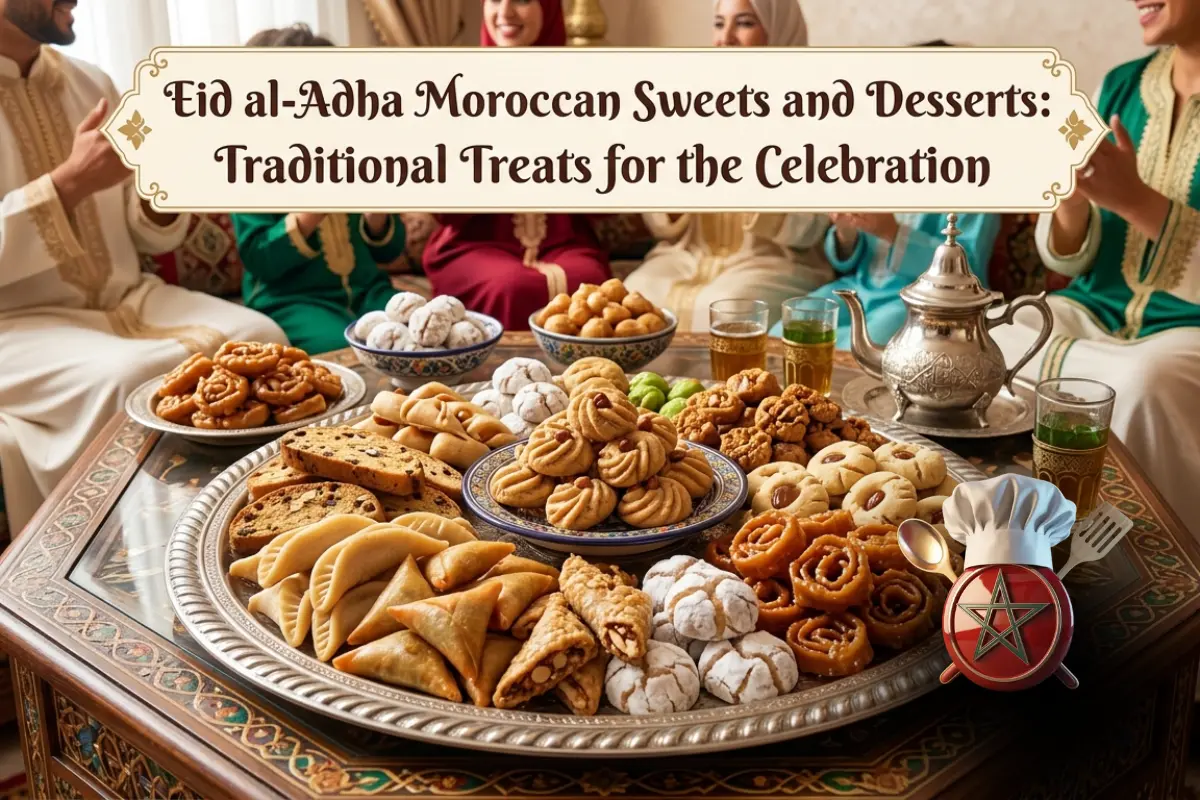
The Sweet Essence of Eid al-Adha: Moroccan Confectionery Traditions
Eid al-Adha, known as the "Festival of Sacrifice," represents one of the most significant religious celebrations in the Islamic calendar. In Morocco, this sacred holiday transforms homes into vibrant centers of culinary artistry, where traditional sweets and desserts play a central role in the festivities. These confections are not merely treats but rather symbolic expressions of hospitality, gratitude, and community unity that have been passed down through generations of Moroccan families.
The preparation of Eid sweets in Morocco begins weeks before the celebration, with families gathering to create an array of delicate pastries, fragrant cookies, and elaborate desserts. Each region of Morocco contributes its own unique specialties to this sweet repertoire, creating a diverse tapestry of flavors that reflects the country's rich cultural heritage. From the bustling medinas of Marrakech to the coastal cities of Casablanca, the aroma of orange blossom water, cinnamon, and toasted almonds fills the air as communities prepare for this joyous occasion.
For Western audiences discovering these traditions, Moroccan Eid sweets offer an extraordinary journey into a world where culinary craftsmanship meets spiritual celebration. These desserts showcase the sophisticated flavor profiles that define Moroccan cuisine, incorporating ingredients like rose water, pistachios, honey, and exotic spices that create unforgettable taste experiences. Understanding these traditions provides insight into the deep cultural significance that food holds in Moroccan society and offers opportunities to create meaningful connections with this beautiful heritage.
Historical and Cultural Significance of Eid al-Adha Sweets in Morocco
The tradition of preparing elaborate sweets for Eid al-Adha in Morocco dates back centuries, intertwining religious devotion with culinary excellence. This practice stems from the fundamental Islamic principle of sharing joy and abundance with family, friends, and those less fortunate. The meticulous preparation of these confections serves as both a form of worship and a demonstration of hospitality that defines Moroccan culture.
Historically, the recipes for these traditional sweets were closely guarded family secrets, passed down from mothers to daughters through oral tradition and hands-on learning. Each family developed their own variations and techniques, creating subtle differences that made their sweets unique while maintaining the core traditional elements. This generational transfer of knowledge ensured that the cultural significance and authentic flavors remained intact through changing times.
Symbolic Meanings Behind Traditional Sweets
In Moroccan culture, specific sweets carry deep symbolic meanings that enhance their importance during Eid al-Adha celebrations. The circular shape of many cookies and pastries represents the cyclical nature of life and the eternal connection between the earthly and divine. The golden color achieved through ingredients like saffron and egg yolks symbolizes prosperity and divine blessing, while the intricate patterns created on cookie surfaces represent the complexity and beauty of Allah's creation.
The act of sharing these sweets extends beyond mere hospitality to become a spiritual practice. When Moroccan families distribute their homemade confections to neighbors, friends, and strangers, they fulfill the Islamic obligation of charity while strengthening community bonds. This tradition teaches younger generations about generosity, compassion, and the importance of maintaining social connections during times of celebration.
Regional Variations Across Morocco
Morocco's diverse geography and cultural influences have created distinct regional variations in Eid sweet traditions. In the northern regions, Spanish and Mediterranean influences appear in pastries that incorporate almonds and honey in ways reminiscent of Iberian confections. The Atlas Mountain regions showcase sweets that feature local walnuts and mountain herbs, while coastal areas often include dried fruits from trade routes that connected Morocco to sub-Saharan Africa.
The imperial cities of Fes, Meknes, Rabat, and Marrakech each developed their own signature sweets that reflected their royal heritage and cosmopolitan nature. These urban centers became laboratories for culinary innovation, where traditional recipes were refined and elevated to suit the sophisticated palates of royal courts and wealthy merchant families.
Essential Traditional Moroccan Sweets for Eid al-Adha
The cornerstone of any authentic Moroccan Eid al-Adha celebration lies in the preparation of traditional sweets that have defined these festivities for generations. These confections represent the pinnacle of Moroccan pastry artistry, combining complex flavor profiles with intricate preparation techniques that require both skill and patience. Understanding these essential sweets provides the foundation for appreciating the depth and sophistication of Moroccan culinary culture.
Chebakia: The Crown Jewel of Moroccan Sweets
Chebakia stands as perhaps the most iconic and beloved of all Moroccan sweets, particularly during Eid celebrations. These intricate, flower-shaped pastries require exceptional skill to create, as the dough must be rolled paper-thin and then carefully twisted into complex knots that form beautiful rosette patterns when fried. The preparation process begins with a rich dough made from flour, eggs, butter, and a blend of aromatic spices including anise, cinnamon, and turmeric, which gives the pastries their distinctive golden color.
The true magic of chebakia lies in the final steps of preparation, where the fried pastries are immediately dipped in hot honey that has been infused with orange blossom water and rose water. This honey bath not only provides sweetness but also creates the glossy, amber finish that makes chebakia so visually striking. The pastries are then rolled in toasted sesame seeds, adding a nutty flavor and textural contrast that complements the floral honey coating.
Master pastry makers in Morocco can create chebakia with incredibly thin, delicate layers that shatter at the first bite, releasing waves of complex flavors. The contrast between the crispy exterior and the slightly chewy interior, combined with the aromatic honey and sesame coating, creates a sensory experience that embodies the sophistication of Moroccan confectionery arts.
Makroud: Diamond-Shaped Delights
Makroud represents another essential category of Moroccan Eid sweets, featuring semolina-based pastries filled with sweet date paste and often enhanced with almonds or pistachios. These diamond-shaped confections showcase the Moroccan mastery of working with semolina, transforming this grain into smooth, pliable dough that can be shaped and filled with precision.
The preparation of makroud begins with creating a smooth semolina dough that is enriched with butter, orange blossom water, and sometimes a touch of turmeric for color. The date filling is prepared separately by cooking dates with spices like cinnamon and orange zest until they form a smooth, aromatic paste. Skilled bakers layer the dough and filling in precise patterns, creating geometric designs that are both beautiful and delicious.
After baking, makroud are often finished with a light honey glaze or dusted with powdered sugar, adding sweetness and visual appeal. The combination of the nutty semolina exterior with the sweet, spiced date interior creates a perfect balance of textures and flavors that exemplifies the Moroccan approach to pastry making.
Ghriba: Morocco's Beloved Cookies
Ghriba cookies hold a special place in Moroccan hearts and represent one of the most versatile categories of Eid sweets. These crackled-surface cookies come in numerous variations, each featuring different primary ingredients and flavor profiles. The most popular varieties include ghriba with almonds, coconut, chocolate, and the distinctive white ghriba made with rice flour and powdered sugar.
Almond ghriba showcases the Moroccan love affair with this precious nut, combining finely ground almonds with sugar and egg whites to create cookies with an intensely nutty flavor and tender, melt-in-your-mouth texture. The preparation requires careful attention to achieve the perfect balance of ingredients that allows the cookies to hold their shape while maintaining their characteristic soft, crumbly texture.
Coconut ghriba offers a tropical twist to the traditional format, incorporating shredded coconut that adds both flavor and texture. These cookies often feature a golden color from the coconut and sometimes include a hint of orange zest that brightens the overall flavor profile. The versatility of ghriba makes them perfect for serving to guests with varying taste preferences during Eid celebrations.
Modern Adaptations and Contemporary Moroccan Desserts
While traditional sweets remain the heart of Moroccan Eid celebrations, contemporary bakers and pastry chefs have created innovative adaptations that honor traditional flavors while incorporating modern techniques and presentations. These contemporary creations reflect the dynamic nature of Moroccan cuisine and its ability to evolve while maintaining its essential character and cultural significance.
Fusion Desserts with Moroccan Elements
Modern Moroccan patisseries have embraced international techniques to create fusion desserts that incorporate traditional Moroccan flavors into contemporary formats. French-inspired éclairs filled with rose water cream, macarons flavored with orange blossom and pistachio, and layered cakes featuring traditional spice blends represent this innovative approach to Moroccan confectionery.
These fusion creations often feature traditional ingredients like argan oil, which adds a unique nutty flavor to chocolate truffles and ganaches. The incorporation of Moroccan honey varieties, particularly the prized euphorbia honey from the Atlas Mountains, elevates simple desserts into sophisticated confections that bridge traditional and contemporary culinary worlds.
Pastry chefs working in this fusion style often draw inspiration from traditional Moroccan patterns and colors, creating visually stunning desserts that tell the story of Moroccan culture through modern presentations. These creations appeal to younger generations while maintaining connections to their cultural heritage.
Health-Conscious Adaptations
Responding to contemporary dietary preferences and health consciousness, many Moroccan bakers have developed lighter versions of traditional sweets that reduce sugar content while preserving authentic flavors. These adaptations often incorporate natural sweeteners like dates and figs, along with increased amounts of nuts and seeds that provide nutritional benefits.
Gluten-free versions of traditional cookies have become increasingly popular, utilizing almond flour and rice flour to create textures similar to traditional wheat-based recipes. These adaptations ensure that individuals with dietary restrictions can still participate in the cultural tradition of sharing Eid sweets.
The incorporation of superfoods like quinoa, chia seeds, and various nuts into traditional recipes represents another contemporary trend that enhances the nutritional profile of Moroccan sweets while maintaining their cultural significance and delicious flavors.
Preparation Techniques and Traditional Methods
The mastery of Moroccan sweet-making lies not only in the recipes themselves but also in the traditional techniques that have been refined over centuries. These methods require patience, skill, and deep understanding of how ingredients behave under different conditions. Learning these techniques provides insight into the artisanal nature of Moroccan confectionery and the dedication required to create authentic results.
Dough Preparation and Handling Techniques
Traditional Moroccan pastry dough preparation begins with understanding the unique properties of different flour types and how they interact with various liquids and fats. The preparation of chebakia dough, for example, requires achieving the perfect balance of elasticity and tenderness that allows the dough to be stretched paper-thin without tearing.
The kneading technique for Moroccan pastry dough differs significantly from Western bread-making methods, emphasizing gentle folding and stretching motions that develop gluten gradually without overworking the dough. Master bakers often describe the proper dough consistency using sensory descriptions like "smooth as silk" or "soft as a baby's cheek," emphasizing the tactile nature of traditional techniques.
Temperature control plays a crucial role in dough preparation, with experienced bakers adjusting their techniques based on seasonal variations in temperature and humidity. During hot summer months, bakers may work in the early morning hours or modify ingredient ratios to compensate for environmental factors that affect dough behavior.
Shaping and Forming Traditional Patterns
The intricate shapes and patterns that characterize traditional Moroccan sweets require specialized techniques that are typically learned through years of practice and observation. The formation of chebakia's complex knot pattern, for instance, involves a specific sequence of folds and twists that must be executed with precision to achieve the characteristic flower shape.
Traditional tools play an important role in creating authentic shapes and textures. Wooden molds carved with geometric patterns are used to shape certain cookies, while specialized knives create the diamond patterns on makroud. Many families possess heirloom tools that have been passed down through generations, each bearing the patina of countless baking sessions.
The timing of shaping operations requires careful coordination with other preparation steps. Pastry pieces must be shaped while the dough maintains optimal consistency, requiring bakers to work efficiently while maintaining attention to detail that ensures each piece meets traditional standards.
Ingredients and Their Cultural Significance
The ingredients used in Moroccan Eid sweets carry profound cultural and historical significance that extends far beyond their culinary properties. Each component tells a story of trade routes, cultural exchanges, and the gradual development of Morocco's unique culinary identity. Understanding these ingredients provides deeper appreciation for the complexity and sophistication of Moroccan confectionery traditions.
Sacred and Symbolic Ingredients
Rose water and orange blossom water occupy sacred positions in Moroccan confectionery, representing the Persian and Arabic influences that shaped North African cuisine. These floral waters are not merely flavoring agents but carry spiritual significance, as their fragrances are believed to elevate the soul and create connections between the earthly and divine realms.
The production of these floral waters in Morocco follows traditional distillation methods that preserve both their aromatic intensity and cultural authenticity. The rose petals used for rose water often come from the famous Valley of Roses near Kelaat M'Gouna, where the damascena rose variety produces exceptionally fragrant blooms that are harvested at dawn to capture their peak essence.
Honey holds particular importance in Moroccan sweets, both as a sweetener and as a symbol of divine blessing. Different types of Moroccan honey, including thyme honey from the Middle Atlas Mountains and orange blossom honey from coastal regions, contribute distinct flavor profiles to various sweets. The use of honey also connects modern celebrations to ancient traditions, as honey has been prized in North African cultures for millennia.
Nuts and Seeds: The Foundation of Flavor
Almonds represent the most precious and versatile ingredient in Moroccan confectionery, appearing in numerous forms from whole blanched nuts to finely ground meal. The sweet almonds grown in Morocco's Souss Valley are particularly prized for their delicate flavor and oil content that contributes to the texture of traditional sweets.
The preparation of almonds for traditional sweets involves careful selection, blanching, and often toasting to develop optimal flavor. Master confectioners can determine the quality of almonds by their appearance, weight, and the sound they make when shaken, skills that develop through years of working with these precious nuts.
Sesame seeds, particularly the white variety used to coat chebakia, provide both nutritional value and symbolic meaning. In Moroccan culture, sesame seeds represent abundance and fertility, making them particularly appropriate for celebratory occasions. The toasting of sesame seeds requires careful attention to achieve the golden color and nutty aroma that enhance the final product.
| Traditional Ingredient | Cultural Origin | Symbolic Meaning | Primary Use in Sweets |
|---|---|---|---|
| Rose Water | Persian/Arabic | Spiritual elevation | Flavoring and glazing |
| Orange Blossom Water | Arabic/Moorish | Purity and blessing | Dough enhancement |
| Almonds | Mediterranean | Prosperity and wisdom | Filling and texture |
| Sesame Seeds | Ancient trade routes | Abundance and fertility | Coating and decoration |
| Honey | Indigenous Berber | Divine sweetness | Glazing and binding |
| Dates | Saharan oases | Sustenance and hospitality | Filling and natural sweetening |
Spices That Define Moroccan Sweet Flavors
The spice blend used in Moroccan sweets creates the distinctive flavor profiles that set these confections apart from other Middle Eastern and Mediterranean desserts. Cinnamon, sourced from the bark of evergreen trees, provides warmth and sweetness that complements the rich flavors of nuts and honey.
Anise seeds contribute a subtle licorice note that appears particularly in chebakia and certain types of ghriba cookies. The careful balance of anise with other spices requires skill and experience, as too much can overpower the delicate flavors while too little fails to provide the characteristic taste that defines these traditional sweets.
Ginger, mastic, and other aromatic spices appear in various combinations depending on regional preferences and family traditions. These spices often reflect the historical trade connections that brought exotic flavors to Morocco, creating the complex spice profiles that make Moroccan sweets uniquely memorable and satisfying.
Serving Traditions and Presentation Customs
The presentation and serving of sweets during Eid al-Adha follows elaborate customs that reflect the importance of hospitality in Moroccan culture. These traditions encompass not only the visual arrangement of confections but also the social protocols surrounding their consumption and the symbolic meanings embedded in sharing practices.
Traditional Serving Vessels and Arrangements
Moroccan families traditionally serve Eid sweets on ornate brass or silver platters that have been polished to mirror-like brilliance for the occasion. These serving pieces, often family heirlooms passed down through generations, feature intricate geometric patterns that reflect Islamic artistic traditions and complement the beauty of the sweets themselves.
The arrangement of different types of sweets on these platters follows aesthetic principles that create visual harmony while ensuring practical access for guests. Larger items like chebakia are typically placed around the perimeter, while smaller cookies and confections fill the center areas. The color coordination of different sweets creates beautiful patterns that enhance the overall presentation.
Crystal bowls filled with various nuts and dried fruits often accompany the sweet platters, providing additional options for guests and creating a sense of abundance that reflects the generosity of the hosts. These accompanying items also serve practical purposes, offering palate cleansers between different types of sweets.
Social Etiquette and Sharing Customs
The serving of sweets during Eid al-Adha follows specific social protocols that reinforce cultural values and strengthen community relationships. Hosts typically offer sweets immediately upon welcoming guests, accompanied by fresh mint tea or coffee that complements the flavors of the confections.
The act of refusing sweets when offered is considered impolite in Moroccan culture, as it implies rejection of the host's hospitality and generosity. Guests are expected to accept at least a small portion of the offered treats, even if they do not intend to consume them entirely. This social expectation reflects the deep cultural significance of sharing food as an expression of friendship and respect.
Children play special roles in the serving traditions, often being assigned the honor of carrying sweet platters to guests or helping distribute confections to neighbors and community members. These responsibilities teach younger generations about hospitality, respect, and the importance of maintaining cultural traditions.
| Sweet Type | Serving Size | Accompaniment | Cultural Significance |
|---|---|---|---|
| Chebakia | 2-3 pieces per person | Mint tea | Primary honor sweet |
| Makroud | 1-2 pieces per person | Arabic coffee | Symbol of abundance |
| Ghriba | 3-4 cookies per person | Green tea | Everyday blessing |
| Gazelle Horns | 2 pieces per person | Mint tea | Delicate hospitality |
| Sellou Balls | 1-2 balls per person | Milk or tea | Nutritional blessing |
Health Benefits and Nutritional Aspects
Traditional Moroccan sweets, while indulgent, often incorporate ingredients that provide significant nutritional benefits. Understanding these healthful aspects helps Western audiences appreciate how traditional Moroccan confectionery balances pleasure with nourishment, reflecting the holistic approach to food that characterizes Moroccan culinary culture.
Nutritional Value of Traditional Ingredients
Almonds, the cornerstone of many Moroccan sweets, provide high-quality protein, healthy monounsaturated fats, vitamin E, and magnesium. These nutrients support heart health, brain function, and provide sustained energy that makes almond-based sweets more satisfying than those made with refined sugar alone.
Sesame seeds contribute calcium, healthy fats, and lignans that provide antioxidant properties. The combination of sesame seeds with honey creates a nutritional synergy that enhances the bioavailability of various nutrients while providing natural sweetness that requires less processing than refined sugars.
Dates used in makroud and other filled pastries provide natural sweetness along with fiber, potassium, and antioxidants. The natural sugars in dates are absorbed more slowly than refined sugars, helping to moderate blood sugar spikes while providing sustained energy.
Medicinal Properties of Traditional Spices
The spices used in Moroccan sweets have been prized for their medicinal properties for centuries. Cinnamon helps regulate blood sugar levels and provides anti-inflammatory compounds that support overall health. The aromatic compounds in cinnamon also aid digestion, making it an ideal addition to rich, sweet foods.
Anise seeds contain compounds that support digestive health and provide antimicrobial properties. The traditional inclusion of anise in rich pastries like chebakia helps balance the heaviness of fried foods while contributing distinctive flavor notes that define these confections.
Ginger, used in various Moroccan sweet preparations, provides anti-inflammatory compounds and supports digestive health. The warming properties of ginger also complement the cooling effects of rose water and orange blossom water, creating balanced flavor profiles that satisfy both palate and body.
Frequently Asked Questions
What makes Moroccan Eid sweets different from other Middle Eastern desserts?
Moroccan Eid sweets distinguish themselves through their unique combination of Berber, Arabic, and Andalusian influences that create distinctive flavor profiles not found elsewhere. The extensive use of orange blossom water, specific spice combinations including anise and mastic, and the incorporation of argan oil in some modern preparations create tastes that are unmistakably Moroccan. Additionally, the preparation techniques, particularly the paper-thin dough work required for chebakia and the specific honey treatments used in finishing, represent uniquely Moroccan approaches to confectionery that have been developed and refined over centuries.
How far in advance can these traditional sweets be prepared for Eid celebrations?
Most traditional Moroccan sweets can and should be prepared several days to a week before Eid celebrations to allow flavors to mature and develop. Cookies like ghriba actually improve with age, developing deeper flavors and better textures when stored properly in airtight containers. Chebakia can be prepared up to a week in advance and stored in sealed containers, where the honey coating continues to penetrate the pastry layers. Makroud and other filled pastries benefit from 2-3 days of storage before serving, allowing the semolina exterior to soften slightly and the flavors to meld. However, items with fresh cream or perishable fillings should be prepared closer to serving time.
Are there vegetarian or vegan versions of traditional Moroccan Eid sweets?
Many traditional Moroccan sweets are naturally vegetarian, and several can be adapted for vegan diets with thoughtful ingredient substitutions. Ghriba cookies made with almonds or coconut are often naturally vegan, using only nuts, sugar, and plant-based ingredients. Chebakia can be made vegan by replacing butter with high-quality olive oil or argan oil, though this slightly alters the traditional flavor profile. Date-filled makroud can be prepared with olive oil instead of butter, maintaining authenticity while meeting vegan requirements. The key is understanding which traditional recipes already align with dietary preferences and making minimal modifications that preserve the essential character of these cultural treasures.
What beverages traditionally accompany Moroccan Eid sweets?
Traditional Moroccan mint tea (atay) serves as the classic accompaniment to most Eid sweets, with its refreshing properties providing perfect contrast to rich, honey-laden confections. The tea's mint content helps cleanse the palate between different types of sweets and aids in digestion of the rich ingredients. Arabic coffee, often flavored with cardamom or orange blossom water, pairs beautifully with nut-based sweets like makroud and almond ghriba. Some families also serve fresh orange juice or almond milk, particularly when children are present. The choice of beverage often depends on the time of day and the specific types of sweets being served, with lighter teas accompanying delicate pastries and stronger coffee complementing heartier confections.
How can Western home bakers source authentic ingredients for these recipes?
Western home bakers can find authentic ingredients through several reliable sources, starting with Middle Eastern or North African specialty stores that often carry high-quality rose water, orange blossom water, and traditional spices. Online retailers specializing in Moroccan ingredients provide access to authentic items like argan oil, Moroccan honey varieties, and properly processed semolina flour. Many health food stores now stock rose water and orange blossom water, though quality can vary significantly. For the best results, seek out ingredients that are labeled as food-grade rather than cosmetic-grade, particularly for floral waters. Building relationships with local Middle Eastern grocers often provides access to seasonal items and guidance on proper usage of unfamiliar ingredients, ensuring authentic results in traditional recipes.
Conclusion: Embracing the Sweet Traditions of Eid al-Adha
The rich tradition of Moroccan Eid al-Adha sweets represents far more than culinary indulgence; it embodies centuries of cultural evolution, spiritual significance, and community connection that continues to thrive in contemporary Morocco. These confections serve as edible bridges between generations, carrying forward the wisdom, techniques, and values that define Moroccan hospitality and celebration.
For Western audiences, exploring these traditional sweets offers an authentic window into Moroccan culture that extends beyond typical tourist experiences or superficial cultural encounters. The process of preparing these confections, whether in traditional or adapted forms, provides opportunities to engage with Moroccan heritage in meaningful ways while developing appreciation for the sophistication and depth of North African culinary arts.
The techniques, ingredients, and cultural significance of these sweets demonstrate the interconnected nature of food, faith, and community that characterizes traditional Moroccan life. By understanding and perhaps attempting to recreate these confections, Western audiences can develop deeper appreciation for the complexity of Moroccan culture and the important role that food plays in expressing cultural identity, spiritual devotion, and social connection. Whether enjoyed during Eid celebrations or incorporated into other festive occasions, these traditional Moroccan sweets offer delicious pathways to cultural understanding and culinary adventure that enrich both palate and perspective.