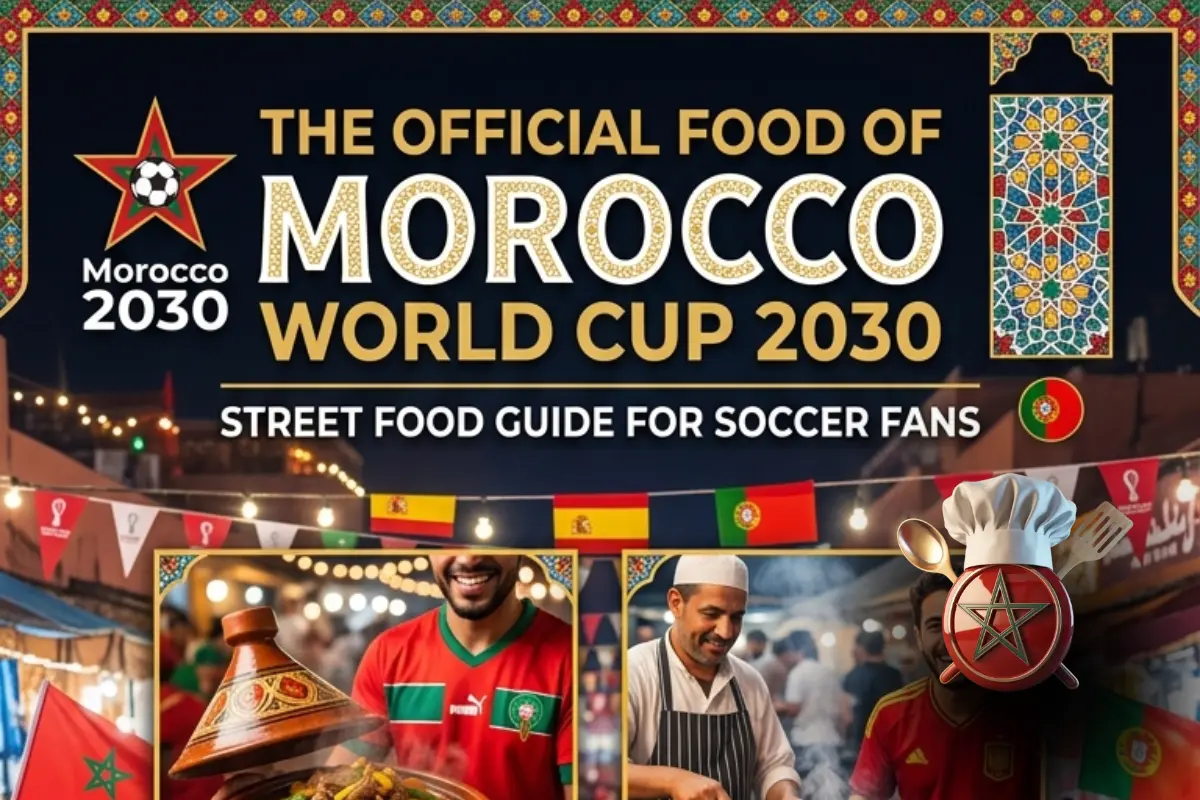
Morocco's Culinary Revolution for the World's Biggest Stage
As Morocco prepares to co-host the 2030 FIFA World Cup alongside Spain and Portugal, the kingdom faces an unprecedented culinary challenge: feeding an estimated 3 million international visitors while showcasing the rich tapestry of Moroccan cuisine. This monumental task goes far beyond simply serving food—it represents Morocco's opportunity to introduce the world to its millennia-old culinary traditions, from the aromatic spices of Marrakech souks to the fresh seafood of Casablanca's Atlantic coast.
The Moroccan government, working alongside FIFA, local restaurateurs, and international food service companies, has embarked on an ambitious journey to transform stadium dining, street food culture, and hospitality infrastructure across six host cities: Casablanca, Rabat, Fez, Marrakech, Agadir, and Tangier. This comprehensive preparation involves not just scaling up traditional recipes, but also adapting them for diverse dietary requirements, ensuring food safety standards meet international expectations, and creating memorable cultural experiences that will define Morocco's World Cup legacy.
The Magnitude of Morocco's Culinary Challenge
Understanding the scope of Morocco's World Cup food preparation requires grasping the sheer numbers involved. With an estimated 3 million visitors expected over the tournament's month-long duration, Morocco must prepare to serve approximately 15 million meals across stadiums, fan zones, restaurants, and street food vendors. This represents a 400% increase in the country's typical tourist dining capacity.
The logistical complexity extends beyond mere quantity. International visitors will arrive with diverse dietary preferences, religious restrictions, and cultural expectations. Morocco's Muslim-majority population has created a natural expertise in halal cuisine, but the country must also accommodate vegetarian, vegan, gluten-free, and other specialized dietary needs while maintaining the authentic flavors that make Moroccan cuisine globally celebrated.
Stadium Dining Infrastructure Development
Each of Morocco's World Cup stadiums is undergoing massive food service renovations. The Hassan II Stadium in Casablanca, Morocco's largest venue, will feature over 200 food service points, including traditional Moroccan restaurants, international fast-food chains, and innovative fusion concepts. The stadium's main culinary attraction will be a 500-seat traditional Moroccan restaurant offering full tagine and couscous experiences between matches.
The Prince Moulay Abdellah Stadium in Rabat is pioneering a unique "Culinary Journey" concept, where fans can experience different regional Moroccan specialties as they move through the stadium. From Tangier's Mediterranean-influenced dishes in the north sections to Saharan-inspired cuisine in the south sections, the stadium becomes a microcosm of Morocco's diverse culinary landscape.
Training Morocco's Culinary Workforce
Perhaps the most critical aspect of Morocco's preparation involves training thousands of chefs, food service workers, and hospitality staff. The Moroccan Ministry of Tourism has partnered with culinary schools across Europe and North America to establish intensive training programs. These programs focus not just on cooking techniques, but also on cultural presentation, explaining Moroccan ingredients to international visitors, and managing the increased volume while maintaining quality.
Master Chef Youssef Essafi, leading the national culinary training initiative, explains: "We're not just preparing food; we're preparing cultural ambassadors. Every server, every chef, every food vendor becomes a representative of Moroccan hospitality and tradition."
Authentic Moroccan Dishes Taking Center Stage
While Morocco will offer international cuisine options, the country's strategy centers on showcasing authentic Moroccan dishes adapted for stadium and high-volume service. This approach required significant innovation to maintain traditional flavors while meeting the logistical demands of feeding thousands of people simultaneously.
Tagine Innovation for Mass Service
The tagine, Morocco's most iconic dish, traditionally requires slow cooking in individual clay vessels. For World Cup service, Moroccan chefs have developed large-scale tagine preparation methods using specially designed commercial equipment that mimics the clay tagine's unique steam circulation. These industrial tagines can prepare 200 servings simultaneously while preserving the dish's characteristic tender meat and concentrated flavors.
The World Cup tagine menu will feature five signature variations:
- Lamb and Apricot Tagine: Sweet and savory combination representing Marrakech's imperial cuisine
- Chicken with Preserved Lemons and Olives: Classic preparation showcasing Morocco's citrus and olive traditions
- Vegetarian Tagine with Seven Vegetables: Accommodating plant-based diets while highlighting Morocco's agricultural diversity
- Beef and Prune Tagine: Rich, complex flavors representing northern Morocco's Andalusian influences
- Fish Tagine with Chermoula: Coastal specialty featuring Morocco's Atlantic and Mediterranean seafood
Couscous: The Friday Tradition Goes Global
Couscous, traditionally served on Fridays in Moroccan households, will be available throughout the World Cup in specially designed serving stations. These stations feature glass-enclosed preparation areas where visitors can watch the traditional couscous steaming process, creating an educational and cultural experience alongside the meal.
The World Cup couscous experience includes three regional variations: the sweet couscous of the Middle Atlas mountains with cinnamon and almonds, the seven-vegetable couscous of Casablanca, and the seafood couscous of Morocco's coastal regions. Each serving comes with detailed explanations of ingredients and cultural significance, transforming a simple meal into a cultural education experience.
Street Food Culture and Fan Zone Dining
Morocco's vibrant street food culture will play a central role in the World Cup experience, with specially designed fan zones featuring traditional food markets alongside modern food truck concepts. These areas aim to replicate the authentic atmosphere of Moroccan souks while meeting international food safety standards.
Traditional Street Foods Scaled for International Crowds
Moroccan street food vendors are preparing to introduce international visitors to beloved local specialties that rarely appear in overseas Moroccan restaurants. These include:
- Harira Soup Stations: The traditional Ramadan breaking fast soup, rich with tomatoes, lentils, and aromatic herbs, served in biodegradable bowls with traditional Moroccan bread
- Msemen and Rghaif Grills: Fresh-made layered flatbreads cooked on large griddles, served with honey, jam, or savory fillings
- Mechoui Barbecue: Slow-roasted lamb prepared in traditional earth ovens, carved fresh for sandwiches or served as full meals
- Fresh Seafood Grills: Sardines, sea bream, and prawns grilled with chermoula sauce, representing Morocco's 2,000-kilometer coastline
- Traditional Sweets Counters: Chebakia, sellou, and ghribiya cookies alongside modern interpretations of classic Moroccan desserts
Innovation in Traditional Preparations
To accommodate the massive influx of visitors while preserving authenticity, Moroccan food innovators have developed creative solutions. Mobile tagine units allow traditional slow-cooking methods to be used in temporary locations. Portable couscous steamers bring the Friday tradition to stadium environments. These innovations maintain traditional cooking methods while scaling them for unprecedented volume.
The fan zones will also feature "Moroccan Cooking Classes" where visitors can learn to prepare simple traditional dishes like Moroccan tea service or basic tagine preparations, creating lasting memories beyond the football matches.
International Fusion and Dietary Accommodations
While authentic Moroccan cuisine takes center stage, Morocco recognizes the need to accommodate diverse international dietary preferences and restrictions. This has led to innovative fusion concepts that maintain Moroccan flavor profiles while adapting to various dietary needs.
Moroccan-International Fusion Concepts
Moroccan chefs have developed fusion dishes that introduce Moroccan flavors through familiar international formats:
| Fusion Dish | Moroccan Elements | International Format | Target Audience |
|---|---|---|---|
| Moroccan Spiced Burgers | Ras el hanout seasoning, harissa aioli | American burger format | Casual dining preference |
| Tagine Pizza | Traditional tagine vegetables and spices | Italian pizza base | European comfort food |
| Couscous Bowls | Traditional couscous and vegetables | Healthy bowl trend | Health-conscious diners |
| Moroccan Tacos | Mechoui lamb, preserved lemon salsa | Mexican taco format | Latin American visitors |
| Pastilla Wraps | Traditional pastilla flavors | Modern wrap format | Quick service needs |
Dietary Restriction Accommodations
Morocco's preparation includes comprehensive accommodations for various dietary restrictions while maintaining authentic flavors:
Vegetarian and Vegan Options: Traditional Moroccan cuisine offers numerous plant-based dishes that require minimal adaptation. Vegetarian tagines featuring seasonal vegetables, vegan couscous preparations, and dairy-free Moroccan salads provide authentic experiences for plant-based diners. Moroccan chefs have also developed innovative vegan versions of traditionally meat-heavy dishes, using techniques like slow-cooked vegetable "meat" preparations with traditional spice blends.
Gluten-Free Adaptations: While traditional Moroccan bread is wheat-based, chefs have developed gluten-free alternatives using traditional ingredients like corn flour and rice flour. These adaptations maintain the cultural bread-sharing experience while accommodating celiac disease and gluten sensitivity.
Kosher Considerations: Morocco's historical Jewish community has created natural expertise in kosher-style preparations. Several World Cup venues will offer kosher-supervised Moroccan cuisine, featuring traditional Sephardic-Moroccan dishes that reflect the country's multicultural culinary heritage.
Regional Specialties Across Host Cities
Each of Morocco's six World Cup host cities brings unique culinary traditions that will be highlighted throughout the tournament, creating distinct food experiences based on location and regional specialties.
Casablanca: Morocco's Cosmopolitan Culinary Capital
As Morocco's economic capital and largest city, Casablanca will showcase the country's most sophisticated dining options. The city's World Cup dining strategy emphasizes upscale traditional cuisine alongside international fusion concepts. Casablanca's Atlantic coastal location allows for exceptional seafood presentations, including the city's famous fish tagines and grilled sardine specialties.
The city's colonial history influences its World Cup menu with French-Moroccan fusion dishes that reflect Casablanca's cosmopolitan character. These include Moroccan-spiced pastries using French techniques and wine-paired Moroccan meals that cater to European visitors' preferences.
Marrakech: Imperial Cuisine and Desert Traditions
Marrakech's World Cup experience centers on imperial Moroccan cuisine—the elaborate, refined cooking traditions developed in royal courts. The city's food offerings will feature complex spice blends, intricate pastilla preparations, and the sweet-and-savory combinations that characterize southern Moroccan cooking.
The famous Jemaa el-Fnaa square will be expanded with additional food stalls offering traditional Marrakech specialties like tangia (the bachelor's stew), sheep's head soup, and the city's distinctive orange-flavored sweets. These offerings provide authentic local experiences that transport visitors directly into Marrakech's culinary soul.
Fez: Ancient Culinary Traditions
As Morocco's cultural and spiritual capital, Fez emphasizes the most traditional and authentic culinary experiences. The city's World Cup strategy focuses on preserving and presenting centuries-old recipes exactly as they've been prepared for generations.
Fez will feature the country's most traditional couscous preparations, including the elaborate "couscous aux sept légumes" (seven-vegetable couscous) that requires specific seasonal vegetables and precise timing. The city's medina-based restaurants will offer traditional dining experiences with low tables, ornate serving dishes, and the complete Moroccan hospitality ritual including the traditional hand-washing ceremony and mint tea service.
Rabat: Royal Cuisine and Modern Innovation
Morocco's capital city balances royal culinary traditions with modern innovation, creating unique dining experiences that reflect the country's past and future. Rabat's World Cup offerings include dishes traditionally prepared for Moroccan royalty, featuring rare spices, complex preparations, and elegant presentations.
The city will also showcase Morocco's culinary innovation with modern interpretations of traditional dishes, molecular gastronomy techniques applied to Moroccan flavors, and contemporary presentation styles that maintain authentic tastes while appealing to international fine dining expectations.
Supply Chain and Logistics: Ensuring Quality at Scale
Feeding 3 million visitors requires unprecedented supply chain coordination to ensure consistent quality, authentic ingredients, and reliable service throughout the month-long tournament. Morocco has developed comprehensive logistics strategies that maintain traditional ingredient sourcing while meeting massive volume demands.
Ingredient Sourcing and Quality Control
Morocco's World Cup ingredient sourcing strategy emphasizes local production while ensuring consistent availability. The government has worked with farmers across different regions to increase production of key ingredients like preserved lemons, olives, argan oil, and the various spices essential to Moroccan cuisine.
| Ingredient Category | Primary Source Regions | Daily Volume Needed | Quality Standards |
|---|---|---|---|
| Preserved Lemons | Meknes, Fez regions | 15,000 kg | Traditional 3-month preservation |
| Argan Oil | Essaouira cooperatives | 2,000 liters | Cold-pressed, certified organic |
| Saffron | Taliouine region | 50 kg | Grade 1 threads only |
| Olives | Meknes, Marrakech | 25,000 kg | Multiple varieties, traditional curing |
| Fresh Vegetables | Souss Valley, Gharb Plain | 200,000 kg | Organic certification preferred |
| Lamb and Beef | Middle Atlas, High Atlas | 100,000 kg | Halal certification, grass-fed |
Food Safety and International Standards
Morocco has implemented comprehensive food safety protocols that meet or exceed international standards while preserving traditional preparation methods. This includes HACCP (Hazard Analysis Critical Control Points) certification for all World Cup food service locations, temperature monitoring systems for traditional slow-cooking methods, and traceability systems that track ingredients from source to plate.
Traditional preparation methods like clay tagine cooking and wood-fired bread baking have been adapted with modern safety monitoring while preserving authentic flavors. This balance between tradition and safety represents one of Morocco's most significant World Cup preparation achievements.
Waste Reduction and Sustainability
Morocco's World Cup food strategy includes comprehensive sustainability measures that reflect both environmental consciousness and traditional Moroccan values of resource conservation. All food packaging will be biodegradable or recyclable, with emphasis on traditional serving methods like communal tagines and shared bread that naturally reduce waste.
Food waste will be minimized through precise demand forecasting, traditional preservation techniques, and partnerships with local food banks and livestock farmers who can utilize organic waste. This approach maintains Moroccan cultural values while meeting contemporary environmental expectations.
Technology Integration in Traditional Food Service
Morocco's World Cup food service integrates modern technology with traditional cooking methods to enhance visitor experiences while preserving authentic preparation techniques. This technological integration focuses on improving efficiency, providing cultural education, and accommodating diverse visitor needs without compromising traditional flavors.
Digital Ordering and Cultural Education
World Cup venues will feature multilingual digital ordering systems that include detailed explanations of each dish's cultural significance, ingredients, and preparation methods. These systems allow visitors to make informed choices while learning about Moroccan culinary culture.
QR code systems at traditional food stalls provide instant access to ingredient information, cultural background, and even video demonstrations of traditional preparation techniques. This technology transforms every meal into a cultural learning experience without requiring additional staff training in multiple languages.
Mobile apps specifically developed for World Cup visitors include "Moroccan Food Guide" features with pronunciation guides for dish names, cultural etiquette tips for traditional dining experiences, and recommendations based on dietary preferences and cultural interests.
Kitchen Technology Preserving Traditional Methods
High-volume commercial kitchens utilize specialized equipment designed to replicate traditional Moroccan cooking methods at scale. Computer-controlled tagine ovens maintain the precise temperature and steam circulation of traditional clay vessels while preparing hundreds of servings simultaneously.
Automated couscous steaming systems preserve the traditional three-steaming process while managing much larger quantities than traditional couscoussiers could handle. These systems maintain the authentic texture and flavor that characterizes properly prepared couscous while meeting the demands of stadium-scale service.
Temperature monitoring and timing systems ensure that traditional slow-cooking methods achieve authentic results consistently across thousands of meals daily, maintaining quality standards that preserve Morocco's culinary reputation.
Cultural Dining Experiences Beyond the Stadium
Morocco's World Cup strategy extends far beyond stadium food service to create comprehensive cultural dining experiences that immerse visitors in authentic Moroccan hospitality traditions. These experiences range from intimate family-style meals to large-scale cultural celebrations that showcase the social aspects of Moroccan cuisine.
Traditional Moroccan Hospitality Experiences
Specially designed "Moroccan Home Experience" programs allow visitors to join local families for traditional meals in authentic home settings. These experiences include the complete traditional meal ritual: hand washing with orange blossom water, communal eating from shared tagines, traditional bread breaking, and the extended tea service that concludes Moroccan meals.
These intimate experiences provide cultural context that transforms food from mere sustenance into cultural understanding. Visitors learn traditional eating etiquette, the significance of shared meals in Moroccan culture, and the role of food in Moroccan social and family structures.
Large-Scale Cultural Food Events
Each host city will feature large-scale traditional Moroccan feasts that accommodate hundreds of visitors while maintaining authentic cultural elements. These events, called "Moroccan Diffa" (traditional feast), recreate the elaborate multi-course meal structure of traditional Moroccan celebrations.
The Diffa experiences include traditional entertainment, authentic multi-course meal service, and cultural explanations that help international visitors understand the social and cultural significance of Moroccan food traditions. These events create lasting memories that associate Moroccan culture with hospitality, warmth, and culinary excellence.
Economic Impact and Legacy Planning
Morocco's World Cup culinary preparations represent a massive economic investment with long-term implications for the country's food tourism industry. The infrastructure, training, and international exposure created for the World Cup will benefit Morocco's culinary tourism sector for decades to come.
Investment in Culinary Infrastructure
The Moroccan government has invested over $500 million in culinary infrastructure improvements specifically for World Cup preparation. This includes new commercial kitchen facilities, expanded restaurant capacity, improved food supply chain infrastructure, and comprehensive workforce training programs.
These investments will provide permanent benefits to Morocco's tourism industry, creating capacity and expertise that will serve the country's growing culinary tourism sector long after the World Cup concludes. Many of the specialized facilities and trained personnel will transition to supporting Morocco's expanding role as a culinary tourism destination.
International Recognition and Future Tourism
The World Cup provides unprecedented international exposure for Moroccan cuisine, potentially transforming global perceptions of North African food. Market research suggests that successful World Cup food experiences could increase culinary tourism to Morocco by 300% in the five years following the tournament.
This exposure creates opportunities for Moroccan restaurants worldwide, exports of Moroccan food products, and international recognition of Moroccan culinary techniques and ingredients. The World Cup serves as a global showcase that positions Morocco as a major culinary destination alongside established food tourism countries.
Frequently Asked Questions
What makes Moroccan World Cup food service different from previous tournaments?
Morocco's approach uniquely emphasizes authentic traditional cuisine alongside international options, rather than focusing primarily on international fast food. The country is investing heavily in preserving traditional cooking methods while scaling them for massive crowds, creating cultural education opportunities through food service, and showcasing regional specialties that reflect Morocco's diverse culinary landscape. This cultural immersion approach transforms stadium dining from mere food service into cultural experiences.
How will Morocco accommodate visitors with dietary restrictions while maintaining authentic flavors?
Morocco has developed comprehensive strategies for dietary accommodations that preserve authentic Moroccan flavors. Traditional Moroccan cuisine naturally includes many vegetarian and vegan options that require minimal adaptation. For gluten-free needs, chefs have developed alternatives using traditional ingredients like corn and rice flour. Kosher options draw on Morocco's historical Jewish culinary traditions. All adaptations focus on maintaining traditional spice blends and cooking techniques while modifying specific ingredients to meet dietary requirements.
Will traditional Moroccan cooking methods be preserved in high-volume stadium service?
Yes, Morocco has invested significantly in technology that replicates traditional cooking methods at scale. Specially designed commercial tagine ovens maintain the steam circulation and temperature control of traditional clay vessels while serving hundreds simultaneously. Automated couscous steaming systems preserve the traditional three-steaming process for large quantities. Temperature monitoring ensures traditional slow-cooking methods achieve authentic results consistently across thousands of daily meals.
What regional differences will visitors experience across Morocco's World Cup host cities?
Each host city showcases distinct regional specialties: Casablanca emphasizes cosmopolitan cuisine and Atlantic seafood; Marrakech features imperial cuisine and desert traditions with sweet-savory combinations; Fez focuses on the most traditional, centuries-old preparations; Rabat balances royal cuisine with modern innovation; Agadir highlights coastal seafood and Berber influences; and Tangier showcases Mediterranean-influenced northern specialties. These regional differences create unique culinary experiences based on match locations.
How will the World Cup impact Morocco's long-term culinary tourism industry?
The World Cup represents a massive investment in culinary infrastructure, workforce training, and international exposure that will benefit Morocco's food tourism for decades. The $500 million in culinary infrastructure improvements, trained workforce, and global showcase of Moroccan cuisine could increase culinary tourism by 300% in the five years following the tournament. This positions Morocco as a major international culinary destination and creates lasting economic benefits far beyond the tournament period.
Morocco's Culinary World Cup Legacy
As Morocco prepares to welcome 3 million World Cup visitors, the country's comprehensive culinary strategy represents far more than feeding sports fans—it's a cultural showcase that will define Morocco's international culinary reputation for generations. The careful balance between preserving authentic traditions and accommodating international expectations demonstrates Morocco's sophisticated understanding of cultural diplomacy through cuisine.
The innovative solutions developed for scaling traditional cooking methods, the comprehensive dietary accommodations, and the integration of cultural education into food service create a model that other countries will study and emulate. Morocco's approach proves that major sporting events can serve as platforms for cultural preservation and international understanding, rather than simply commercial opportunities.
When the final match concludes and the last visitors return home, Morocco's World Cup culinary legacy will continue through the enhanced infrastructure, trained workforce, and global recognition that transforms the country into a premier culinary tourism destination. The 2030 World Cup will be remembered not just for the football, but for the way Morocco used food to create lasting cultural connections that bridge continents and bring the world together around the shared human experience of exceptional cuisine and warm hospitality.