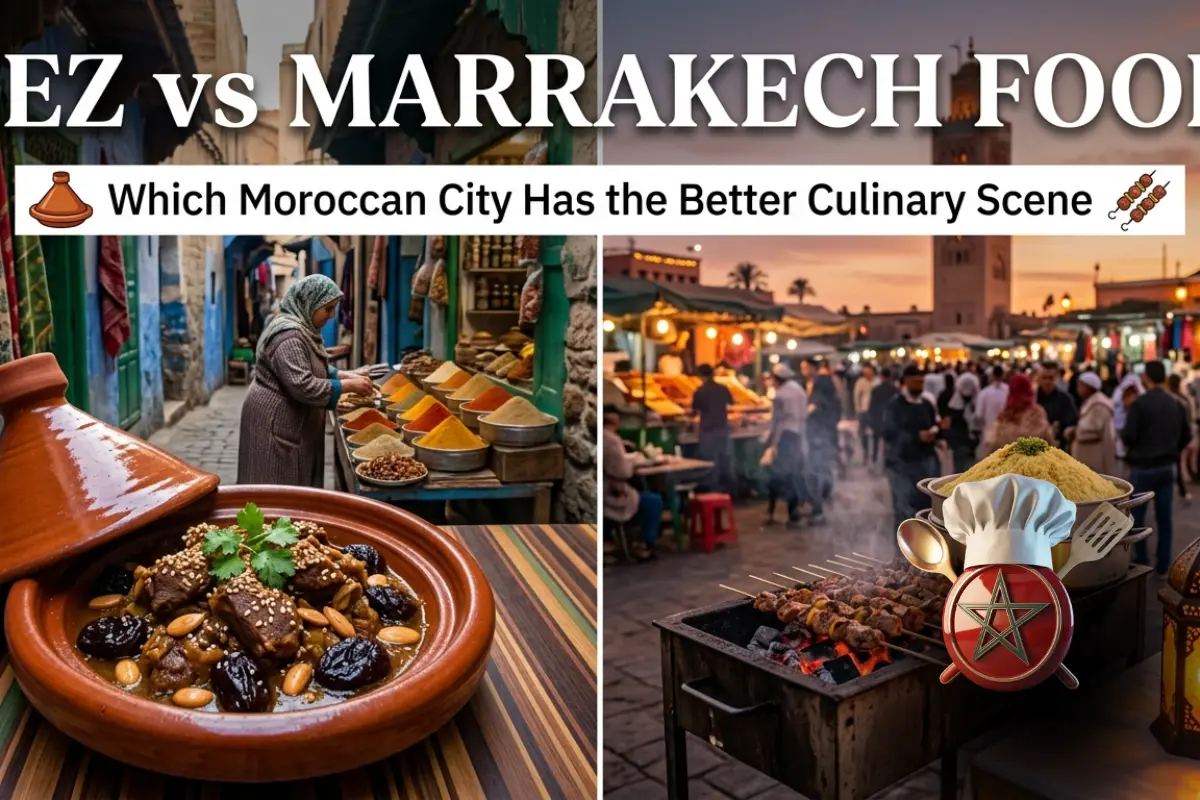
The Great Moroccan Culinary Debate: Fez vs Marrakech
Morocco's culinary landscape is as diverse and complex as its history, with each region offering distinct flavors, techniques, and traditions that have evolved over centuries. Among the country's many gastronomic destinations, two cities stand out as the undisputed champions of Moroccan cuisine: Fez and Marrakech. These ancient imperial cities have long been locked in a friendly rivalry, each claiming superiority in the art of Moroccan cooking. For Western travelers seeking an authentic taste of Morocco, the question becomes not just where to visit, but where to eat – and eat well.
Both cities offer unique culinary experiences that reflect their distinct personalities and histories. Fez, the spiritual and intellectual heart of Morocco, is renowned for its refined, sophisticated cuisine that has remained largely unchanged for over a thousand years. Meanwhile, Marrakech, the vibrant "Red City," pulses with energy and offers a more diverse, accessible food scene that seamlessly blends traditional flavors with modern influences. Understanding these differences is crucial for any food lover planning a Moroccan adventure.
This comprehensive comparison will take you through the labyrinthine souks, bustling food markets, hidden restaurants, and family kitchens of both cities to uncover what makes each destination special. We'll explore everything from street food and traditional dishes to fine dining and cooking classes, helping you decide which city deserves the crown as Morocco's ultimate food capital – or perhaps discovering that both cities offer irreplaceable culinary treasures worth experiencing.
Historical Foundations: How History Shaped Each City's Cuisine
To understand the culinary differences between Fez and Marrakech, we must first delve into their rich histories, as the food culture of each city has been profoundly shaped by centuries of political, cultural, and economic influences. These historical foundations explain why certain dishes, ingredients, and cooking techniques are more prevalent in one city than the other.
Fez: The Keeper of Culinary Traditions
Founded in 789 AD by Idris I, Fez quickly became the religious and cultural center of Morocco. As the seat of learning and spirituality, the city attracted scholars, artisans, and nobility from across the Islamic world, particularly during the golden age of Al-Andalus. When Muslim refugees fled Spain during the Reconquista, they brought with them sophisticated culinary techniques and recipes that would become integral to Fassi cuisine.
The influence of Andalusian cuisine is still evident today in Fez's complex spice blends, intricate pastries, and elaborate presentation styles. The city's role as a center of Islamic learning also meant that food preparation became elevated to an art form, with religious and cultural significance attached to many dishes. The wealthy merchant families and religious scholars of Fez developed a cuisine that emphasized refinement, subtlety, and perfection – values that continue to define Fassi cooking today.
The geographic location of Fez, nestled in the fertile plains between the Middle Atlas and Rif mountains, provided access to diverse ingredients. Olive groves, wheat fields, and fruit orchards surrounded the city, while trade routes brought exotic spices from the Sahara and beyond. This abundance, combined with the city's sophisticated palate, led to the development of complex dishes that often required hours or even days to prepare properly.
Marrakech: The Crossroads of Culinary Exchange
Marrakech, founded in 1062 by the Almoravid dynasty, developed as a commercial hub connecting sub-Saharan Africa with the Mediterranean world. Unlike Fez's scholarly atmosphere, Marrakech was built on trade and commerce, creating a more diverse and dynamic food culture that incorporated influences from Berber, Arab, African, and later French colonial traditions.
The city's location at the crossroads of major trade routes meant that merchants, travelers, and nomads constantly brought new ingredients and cooking techniques. Spices from the Sahara, dates from the oases, and exotic ingredients from sub-Saharan Africa all found their way into Marrakech's cooking pots. This constant influx of influences created a more eclectic, adaptable cuisine that was less bound by rigid traditions than its northern counterpart.
The Berber influence is particularly strong in Marrakech cuisine, with many traditional cooking methods and ingredients derived from the indigenous mountain populations. The use of clay tagines, earth ovens, and certain preservation techniques reflects this ancient heritage. Additionally, the city's role as a winter palace for sultans and wealthy families led to the development of impressive feast dishes designed to showcase wealth and hospitality.
Signature Dishes: Comparing the Culinary Stars
Every great culinary city has its signature dishes – those iconic preparations that locals take pride in and visitors must try. Both Fez and Marrakech boast impressive repertoires of traditional dishes, but each city has developed its own interpretations and specialties that reflect local tastes, available ingredients, and cultural preferences.
Fez's Refined Classics
Fez is perhaps most famous for Pastilla (also spelled Bastilla), the legendary sweet-and-savory pie that represents the pinnacle of Moroccan culinary sophistication. This elaborate dish consists of layers of paper-thin warqa pastry filled with spiced pigeon or chicken, eggs, and almonds, all delicately seasoned with cinnamon and sugar. The preparation of authentic pastilla requires exceptional skill and patience, making it a true test of a cook's abilities. In Fez, pastilla is traditionally served at weddings and special celebrations, symbolizing the city's commitment to culinary excellence.
Another Fassi specialty is Rfissa, a complex dish of shredded msemen (flaky flatbread) topped with chicken in a rich, aromatic sauce flavored with fenugreek, ginger, and saffron. This comfort food is traditionally served to new mothers and is considered one of the most nourishing dishes in Moroccan cuisine. The preparation requires multiple steps and precise timing, embodying the Fassi approach to cooking as a meditative, almost spiritual practice.
Fassi-style tagines are known for their subtlety and balance, often featuring unusual combinations like lamb with prunes and apricots, or chicken with preserved lemons and olives. These dishes showcase the Andalusian influence on local cuisine, with their sophisticated use of sweet and savory elements. The tagines of Fez tend to be more delicately spiced than their southern counterparts, allowing the natural flavors of high-quality ingredients to shine through.
Marrakech's Bold Flavors
Marrakech's most iconic dish is undoubtedly Mechoui, whole roasted lamb or sheep traditionally cooked in underground earth ovens. This spectacular dish, often prepared for large gatherings and celebrations, showcases the Berber influence on local cuisine. The meat is seasoned simply with salt and cumin, then slow-roasted until it becomes incredibly tender and flavorful. The preparation of mechoui is as much about the communal experience as it is about the food itself.
The city is also famous for its Kefta tagine, featuring spiced meatballs in a rich tomato sauce, often topped with eggs. This hearty, rustic dish represents the more straightforward, bold flavors that characterize Marrakech cuisine. Unlike the subtle seasonings preferred in Fez, Marrakech kefta is robustly spiced and designed to satisfy the hearty appetites of traders and travelers.
Tanjia is perhaps Marrakech's most unique contribution to Moroccan cuisine. This slow-cooked meat dish is traditionally prepared by the city's bachelors, who place seasoned meat in a special clay pot and have it slow-cooked in the embers of communal bathhouse furnaces. The result is incredibly tender, flavorful meat that has absorbed the essence of the spices over many hours of gentle cooking.
Comparative Analysis of Signature Dishes
| Aspect | Fez Specialties | Marrakech Specialties |
|---|---|---|
| Complexity | Highly complex, multi-step preparations | Simpler techniques, bold flavors |
| Spicing | Subtle, balanced, refined | Robust, pronounced, direct |
| Influences | Andalusian, scholarly traditions | Berber, nomadic, trade-influenced |
| Presentation | Elaborate, ceremonial | Rustic, communal |
| Cooking Time | Extended preparation periods | Varies from quick to slow-cooked |
| Accessibility | Often reserved for special occasions | More everyday, accessible dishes |
Street Food Culture: From Souks to Sidewalks
Street food culture provides perhaps the most authentic glimpse into a city's culinary soul, offering visitors the chance to experience local flavors at their most genuine and accessible. Both Fez and Marrakech boast vibrant street food scenes, but each has developed its own character, specialties, and traditions that reflect the broader cultural differences between these two imperial cities.
Fez: Sophisticated Street Eats
The street food scene in Fez tends to be more refined and traditional than many other Moroccan cities, reflecting the conservative nature of this ancient cultural center. Even the humblest street vendors in Fez often display a level of craftsmanship and attention to detail that would be impressive in formal restaurants elsewhere.
Makouda stands out as one of Fez's most beloved street foods – perfectly fried potato fritters that are crispy on the outside and fluffy on the inside. Fassi makouda vendors have elevated this simple snack to an art form, often serving it in fresh bread with harissa and preserved vegetables. The technique for achieving the perfect texture has been passed down through generations of street food families.
The city's b'stilla vendors offer smaller, individual portions of the famous pastry, making this typically ceremonial dish accessible to casual diners. These street-side versions maintain the complex flavors and delicate pastry work of their formal counterparts while being perfectly sized for on-the-go eating.
Fassi soup culture is particularly noteworthy, with numerous vendors specializing in harira and other traditional soups. The harira served on Fez streets during Ramadan is legendary among Moroccans, often considered the gold standard against which all other versions are measured. These soup vendors typically operate from small stalls that have been in the same locations for decades, building devoted followings among locals.
Marrakech: The Theater of Street Food
Marrakech's street food scene is centered around the famous Jemaa el-Fnaa square, where dozens of food stalls create a nightly spectacle that's as much about entertainment as it is about eating. This theatrical approach to street food reflects the city's broader character as a place where commerce, culture, and cuisine intersect in dramatic fashion.
The grilled meat stalls of Jemaa el-Fnaa are legendary among visitors, offering everything from lamb chops to beef brochettes cooked over open charcoal fires. The vendors here are skilled showmen as much as they are cooks, often performing elaborate displays while preparing food. The quality varies significantly, but the best stalls serve meat that rivals any restaurant in the city.
Snail soup vendors represent one of Marrakech's most unique street food traditions. These specialized stalls serve hot snail broth flavored with exotic spices, creating an aromatic experience that draws curious visitors and devoted locals alike. The vendors typically display impressive knowledge of the medicinal properties of their various spice blends.
Marrakech's fresh orange juice stands have become iconic symbols of the city, with vendors creating towering displays of oranges and operating manual presses with theatrical flair. While simple, these stands represent the city's gift for turning even the most basic food service into an engaging performance.
Street Food Comparison
| Factor | Fez Street Food | Marrakech Street Food |
|---|---|---|
| Atmosphere | Traditional, quiet, neighborhood-based | Theatrical, touristy, spectacle-focused |
| Quality Consistency | Generally high, traditional standards | Variable, depends on vendor knowledge |
| Specialties | Makouda, street b'stilla, refined soups | Grilled meats, snail soup, fresh juices |
| Price Range | Moderate, consistent pricing | Wide range, tourist vs local pricing |
| Authenticity | Highly authentic, unchanged recipes | Mixed, some tourist-adapted offerings |
| Accessibility | Requires local knowledge to find best spots | Highly visible, centrally located |
Market Culture and Food Shopping: Where Ingredients Tell Stories
The food markets of Fez and Marrakech serve as the beating hearts of their respective culinary cultures, where locals have shopped for fresh ingredients for over a millennium. These markets offer visitors an unparalleled opportunity to understand how each city's cuisine is built from the ground up, from the selection of spices to the quality of produce and the relationships between vendors and customers.
Fez: The Scholarly Approach to Ingredients
The markets of Fez el-Bali (the old medina) operate with a sense of tradition and order that reflects the city's scholarly heritage. Vendors here often possess encyclopedic knowledge of their products, able to discuss not just prices and quality, but also the historical significance, medicinal properties, and culinary applications of everything they sell.
The spice markets of Fez are particularly renowned for their quality and authenticity. Vendors here typically specialize in specific categories – some focus on medicinal herbs, others on cooking spices, and still others on perfume ingredients. The ras el hanout blends created by master spice merchants in Fez are considered among the finest in Morocco, often containing 20 or more carefully balanced ingredients.
Fez's produce markets showcase the agricultural abundance of the surrounding Saiss Plain. The vendors have longstanding relationships with specific farmers and can often trace their products to particular fields or groves. This connection to the land is reflected in the exceptional quality of ingredients available, from the olive oil pressed from ancient groves to the wheat grown using traditional methods.
The city's preserved food specialists offer an impressive array of pickled vegetables, preserved lemons, and other traditional preserves that are essential to authentic Moroccan cuisine. These vendors often use family recipes that have been perfected over generations, and their products are sought after by serious cooks throughout Morocco.
Marrakech: The Crossroads Marketplace
Marrakech's markets reflect the city's history as a trading crossroads, offering an incredibly diverse array of ingredients from across Morocco and beyond. The shopping experience here is more dynamic and sometimes chaotic than in Fez, with vendors competing energetically for customers and constantly adapting their offerings to demand.
The central spice market in Marrakech's souk showcases ingredients from across North and West Africa. Here you'll find Saharan salt, Ethiopian berbere spice blends, and other exotic ingredients that rarely appear in northern Moroccan markets. The vendors are skilled at creating custom spice blends tailored to specific dishes or customer preferences.
Marrakech's fresh produce markets benefit from the city's location near fertile agricultural regions and oasis communities. The variety of dates alone is staggering, with vendors offering dozens of varieties from different oases, each with distinct flavors and textures. The vegetable markets showcase both traditional Moroccan produce and ingredients influenced by the city's international connections.
The meat markets of Marrakech are particularly impressive, reflecting the importance of meat in the local diet and the city's historical role in livestock trading. Vendors here often specialize in specific cuts or types of meat, and many offer custom butchering services for traditional preparations like mechoui.
Shopping Experience and Ingredient Quality
Shopping for ingredients in either city requires different approaches and offers distinct advantages. In Fez, the emphasis is on building relationships with vendors who can provide consistent quality and expert advice. Many of the best ingredients are not immediately visible – you need to ask specifically, and vendors will often produce superior products from hidden stores once they determine you're a serious customer.
Marrakech markets are generally more accessible to visitors, with vendors accustomed to explaining products to international customers. However, this accessibility sometimes comes at the cost of inflated prices for tourists. The key is finding vendors who serve local customers, as these typically offer better quality and more reasonable prices.
Both cities offer seasonal specialties that reflect the agricultural calendar of their regions. In Fez, the arrival of new olive oil in November is celebrated throughout the city, while Marrakech's date harvest in autumn brings dozens of varieties to market. Understanding these seasonal rhythms can greatly enhance your culinary experience in either city.
Restaurant Scenes: From Traditional to Contemporary
The restaurant landscapes of Fez and Marrakech have evolved dramatically over the past few decades, each developing its own character while maintaining connections to traditional culinary roots. Understanding the dining options in each city is crucial for visitors who want to experience the full spectrum of Moroccan cuisine, from humble family-run establishments to internationally renowned fine dining venues.
Fez: Tradition with Subtle Evolution
The restaurant scene in Fez has maintained a more conservative approach to culinary innovation, with most establishments focusing on perfecting traditional recipes rather than creating fusion cuisine or modern interpretations. This dedication to authenticity has preserved some of the finest examples of classical Moroccan cuisine, making Fez an essential destination for purists seeking unaltered traditional flavors.
Traditional family restaurants in Fez often operate from centuries-old riads, creating an intimate dining experience that feels more like eating in someone's home than in a commercial establishment. These restaurants typically offer set menus featuring multiple courses of seasonal specialties, allowing diners to experience the full range of Fassi cuisine in a single meal. The service is often personalized, with owners taking time to explain each dish and its cultural significance.
The city's medina eateries represent some of the most authentic dining experiences available in Morocco. Hidden down narrow alleys and often unmarked, these establishments serve local workers and residents, offering simple but perfectly executed dishes at very reasonable prices. Finding these places often requires local guidance, but the reward is experiencing Moroccan cuisine as locals know it.
Upscale dining in Fez focuses on elevating traditional cuisine through superior ingredients and presentation rather than radical reinterpretation. The best fine dining establishments source ingredients from specific suppliers known for exceptional quality, and their chefs often come from families with generations of culinary experience. These restaurants typically offer elaborate multi-course meals featuring rare dishes like authentic pastilla or complex tagine preparations.
Marrakech: Innovation Meets Tradition
Marrakech's restaurant scene has embraced both traditional Moroccan cuisine and international influences, creating a diverse dining landscape that caters to local tastes, Moroccan visitors from other cities, and international tourists. This diversity has led to innovation while still maintaining strong connections to traditional cooking methods and flavors.
The city's riad restaurants have become legendary among international food lovers, offering atmospheric dining experiences in beautifully restored traditional houses. Many of these establishments employ internationally trained chefs who bring contemporary techniques to traditional Moroccan dishes, creating unique fusion experiences that somehow remain authentically Moroccan in spirit.
Tourist-focused restaurants around Jemaa el-Fnaa and major hotels offer accessible introductions to Moroccan cuisine, with menus designed to accommodate international palates. While some food purists dismiss these establishments, many offer high-quality interpretations of classic dishes and serve as excellent entry points for visitors new to Moroccan cuisine.
The emergence of contemporary Moroccan restaurants represents one of Marrakech's most exciting culinary developments. These establishments, often led by young Moroccan chefs trained in international culinary schools, are creating new interpretations of traditional dishes while maintaining respect for classical techniques and flavor profiles. This movement has attracted international attention and positioned Marrakech as an innovative culinary destination.
Dining Experience Comparison
- Authenticity Level: Fez restaurants generally offer more traditionally authentic experiences, while Marrakech provides a broader range of authenticity levels to suit different preferences and budgets
- Price Range: Fez tends to offer better value for traditional cuisine, while Marrakech has a wider price range with both budget and luxury options readily available
- Service Style: Fez restaurants often provide more personalized, educational service, while Marrakech establishments are typically more efficient and tourist-friendly
- Atmosphere: Fez dining tends to be more intimate and contemplative, while Marrakech often offers more theatrical and entertaining dining experiences
- Menu Variety: Fez restaurants usually specialize in regional dishes, while Marrakech offers broader Moroccan representation plus international options
- Accessibility: Marrakech restaurants are generally easier for tourists to find and navigate, while Fez often requires local knowledge or guidance to discover the best establishments
Food Tours and Culinary Education: Learning While Eating
Both Fez and Marrakech have developed robust food tourism industries that offer visitors opportunities to deepen their understanding of Moroccan cuisine through guided experiences, cooking classes, and cultural immersion programs. However, each city has developed its own approach to culinary education that reflects its distinct character and strengths.
Fez: Academic Approach to Culinary Learning
Fez's reputation as the intellectual capital of Morocco extends to its food education offerings, which tend to emphasize cultural context, historical significance, and traditional techniques. The cooking classes and food tours here often feel more like university seminars than simple entertainment, providing deep insights into the cultural and religious significance of different dishes and cooking methods.
Traditional cooking classes in Fez are typically conducted in authentic home settings, often in the houses of master cooks who have been preparing traditional dishes for decades. These experiences usually span entire days, teaching not just recipes but the philosophy behind Fassi cuisine – the importance of patience, the spiritual aspects of food preparation, and the social significance of sharing meals.
The city's specialized workshops offer focused learning on specific techniques that are particularly associated with Fez, such as the complex art of making authentic pastilla or the delicate process of preparing preserved lemons and other pickled vegetables. These intensive sessions often attract serious food enthusiasts and professional chefs seeking to master specific aspects of Moroccan cuisine.
Market tours in Fez emphasize education over entertainment, with knowledgeable guides who can explain not just what ingredients are available but their historical uses, medicinal properties, and proper preparation methods. These tours often include meetings with master spice blenders and other artisan food producers who have inherited their skills through family traditions.
Marrakech: Accessible and Diverse Learning Options
Marrakech has developed a more accessible and varied approach to culinary education, offering everything from brief introductory experiences for casual tourists to intensive programs for serious culinary students. The city's international connections have also led to the development of fusion cooking classes that combine Moroccan techniques with global influences.
Riad cooking classes represent one of Marrakech's most popular culinary activities, typically combining market visits with hands-on cooking instruction in beautiful traditional settings. These classes are usually designed to accommodate various skill levels and time constraints, making them perfect for travelers with limited time who still want meaningful culinary experiences.
The city offers numerous street food tours that introduce visitors to the vibrant food scene around Jemaa el-Fnaa and throughout the medina. These tours often include interactions with vendors and explanations of how street food culture fits into broader Moroccan dining traditions. The theatrical nature of much Marrakech street food makes these tours particularly engaging for visitors.
Professional culinary programs have emerged in Marrakech, attracting international students and professional chefs who want to study Moroccan cuisine in depth. These programs often include stages at local restaurants, meetings with food producers, and intensive instruction in both traditional and contemporary Moroccan cooking techniques.
Comparative Learning Experiences
The choice between Fez and Marrakech for culinary education often depends on learning style preferences and depth of interest. Fez offers more scholarly, traditional approaches that provide deep cultural context but may be less accessible to casual learners. Marrakech provides more varied options that can accommodate different interests and time constraints while still offering authentic learning experiences.
Traditional technique focus: Fez excels in teaching classical preparation methods that have remained unchanged for centuries, while Marrakech offers broader exposure to regional variations and contemporary adaptations. Both cities provide valuable learning opportunities, but Fez may be preferable for those seeking to master specific traditional skills.
Cultural immersion: Fez cooking classes often include deeper cultural education about the social and religious significance of food in Moroccan society. Marrakech experiences tend to focus more on practical cooking skills and the enjoyment of food, though cultural context is still provided.
Practical Considerations: Budget, Accessibility, and Logistics
When planning a culinary journey to Morocco, practical considerations often play a crucial role in determining which city will provide the most satisfying experience. Both Fez and Marrakech offer excellent culinary adventures, but they differ significantly in terms of costs, accessibility for international visitors, and the logistics of navigating their food scenes.
Budget Considerations
The cost of culinary experiences varies considerably between the two cities, with each offering advantages for different types of travelers and budgets. Understanding these differences can help you allocate your travel budget more effectively and choose experiences that provide the best value for your particular interests and financial constraints.
Fez budget advantages: Traditional restaurants in Fez often offer exceptional value, with complete multi-course meals at family establishments costing significantly less than comparable experiences in Marrakech. Street food prices are generally lower and more consistent, with less tourist pricing. Cooking classes tend to be more comprehensive for the price, often including market tours and full-day experiences. Local markets offer better prices for ingredients and spices, particularly for authentic, high-quality items.
Marrakech budget considerations: The city offers a wider range of price points, making it possible to find both budget and luxury options. However, tourist areas often feature inflated prices, and negotiation skills become important for getting fair deals. The variety of dining options means you can control costs more easily by choosing between different types of establishments. International-style accommodations and restaurants provide familiar options but at premium prices.
Accessibility and Navigation
The physical layout and tourist infrastructure of each city create different challenges and opportunities for culinary exploration. These factors can significantly impact your ability to discover and enjoy the best food experiences each destination offers.
Fez accessibility challenges: The medina's complex layout makes independent exploration difficult without local guidance. Many of the best restaurants and food vendors are hidden in unmarked locations that require inside knowledge to find. Language barriers can be more significant, as fewer vendors speak English. The conservative nature of the city means some experiences may require advance arrangements or introductions.
Marrakech accessibility advantages: Better tourist infrastructure makes independent exploration more feasible. Major food markets and restaurant areas are clearly marked and easier to navigate. More vendors and restaurant staff speak English or French. The concentration of food experiences around Jemaa el-Fnaa creates a logical starting point for culinary exploration. Transportation within the city is more developed, making it easier to reach different food districts.
Seasonal Considerations
Both cities experience seasonal variations that can significantly impact culinary experiences, from ingredient availability to restaurant operations and market schedules. Planning your visit around these seasonal factors can enhance your food adventures considerably.
The agricultural calendar affects both cities similarly, with spring and fall offering the best variety of fresh produce. Summer temperatures can make extended market visits and cooking classes less comfortable, particularly in Marrakech's more intense heat. Winter provides comfortable weather for food exploration but may limit some outdoor dining experiences. Ramadan significantly affects food culture in both cities, with different impacts on restaurant schedules and street food availability.
Frequently Asked Questions
Which city is better for first-time visitors to Morocco who want to experience authentic food culture?
For first-time visitors, Marrakech generally offers a more accessible introduction to Moroccan food culture. The city's tourist infrastructure makes it easier to navigate independently, and the concentration of food experiences around Jemaa el-Fnaa provides a logical starting point for culinary exploration. The variety of restaurant types allows visitors to gradually work their way up from familiar international options to more traditional local cuisine. However, if you have a local guide or are comfortable with more challenging navigation, Fez offers more authentically preserved traditional food culture with less tourist influence.
Where can I find the most authentic traditional Moroccan dishes without tourist modifications?
Fez consistently offers more authentic traditional dishes that have remained unchanged by tourist influence. The city's conservative culinary culture and smaller international visitor population mean that most restaurants continue to prepare dishes using centuries-old recipes and techniques. Look for family-run establishments in the medina that serve local workers and residents. In Marrakech, authentic traditional dishes can be found, but you'll need to venture beyond the main tourist areas and seek out places that primarily serve Moroccan customers.
Which city offers better value for money for food experiences?
Fez generally offers better value for money, particularly for traditional Moroccan cuisine and authentic experiences. Restaurant prices are typically lower, street food is more reasonably priced, and cooking classes often provide more comprehensive experiences for the cost. Market prices for spices and ingredients are also generally more reasonable in Fez. Marrakech can be more expensive, especially in tourist areas, but it offers a wider range of price points, making it possible to find both budget and luxury options depending on your preferences and budget.
How do the cooking class experiences differ between the two cities?
Fez cooking classes tend to be more traditional and educational, often conducted in authentic family settings with master cooks who emphasize cultural context and traditional techniques. These classes usually take longer and provide deeper cultural insights along with cooking instruction. Marrakech cooking classes are typically more accessible and varied, often conducted in restored riads with professional instruction that accommodates different skill levels. Marrakech also offers more fusion and contemporary cooking classes alongside traditional options, making it easier to find experiences that match your specific interests and schedule.
What should I know about dietary restrictions and food allergies in each city?
Both cities can accommodate dietary restrictions, but Marrakech generally has more experience dealing with international dietary needs. Vegetarian options are abundant in both cities, as Moroccan cuisine includes many naturally plant-based dishes. Gluten-free options can be found but require careful communication, as wheat-based bread and couscous are staples. For serious food allergies, Marrakech restaurants are more likely to have staff who understand and can accommodate specific restrictions. In both cities, it's advisable to learn key phrases in Arabic or French to communicate dietary restrictions clearly, and consider staying in accommodations where you can prepare some of your own meals if you have severe restrictions.
The Verdict: Choosing Your Culinary Adventure
After exploring the culinary landscapes of both Fez and Marrakech in detail, it becomes clear that declaring a single winner in this gastronomic competition would be both unfair and misleading. Each city offers unique strengths and experiences that cater to different types of food lovers, travel styles, and culinary interests. The question is not which city is objectively better, but rather which city aligns better with your personal preferences and travel goals.
Fez emerges as the clear choice for travelers seeking the most authentic, traditionally prepared Moroccan cuisine in its purest form. The city's commitment to preserving centuries-old recipes and cooking techniques makes it invaluable for serious food enthusiasts who want to understand Moroccan cuisine at its most refined and scholarly level. The intimate, family-run restaurants, the sophisticated spice markets, and the depth of cultural knowledge available through local food experts create an unparalleled educational experience for those willing to invest the time and effort required to navigate the city's complex medina.
Marrakech, on the other hand, provides the more accessible and diverse culinary adventure that many travelers seek. Its combination of authentic traditional food, innovative contemporary interpretations, and tourist-friendly infrastructure makes it ideal for visitors who want to experience Moroccan cuisine without sacrificing comfort or convenience. The theatrical food culture, diverse restaurant scene, and excellent cooking class options create memorable experiences that are both educational and entertaining.
The truth is that both cities contribute essential elements to Morocco's culinary identity, and ideally, food-loving visitors would experience both. If time and budget constraints force a choice, consider your travel style, culinary knowledge level, and personal preferences. Choose Fez if you prioritize authenticity over accessibility, depth over breadth, and traditional techniques over contemporary interpretations. Choose Marrakech if you want variety, convenience, and the excitement of a more dynamic food scene that successfully bridges traditional and modern approaches to Moroccan cuisine.
Ultimately, Morocco's culinary crown should be shared between these two magnificent cities, each wearing it proudly while offering distinctly different but equally valuable experiences to the food lovers who venture into their ancient medinas in search of exceptional flavors, cultural insights, and unforgettable memories.