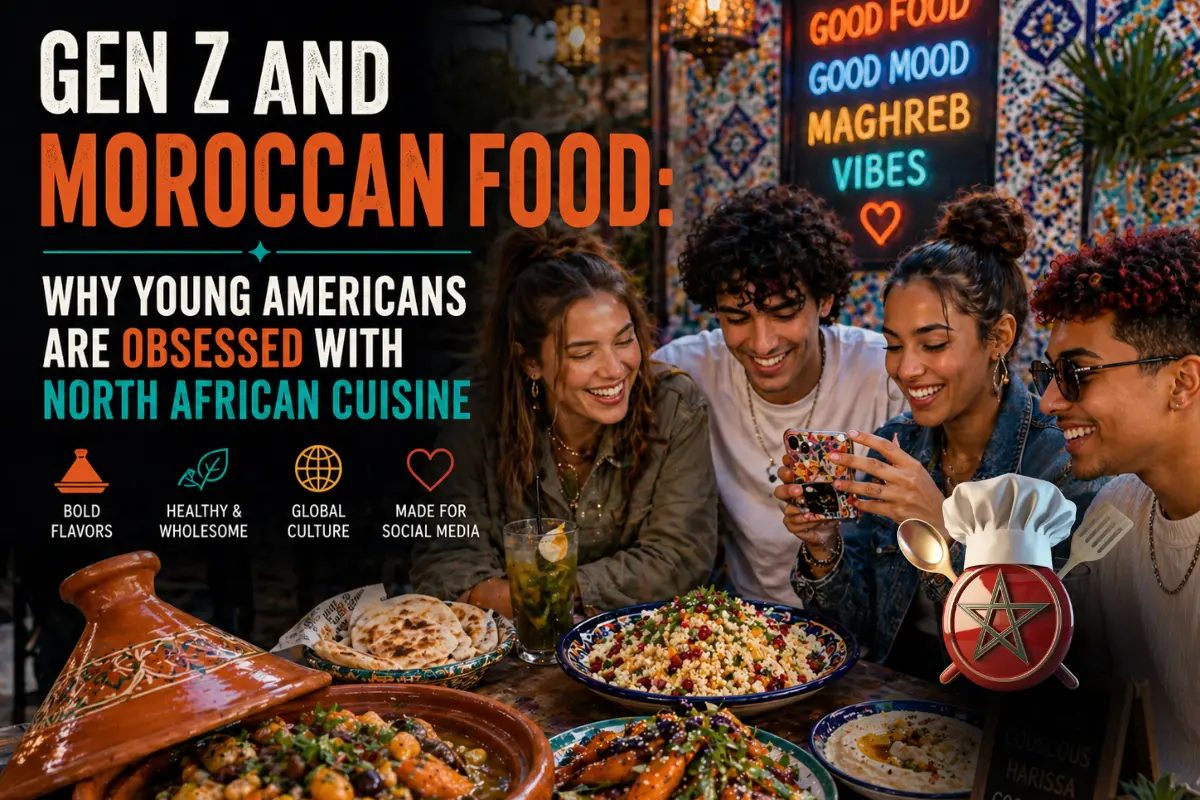
The Moroccan Food Revolution Among Generation Z
Walk into any trendy neighborhood in Brooklyn, Austin, or Los Angeles, and you'll notice something remarkable happening in the culinary landscape. Young Americans, particularly those born between 1997 and 2012, are embracing Moroccan cuisine with an enthusiasm that's reshaping restaurant menus, food delivery apps, and home kitchens across the United States. This isn't just another fleeting food trend – it's a cultural phenomenon that reflects Generation Z's values, lifestyle choices, and quest for authentic, meaningful culinary experiences.
The numbers tell a compelling story. According to recent food industry reports, searches for Moroccan recipes have increased by 340% among users aged 18-26 since 2022, while Moroccan restaurants have seen a 78% increase in patronage from young diners. Social media platforms like TikTok and Instagram are flooded with videos of young Americans attempting to recreate tagines, perfecting their harissa blends, and sharing their adventures with preserved lemons and ras el hanout.
But what's driving this fascination? The answer lies in a perfect storm of factors: the visual appeal of Moroccan dishes that photograph beautifully for social media, the cuisine's emphasis on plant-forward ingredients that align with health-conscious values, the exotic yet accessible flavor profiles that satisfy adventurous palates, and the rich cultural storytelling that accompanies every meal. Generation Z isn't just eating Moroccan food – they're embracing a entire culinary philosophy that celebrates community, sustainability, and cultural authenticity.
Social Media's Role in the Moroccan Food Phenomenon
The rise of Moroccan cuisine among Gen Z Americans cannot be separated from the power of social media platforms. TikTok, Instagram, and YouTube have become virtual gateways to Moroccan kitchens, with young content creators sharing everything from 60-second tagine tutorials to elaborate feast preparations that garner millions of views.
The visual appeal of Moroccan cuisine makes it perfect for social media consumption. The vibrant colors of preserved lemons against deep red harissa, the dramatic reveal of a tagine's contents when the conical lid is lifted, and the communal aspect of sharing from ornate serving platters create Instagram-worthy moments that resonate with a generation that thinks visually first. Hashtags like #MoroccanFood, #TagineLife, and #HarissaEverything have accumulated billions of views, creating virtual communities of young food enthusiasts.
Key social media influencers have played pivotal roles in this trend. Food bloggers like Sarah Ahmed (@SpicedRose) and cooking channels such as "Moroccan Kitchen Adventures" have introduced complex Moroccan techniques to American audiences, breaking them down into accessible, shareable content. These creators don't just share recipes – they provide cultural context, explain the significance of ingredients like preserved lemons and argan oil, and create narratives that make Moroccan cuisine feel both exotic and attainable.
The TikTok Effect on Moroccan Cooking
TikTok has been particularly influential in spreading Moroccan food culture among young Americans. Short-form videos showing the preparation of dishes like chicken pastilla, lamb mechoui, or simple couscous bowls have gone viral, inspiring thousands of recreations. The platform's algorithm has created a feedback loop where successful Moroccan food content generates more views, encouraging additional creators to explore North African cuisine.
The "one-pot wonder" aspect of many Moroccan dishes aligns perfectly with TikTok's quick-recipe format. A tagine, for instance, can be prepared, explained, and demonstrated within the platform's time constraints while still conveying the dish's complexity and cultural significance. This accessibility has demystified what many Americans once considered an intimidatingly exotic cuisine.
Health and Wellness: Why Moroccan Cuisine Aligns with Gen Z Values
Generation Z is the most health-conscious generation in American history, with 73% actively seeking foods that support both physical and mental wellbeing. Moroccan cuisine, with its emphasis on fresh vegetables, lean proteins, healthy fats, and anti-inflammatory spices, perfectly aligns with these values while offering flavors far more exciting than typical "health food."
The Mediterranean diet has long been praised for its health benefits, but Moroccan cuisine takes these principles and amplifies them with an incredibly diverse spice palette. Turmeric, ginger, cinnamon, and cumin – all staples in Moroccan cooking – are recognized for their anti-inflammatory properties. The generous use of olive oil provides healthy monounsaturated fats, while the abundance of vegetables, legumes, and whole grains creates meals that are both satisfying and nutritionally dense.
Nutritional Benefits That Appeal to Young Americans
Young Americans are increasingly concerned about gut health, and Moroccan cuisine offers numerous benefits in this area. Fermented preserved lemons provide probiotics, while the high fiber content from vegetables, legumes, and whole grains supports digestive health. The traditional Moroccan practice of using warming spices aids digestion and can help boost metabolism.
- Antioxidant-rich ingredients: Pomegranates, dates, and green tea (central to Moroccan dining) provide powerful antioxidants
- Anti-inflammatory spices: Turmeric, ginger, and cinnamon help reduce inflammation throughout the body
- Plant-forward approach: Many Moroccan dishes are naturally vegetarian or can be easily adapted for plant-based diets
- Healthy fats: Argan oil and olive oil provide essential fatty acids without saturated fat concerns
- Blood sugar stability: The combination of fiber, protein, and healthy fats helps maintain steady energy levels
The mental health benefits of Moroccan cuisine shouldn't be overlooked either. The ritual aspect of preparing and sharing tagines, the mindful process of grinding spices, and the emphasis on communal dining all support mental wellbeing in ways that resonate with a generation dealing with unprecedented levels of anxiety and depression.
Accessibility and Adaptation: Making Moroccan Food American-Friendly
One of the key factors in Moroccan cuisine's popularity among young Americans has been its adaptability. Unlike some international cuisines that require specialized equipment or hard-to-find ingredients, Moroccan cooking has proven remarkably flexible, allowing American cooks to create authentic-tasting dishes with ingredients available at mainstream grocery stores.
The rise of companies like Whole Foods, Trader Joe's, and online spice retailers has made formerly exotic ingredients like harissa, ras el hanout, and preserved lemons accessible to average consumers. Many young Americans report that their first encounter with Moroccan flavors came through pre-made harissa paste or spice blends, which then inspired them to explore more complex preparations.
Equipment Adaptations for American Kitchens
Traditional Moroccan cooking relies heavily on tagines – the distinctive cone-shaped clay pots that create unique steaming effects. However, innovative young cooks have discovered that similar results can be achieved using Dutch ovens, slow cookers, or even Instant Pots. This adaptability has removed barriers to entry and made Moroccan cooking accessible to apartment dwellers and college students with limited kitchen equipment.
| Traditional Equipment | American Alternative | Cooking Method Adjustment |
|---|---|---|
| Clay Tagine | Dutch Oven with Tight Lid | Same low, slow cooking method |
| Couscous Pot (Couscoussier) | Fine-mesh Steamer | Steam couscous over simmering stew |
| Moroccan Tea Glasses | Small Heat-resistant Glasses | Maintain the high-pouring tea ritual |
| Mortar and Pestle | Spice Grinder or Food Processor | Fresh grinding of spices remains key |
The Cultural Appeal: Storytelling Through Food
Generation Z craves authenticity and meaningful experiences, and Moroccan cuisine delivers both in abundance. Every dish tells a story – from the ancient trade routes that brought saffron and cinnamon to North Africa, to the Berber traditions that shaped tagine cooking techniques, to the Islamic customs that influence meal timing and sharing practices.
Young Americans are drawn to food cultures that offer more than just flavors; they want to understand the history, traditions, and social significance behind what they're eating. Moroccan cuisine provides rich narratives about cultural fusion, trade history, and family traditions that resonate with a generation seeking deeper meaning in their consumption choices.
Learning Through Culinary Exploration
Many Gen Z Americans report that their interest in Moroccan food led them to learn about North African history, Islamic culture, and global trade patterns. Cooking Moroccan dishes becomes a form of cultural education, where preparing a chicken pastilla might lead to learning about Moorish Spain, or making preserved lemons might inspire research into traditional food preservation techniques.
This educational aspect appeals to a generation that values global awareness and cultural sensitivity. Unlike appropriation concerns that might arise with other cuisines, Moroccan food culture has been particularly welcoming to international appreciation, with Moroccan chefs and food writers actively sharing their knowledge and encouraging global exploration of their culinary traditions.
Economic Factors: Affordable Luxury and Meal Prep Benefits
Economic considerations play a significant role in Gen Z food choices, as this generation faces unique financial challenges including student debt, high housing costs, and an uncertain job market. Moroccan cuisine offers an appealing solution: ingredients that are relatively inexpensive but create dishes that feel luxurious and special.
Many Moroccan dishes are built around affordable proteins like chicken thighs, lamb shoulder, or legumes, stretched with vegetables and grains to create filling, satisfying meals. A single tagine can provide multiple servings at a fraction of the cost of restaurant dining, while still delivering complex, restaurant-quality flavors that make the meal feel like a special occasion.
Meal Prep and Batch Cooking Advantages
The slow-cooking nature of many Moroccan dishes makes them perfect for the meal prep culture that dominates Gen Z food planning. Tagines, stews, and grain-based salads actually improve in flavor after a day or two, making them ideal for preparing on weekends and enjoying throughout the week.
- Freezer-friendly options: Most Moroccan stews and tagines freeze beautifully for future meals
- Flavor development: Many dishes taste better the next day as spices meld and develop
- Versatile leftovers: Tagine ingredients can be repurposed into grain bowls, wraps, or pasta dishes
- Batch spice preparation: Large quantities of spice blends can be prepared and stored
- Preserved ingredients: Items like preserved lemons and harissa keep for months
| Dish Type | Cost Per Serving | Prep Time | Storage Life |
|---|---|---|---|
| Chicken Tagine | $3.50 | 30 min active | 3-4 days refrigerated |
| Vegetable Couscous | $2.25 | 45 min active | 5 days refrigerated |
| Lentil Harira Soup | $1.80 | 20 min active | 1 week refrigerated |
| Lamb Mechoui | $4.75 | 15 min active | 4 days refrigerated |
Restaurant Industry Response and Market Growth
The food service industry has taken notice of Gen Z's appetite for Moroccan cuisine, leading to significant changes in restaurant offerings across the United States. From high-end establishments featuring authentic Moroccan tasting menus to fast-casual chains offering Moroccan-inspired bowls, the market has expanded rapidly to meet demand.
Major cities now boast dedicated Moroccan restaurants that cater specifically to younger diners, with Instagram-worthy presentations, customizable options, and modern interpretations of traditional dishes. Food halls and market-style dining venues frequently feature Moroccan vendors, while mainstream restaurants increasingly offer Moroccan-spiced dishes or harissa-based sauces.
Fast-Casual and Delivery Market Adaptation
The rise of food delivery apps has particularly benefited Moroccan cuisine adoption among young Americans. Dishes that travel well – like tagines, grain bowls with Moroccan spices, and hearty soups – have found new audiences through platforms like DoorDash, Uber Eats, and Grubhub. Many restaurants report that their Moroccan-inspired dishes are among their most popular delivery items.
Chain restaurants have also begun incorporating Moroccan elements into their menus. Sweetgreen offers a "Moroccan Bowl" with harissa-roasted vegetables, while Chipotle has tested preserved lemon-based sauces in select markets. These mainstream adoptions help normalize Moroccan flavors for Americans who might be hesitant to try a fully traditional restaurant.
Regional Variations and American Fusion
As Moroccan cuisine has spread across America, interesting regional variations have emerged that reflect local tastes and available ingredients. California restaurants emphasize the fresh, vegetable-forward aspects of Moroccan cooking, while Southern establishments might incorporate Moroccan spices into barbecue preparations or cornbread recipes.
New York's food scene has embraced the street food aspects of Moroccan cuisine, with food trucks offering Moroccan-spiced falafel, tagine-style sandwiches, and mint tea service. Meanwhile, the Southwest has created fusion dishes that combine Moroccan spice profiles with Mexican preparation techniques, creating entirely new categories like "Moorish tacos" or "harissa salsa."
This regional adaptation speaks to Moroccan cuisine's versatility and its ability to complement rather than compete with existing American food traditions. Young Americans aren't just adopting Moroccan food wholesale – they're creating new fusion cuisines that reflect their multicultural experiences and preferences.
Challenges and Authentic Representation
Despite the overwhelmingly positive response to Moroccan cuisine among Gen Z Americans, some challenges remain around authentic representation and cultural sensitivity. Some food critics and Moroccan cultural advocates have expressed concerns about oversimplification or misrepresentation of traditional dishes in their American adaptations.
The challenge lies in balancing accessibility with authenticity. While adaptations that use more readily available ingredients or simplified techniques help spread appreciation for Moroccan cuisine, they can also dilute the cultural significance and complex flavor profiles that make these dishes special in their traditional context.
Education and Cultural Sensitivity
Responsible appreciation of Moroccan cuisine requires understanding its cultural context, religious significance, and regional variations. Many young Americans are making efforts to learn about the cultures behind the food they're adopting, seeking out Moroccan-owned restaurants, reading about North African history, and even learning Arabic food terminology.
Social media has played a positive role here as well, with Moroccan chefs and food writers using platforms to share cultural context alongside recipes, helping American audiences understand not just how to make dishes, but when and why they're traditionally served, and what they mean to Moroccan families and communities.
Future Trends and Predictions
The trajectory of Moroccan cuisine's popularity among Gen Z Americans shows no signs of slowing. Industry analysts predict continued growth in several key areas, including packaged goods featuring Moroccan flavors, cooking classes and culinary education focused on North African techniques, and even culinary tourism to Morocco itself.
The next wave of innovation is likely to come from Gen Z entrepreneurs who combine their appreciation for Moroccan cuisine with their business acumen and technology skills. We're already seeing young Americans launching Moroccan spice companies, developing cooking apps with North African recipes, and creating subscription services that deliver authentic Moroccan ingredients to home cooks.
Technology Integration and Innovation
Virtual reality cooking classes, AI-powered recipe adaptation, and smart kitchen devices programmed with traditional Moroccan cooking techniques represent the next frontier in making this cuisine accessible to young Americans. These technologies could help bridge the gap between traditional knowledge and modern cooking methods while preserving the cultural integrity of the dishes.
- Smart tagines: Temperature-controlled cooking vessels that replicate traditional clay pot effects
- Spice subscription services: Monthly deliveries of authentic Moroccan spice blends and ingredients
- Virtual cooking classes: Interactive lessons with Moroccan chefs teaching traditional techniques
- Recipe adaptation apps: Technology that helps adapt traditional recipes for available ingredients
- Cultural context platforms: Educational content that provides historical and cultural background for dishes
Frequently Asked Questions
What are the most popular Moroccan dishes among Gen Z Americans?
The most popular Moroccan dishes among young Americans include chicken tagine with preserved lemons and olives, vegetable couscous, harira soup, and various dishes featuring harissa sauce. Simpler preparations like Moroccan-spiced grain bowls and roasted vegetables with ras el hanout are also extremely popular, as they're Instagram-friendly and align with healthy eating trends.
Is Moroccan food actually healthy, or is this just a trend?
Moroccan cuisine is genuinely healthy and aligns with nutritional science recommendations. The emphasis on vegetables, legumes, whole grains, healthy fats from olive oil, and anti-inflammatory spices creates meals that are nutrient-dense and beneficial for long-term health. The traditional Mediterranean-style eating pattern that characterizes Moroccan cuisine has been extensively studied and proven to support cardiovascular health, brain function, and longevity.
How can beginners start cooking Moroccan food without special equipment?
Beginners can start with simple dishes that don't require special equipment. A basic chicken tagine can be made in a Dutch oven, couscous can be prepared in any pot with a steamer insert, and many Moroccan salads and side dishes require only basic kitchen tools. Start with pre-made spice blends like ras el hanout and harissa paste, then gradually build up to making your own blends and more complex dishes.
Are there good vegetarian and vegan options in Moroccan cuisine?
Absolutely! Moroccan cuisine includes many naturally vegetarian and vegan dishes. Vegetable tagines, lentil-based soups like harira, various couscous preparations, and numerous salads and side dishes are plant-based. The cuisine's emphasis on vegetables, legumes, and grains makes it very adaptable to vegetarian and vegan diets while maintaining authentic flavors.
Where can I find authentic Moroccan ingredients in the United States?
Authentic Moroccan ingredients are increasingly available at mainstream grocery stores like Whole Foods, Middle Eastern markets, and online retailers. Preserved lemons, harissa, ras el hanout, and other staples can be found in the international sections of many supermarkets. Online sources like Amazon, specialty spice companies, and direct-from-Morocco importers offer the widest selection of authentic ingredients.
Conclusion: A Lasting Culinary Love Affair
The embrace of Moroccan cuisine by Generation Z Americans represents more than just a food trend – it's a cultural phenomenon that reflects this generation's values, aspirations, and approach to global citizenship. Through their appreciation of North African flavors, young Americans are engaging with history, supporting their health goals, expressing their creativity, and building communities around shared culinary experiences.
What makes this trend particularly significant is its sustainability. Unlike fleeting food fads that rely on novelty, the Gen Z adoption of Moroccan cuisine is built on solid foundations: genuine health benefits, economic accessibility, cultural richness, and incredible flavor diversity. These factors suggest that Moroccan food will remain a significant part of American dining culture for years to come, evolving and adapting while maintaining its essential character.
As we look toward the future, the relationship between young Americans and Moroccan cuisine will likely deepen and become more sophisticated. Today's college students experimenting with tagine recipes may become tomorrow's restaurant owners, food writers, and cultural ambassadors. They're not just consumers of Moroccan food – they're becoming part of its ongoing story, adding their own chapters while respecting the rich traditions that came before. This thoughtful, engaged approach to cultural appreciation through cuisine offers hope for a more connected, understanding, and delicious world.