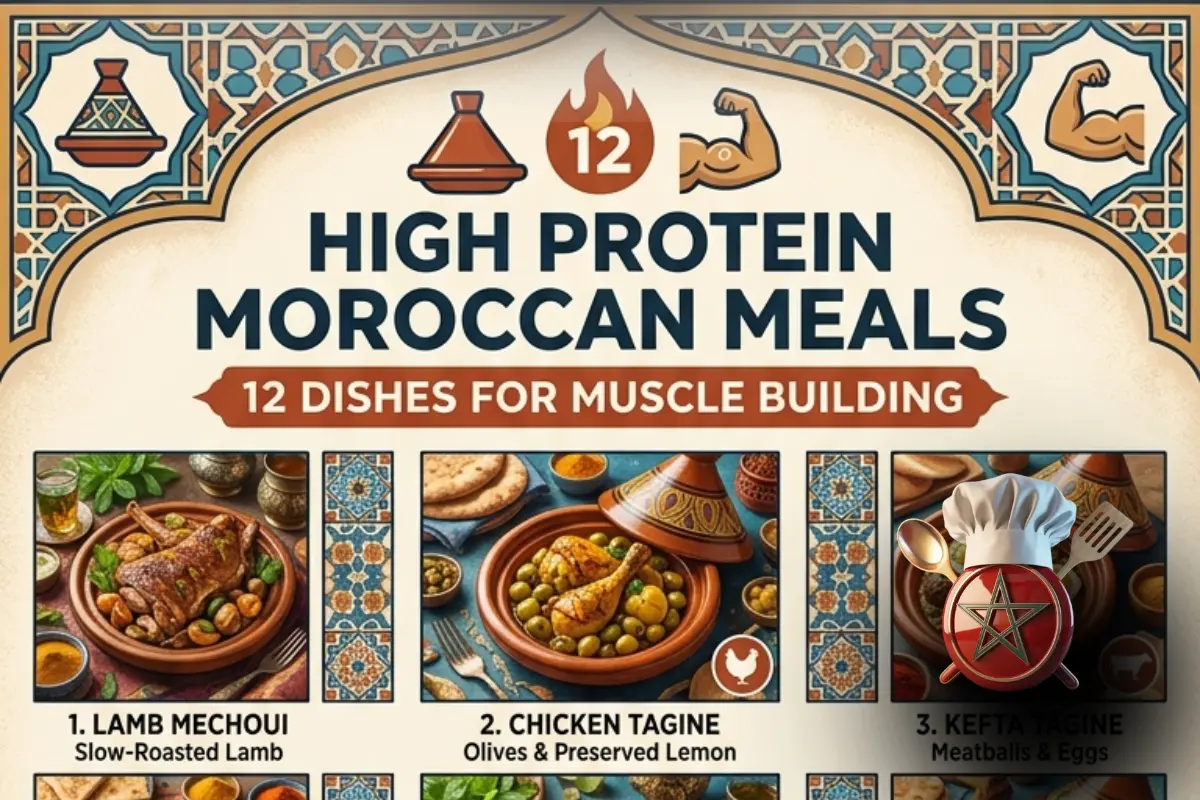
Morocco's rich culinary heritage offers far more than just exotic flavors and aromatic spices. For fitness enthusiasts and muscle-building advocates, Moroccan cuisine presents an incredible opportunity to diversify protein intake while enjoying some of the world's most flavorful dishes. The North African nation's traditional cooking methods, emphasis on lean meats, legumes, and nutrient-dense ingredients make it an ideal cuisine for those serious about their fitness goals.
Unlike many Western high-protein diets that can become monotonous, Moroccan cuisine offers complex flavor profiles achieved through centuries-old spice combinations and cooking techniques. From protein-packed tagines to hearty legume-based dishes, these meals provide the essential amino acids needed for muscle recovery and growth while satisfying your taste buds with authentic North African flavors.
This comprehensive guide explores 12 exceptional Moroccan dishes that deliver substantial protein content alongside traditional taste. Whether you're a bodybuilder looking to expand your meal prep options or simply someone who wants to incorporate more diverse, protein-rich foods into your diet, these recipes will transform your approach to fitness nutrition.
Understanding Protein in Moroccan Cuisine
Moroccan cuisine naturally emphasizes protein-rich ingredients that have sustained the nation's people for centuries. The traditional diet incorporates various protein sources that align perfectly with modern muscle-building requirements. Understanding these foundational elements helps Western audiences appreciate how Moroccan cooking can support their fitness goals.
Traditional Protein Sources
Moroccan cooking relies heavily on lamb, chicken, beef, and fish as primary protein sources. These meats are typically prepared using slow-cooking methods that preserve nutritional value while developing deep, complex flavors. The country's extensive coastline provides abundant fish varieties, while the inland regions excel in preparing various cuts of red meat and poultry.
Legumes play an equally important role in Moroccan protein consumption. Lentils, chickpeas, fava beans, and black-eyed peas appear frequently in traditional recipes, often combined with meat to create complete amino acid profiles. This combination approach naturally optimizes protein quality and digestibility.
Spice Benefits for Muscle Building
Moroccan spices offer more than flavor enhancement; many provide anti-inflammatory properties crucial for muscle recovery. Turmeric, ginger, cinnamon, and black pepper contain compounds that may reduce exercise-induced inflammation and support recovery processes. These spices also aid digestion, helping the body efficiently process the high protein content of these meals.
The traditional spice blend ras el hanout combines over a dozen spices, creating a nutritional powerhouse that complements the protein content of any dish. This blend typically includes cardamom, cloves, cumin, and coriander, each contributing unique health benefits that support an active lifestyle.
High-Protein Moroccan Meat Dishes
Moroccan meat dishes represent the pinnacle of protein-rich cooking, combining substantial protein content with unforgettable flavors. These dishes utilize traditional cooking methods that maximize both taste and nutritional value.
1. Beef Tagine with Prunes and Almonds
This iconic dish delivers approximately 45-50 grams of protein per serving while combining sweet and savory elements that define Moroccan cuisine. The slow-braising process tenderizes tough cuts of beef while concentrating flavors and preserving nutritional content.
The recipe typically uses chuck roast or similar cuts, which provide excellent protein-to-cost ratios. The addition of almonds contributes healthy fats and additional protein, while prunes offer natural sweetness and fiber. The complete amino acid profile makes this dish ideal for post-workout nutrition.
Preparation involves browning the beef with onions, adding traditional spices like cinnamon, ginger, and saffron, then slow-cooking with prunes and almonds. The result is fork-tender meat with a rich, complex sauce that pairs perfectly with quinoa or brown rice for additional protein.
2. Mechoui (Slow-Roasted Lamb Shoulder)
Mechoui represents traditional Moroccan celebration cooking, featuring a whole lamb shoulder slow-roasted with aromatic spices. A typical serving provides 40-45 grams of high-quality protein along with essential B-vitamins crucial for energy metabolism.
The preparation process involves creating a spice paste with cumin, coriander, garlic, and preserved lemons, then marinating the lamb overnight. The slow-roasting technique ensures maximum tenderness while developing a flavorful crust that seals in juices and nutrients.
For Western kitchens, this dish adapts well to smaller cuts like leg of lamb or shoulder portions. The cooking method remains the same: low and slow, allowing the connective tissues to break down while preserving the protein structure.
3. Chicken Tagine with Olives and Preserved Lemons
This lighter option still delivers substantial protein content, approximately 35-40 grams per serving, while showcasing Morocco's signature preserved lemon flavor. The combination of chicken thighs and drumsticks provides optimal protein quality and cooking characteristics.
The dish begins with browning chicken pieces seasoned with ginger, turmeric, and black pepper. Green olives and preserved lemons are added during the braising process, creating a distinctive tangy flavor that stimulates appetite and aids digestion.
The slow-cooking method ensures the chicken remains moist while absorbing the complex flavors of olives and preserved lemons. This dish works excellently for meal prep, as the flavors improve over time and the protein content remains stable when properly stored.
4. Kefta Tagine with Eggs
This protein powerhouse combines seasoned ground meat with eggs, delivering an impressive 50-55 grams of protein per serving. The dish represents comfort food at its finest while meeting serious protein requirements.
Traditional kefta uses a mixture of ground beef and lamb, seasoned with parsley, cilantro, onions, and warm spices. The meat is formed into small meatballs and cooked in a rich tomato-based sauce. Eggs are cracked directly into the sauce during the final cooking stage, creating a complete protein meal.
The combination of meat and eggs provides all essential amino acids in optimal ratios for muscle protein synthesis. The dish pairs well with whole grain bread or bulgur wheat for additional fiber and complex carbohydrates.
Legume-Based High-Protein Options
Moroccan cuisine excels in preparing legume-based dishes that rival meat in protein content while offering different nutritional benefits. These plant-based options provide excellent variety for those following diverse dietary approaches.
5. Harira Soup (Enhanced Version)
Traditional harira receives a protein boost through careful ingredient selection and preparation methods. An enhanced version can deliver 25-30 grams of protein per bowl while maintaining authentic flavors.
The base combines lentils, chickpeas, and small amounts of meat (typically lamb or beef) with tomatoes, onions, and celery. Fresh herbs like cilantro and parsley add vitamins and antioxidants that support muscle recovery. The soup's liquid nature makes it excellent for hydration while delivering substantial nutrition.
To maximize protein content, increase the ratio of legumes to vegetables and add a small amount of lean ground meat. The slow simmering process allows flavors to meld while maintaining the integrity of the protein sources.
6. Loubia (White Bean Stew)
This hearty stew showcases white beans as the primary protein source, delivering approximately 20-25 grams of plant-based protein per serving. The dish demonstrates how Moroccan cooking transforms simple ingredients into satisfying, nutritious meals.
Great Northern beans or cannellini beans work best for this preparation. The beans are cooked with tomatoes, onions, garlic, and traditional spices until creamy and flavorful. Some versions include small amounts of preserved meat or bone broth for additional protein and depth of flavor.
The high fiber content of white beans supports digestive health while the protein provides sustained energy. This dish works exceptionally well for vegetarian and vegan athletes seeking plant-based protein sources.
7. Bissara (Fava Bean Soup)
Bissara represents one of Morocco's most protein-dense plant-based dishes, providing 18-22 grams of protein per serving. This simple yet nutritious soup highlights the natural protein power of fava beans.
The preparation involves cooking dried split fava beans with garlic and spices until they break down into a creamy consistency. The soup is traditionally finished with olive oil, cumin, and paprika, creating a satisfying meal that supports muscle building goals.
Fava beans offer a complete amino acid profile when combined with whole grains, making this soup an excellent option for plant-based athletes. The smooth texture and rich flavor make it appealing to Western palates unfamiliar with legume-based meals.
8. Chickpea and Vegetable Tagine
This versatile dish combines chickpeas with seasonal vegetables, delivering 15-20 grams of protein per serving while providing extensive micronutrient variety. The tagine cooking method preserves nutrients while developing complex flavors.
Chickpeas are pre-cooked and then combined with vegetables like carrots, zucchini, and sweet potatoes. The spice blend typically includes turmeric, ginger, cinnamon, and ras el hanout, creating warming flavors that complement the earthy chickpeas.
The dish's versatility allows for seasonal variations while maintaining protein content. Root vegetables add natural sweetness and fiber, while the chickpeas provide sustained energy and muscle-building amino acids.
Seafood Specialties for Lean Protein
Morocco's extensive Atlantic and Mediterranean coastlines provide abundant seafood options that offer lean, high-quality protein perfect for muscle building without excess calories.
9. Chermoula Fish (Grilled or Baked)
Chermoula, Morocco's signature herb and spice marinade, transforms any fish into a protein-packed meal delivering 35-40 grams of protein per serving. The marinade's ingredients also provide antioxidants that support recovery.
The chermoula blend combines cilantro, parsley, garlic, lemon juice, olive oil, and spices like cumin and paprika. White fish varieties like sea bass, halibut, or cod work excellently, absorbing the marinade flavors while maintaining their protein structure.
The cooking method can be adapted to Western preferences - grilling, baking, or pan-searing all work well. The key is not overcooking, which preserves both the protein content and the delicate texture of the fish.
10. Moroccan Fish Tagine with Vegetables
This one-pot meal combines fish with vegetables in a light, flavorful sauce that delivers 30-35 grams of protein while keeping calories moderate. The cooking method preserves the fish's delicate texture while infusing it with Moroccan flavors.
Firm fish like grouper or monkfish work best for tagine cooking. The fish is layered with vegetables like tomatoes, bell peppers, and olives, then cooked gently with preserved lemons and herbs. The result is a light yet satisfying meal perfect for cutting phases or lean muscle building.
The vegetables provide fiber and micronutrients that support overall health, while the fish delivers complete protein with minimal saturated fat. This dish exemplifies clean eating while maintaining authentic Moroccan flavors.
Nutritional Comparison and Benefits
Understanding the nutritional profiles of these dishes helps Western audiences make informed choices based on their specific fitness goals and dietary requirements.
| Dish | Protein (g) | Calories | Prep Time | Best For |
|---|---|---|---|---|
| Beef Tagine with Prunes | 45-50 | 520-580 | 3-4 hours | Bulking/Mass Gain |
| Mechoui Lamb | 40-45 | 480-540 | 4-5 hours | Special Occasions |
| Chicken Tagine | 35-40 | 380-420 | 2-3 hours | Daily Meal Prep |
| Kefta with Eggs | 50-55 | 450-500 | 1-2 hours | Post-Workout |
| Enhanced Harira | 25-30 | 320-380 | 2-3 hours | Pre-Workout |
| Chermoula Fish | 35-40 | 280-320 | 45 minutes | Cutting Phase |
Micronutrient Advantages
Beyond protein content, these Moroccan dishes provide essential micronutrients often lacking in typical Western bodybuilding diets. Iron, zinc, and B-vitamins are abundant in the meat-based dishes, supporting energy metabolism and oxygen transport crucial for athletic performance.
The liberal use of herbs and spices provides antioxidants that combat exercise-induced oxidative stress. Preserved lemons contribute vitamin C, while the variety of vegetables in tagines ensures adequate vitamin A and folate intake.
Traditional cooking methods help preserve these nutrients better than many modern preparation techniques, making these dishes nutritionally superior to processed protein sources commonly used in fitness nutrition.
Advanced Protein Combinations
Moroccan cuisine naturally combines different protein sources to optimize amino acid profiles and enhance nutritional value. Understanding these combinations helps maximize the muscle-building potential of each meal.
11. Mixed Meat and Legume Combinations
Traditional Moroccan cooking often combines small amounts of meat with larger portions of legumes, creating dishes that deliver 30-35 grams of protein while providing complete amino acid profiles at lower costs.
A classic example is adding lamb to a white bean stew, where the meat provides flavor and essential amino acids that complement the plant proteins. This approach reduces reliance on large portions of expensive meat while maintaining protein quality.
These combination dishes work excellently for sustainable muscle building, providing variety in amino acid sources while supporting long-term dietary adherence. The fiber from legumes also supports digestive health and satiety.
12. Protein-Enhanced Traditional Sides
Moroccan side dishes can be enhanced to contribute significantly to daily protein intake. Quinoa-based couscous alternatives and protein-enriched grain preparations can add 8-12 grams of protein per serving.
Traditional grain dishes like bulgur wheat preparations can be enhanced with nuts, seeds, and small amounts of cheese or meat. These modifications maintain authentic flavors while boosting protein content for fitness-focused individuals.
Hemp seeds, almonds, and pine nuts blend naturally into traditional preparations, adding both protein and healthy fats that support hormone production and recovery processes.
Meal Planning and Preparation Strategies
| Preparation Method | Time Investment | Protein Yield | Storage Life | Reheating Quality |
|---|---|---|---|---|
| Tagine Cooking | 3-4 hours | High | 3-4 days | Excellent |
| Slow Roasting | 4-6 hours | Very High | 4-5 days | Good |
| Quick Grilling | 30-45 minutes | High | 2-3 days | Fair |
| Soup Preparation | 2-3 hours | Moderate | 5-6 days | Excellent |
Batch Cooking Advantages
Moroccan dishes are ideally suited for batch cooking, as most recipes improve in flavor over time. Tagines, stews, and soups can be prepared in large quantities and portioned for the week ahead, ensuring consistent protein intake without daily cooking requirements.
The slow-cooking methods used in Moroccan cuisine mean that proteins remain tender and flavorful even after reheating. This makes meal prep more appealing and sustainable compared to grilled meats that can become dry when reheated.
Proper storage in airtight containers preserves both flavor and nutritional content, while the high spice content naturally prevents spoilage and maintains food safety standards required for meal prep.
Frequently Asked Questions
Are Moroccan high-protein dishes suitable for ketogenic diets?
Many Moroccan meat and fish dishes work well for ketogenic approaches, especially when served without grains or starchy vegetables. Tagines with meat and low-carb vegetables, grilled fish with chermoula, and meat-based stews can fit ketogenic macros while providing excellent protein content. However, traditional dishes with dried fruits, legumes, or root vegetables would need modifications to meet strict ketogenic requirements.
How do these dishes compare to traditional bodybuilding foods in terms of protein bioavailability?
Moroccan protein sources offer excellent bioavailability comparable to traditional bodybuilding foods. Meat-based dishes provide complete amino acid profiles similar to chicken breast or lean beef. The slow-cooking methods may actually improve protein digestibility by breaking down connective tissues. Fish dishes offer protein quality equal to any Western preparation, while legume-based options provide plant proteins that become more complete when combined with grains or small amounts of meat.
Can these recipes be adapted for vegetarian or vegan bodybuilders?
Absolutely. Many Moroccan dishes naturally emphasize legumes and can be easily adapted for plant-based diets. Harira soup, white bean stews, chickpea tagines, and fava bean preparations provide substantial plant protein. To optimize amino acid profiles, combine these dishes with quinoa, hemp seeds, or nuts. Nutritional yeast can add B-vitamins typically found in meat, while tahini or almond butter can boost both protein and healthy fat content.
What's the best way to source authentic Moroccan spices in Western countries?
Middle Eastern markets, international grocery stores, and online retailers offer authentic Moroccan spices. Look for whole spices when possible, as they retain potency longer than pre-ground versions. Essential spices include cumin, coriander, turmeric, ginger, cinnamon, and paprika. Pre-made ras el hanout blends are available, but creating your own ensures freshness and quality. Many specialty spice companies now offer Moroccan spice collections specifically designed for Western kitchens.
How can I adjust portion sizes to meet specific protein targets?
Start by calculating your daily protein needs based on your weight and activity level. Most of these dishes can be scaled up or down by adjusting meat, fish, or legume quantities while maintaining the same spice ratios. For higher protein needs, increase the primary protein source by 25-50% or add complementary proteins like nuts or seeds. For meal prep, divide large batch preparations into containers that meet your specific protein targets per meal, typically 25-40 grams for most fitness goals.
Conclusion
Moroccan cuisine offers an exceptional opportunity to diversify your protein intake while enjoying some of the world's most flavorful and satisfying dishes. These 12 high-protein meals demonstrate that muscle-building nutrition doesn't have to be boring or repetitive. From protein-packed tagines to lean fish preparations, each dish provides substantial nutritional value alongside authentic North African flavors.
The traditional cooking methods used in Moroccan cuisine not only develop incredible flavors but also preserve and enhance nutritional content. Slow-braising, tagine cooking, and careful spice combinations create meals that support muscle building while providing the micronutrients and antioxidants essential for optimal recovery and performance.
For Western fitness enthusiasts looking to expand their culinary horizons while meeting protein goals, Moroccan cuisine provides the perfect solution. These dishes prove that healthy, protein-rich eating can be both delicious and culturally enriching. Whether you're meal prepping for the week or preparing a special dinner, these Moroccan recipes will transform your approach to fitness nutrition while introducing you to one of the world's great culinary traditions.
Start with one or two dishes that appeal to your taste preferences and gradually incorporate more as you become comfortable with the spice profiles and cooking techniques. Your taste buds and your muscles will thank you for this flavorful journey into Moroccan protein cuisine.