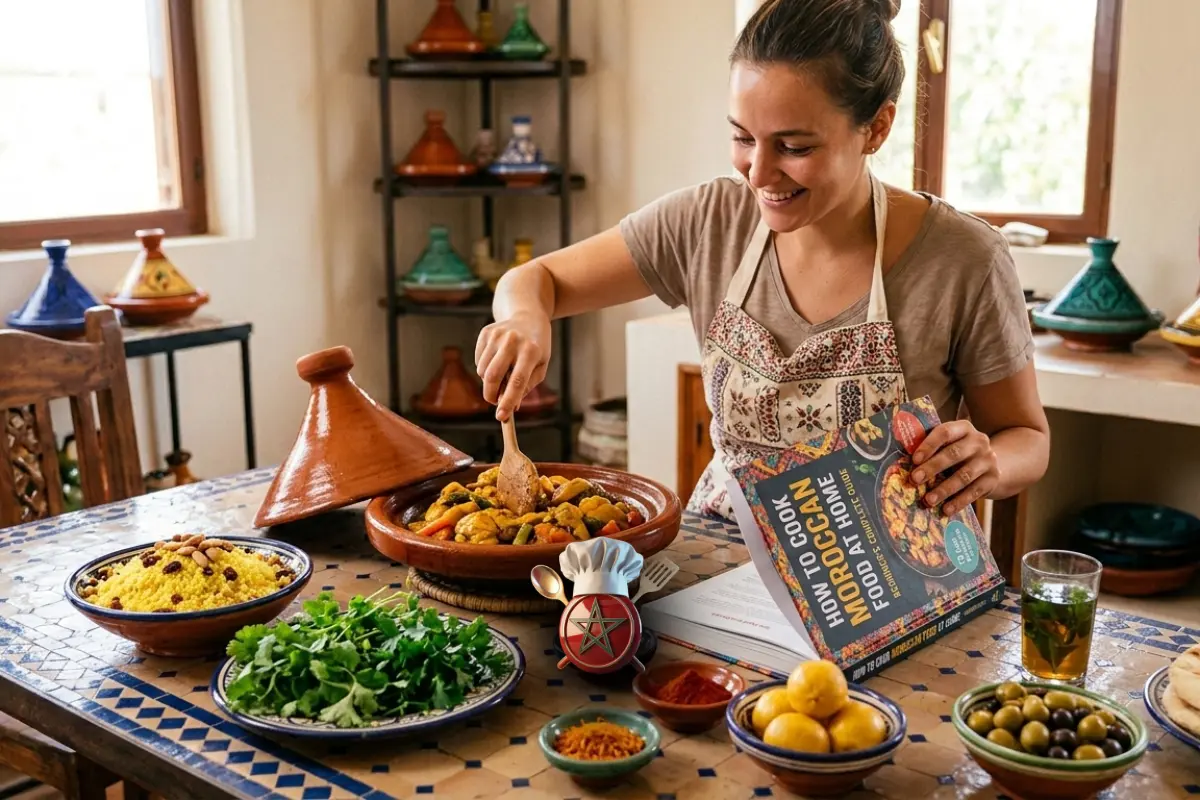
Introduction: Discovering the Magic of Moroccan Cuisine
Welcome to the enchanting world of Moroccan cuisine, where aromatic spices dance with fresh ingredients to create some of the most flavorful dishes on Earth. If you've ever been captivated by the complex flavors of a traditional tagine or wondered how to recreate that perfect blend of sweet and savory that characterizes Moroccan cooking, you're in the right place.
Moroccan cuisine represents a beautiful fusion of Berber, Arab, Mediterranean, and French influences, creating a culinary tradition that's both exotic and accessible to Western home cooks. The good news? You don't need to travel to Marrakech or Casablanca to experience authentic Moroccan flavors. With the right ingredients, techniques, and a bit of patience, you can transform your kitchen into a Moroccan culinary haven.
This comprehensive guide will take you on a journey through the fundamentals of Moroccan cooking, from understanding the essential spice blends that form the backbone of every dish to mastering traditional cooking methods that have been passed down through generations. Whether you're a complete beginner or someone looking to expand your culinary repertoire, this guide provides everything you need to start cooking authentic Moroccan food at home.
What makes Moroccan cuisine particularly appealing to modern Western cooks is its emphasis on fresh, whole ingredients, healthy cooking methods, and the perfect balance of proteins, vegetables, and grains. Many traditional Moroccan dishes align beautifully with contemporary dietary preferences, offering plenty of options for vegetarians, those following Mediterranean-style diets, and anyone seeking flavorful, nutritious meals.
Chapter 1: Essential Moroccan Spices and Seasonings
The heart and soul of Moroccan cuisine lies in its masterful use of spices. Unlike many Western cooking traditions that rely on single spices, Moroccan cooking is built around complex spice blends that create layers of flavor impossible to achieve with individual seasonings alone.
Ras el Hanout: The King of Spice Blends
Ras el hanout, literally meaning "head of the shop," is the most important spice blend in Moroccan cooking. This complex mixture can contain anywhere from 12 to 35 different spices, and every spice merchant has their own secret recipe. The most common ingredients include:
- Cumin and coriander seeds
- Cinnamon and cardamom
- Ginger and turmeric
- Black pepper and allspice
- Nutmeg and cloves
- Rose petals and lavender
- Saffron (in premium blends)
For beginners, purchasing a high-quality pre-made ras el hanout is recommended. Look for blends from reputable spice companies or Middle Eastern grocery stores. As you become more comfortable with Moroccan cooking, you can experiment with creating your own custom blend.
Other Essential Single Spices
Saffron: Often called "red gold," saffron is the most expensive spice in the world and essential for authentic Moroccan cooking. A little goes a long way – just a pinch can transform an entire dish with its distinctive flavor and golden color.
Preserved Lemons: While technically not a spice, preserved lemons are absolutely crucial to authentic Moroccan flavor profiles. These salt-cured lemons provide a unique tangy, salty flavor that fresh lemons cannot replicate.
Harissa: This fiery paste made from hot peppers, garlic, and spices adds heat and depth to many dishes. You can buy it ready-made or learn to make your own for a fresher flavor.
Ginger and Cinnamon: Fresh ginger is used extensively in Moroccan cooking, while cinnamon (preferably Ceylon cinnamon) appears in both sweet and savory dishes, creating the signature sweet-savory balance Moroccan cuisine is known for.
Building Your Moroccan Spice Pantry
Start with these essential spices and seasonings, available at most well-stocked grocery stores or online:
| Essential Spices | Optional but Recommended | Specialty Items |
|---|---|---|
| Ras el hanout | Sumac | Orange blossom water |
| Saffron threads | Baharat | Rose water |
| Ground ginger | Za'atar | Argan oil |
| Ceylon cinnamon | Nigella seeds | Pomegranate molasses |
| Sweet paprika | Fenugreek | Date syrup |
| Cumin (whole and ground) | Anise seeds | Pickled turnips |
Chapter 2: Traditional Moroccan Cooking Equipment and Techniques
While you can create delicious Moroccan food with standard Western kitchen equipment, understanding traditional cooking methods and investing in a few key pieces will elevate your results significantly.
The Tagine: Morocco's Signature Cooking Vessel
The tagine is both a cooking vessel and the name of the dishes prepared in it. This cone-shaped earthenware pot creates a unique cooking environment where steam circulates continuously, keeping food moist while concentrating flavors.
Choosing Your First Tagine: For beginners, a glazed ceramic tagine that's safe for stovetop use offers the best combination of authenticity and practicality. Avoid purely decorative tagines, which aren't designed for cooking.
Tagine Cooking Technique: The key to successful tagine cooking is low, slow heat. Start with a heat diffuser if using a gas stove, and never heat an empty tagine. Always start with room temperature ingredients in a room temperature tagine to prevent cracking.
Alternative Equipment for Tagine-Style Cooking
If you're not ready to invest in a tagine, you can achieve similar results with:
- A Dutch oven with a tight-fitting lid
- A heavy-bottomed casserole dish
- A slow cooker (though this requires technique adjustments)
- A pressure cooker for quicker cooking times
The Couscoussier: Perfecting Morocco's National Dish
A couscoussier is a two-part steamer specifically designed for cooking couscous. The bottom pot holds a flavorful broth or stew, while the top steamer basket holds the couscous, which absorbs the aromatic steam.
For home cooks, a large pot with a fine-mesh steamer basket or colander can substitute effectively. The key is ensuring the couscous steams rather than boils.
Essential Cooking Techniques
Layered Building of Flavors: Moroccan cooking relies on building flavors in layers. This typically starts with sautéing onions until golden, adding spices to bloom their flavors, then adding proteins and finally liquids and vegetables in a specific order.
The Importance of Patience: Unlike Western cooking that often emphasizes speed, Moroccan cuisine rewards patience. Spices need time to meld, tough cuts of meat become tender through slow cooking, and vegetables develop complex flavors when given time to caramelize properly.
Balancing Sweet and Savory: One of the most distinctive aspects of Moroccan cuisine is its masterful balance of sweet and savory elements. Dried fruits like dates, apricots, and prunes are commonly paired with meat and vegetables, while honey and cinnamon appear in savory dishes.
Chapter 3: Mastering Couscous - Morocco's National Dish
No Moroccan meal is complete without couscous, and Friday couscous is a sacred tradition in Moroccan households. Learning to prepare perfect couscous is essential for any aspiring Moroccan home cook.
Understanding Couscous Types
There are several varieties of couscous, each with different cooking methods and applications:
Fine Couscous (Couscous Fin): The most common type, perfect for beginners. This is what you'll typically find in Western grocery stores.
Medium Couscous: Slightly larger grains with a more substantial texture, preferred by many Moroccan cooks.
Pearl Couscous (Israeli Couscous): Actually not traditional Moroccan couscous, but can be used in fusion dishes.
The Traditional Couscous Preparation Method
Authentic couscous preparation involves steaming the grains multiple times, fluffing between each steaming to ensure perfectly separate, fluffy grains.
Step 1: Initial Hydration
Place couscous in a large bowl and add just enough warm salted water to barely cover. Let stand for 10 minutes, then fluff with a fork to break up any clumps.
Step 2: First Steaming
Steam the couscous for 15 minutes over simmering broth or water. The steam should be visible but not violently boiling.
Step 3: Second Hydration and Fluffing
Return couscous to the bowl, sprinkle with salted water, and fluff again. This process, called "working" the couscous, ensures even texture.
Step 4: Final Steaming
Steam for another 15 minutes, then fluff one final time before serving.
Quick Couscous Method for Busy Weeknights
While traditional preparation is ideal, here's a simplified method that still produces excellent results:
- Bring 1.5 cups of seasoned broth to a boil for every cup of couscous
- Remove from heat, add couscous, stir once, and cover tightly
- Let stand for 10 minutes, then fluff with a fork
- Add a pat of butter and season with salt to taste
Flavor Variations and Additions
Transform basic couscous with these traditional additions:
- Saffron Couscous: Add a pinch of saffron to the steaming liquid
- Almond and Date Couscous: Fold in toasted slivered almonds and chopped dates
- Herb Couscous: Mix in chopped fresh cilantro, parsley, and mint
- Seven-Vegetable Couscous: The traditional Friday preparation featuring seven different vegetables
Chapter 4: Classic Moroccan Tagine Recipes for Beginners
Tagines represent the pinnacle of Moroccan home cooking, combining proteins, vegetables, and aromatic spices in a perfectly balanced one-pot meal. Here are three beginner-friendly recipes that showcase different aspects of tagine cooking.
Chicken Tagine with Preserved Lemons and Olives
This classic tagine is often the first recipe Moroccan children learn to cook. It perfectly demonstrates the balance of salty, savory, and aromatic flavors that define Moroccan cuisine.
Essential Ingredients:
- 1 whole chicken (3-4 lbs), cut into pieces
- 2 large onions, thinly sliced
- 3 preserved lemons, quartered (or substitute with lemon zest)
- 1 cup mixed olives (green and black)
- 1 large bunch fresh cilantro, chopped
- 1 large bunch fresh parsley, chopped
- 4 cloves garlic, minced
- 2 teaspoons ground ginger
- 1 teaspoon turmeric
- Pinch of saffron
- Salt and pepper to taste
- Olive oil for cooking
Cooking Process: Begin by creating a flavor base with sautéed onions, then layer in the chicken pieces with spices, allowing each element to contribute to the overall flavor profile. The key is maintaining gentle, consistent heat that allows the ingredients to meld without burning.
Lamb and Apricot Tagine
This recipe showcases the sweet-savory balance that makes Moroccan cuisine so distinctive. The dried apricots provide natural sweetness that complements the rich lamb and warm spices.
Key Technique Points:
- Brown the lamb pieces first to develop deep flavors
- Add dried apricots in the final 30 minutes to prevent them from becoming mushy
- Use a combination of stock and water for the cooking liquid
- Finish with fresh herbs and a drizzle of honey if desired
Vegetable Tagine with Seven Vegetables
Perfect for vegetarians or as a side dish, this tagine demonstrates how vegetables can be the star of Moroccan cooking. Traditional seven-vegetable tagine varies by season and region, but commonly includes:
- Carrots and turnips
- Zucchini and eggplant
- Cabbage and tomatoes
- Chickpeas (fresh or canned)
- Sometimes pumpkin or sweet potatoes
Layering Technique: Add vegetables in order of cooking time, starting with root vegetables and ending with quick-cooking items like zucchini and fresh herbs.
Tagine Troubleshooting Guide
| Problem | Cause | Solution |
|---|---|---|
| Dry, overcooked protein | Too high heat or insufficient liquid | Lower heat, add more liquid, cover tightly |
| Mushy vegetables | Added too early or overcooked | Add delicate vegetables in final 20-30 minutes |
| Bland flavor | Insufficient spices or salt | Taste and adjust seasoning throughout cooking |
| Watery sauce | Too much liquid or lid not tight | Remove lid in final 15 minutes to reduce |
Chapter 5: Moroccan Bread, Salads, and Side Dishes
No Moroccan meal is complete without the supporting cast of fresh breads, vibrant salads, and flavorful side dishes that round out the dining experience.
Khubz (Moroccan Bread)
Bread holds sacred significance in Moroccan culture and appears at every meal. While traditional Moroccan bread requires a wood-fired oven, you can create delicious approximations at home.
Simple Moroccan-Style Flatbread: This recipe produces a tender, slightly chewy bread perfect for scooping tagines and dipping in olive oil.
The key to authentic flavor lies in using a combination of all-purpose and semolina flour, allowing for a long fermentation period, and achieving the right balance of salt and olive oil in the dough.
Essential Moroccan Salads
Moroccan salads are typically served at the beginning of the meal and range from simple raw preparations to cooked vegetable combinations.
Zaalouk (Moroccan Eggplant Salad): This smoky, spiced eggplant dish can be served warm or at room temperature. The eggplant is typically charred over an open flame, then combined with tomatoes, garlic, and a blend of Moroccan spices.
Chebakia-Style Carrot Salad: Grated raw carrots dressed with orange juice, rose water, and cinnamon create a refreshing counterpoint to rich tagines.
Moroccan Tomato Salad: Unlike Western tomato salads, this version combines diced tomatoes with preserved lemons, olive oil, and fresh herbs, creating intense flavor concentration.
Pickled Vegetables and Condiments
Moroccan meals always include various pickled vegetables and condiments that add acidity and brightness to rich dishes.
Quick-Pickled Turnips: These bright pink pickles (colored with beet juice) provide a sharp contrast to fatty meats and are incredibly easy to make at home.
Harissa Paste: While you can buy excellent harissa, making your own allows you to control the heat level and create custom flavor profiles. Traditional harissa combines hot peppers with garlic, caraway, coriander, and olive oil.
Chapter 6: Moroccan Desserts and Beverages
Moroccan desserts tend to be less sweet than typical Western desserts, often featuring nuts, honey, and delicate spicing rather than heavy sugars.
Traditional Moroccan Sweets
Chebakia: These intricate flower-shaped pastries are fried and then soaked in honey and orange blossom water. While complex to make, they represent the pinnacle of Moroccan pastry artistry.
Moroccan Almond Cookies: Simple yet elegant, these cookies combine ground almonds with orange blossom water and are perfect for beginners.
Fresh Fruit with Orange Blossom Water: The most common Moroccan dessert is actually fresh fruit dressed with a light syrup of honey and orange blossom water.
Moroccan Tea Culture
No discussion of Moroccan cuisine is complete without addressing the central role of tea in Moroccan hospitality.
Atay (Moroccan Mint Tea): This sweet, refreshing tea is served throughout the day and with every meal. The preparation is ritualistic, involving multiple stages of brewing, mixing, and pouring from a height to create the characteristic foam.
Traditional Tea Preparation: Green tea is combined with fresh mint and sugar, then brewed in small batches. The tea master tastes throughout the process, adjusting sweetness and strength to achieve the perfect balance.
Other Traditional Beverages
Moroccan Coffee: Unlike Turkish or Arabic coffee, Moroccan coffee is often spiced with cardamom, cinnamon, or ginger, creating a warming, aromatic drink.
Fresh Fruit Juices: Morocco's abundant citrus fruits are often juiced fresh and served with meals, particularly orange and grapefruit juices enhanced with orange blossom water.
Chapter 7: Planning and Preparing a Complete Moroccan Meal
Creating an authentic Moroccan dining experience involves more than just cooking individual dishes – it requires understanding how different elements work together to create a harmonious meal.
Traditional Moroccan Meal Structure
Moroccan meals follow a specific structure that balances flavors, textures, and temperatures throughout the dining experience.
Opening Course: Multiple small salads and dips, served with fresh bread. This might include zaalouk, carrot salad, olives, and various pickled vegetables.
Main Course: Typically a tagine or couscous dish, served family-style with everyone eating from the same vessel using bread as utensils.
Conclusion: Fresh fruit, mint tea, and sometimes small sweets to cleanse the palate and aid digestion.
Menu Planning for Different Occasions
Weeknight Family Dinner:
- Simple chicken tagine with vegetables
- Quick couscous
- Fresh bread (store-bought is fine)
- Simple tomato salad
- Mint tea
Weekend Entertaining:
- Multiple small salads (zaalouk, carrot salad, olives)
- Elaborate lamb tagine with apricots
- Traditional steamed couscous
- Moroccan bread (homemade)
- Fresh fruit with orange blossom water
- Traditional tea service
Special Occasion Feast:
- Full range of opening salads and dips
- Multiple tagines (meat and vegetarian)
- Seven-vegetable couscous
- Traditional sweets
- Extended tea service with conversation
Preparation Timeline and Make-Ahead Tips
Many Moroccan dishes actually improve when made ahead, as flavors have time to meld and develop.
Day Before:
- Prepare all salads (except those with fresh herbs)
- Make tagine bases (can be reheated gently)
- Prepare harissa and other condiments
- Make bread dough (slow fermentation improves flavor)
Day Of:
- Finish tagines and keep warm
- Steam couscous
- Add fresh herbs to salads
- Warm bread and set up tea service
Frequently Asked Questions About Moroccan Cooking
Where can I find authentic Moroccan ingredients?
Start with Middle Eastern or North African grocery stores, which typically carry the widest selection of authentic ingredients. Many items like ras el hanout, harissa, and preserved lemons are now available at well-stocked supermarkets or through online retailers. For harder-to-find items like argan oil or specific spice blends, online specialty food retailers offer the best selection and quality.
Can I substitute ingredients in Moroccan recipes?
While authenticity is ideal, many substitutions work well. Regular lemons can replace preserved lemons (though the flavor will be different), and standard cinnamon can substitute for Ceylon cinnamon. However, some ingredients like saffron and ras el hanout are difficult to substitute effectively. Start with authentic ingredients for your first few attempts, then experiment with substitutions as you develop your palate.
Do I really need a tagine to make tagine dishes?
While a traditional tagine produces the best results, you can make excellent tagine-style dishes in a Dutch oven, slow cooker, or heavy casserole dish with a tight-fitting lid. The key principles are low, slow cooking with minimal liquid and tight coverage to trap steam. A tagine's unique shape does create superior steam circulation, but it's not absolutely essential for delicious results.
How spicy is Moroccan food?
Moroccan cuisine is generally not very spicy in terms of heat, especially compared to Indian or Thai food. The complexity comes from aromatic spices rather than hot peppers. Harissa provides heat when desired, but it's typically served as a condiment rather than cooked into dishes. Most Moroccan food is very accessible to Western palates that prefer milder heat levels.
What's the difference between Moroccan and other Middle Eastern cuisines?
Moroccan cuisine has distinct characteristics that set it apart from other Middle Eastern and North African cuisines. The use of sweet-savory combinations, extensive use of preserved lemons, the specific spice blend ras el hanout, and cooking techniques like tagine preparation are uniquely Moroccan. The cuisine also shows more French influence due to historical colonial connections.
How can I make Moroccan food healthier?
Traditional Moroccan cuisine is already quite healthy, emphasizing vegetables, lean proteins, olive oil, and whole grains. To make it even healthier, you can reduce added sugars in sweet-savory dishes, increase the vegetable-to-meat ratio in tagines, use less oil in cooking, and choose brown rice couscous or other whole grain alternatives when available.
What wine pairs well with Moroccan food?
While Morocco produces wines, traditional meals are typically served with tea or fruit juices. However, for Western dinner parties, medium-bodied red wines like Côtes du Rhône or Spanish Tempranillo pair beautifully with meat tagines, while crisp white wines like Sancerre or Albariño complement vegetable dishes and salads. The key is choosing wines that won't compete with the complex spice profiles.
Conclusion: Your Journey into Moroccan Cooking
Embarking on your Moroccan cooking journey is about much more than learning new recipes – it's about embracing a different approach to food, hospitality, and the role of meals in bringing people together. Moroccan cuisine teaches patience, the importance of quality ingredients, and the art of balancing complex flavors to create something greater than the sum of its parts.
Remember that mastering Moroccan cooking is a gradual process. Start with simple dishes like basic couscous and chicken tagine, focusing on understanding how the fundamental spices and techniques work. As your confidence grows, you can tackle more complex recipes and begin creating your own variations.
Don't be discouraged if your first attempts don't match the flavors you remember from Moroccan restaurants. Like any cuisine, Moroccan cooking requires practice to develop the intuitive understanding of spice balancing and timing that comes naturally to native cooks. Each attempt will teach you something new about how flavors develop and combine.
The beauty of Moroccan cuisine lies not just in its flavors, but in its emphasis on sharing, hospitality, and taking time to enjoy food in the company of others. As you develop your skills, invite friends and family to share in your culinary adventures. Moroccan food is meant to be communal, and the joy of watching others discover these amazing flavors for the first time is one of the greatest rewards of learning to cook this cuisine.
Keep experimenting, stay curious, and remember that every expert was once a beginner. Your Moroccan cooking journey will be filled with delicious discoveries, and soon you'll be creating aromatic, flavorful meals that transport everyone at your table to the vibrant souks and welcoming homes of Morocco.
Most importantly, embrace the Moroccan philosophy that cooking is an act of love and hospitality. When you cook with patience, quality ingredients, and genuine care for those who will share your meal, you're not just following recipes – you're participating in a culinary tradition that has brought families and communities together for centuries.