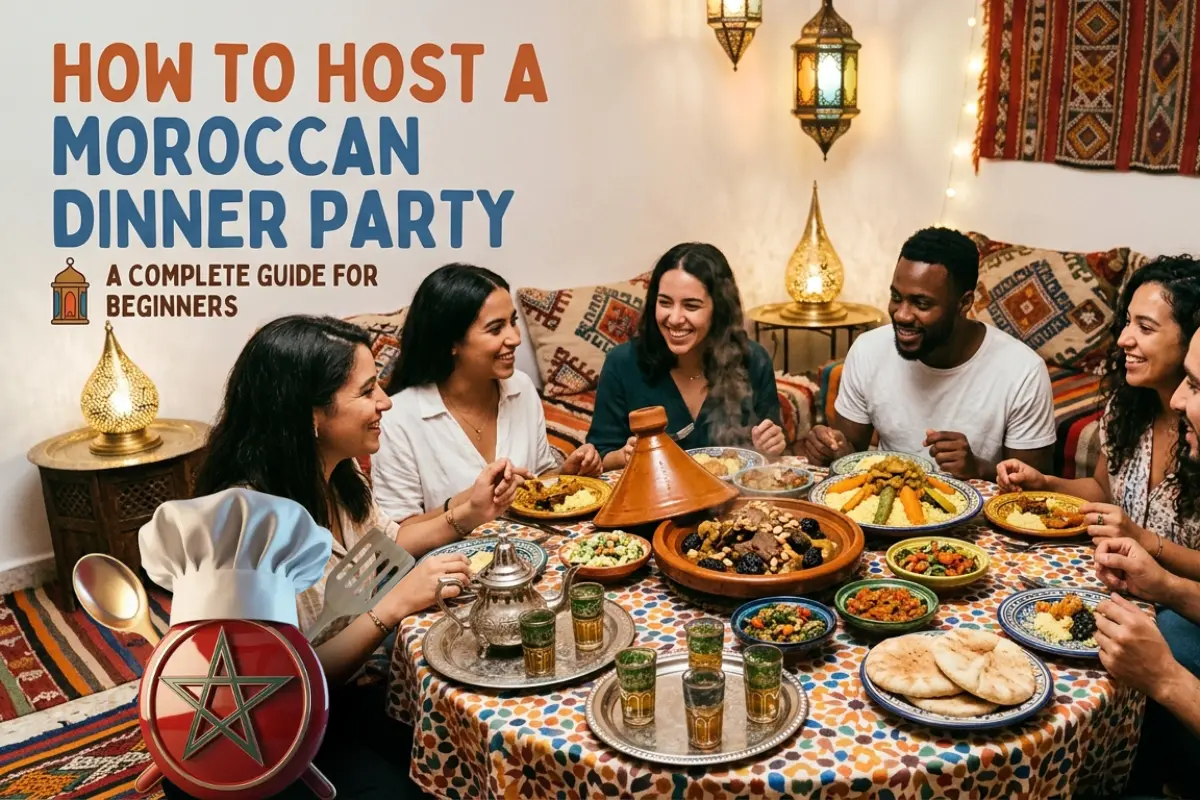
Hosting a Moroccan dinner party is one of the most rewarding ways to introduce your guests to the rich, aromatic world of North African cuisine. Known for its warm hospitality, complex spice blends, and communal dining traditions, Morocco offers a dining experience that goes far beyond just food – it's a celebration of culture, friendship, and the art of slow living. For Western hosts, creating an authentic Moroccan evening might seem daunting at first, but with proper planning and understanding of key traditions, you can transport your guests straight to the souks of Marrakech or the coastal cities of Casablanca.
The beauty of Moroccan cuisine lies in its ability to bring people together around shared dishes, where conversation flows as freely as the mint tea and every bite tells a story of ancient trade routes, Berber traditions, and Arab influences. Unlike typical Western dinner parties where individual plates are served, Moroccan dining is inherently communal, encouraging guests to share from tagines, tear bread together, and participate in time-honored rituals like the ceremonial hand washing and tea service.
This comprehensive guide will walk you through every aspect of hosting an authentic Moroccan dinner party, from understanding the cultural significance behind each tradition to mastering the essential recipes that will make your evening unforgettable. Whether you're a complete beginner to Moroccan cuisine or someone looking to deepen your understanding of this fascinating culinary tradition, you'll find practical tips, detailed recipes, and cultural insights that will help you create an evening your guests will treasure for years to come.
Understanding Moroccan Dining Culture and Traditions
Before diving into recipes and planning, it's crucial to understand the cultural foundation that makes Moroccan dining so special. Moroccan hospitality, known as karam, is legendary throughout the Arab and Berber world. It's based on the principle that guests are a blessing from God and should be treated with the utmost respect and generosity. This philosophy permeates every aspect of a Moroccan meal, from the elaborate preparation to the ceremonial elements that bookend the dining experience.
The Art of Moroccan Hospitality
In Morocco, refusing hospitality is considered deeply offensive, and hosts will go to extraordinary lengths to ensure their guests feel welcomed and well-fed. As a Western host adopting these traditions, you don't need to replicate every custom exactly, but understanding the spirit behind them will help you create a more authentic experience. The key principles include:
- Abundance and generosity: Moroccan hosts traditionally prepare far more food than can be consumed, demonstrating their prosperity and care for guests
- Patience and time: Meals are never rushed; they're opportunities for connection and conversation
- Respect for food: Every grain of couscous and drop of tea is valued, and waste is avoided
- Communal sharing: Individual portions are less common than shared dishes that encourage interaction
Traditional Meal Structure
A formal Moroccan dinner follows a specific structure that has evolved over centuries. Understanding this flow will help you pace your evening appropriately:
- Welcome and settling: Guests are welcomed with dates, nuts, and initial conversation
- Hand washing ceremony: Warm water with rose petals or orange blossom is poured over guests' hands
- Appetizers and salads: Multiple small dishes showcase different flavors and textures
- Main course: Usually centered around a tagine or other slow-cooked dish
- Couscous course: Often considered the pinnacle of the meal
- Tea ceremony: An elaborate ritual involving multiple rounds of mint tea
- Sweets and conversation: Light pastries and continued socializing
Dining Etiquette for Western Hosts
While you shouldn't expect your Western guests to be familiar with all Moroccan customs, incorporating some traditional etiquette can enhance the experience:
- Encourage eating with the right hand, using bread as a utensil
- Demonstrate how to share from communal dishes respectfully
- Explain the significance of certain rituals as you perform them
- Create a relaxed atmosphere where cultural learning becomes part of the entertainment
Essential Ingredients and Where to Find Them
The foundation of any successful Moroccan dinner party lies in sourcing authentic ingredients. While Moroccan cuisine has become increasingly popular in Western countries, finding the right spices, preserved ingredients, and specialty items can still be challenging. This section will guide you through the must-have ingredients and provide practical advice for Western shoppers.
The Moroccan Spice Cabinet
Moroccan cuisine is renowned for its complex spice blends, with ras el hanout being perhaps the most famous. This "head of the shop" blend can contain anywhere from 12 to 30+ spices, and each spice merchant has their own secret recipe. For your dinner party, you'll need several key spices and blends:
| Spice/Blend | Primary Use | Western Substitute | Where to Buy |
|---|---|---|---|
| Ras el Hanout | Tagines, rice dishes | Garam masala + cinnamon | Middle Eastern markets, online |
| Baharat | Meat dishes, vegetables | Allspice + black pepper | Specialty spice shops |
| Harissa | Condiment, cooking paste | Sriracha + smoked paprika | Most supermarkets now carry it |
| Preserved Lemon | Tagines, salads | Lemon zest + salt | Gourmet food stores |
| Rose Water | Desserts, tea | Rose extract (use sparingly) | Middle Eastern markets |
| Orange Blossom Water | Pastries, ceremonial use | Orange extract | Specialty baking suppliers |
Fresh Ingredients and Produce
Moroccan cuisine relies heavily on fresh herbs, vegetables, and fruits. Many of these are readily available in Western supermarkets, though you might need to visit ethnic grocers for some specialty items:
- Fresh herbs: Cilantro, parsley, mint (essential for tea), and if available, fresh coriander
- Vegetables: Tomatoes, onions, carrots, zucchini, eggplant, and pumpkin or butternut squash
- Fruits: Dates (Medjool preferred), figs, oranges, lemons, and pomegranates when in season
- Dried fruits: Apricots, raisins, and prunes for tagines and couscous dishes
- Nuts: Almonds, walnuts, and pine nuts for garnishing and desserts
Protein Choices
Traditional Moroccan cuisine features a variety of proteins, with lamb being particularly prized. However, you can adapt recipes for Western preferences:
- Lamb: Shoulder or leg cuts work best for slow-cooked tagines
- Chicken: Whole chicken cut into pieces, or thighs for more flavor
- Beef: Chuck roast or other braising cuts can substitute for lamb
- Fish: White fish like cod or halibut for coastal-inspired dishes
- Vegetarian options: Chickpeas, lentils, and vegetables make excellent protein-rich alternatives
Shopping Strategy for Western Hosts
To successfully source ingredients for your Moroccan dinner party, plan your shopping across multiple venues:
- Middle Eastern or North African markets: Your best source for authentic spices, preserved lemons, and specialty items
- Regular supermarkets: Increasingly stock basic Moroccan ingredients like harissa and couscous
- Online retailers: Excellent for hard-to-find spices and preserved ingredients
- Farmers markets: Great for fresh herbs and high-quality produce
Planning Your Menu: A Step-by-Step Approach
Creating a well-balanced Moroccan menu requires understanding how different dishes complement each other and flow throughout the evening. Unlike Western menus that often focus on a single main course, Moroccan meals present multiple dishes that guests can sample and combine according to their preferences.
Menu Structure for 6-8 Guests
For a Western audience new to Moroccan cuisine, aim for a menu that offers variety while remaining manageable for the host. Here's a recommended structure:
Welcome Course
- Moroccan mixed olives with preserved lemon
- Dates stuffed with almonds
- Mixed nuts with ras el hanout
- Fresh mint tea or Moroccan lemonade
Appetizer Spread (3-4 dishes)
- Zaalouk (roasted eggplant salad)
- Moroccan carrot salad with orange and cinnamon
- Hummus with harissa oil
- Fresh bread (khubz or pita) for sharing
Main Course
- Choice of one tagine (chicken with preserved lemon and olives, or lamb with apricots and almonds)
- Vegetarian option: Seven-vegetable couscous
- Plain couscous or rice as accompaniment
Tea Ceremony and Desserts
- Traditional mint tea service
- Chebakia (honey-sesame cookies) or baklava
- Fresh fruit: oranges with cinnamon, or pomegranate seeds
Timeline and Preparation Schedule
Successful Moroccan entertaining requires careful timing, as many dishes benefit from slow cooking and advance preparation. Here's a practical timeline for hosting on a Saturday evening:
Three Days Before
- Shop for non-perishable ingredients and spices
- Prepare preserved lemons if making from scratch (though store-bought is fine)
- Make and freeze chebakia or other pastries
Two Days Before
- Shop for fresh ingredients
- Prepare spice blends and marinades
- Make zaalouk (eggplant salad) - it improves with time
Day Before
- Prepare carrot salad and other make-ahead appetizers
- Marinate meat for tagines
- Set up serving dishes and plan table arrangement
- Prepare mint for tea service
Day of Party
- Morning: Start tagine preparation (these improve with slow cooking)
- Afternoon: Prepare couscous, arrange appetizer dishes
- 2 hours before: Set table, arrange welcome snacks
- 1 hour before: Final tagine preparations, warm bread
- 30 minutes before: Set up tea service, final garnishes
Dietary Accommodation Strategies
Modern Western dinner parties often need to accommodate various dietary restrictions. Moroccan cuisine is naturally adaptable:
- Vegetarian/Vegan: Focus on vegetable tagines, legume dishes, and the abundant salad options
- Gluten-free: Replace couscous with rice, ensure spice blends don't contain gluten
- Dairy-free: Most traditional Moroccan dishes are naturally dairy-free
- Low-carb: Emphasize the meat and vegetable dishes, minimize bread and couscous
Essential Recipes for Your Moroccan Dinner Party
The heart of your Moroccan dinner party lies in mastering a few key recipes that showcase the cuisine's distinctive flavors and techniques. These recipes have been adapted for Western kitchens while maintaining their authentic character.
Chicken Tagine with Preserved Lemon and Olives
This classic tagine represents the perfect balance of savory, salty, and citrusy flavors that define Moroccan cuisine. The dish gets its name from the conical clay pot traditionally used for cooking, though a heavy Dutch oven works perfectly for Western kitchens.
Ingredients (serves 6-8):
- 1 whole chicken (3-4 lbs), cut into 8 pieces
- 2 large onions, thinly sliced
- 4 cloves garlic, minced
- 2 preserved lemons, pulp removed, rind julienned
- 1 cup green olives (Moroccan if available, Kalamata as substitute)
- 1/4 cup fresh cilantro, chopped
- 1/4 cup fresh parsley, chopped
- 1 tsp ground ginger
- 1 tsp turmeric
- 1/2 tsp cinnamon
- 1/4 tsp saffron threads
- 1/4 cup olive oil
- Salt and pepper to taste
Preparation Method:
Begin by marinating the chicken pieces with half the olive oil, ginger, turmeric, cinnamon, and a generous amount of salt and pepper. Allow this to rest for at least 30 minutes, though overnight marination yields better results.
In your tagine or heavy Dutch oven, heat the remaining olive oil over medium heat. Brown the chicken pieces on all sides, working in batches to avoid overcrowding. Remove chicken and set aside. In the same pot, cook the sliced onions until they begin to caramelize, about 8-10 minutes. Add minced garlic and cook for another minute until fragrant.
Return the chicken to the pot, nestling pieces among the onions. Add the saffron (first dissolved in 2 tablespoons of warm water), and enough water to barely cover the chicken. Bring to a gentle boil, then reduce heat to low, cover, and simmer for 45 minutes.
Add the preserved lemon rinds and olives, and continue cooking for another 15-20 minutes until the chicken is tender and easily pulls away from the bone. In the final 5 minutes, stir in the fresh herbs. Adjust seasoning and serve immediately.
Seven-Vegetable Couscous
This vegetarian centerpiece showcases the Moroccan technique of building complex flavors through careful layering of vegetables and spices. The "seven" vegetables can vary based on season and availability, but the cooking method remains consistent.
Ingredients (serves 6-8):
- 2 cups couscous (medium grain preferred)
- 2 medium zucchini, cut into chunks
- 2 medium carrots, cut into thick rounds
- 1 small butternut squash, peeled and chunked
- 1 large onion, quartered
- 2 medium tomatoes, quartered
- 1 cup cooked chickpeas
- 1 small cabbage, cut into wedges
- 2 tsp ras el hanout spice blend
- 1 tsp ground cinnamon
- 1/2 cup raisins
- 1/4 cup almonds, toasted
- Fresh cilantro for garnish
- Olive oil, salt, and pepper
Preparation Method:
Start by preparing the couscous according to package directions, fluffing with a fork and keeping warm. In a large pot or couscousière if you have one, heat olive oil and sauté the onions until translucent. Add the ras el hanout and cinnamon, cooking until fragrant.
Add the harder vegetables first (carrots, squash), along with enough water to create a light broth. Season with salt and pepper, cover, and simmer for 15 minutes. Add the zucchini, tomatoes, and chickpeas, continuing to cook for another 10-15 minutes until all vegetables are tender but not mushy.
In the final few minutes, add the cabbage wedges and raisins. The vegetables should be sitting in a flavorful broth that will be served alongside the couscous. Garnish with toasted almonds and fresh cilantro before serving.
Zaalouk (Moroccan Eggplant Salad)
This smoky, richly flavored eggplant dish serves as both appetizer and side dish. The key to great zaalouk lies in properly cooking the eggplant until it's completely tender and melding beautifully with the tomatoes and spices.
Ingredients (serves 6-8 as appetizer):
- 2 large eggplants
- 4 large tomatoes
- 4 cloves garlic, minced
- 1 tsp ground cumin
- 1 tsp paprika
- 1/2 tsp cayenne pepper (adjust to taste)
- 1/4 cup olive oil
- 2 tablespoons tomato paste
- Fresh parsley and cilantro, chopped
- Salt and black pepper to taste
- Lemon juice to finish
Preparation Method:
Roast the eggplants directly over a gas flame or under the broiler until the skin is completely charred and the flesh is very soft. This smoking process is crucial for authentic flavor. Once cooled, peel away the charred skin and roughly chop the flesh.
Grate the tomatoes on the large holes of a box grater, discarding the skins. In a large skillet, heat olive oil and sauté the minced garlic until fragrant. Add the grated tomatoes, tomato paste, cumin, paprika, and cayenne. Cook this mixture for about 10 minutes until it reduces and concentrates.
Add the chopped eggplant to the tomato mixture, mashing and stirring to combine. Continue cooking for 15-20 minutes, stirring occasionally, until the mixture is thick and well-combined. Season with salt, pepper, and lemon juice. Stir in fresh herbs just before serving. Zaalouk can be served warm or at room temperature.
Moroccan Mint Tea
No Moroccan meal is complete without the ceremonial serving of mint tea. This isn't just a beverage—it's a ritual that signifies hospitality, friendship, and the proper conclusion to a meal.
Ingredients (serves 6-8):
- 2 tablespoons Chinese green tea (gunpowder tea preferred)
- 1 large bunch fresh mint (spearmint is traditional)
- 4-6 tablespoons sugar (adjust to taste)
- 6 cups water
Preparation Method:
In a traditional tea pot or heavy saucepan, bring water to a boil. Add the green tea and let it steep for 3-4 minutes. Strain out the tea leaves, then return the tea to the pot. Add sugar and fresh mint sprigs, crushing the mint slightly to release oils.
Bring the mixture back to a gentle simmer and let it brew for 5 minutes. The traditional serving involves pouring from a height to create foam on top of each glass. Serve in small glasses, and it's customary to offer three rounds of tea, each with a slightly different character as the mint continues to infuse.
Setting the Scene: Décor and Atmosphere
Creating an authentic Moroccan atmosphere goes beyond just the food—it involves engaging all the senses to transport your guests to North Africa. The goal is to create a warm, inviting environment that reflects Moroccan hospitality without overwhelming guests who might be unfamiliar with the culture.
Color Palette and Textiles
Moroccan design is famous for its rich, warm colors that reflect the country's diverse landscapes—from the red earth of Marrakech to the blue of Chefchaouen's painted buildings. For your dinner party, focus on creating layers of color and texture:
- Primary colors: Deep reds, warm oranges, rich purples, and golden yellows
- Accent colors: Moroccan blue, emerald green, and metallic gold or brass tones
- Textiles: Layer different fabrics—silk scarves as table runners, tapestries as wall hangings, or colorful cushions for seating
- Patterns: Look for geometric designs, arabesques, or traditional Berber motifs
Lighting and Ambiance
Moroccan dining emphasizes intimate, warm lighting that encourages conversation and creates a sense of mystery and romance:
- Candles: Use plenty of candles in various heights, placed in glass holders or lanterns
- Moroccan lanterns: If available, pierced metal lanterns create beautiful shadow patterns
- String lights: Warm white string lights can substitute for more elaborate lighting
- Avoid harsh lighting: Dim or turn off overhead lights in favor of ambient lighting
Table Setting and Serving Dishes
Moroccan dining traditionally involves communal eating, which requires a different approach to table setting than typical Western dinner parties:
Essential Serving Pieces
- Large round platters: For presenting tagines and couscous dishes
- Small bowls: For individual portions of salads and appetizers
- Bread baskets: Lined with colorful cloth for serving bread
- Tea glasses: Small, heat-resistant glasses for mint tea service
- Serving spoons: Large spoons for communal dishes
Table Layout Strategy
Instead of individual place settings, create stations around your table or dining area:
- Center the main tagine or couscous dish as the focal point
- Surround with smaller dishes of salads and appetizers
- Provide small plates for guests to sample different dishes
- Place bread baskets at regular intervals for easy access
- Set up a separate area for the tea service
Music and Soundscape
The right music can transport your guests without overwhelming the conversation. Consider these options:
- Traditional Moroccan music: Gnawa music, Berber folk songs, or classical Andalusian pieces
- North African fusion: Modern interpretations that blend traditional and contemporary sounds
- World music: Other Middle Eastern or Mediterranean music that complements the theme
- Volume control: Keep music as background ambiance, not the focal point
Scent and Aromatics
Moroccan culture pays great attention to pleasant aromas, and you can incorporate this into your dinner party:
- Incense: Light sandalwood or rose incense before guests arrive
- Orange blossom water: Sprinkle lightly on linens or use in finger bowls
- Fresh herbs: Place small bouquets of fresh mint around the dining area
- Cooking aromas: The natural scents from your tagines and spices will create the most authentic atmosphere
Cultural Etiquette and Guest Education
One of the most rewarding aspects of hosting a Moroccan dinner party is sharing cultural knowledge with your guests. Rather than expecting them to know unfamiliar customs, use the evening as an opportunity for cultural exchange and learning.
Pre-Dinner Cultural Orientation
As guests arrive, take a few minutes to explain what they can expect throughout the evening. This orientation serves several purposes: it makes guests more comfortable, shows respect for Moroccan culture, and enhances everyone's appreciation of the experience.
Key Points to Cover:
- Communal dining: Explain that dishes are shared and sampling different combinations is encouraged
- Eating etiquette: Demonstrate how to use bread as a utensil and eat with the right hand
- Pacing: Let guests know the meal will unfold slowly, with multiple courses and ceremonies
- Participation: Encourage questions about ingredients, cooking methods, and cultural significance
The Hand Washing Ceremony
This traditional ritual serves both practical and symbolic purposes—it cleanses the hands for eating and marks the formal beginning of the meal. For Western guests, this can be a highlight of cultural authenticity:
How to Conduct the Ceremony:
- Prepare a pitcher of warm water with a few drops of orange blossom or rose water
- Provide a basin and clean towels for each guest
- Move around the table, pouring water over each guest's hands
- Explain the significance: cleansing, respect for food, and preparation for sharing
- Make it interactive by having guests perform the ritual for each other
Bread Etiquette and Sharing Customs
In Moroccan culture, bread holds sacred significance and is never wasted. Teaching guests proper bread etiquette adds authenticity and cultural depth to your dinner party:
- Breaking not cutting: Bread should be broken by hand, not cut with utensils
- Using as a utensil: Show guests how to use pieces of bread to scoop food from communal dishes
- Sharing responsibility: The eldest or most honored guest traditionally breaks and distributes bread
- Respect for bread: Any dropped bread should be picked up and kissed as a sign of respect
Managing Cultural Sensitivities
While most Western guests will be excited to learn about Moroccan customs, it's important to be sensitive to different comfort levels:
- Make participation optional: Offer alternatives for guests who prefer familiar utensils
- Explain without lecturing: Share cultural information naturally as part of conversation
- Respect dietary restrictions: Ensure guests with limitations can fully participate
- Focus on commonalities: Emphasize universal values like hospitality, friendship, and sharing
The Art of Moroccan Conversation
Moroccan dining culture values lengthy, meaningful conversation. Help facilitate this by:
- Preparing interesting topics about Moroccan history, travel, or culture
- Asking guests about their own cultural food traditions
- Sharing stories about your journey to learn Moroccan cooking
- Encouraging guests to share their impressions of new flavors and experiences
Frequently Asked Questions
How far in advance should I start planning a Moroccan dinner party?
For beginners, start planning at least two weeks in advance. This gives you time to source specialty ingredients, practice unfamiliar recipes, and gather appropriate serving dishes. The actual food preparation should begin 2-3 days before the event, with many dishes like zaalouk and spice blends actually improving when made ahead. More experienced hosts can successfully plan a Moroccan dinner party with a week's notice, but allowing extra time reduces stress and improves results.
Can I successfully host a Moroccan dinner party without a tagine pot?
Absolutely! While a traditional tagine pot creates ideal cooking conditions and authentic presentation, you can achieve excellent results with a heavy Dutch oven, slow cooker, or even a large skillet with a tight-fitting lid. The key is maintaining steady, gentle heat and keeping moisture in. If using alternative cookware, you might need to check periodically and add small amounts of liquid to prevent sticking. For serving, transfer the finished dish to your most attractive large platter or serving bowl.
What should I do if my guests are hesitant about eating with their hands?
Cultural comfort varies among guests, so always provide regular utensils alongside the traditional bread-eating method. Introduce hand-eating gradually—perhaps start with appetizers where guests can choose their method, then demonstrate the technique with the main course. Many guests become more comfortable once they see others participating. Frame it as an optional cultural experience rather than a requirement, and focus on the communal sharing aspect rather than the specific eating method.
How spicy should I make the food for Western palates?
Moroccan cuisine is generally not as spicy-hot as many Western diners expect, focusing more on aromatic and complex spice blends rather than heat. Start with milder versions of dishes, using less harissa and cayenne than recipes might suggest. You can always provide harissa or hot sauce on the side for guests who want more heat. Remember that dishes like tagines should be flavorful and aromatic first, with heat being just one element among many.
Is it appropriate to serve alcohol at a Moroccan dinner party?
This depends on your guests and the level of cultural authenticity you're aiming for. Traditional Islamic culture prohibits alcohol, but Morocco has a more relaxed approach, especially in tourist areas and among certain populations. For Western dinner parties, many hosts choose to serve wine or cocktails that complement Moroccan flavors—such as rosé wines, mint-based cocktails, or pomegranate drinks. Always prioritize your guests' preferences and comfort levels over strict cultural adherence.
How do I properly conduct the mint tea ceremony?
The mint tea ceremony is one of the most important Moroccan traditions you can share with guests. Start by explaining its significance as a symbol of hospitality and friendship. Use a traditional teapot if available, or any teapot that allows you to pour from a height. The key ritual elements include: brewing the tea with plenty of fresh mint and sugar, pouring from about 12 inches above the glasses to create foam, and traditionally offering three glasses to each guest (with the saying that the first glass is as gentle as life, the second as strong as love, and the third as bitter as death). Make the ceremony interactive by teaching willing guests to pour.
What's the best way to accommodate vegetarian guests at a Moroccan dinner party?
Moroccan cuisine is naturally vegetarian-friendly, with many traditional dishes featuring vegetables, legumes, and grains as main ingredients rather than side dishes. Plan a menu centered around vegetable tagines, the seven-vegetable couscous, and the variety of salad appetizers. Most Moroccan bread is vegan, and the spice blends work beautifully with vegetables. The communal dining style means vegetarian guests won't feel excluded or limited to side dishes—they'll have abundant, flavorful options that feel like full participants in the feast.
Conclusion: Creating Lasting Memories Through Moroccan Hospitality
Hosting a Moroccan dinner party offers far more than just an exotic dining experience—it's an opportunity to create deep connections with friends and family through the universal language of food and hospitality. The beauty of Moroccan cuisine lies not just in its complex flavors and aromatic spices, but in its ability to slow down time, encourage meaningful conversation, and transform a simple meal into a celebration of friendship and cultural appreciation.
As you embark on this culinary adventure, remember that authenticity doesn't require perfection. Your guests will appreciate the effort and love you put into creating something special, even if every detail isn't exactly as it would be in a Marrakech riad. The most important elements—the warmth of your hospitality, the sharing of delicious food, and the creation of new experiences—are universal values that transcend cultural boundaries.
The techniques and recipes you've learned in this guide will serve you well beyond a single dinner party. Moroccan cooking methods like slow braising, complex spice layering, and the art of balancing sweet and savory elements will enhance your overall culinary repertoire. Many hosts find that incorporating Moroccan elements becomes a regular part of their entertaining style, whether it's serving mint tea at afternoon gatherings or using ras el hanout to elevate simple weeknight dinners.
Most importantly, hosting a Moroccan dinner party opens conversations about culture, tradition, and the ways food connects us across continents and generations. Your guests will leave with new favorite flavors, a deeper appreciation for North African culture, and memories of an evening that felt truly special and different from typical dinner parties.
The spirit of karam—generous hospitality—that you've embraced in planning this dinner will extend far beyond the evening itself. Many hosts find that their Moroccan dinner parties become legendary among their social circles, requested again and again by guests eager to return to those candlelit tables filled with tagines, the ceremony of shared tea, and the warmth of authentic hospitality. In sharing Moroccan culture with your Western guests, you're participating in the ancient tradition of cultural exchange that has always been at the heart of Moroccan society, where the crossing of trade routes brought together flavors, techniques, and traditions from across the Mediterranean and beyond.