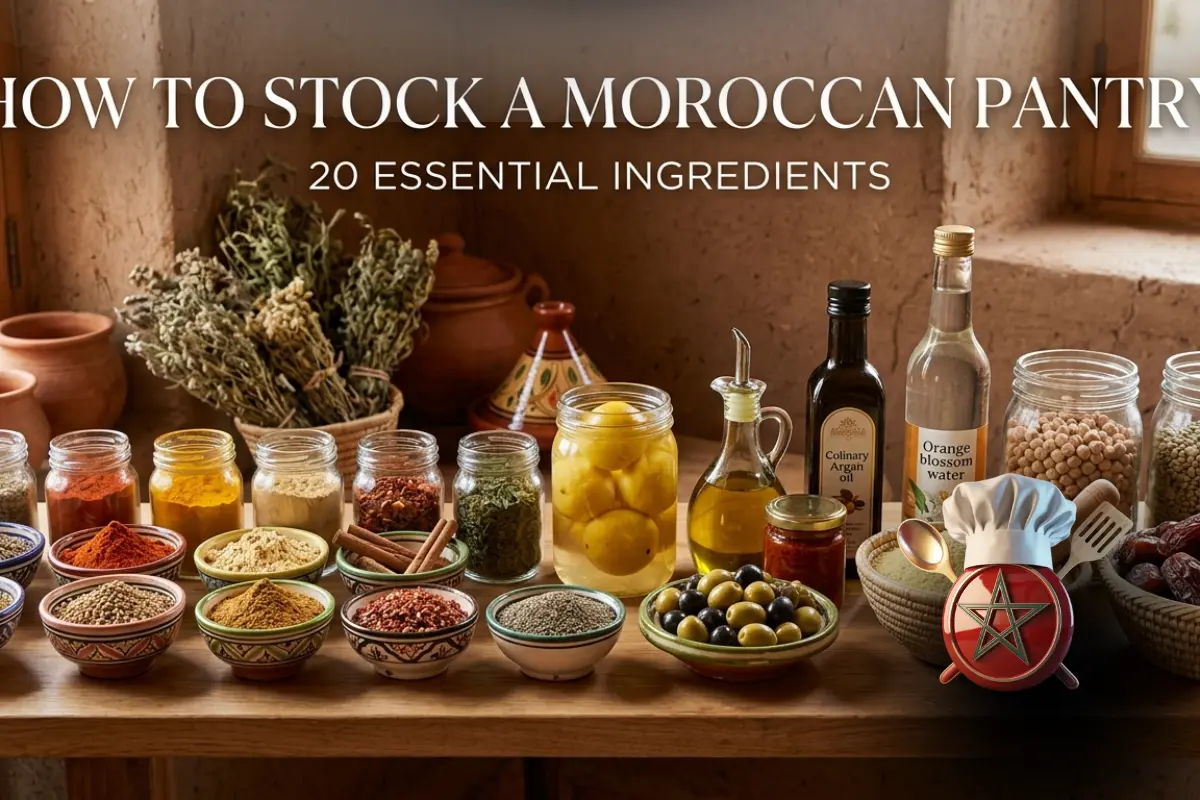
Creating authentic Moroccan dishes at home starts with building a well-stocked pantry filled with the essential ingredients that define this magnificent cuisine. Moroccan cooking is renowned for its complex flavor profiles, aromatic spices, and unique preserved ingredients that have been passed down through generations. Whether you're a novice cook eager to explore North African flavors or an experienced chef looking to expand your culinary repertoire, understanding these fundamental ingredients will transform your kitchen into a gateway to Morocco's rich culinary heritage.
The beauty of Moroccan cuisine lies in its ability to balance sweet and savory, warm and cooling, and familiar and exotic flavors. This balance is achieved through careful selection and combination of spices, preserved foods, and specialty ingredients that may seem foreign to Western palates but are absolutely essential for authentic Moroccan cooking. From the famous spice blend ras el hanout to the tangy preserved lemons that brighten countless dishes, each ingredient serves a specific purpose in creating the layered, complex flavors that make Moroccan food so captivating.
In this comprehensive guide, we'll explore 20 essential ingredients that every Moroccan pantry should contain. We'll discuss where to find these ingredients in Western markets, how to store them properly, and most importantly, how to use them to create authentic Moroccan dishes that will transport you and your guests straight to the bustling souks of Marrakech or the coastal cities of Casablanca.
The Foundation: Essential Moroccan Spices
The heart of any Moroccan pantry lies in its spice collection. Moroccan cuisine relies heavily on warm, aromatic spices that create depth and complexity in every dish. These spices are often used in combination, creating signature blends that define regional cooking styles.
Ras El Hanout: The King of Spice Blends
Ras el hanout, which literally translates to "head of the shop," is perhaps the most important spice blend in Moroccan cooking. This complex mixture can contain anywhere from 10 to 30 different spices, depending on the spice merchant's recipe and regional preferences. Common ingredients include cardamom, cumin, coriander, cinnamon, paprika, turmeric, ginger, and rose petals.
The beauty of ras el hanout lies in its versatility. It can be used to season tagines, sprinkled over roasted vegetables, mixed into marinades for meat and poultry, or even added to rice dishes for an authentic Moroccan flavor. When purchasing ras el hanout, look for blends that have a deep, complex aroma and avoid those that appear dusty or have lost their vibrant color.
Cumin: The Earthy Foundation
Cumin seeds and ground cumin are absolutely essential in Moroccan cooking. This earthy, slightly bitter spice provides a warm, nutty flavor that forms the backbone of many dishes. Whole cumin seeds are often toasted before grinding to intensify their flavor, while ground cumin is used in marinades, spice rubs, and slow-cooked stews.
For the best flavor, buy whole cumin seeds and grind them yourself using a spice grinder or mortar and pestle. Store both whole and ground cumin in airtight containers away from light and heat to preserve their potency.
Coriander: Fresh and Citrusy
Both coriander seeds and ground coriander are staples in Moroccan cuisine. This spice offers a fresh, citrusy flavor with subtle floral notes that complement the earthier spices commonly used in Moroccan cooking. Coriander pairs particularly well with cumin and is often used in combination with it in meat dishes and vegetable preparations.
Cinnamon: Sweet Warmth
Moroccan cuisine is famous for its use of sweet spices in savory dishes, and cinnamon is perhaps the most prominent example. Both ground cinnamon and whole cinnamon sticks are used extensively in tagines, couscous dishes, and meat preparations. The warm, sweet flavor of cinnamon adds depth and complexity to savory dishes while also being essential in Moroccan desserts and sweet pastries.
Ginger: Fresh and Dried
Both fresh ginger root and ground ginger powder are important in Moroccan cooking. Fresh ginger is often grated or minced and used in marinades and fresh preparations, while ground ginger is incorporated into spice blends and long-cooking dishes. Ginger adds a warm, slightly spicy flavor that enhances both sweet and savory preparations.
Preserved and Fermented Essentials
Moroccan cuisine makes extensive use of preserved and fermented ingredients that add unique flavors and textures to dishes. These ingredients often require some planning ahead, as many can be made at home but need time to develop their characteristic flavors.
Preserved Lemons: The Tangy Game-Changer
Preserved lemons are perhaps the most distinctive ingredient in Moroccan cooking. These salt-cured lemons develop a unique, intensely flavored rind that adds a bright, tangy, and slightly floral note to dishes. The rind is typically used while the pulp is discarded, though some recipes call for the entire preserved lemon.
You can find preserved lemons in Middle Eastern grocery stores or online, but they're also easy to make at home. Simply pack quartered lemons with coarse salt in a jar, press them down to release their juices, and let them cure for at least a month. Properly made preserved lemons can last for up to a year in the refrigerator.
Preserved lemons are essential in chicken tagines, lamb dishes, and salads. They add a complex, salty-sour flavor that cannot be replicated with fresh lemons or other citrus fruits.
Harissa: The Fiery Paste
Harissa is a spicy chili paste that originated in Tunisia but is widely used throughout North Africa, including Morocco. This fiery condiment is made from hot chili peppers, garlic, olive oil, and spices like caraway, coriander, and cumin. The heat level can vary significantly depending on the types of chilies used and the specific recipe.
Harissa can be used as a condiment, mixed into stews and tagines for heat, or used as a marinade for meats. It adds not just heat but also a complex, smoky flavor that enhances many Moroccan dishes. You can buy harissa in tubes or jars from most well-stocked grocery stores, or make your own by blending soaked dried chilies with the traditional spices and aromatics.
Olives: Briny Treasures
Morocco produces excellent olives, and they feature prominently in the country's cuisine. Both green and black olives are used, often in their whole form in tagines and salads. Moroccan olives are typically cured with herbs and spices, giving them a more complex flavor than standard table olives.
Look for Moroccan olives in specialty stores, or substitute with other high-quality Mediterranean olives like Kalamata or Castelvetrano. The key is to use olives with complex, well-developed flavors rather than bland, mass-produced varieties.
Oils, Nuts, and Aromatics
The foundation of Moroccan cooking extends beyond spices to include high-quality oils, nuts, and aromatic ingredients that add richness, texture, and depth to dishes.
Argan Oil: Liquid Gold
Argan oil is perhaps Morocco's most famous culinary export. This precious oil is extracted from the nuts of the argan tree, which grows only in southwestern Morocco. Culinary argan oil has a rich, nutty flavor that's used as a finishing oil for dishes, drizzled over couscous, or mixed into salad dressings.
Pure argan oil is expensive but worth the investment for special occasions and authentic flavors. A little goes a long way, and the unique taste cannot be replicated with other oils. Store argan oil in a cool, dark place and use it within a year of opening for the best flavor.
Extra Virgin Olive Oil: The Mediterranean Standard
High-quality extra virgin olive oil is essential for Moroccan cooking. It's used for cooking, in marinades, and as a finishing oil. Morocco produces excellent olive oil, but any high-quality extra virgin olive oil from the Mediterranean region will work well in Moroccan dishes.
Use olive oil for sautéing vegetables, cooking meat for tagines, and in salad dressings. The fruity, peppery flavor of good olive oil complements the warm spices used in Moroccan cuisine.
Almonds: Blanched and Whole
Almonds are used extensively in Moroccan cooking, both in savory dishes like tagines and in sweet preparations. Blanched almonds are preferred for most applications, as they have a cleaner appearance and milder flavor than unblanched almonds.
Whole almonds are often fried until golden and used as a garnish for couscous dishes and tagines. Ground almonds are used in pastries and sometimes as a thickening agent for sauces. Keep almonds in airtight containers or in the freezer to prevent them from becoming rancid.
Fresh Herbs: Cilantro and Parsley
Fresh herbs play a crucial role in Moroccan cuisine, with cilantro and flat-leaf parsley being the most important. These herbs are used both as ingredients in cooking and as fresh garnishes that add color and brightness to finished dishes.
Cilantro has a distinctive, citrusy flavor that some people love and others find soapy. In Moroccan cooking, it's used in chermoula (a herb-based marinade), salads, and as a garnish. Flat-leaf parsley has a clean, fresh flavor and is used in similar applications.
Both herbs should be stored in the refrigerator and used within a few days of purchase for the best flavor. They can also be frozen in ice cube trays with a little water or olive oil for longer storage.
Grains, Legumes, and Pantry Staples
No Moroccan pantry is complete without the essential grains and legumes that form the foundation of many traditional dishes.
Couscous: The National Dish
Couscous is often called Morocco's national dish, and for good reason. This tiny pasta, made from semolina wheat, is steamed and served as a base for stews, vegetables, and meat. There are different sizes of couscous available, from fine to large pearl couscous, each suited for different preparations.
Traditional couscous requires steaming in a special pot called a couscoussier, but instant couscous available in Western supermarkets can be prepared quickly with boiling water or broth. While not quite as fluffy and light as traditional steamed couscous, instant varieties are convenient and still delicious when prepared properly.
Lentils: Protein-Packed Legumes
Lentils are a staple protein source in Moroccan cuisine, particularly during Ramadan and in vegetarian dishes. Red lentils cook quickly and break down into a creamy consistency, making them perfect for soups and stews. Green and brown lentils hold their shape better and are used in salads and side dishes.
Lentil soup, often flavored with tomatoes, onions, and warm spices, is a common comfort food in Morocco. Lentils are also combined with rice or other grains to create complete proteins in vegetarian meals.
Chickpeas: Versatile and Hearty
Chickpeas, or garbanzo beans, are another important legume in Moroccan cooking. They're used in tagines, soups, and salads, and can be served whole or ground into flour for certain preparations. Dried chickpeas are preferred over canned for most applications, as they have a better texture and flavor when properly cooked.
Soak dried chickpeas overnight before cooking to reduce cooking time and improve digestibility. They can be cooked in large batches and frozen for convenient use in future dishes.
Semolina Flour: Beyond Couscous
Semolina flour, made from durum wheat, is used not only to make couscous but also in various Moroccan breads and pastries. This coarse flour has a slightly yellow color and a distinctive texture that's perfect for certain traditional preparations.
Semolina is often combined with regular wheat flour in bread recipes, and it's also used to make a porridge-like breakfast dish. Store semolina flour in airtight containers to prevent insect infestation and maintain freshness.
Sweet Additions and Flavor Enhancers
Moroccan cuisine is famous for its sophisticated use of sweet ingredients in savory dishes, creating complex flavor profiles that surprise and delight Western palates.
Dried Fruits: Dates and Apricots
Dates and dried apricots are essential ingredients that add natural sweetness and chewy texture to many Moroccan dishes. Medjool dates are particularly prized for their large size and rich, almost caramel-like flavor. They're often stuffed with nuts for appetizers or chopped and added to tagines for sweetness.
Dried apricots provide a tart-sweet flavor that complements the warm spices used in Moroccan cooking. They're commonly used in lamb and chicken tagines, where they add both sweetness and acidity to balance rich, savory flavors.
Orange Blossom Water: Floral Essence
Orange blossom water is a delicate floral water that's used to perfume both sweet and savory Moroccan dishes. Just a few drops can transform a dish, adding a subtle floral note that's characteristic of Moroccan cuisine.
This ingredient should be used sparingly, as too much can make dishes taste soapy or overly perfumed. It's commonly added to fruit salads, pastries, and sometimes to tagines for a subtle aromatic note. Store orange blossom water in a cool, dark place, and it will keep for years.
Rose Water: Romantic Aromatics
Similar to orange blossom water, rose water adds a romantic, floral note to Moroccan dishes. It's used in both sweet and savory preparations, though more commonly in desserts and special occasion dishes.
Rose water pairs particularly well with almonds, pistachios, and other nuts. It's often used in rice puddings, pastries, and fruit preparations. Like orange blossom water, it should be used judiciously to avoid overpowering other flavors.
Honey: Natural Sweetener
High-quality honey is preferred over sugar in many Moroccan preparations. The floral notes of good honey complement the warm spices and add complexity to both sweet and savory dishes. Honey is used in marinades for meat, in pastries, and as a glaze for vegetables and fruits.
Different types of honey will impart different flavors to dishes. Orange blossom honey is particularly prized in Morocco, but any high-quality, flavorful honey will work well in Moroccan cooking.
Shopping Guide: Where to Find Moroccan Ingredients
| Ingredient Category | Best Places to Shop | Online Options | Substitutions |
|---|---|---|---|
| Spices (Ras el hanout, cumin, etc.) | Middle Eastern markets, specialty spice shops | Mountain Rose Herbs, Penzeys Spices | Make your own blends |
| Preserved lemons | Middle Eastern/Mediterranean stores | Amazon, specialty food sites | Make at home (1 month cure time) |
| Harissa | Most grocery stores, international aisles | Widely available online | Sriracha + spices (not ideal) |
| Argan oil | Health food stores, Moroccan importers | Specialty food websites | Toasted sesame oil (different flavor) |
| Couscous | Any grocery store | Everywhere | Bulgur wheat, quinoa |
| Orange blossom/Rose water | Middle Eastern stores, baking supply shops | Amazon, baking websites | Vanilla extract (completely different) |
Storage and Shelf Life Guide
| Ingredient | Storage Method | Shelf Life | Signs of Spoilage |
|---|---|---|---|
| Whole spices | Airtight containers, cool, dark place | 2-3 years | Lost aroma, faded color |
| Ground spices | Airtight containers, cool, dark place | 1-2 years | Lost aroma, dusty appearance |
| Preserved lemons | Refrigerated in brine | 1 year | Mold, off smell |
| Harissa | Refrigerated after opening | 6 months opened | Mold, separation |
| Argan oil | Cool, dark place | 1 year | Rancid smell, bitter taste |
| Dried fruits | Airtight containers, cool place | 1 year | Hard texture, mold |
| Nuts | Refrigerated or frozen | 6 months refrigerated | Rancid smell, bitter taste |
| Floral waters | Cool, dark place | 2-3 years | Off smell, cloudiness |
Frequently Asked Questions
Can I substitute regular spice blends for ras el hanout?
While you can create your own version using common spices like cumin, coriander, cinnamon, and paprika, authentic ras el hanout contains unique ingredients like rose petals and sometimes exotic spices that are difficult to replicate. For the best flavor, it's worth investing in a good quality commercial blend or sourcing the individual spices to make your own authentic version.
How long do preserved lemons take to make at home?
Homemade preserved lemons need at least one month to cure properly, though they continue to develop flavor over time. The process is simple but requires patience. Quarter fresh lemons, pack them with coarse salt in sterilized jars, press down to release juices, and wait. They'll be ready to use after a month and will keep for up to a year in the refrigerator.
Is harissa very spicy, and can I adjust the heat level?
Harissa heat levels vary significantly depending on the brand and recipe. Some are quite mild, while others are fiery hot. When using harissa in cooking, start with a small amount and taste as you go. You can also mix harissa with yogurt, olive oil, or tomato paste to dilute the heat while maintaining the complex flavor profile.
What's the difference between culinary and cosmetic argan oil?
Culinary argan oil is made from roasted argan nuts, giving it a rich, nutty flavor perfect for cooking. Cosmetic argan oil is made from unroasted nuts and has a milder flavor but isn't intended for consumption. Always buy food-grade argan oil from reputable sources, as the cosmetic version may contain additives unsuitable for cooking.
Can I use regular couscous instead of Moroccan couscous?
The instant couscous commonly available in Western supermarkets is actually quite similar to traditional Moroccan couscous, just pre-steamed for convenience. While traditionally prepared couscous has a lighter, fluffier texture, instant couscous works well for most home cooking applications. Pearl couscous (Israeli couscous) is a different product entirely and shouldn't be substituted in traditional recipes.
Building Your Moroccan Pantry: A Practical Approach
Building a complete Moroccan pantry doesn't have to happen overnight. Start with the most essential ingredients like ras el hanout, cumin, preserved lemons, and good olive oil. These four ingredients alone will allow you to create many authentic Moroccan dishes and begin to understand the flavor profiles that define this cuisine.
As you become more comfortable with Moroccan cooking, gradually add other ingredients like harissa, argan oil, and various dried fruits. Many of these ingredients have long shelf lives, so they're good investments that will serve you well across multiple cooking sessions.
Consider the dishes you're most excited to make when prioritizing your purchases. If you're drawn to tagines, focus on the spices and preserved ingredients that feature prominently in stews. If you're more interested in salads and lighter fare, prioritize the fresh herbs, citrus products, and finishing oils.
Conclusion
Creating an authentic Moroccan pantry is an investment in culinary adventure that will pay dividends in flavor and cooking satisfaction. These 20 essential ingredients represent the foundation of one of the world's most sophisticated and delicious cuisines, offering Western home cooks the opportunity to explore complex flavor combinations and time-honored cooking techniques.
Remember that the key to successful Moroccan cooking lies not just in having the right ingredients, but in understanding how to combine them harmoniously. Start with quality ingredients, store them properly, and don't be afraid to experiment with different combinations and proportions. The beauty of Moroccan cuisine is its flexibility and the way it rewards both careful attention to tradition and creative personal interpretation.
As you build your Moroccan pantry and begin cooking with these ingredients, you'll develop an intuitive understanding of how the sweet balances the savory, how preserved ingredients add depth and complexity, and how the careful layering of spices creates the magical flavors that make Moroccan food so captivating. Whether you're preparing a simple weeknight tagine or an elaborate feast for friends, these essential ingredients will help you create memorable meals that transport everyone at your table to the enchanting world of Moroccan cuisine.