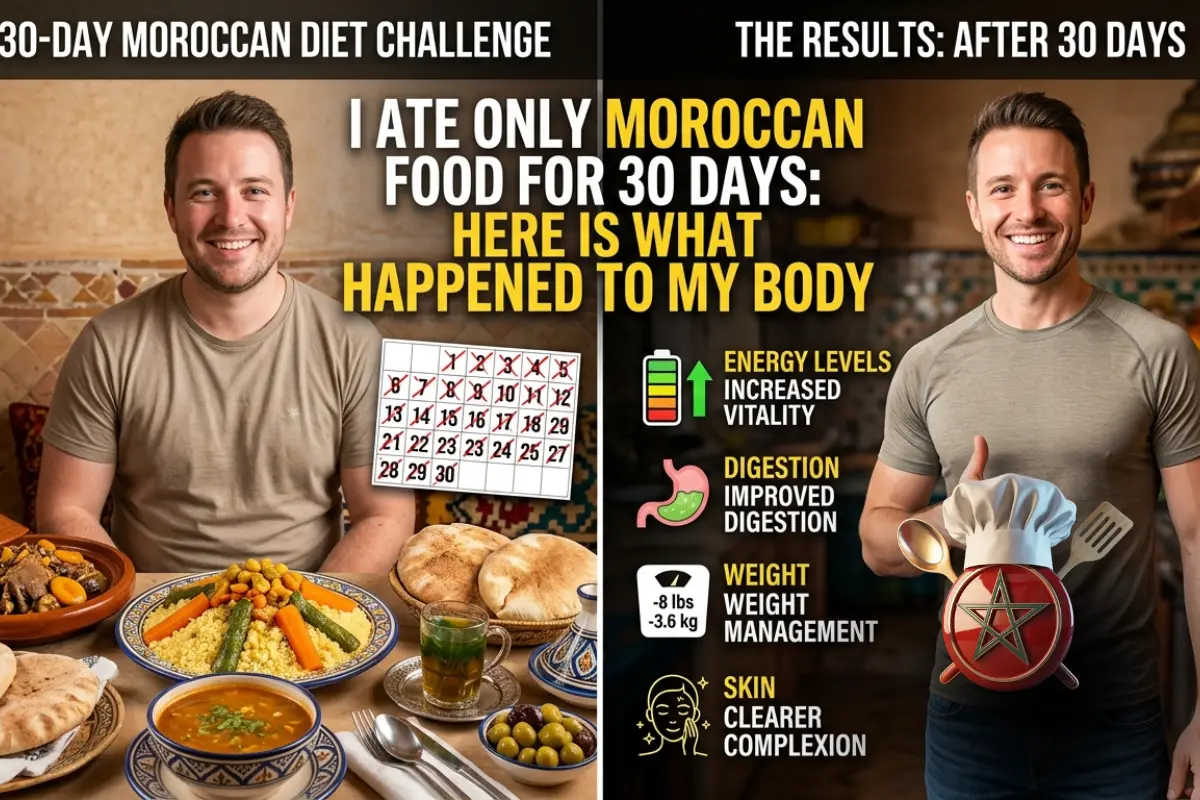
The Beginning of My Moroccan Food Journey
When I first decided to embark on this 30-day Moroccan food challenge, I had no idea how profoundly it would transform my relationship with food and my overall health. As a food enthusiast who had grown accustomed to the typical Western diet of processed foods, quick meals, and convenience snacks, I was curious about what would happen if I completely switched to traditional Moroccan cuisine for an entire month.
Morocco's culinary tradition, deeply rooted in Mediterranean and North African influences, is built around fresh ingredients, aromatic spices, healthy fats from olive oil, and cooking methods that have been perfected over centuries. The diet naturally emphasizes vegetables, legumes, lean proteins, and complex carbohydrates, all prepared with an incredible array of spices that not only enhance flavor but also provide numerous health benefits.
My motivation wasn't just curiosity—I had been experiencing low energy levels, digestive issues, and a general feeling of sluggishness that I suspected was related to my poor eating habits. I wanted to see if adopting a traditional, whole-food-based diet could make a difference. Little did I know that this experiment would become one of the most eye-opening experiences of my life, teaching me valuable lessons about nutrition, cultural food wisdom, and the profound connection between what we eat and how we feel.
Week 1: The Adjustment Period and Initial Observations
The first week of eating exclusively Moroccan food was both challenging and enlightening. I had to completely restructure my meal planning and shopping habits. Gone were the days of grabbing a quick sandwich or microwaving a frozen dinner. Instead, my kitchen became filled with aromatic spices like cumin, coriander, cinnamon, ginger, and saffron, along with fresh vegetables, dried fruits, nuts, and legumes.
My typical day began with a traditional Moroccan breakfast of msemen (flaky pancakes) with olive oil and honey, accompanied by fresh mint tea. Lunch usually consisted of a hearty tagine—perhaps chicken with preserved lemons and olives, or a vegetarian version with seasonal vegetables and chickpeas. Dinner might be a bowl of harira soup with dates and chebakia, or couscous with seven vegetables.
Physical Changes in Week 1
The most immediate change I noticed was in my digestion. Within the first three days, I experienced less bloating after meals. This was likely due to the elimination of processed foods and the introduction of more fiber-rich ingredients like vegetables, legumes, and whole grains. The abundant use of digestive spices in Moroccan cuisine—particularly ginger, cumin, and coriander—seemed to ease any stomach discomfort I typically experienced.
My energy levels, however, fluctuated during this first week. There were moments of fatigue as my body adjusted to the new eating pattern, but I also experienced periods of sustained energy that I attributed to the complex carbohydrates and balanced meals that are characteristic of Moroccan cuisine.
Challenges and Adaptations
The biggest challenge was the time investment required for meal preparation. Traditional Moroccan cooking often involves slow-cooking methods, marinades, and fresh preparation of ingredients. I had to dedicate significantly more time to meal planning and cooking, which initially felt overwhelming given my busy schedule.
However, I soon discovered that batch cooking tagines and preparing larger portions of couscous or rice could provide meals for multiple days. I also learned to appreciate the meditative quality of the cooking process itself—the rhythmic chopping of vegetables, the toasting of spices, and the slow simmering of stews became a form of mindfulness practice.
Week 2-3: Settling Into the Rhythm and Noticeable Changes
By the second week, preparing Moroccan meals had become second nature. I had developed a routine of shopping for fresh ingredients twice a week, spending Sunday afternoons preparing base ingredients like preserved lemons, harissa paste, and spice blends. This preparation made weekday cooking much more manageable.
Energy and Mental Clarity Improvements
The most significant change during this period was a dramatic improvement in my energy levels. Unlike the energy crashes I used to experience after eating processed foods or sugary snacks, the sustained energy from Moroccan meals kept me feeling alert and focused throughout the day. The combination of complex carbohydrates from couscous and quinoa, healthy fats from olive oil and nuts, and lean proteins seemed to provide the perfect fuel for my body.
I also noticed improved mental clarity and focus. The omega-3 fatty acids from the generous amounts of olive oil, nuts, and occasional fish dishes, combined with the anti-inflammatory properties of spices like turmeric and ginger, seemed to support cognitive function. My afternoon mental fog, which had been a regular occurrence, virtually disappeared.
Digestive Health Revolution
Perhaps the most dramatic change was in my digestive health. The high fiber content from vegetables, legumes, and whole grains, combined with the digestive spices used in Moroccan cooking, transformed my gut health. I experienced regular, comfortable digestion for the first time in years. The probiotics from fermented ingredients like preserved lemons and the prebiotic fibers from various vegetables seemed to restore balance to my digestive system.
Weight and Body Composition Changes
Without making any conscious effort to restrict calories or lose weight, I began to notice changes in my body composition. My clothes felt looser, and I appeared to be losing excess water weight and bloating. The nutrient-dense, whole-food-based meals were naturally satisfying, preventing overeating while providing all the nutrients my body needed.
Week 3-4: Peak Benefits and Lasting Transformations
The final week of my Moroccan food experiment brought the most pronounced benefits. My body had fully adapted to this way of eating, and I was experiencing what felt like optimal health and vitality.
Cardiovascular and Metabolic Benefits
I decided to have some basic health markers checked during this final week, and the results were remarkable. My blood pressure, which had been slightly elevated, had returned to normal ranges. My resting heart rate had decreased, suggesting improved cardiovascular efficiency. These changes aligned with research showing that Mediterranean-style diets, which share many similarities with traditional Moroccan cuisine, can significantly benefit heart health.
The abundant use of olive oil as the primary fat source, combined with the anti-inflammatory spices and antioxidant-rich vegetables, appeared to have a positive impact on my cardiovascular system. I felt more physically capable during exercise and recovered more quickly from workouts.
Skin and Appearance Improvements
An unexpected benefit was the improvement in my skin's appearance and texture. The hydrating effects of olive oil, combined with the antioxidants from vegetables and spices, seemed to give my skin a healthier glow. Friends and colleagues began commenting on how healthy I looked, often asking if I had been on vacation or changed my skincare routine.
Sleep Quality Enhancement
My sleep quality improved significantly during this period. The magnesium-rich ingredients like almonds and leafy greens, combined with the calming properties of herbs like mint (consumed regularly as tea), appeared to support better sleep patterns. I was falling asleep more easily and waking up feeling more refreshed and energetic.
Nutritional Analysis: Understanding the Science Behind the Benefits
To better understand why I experienced such positive changes, I analyzed the nutritional composition of my Moroccan diet and compared it to my previous eating patterns. The results provided clear insights into the health benefits I experienced.
Macronutrient Balance
Traditional Moroccan cuisine naturally provides an excellent balance of macronutrients. The diet is moderate in healthy fats (primarily from olive oil, nuts, and seeds), emphasizes complex carbohydrates (from vegetables, legumes, and whole grains), and includes adequate protein from both animal and plant sources.
| Nutrient Category | Previous Western Diet | Moroccan Diet | Health Impact |
|---|---|---|---|
| Healthy Fats | 20% (mostly saturated/trans) | 35% (mostly monounsaturated) | Improved heart health, better nutrient absorption |
| Complex Carbs | 30% (mostly refined) | 45% (mostly whole grains/vegetables) | Stable energy, better blood sugar control |
| Protein | 25% (mostly processed) | 20% (whole food sources) | Better muscle maintenance, improved satiety |
| Fiber | 15g daily | 40g daily | Improved digestion, better gut health |
Micronutrient Density
The micronutrient density of Moroccan cuisine is exceptional. The variety of spices, vegetables, fruits, nuts, and legumes provides a comprehensive array of vitamins, minerals, and phytonutrients that support various bodily functions.
- Antioxidants: The abundant use of spices like turmeric, cinnamon, and ginger provides powerful anti-inflammatory compounds
- Vitamin E: High levels from olive oil and nuts support skin health and cellular protection
- Folate: Abundant in leafy greens and legumes, supporting cellular function and energy metabolism
- Magnesium: Found in nuts, seeds, and whole grains, supporting muscle function and sleep quality
- Potassium: High levels from vegetables and fruits support cardiovascular health and blood pressure regulation
Anti-Inflammatory Properties
One of the most significant aspects of Moroccan cuisine is its natural anti-inflammatory properties. The traditional spice blends used in Moroccan cooking are not just flavor enhancers—they're powerful medicine. Spices like turmeric, ginger, cinnamon, and black pepper contain compounds that actively reduce inflammation in the body.
This anti-inflammatory effect likely contributed to many of the benefits I experienced, including improved energy levels, better recovery from exercise, and enhanced overall well-being. Chronic inflammation is linked to numerous health issues, so reducing it through dietary means can have far-reaching positive effects.
Comparing Moroccan Diet to Other Popular Diets
To provide context for my experience, I compared the Moroccan diet approach to other popular dietary patterns that Westerners often adopt for health benefits.
| Diet Type | Pros | Cons | Sustainability |
|---|---|---|---|
| Traditional Moroccan | Whole foods, balanced macros, culturally rich, delicious | Time-intensive preparation, unfamiliar ingredients | High - enjoyable and satisfying |
| Mediterranean | Heart-healthy, well-researched, similar to Moroccan | Can be expensive, requires planning | High - flexible and varied |
| Keto | Rapid weight loss, mental clarity for some | Restrictive, potential side effects, hard to maintain | Low - difficult long-term adherence |
| Paleo | Eliminates processed foods, emphasizes whole foods | Eliminates healthy food groups, expensive | Medium - can be socially challenging |
| Standard Western | Convenient, familiar, widely available | Processed foods, poor nutrient density, inflammation | High convenience, low health benefits |
Why Moroccan Cuisine Stands Out
What makes Moroccan cuisine particularly effective as a healthy dietary pattern is its perfect balance of palatability and nutrition. Unlike restrictive diets that eliminate entire food groups or severely limit calories, traditional Moroccan eating patterns include a wide variety of foods prepared in ways that maximize both flavor and nutritional value.
The cuisine's emphasis on communal eating and taking time to enjoy meals also supports healthy relationships with food and better digestion. The cultural wisdom embedded in traditional Moroccan cooking methods—such as slow cooking, proper spice combinations, and seasonal eating—reflects centuries of understanding about optimal nutrition.
Practical Lessons and Implementation Tips
Based on my 30-day experience, I developed several practical strategies that made adopting Moroccan-style eating both manageable and enjoyable for a Western lifestyle.
Essential Ingredients and Pantry Setup
Building a well-stocked pantry with Moroccan essentials is crucial for success. Here are the key ingredients I found indispensable:
- Spices: Cumin, coriander, cinnamon, ginger, turmeric, paprika, saffron, ras el hanout blend
- Preserved ingredients: Preserved lemons, olives, harissa paste, rose water, orange blossom water
- Grains and legumes: Couscous, bulgur, chickpeas, lentils, fava beans
- Nuts and dried fruits: Almonds, walnuts, dates, figs, apricots, raisins
- Fresh ingredients: Olive oil, fresh herbs (mint, cilantro, parsley), onions, garlic, lemons
Meal Planning and Preparation Strategies
Successful implementation of a Moroccan-style diet requires strategic meal planning. I developed a system that made the time investment manageable:
- Weekend preparation: Spend 2-3 hours on weekends preparing base ingredients like spice blends, washing and chopping vegetables, and making preserved lemon paste
- Batch cooking: Prepare large quantities of tagines, soups, and grain dishes that can be portioned and refrigerated or frozen
- Simple weekday meals: Focus on quick-cooking dishes like vegetable couscous or simple grilled proteins with Moroccan spice rubs
- Investment in proper equipment: A good tagine pot, couscous steamer, and spice grinder significantly improve the cooking experience
Adapting Moroccan Principles to Western Schedules
While traditional Moroccan cooking can be time-intensive, the principles can be adapted for busy Western lifestyles:
- Use pre-cooked legumes and grains when necessary, enhancing them with fresh spices and vegetables
- Prepare spice blends in bulk and store them properly for quick seasoning
- Focus on the core principles: olive oil as primary fat, abundant vegetables, moderate protein, aromatic spices
- Incorporate Moroccan-inspired elements into familiar dishes rather than completely changing your cooking style overnight
Long-term Health Implications and Research Support
My personal experience aligns with extensive research on Mediterranean and North African dietary patterns. Studies have consistently shown that diets similar to traditional Moroccan cuisine can provide significant long-term health benefits.
Cardiovascular Health
Research indicates that Mediterranean-style diets, which share many characteristics with Moroccan cuisine, can reduce the risk of heart disease by up to 30%. The high content of monounsaturated fats from olive oil, omega-3 fatty acids from nuts and fish, and antioxidants from vegetables and spices work synergistically to protect cardiovascular health.
The anti-inflammatory properties of traditional Moroccan spices, particularly turmeric and ginger, may help reduce markers of inflammation associated with heart disease and other chronic conditions.
Metabolic Benefits
The balanced macronutrient profile and high fiber content of Moroccan cuisine support healthy blood sugar regulation and insulin sensitivity. The complex carbohydrates and healthy fats provide sustained energy without causing dramatic spikes in blood glucose levels.
Studies suggest that spices commonly used in Moroccan cooking, such as cinnamon and fenugreek, may have beneficial effects on glucose metabolism and insulin sensitivity, making this dietary pattern particularly beneficial for individuals at risk for type 2 diabetes.
Cognitive Function and Brain Health
The anti-inflammatory compounds and healthy fats in Moroccan cuisine may support brain health and cognitive function. The Mediterranean diet has been associated with reduced risk of cognitive decline and dementia, and traditional Moroccan cuisine shares many of these protective elements.
The high antioxidant content from diverse spices and vegetables may help protect brain cells from oxidative stress, while the omega-3 fatty acids from nuts and olive oil support neural function and communication.
Frequently Asked Questions
Is it expensive to eat only Moroccan food for 30 days?
While there is an initial investment in stocking your pantry with spices and specialty ingredients, eating Moroccan food can actually be quite economical. The cuisine makes extensive use of affordable ingredients like legumes, vegetables, and grains. Spices, while initially expensive, last for months and transform simple ingredients into flavorful, satisfying meals. I found that my grocery bills were comparable to my previous spending, but I was getting much higher quality, more nutritious food.
Can I follow a Moroccan diet if I have food allergies or dietary restrictions?
Moroccan cuisine is naturally adaptable to various dietary needs. The cuisine includes many naturally gluten-free options, abundant vegetarian and vegan dishes, and can be easily modified for other restrictions. For gluten-free needs, you can substitute quinoa or rice for couscous. For those avoiding dairy, most traditional Moroccan dishes don't rely heavily on dairy products. The emphasis on vegetables, legumes, and spices makes it relatively easy to accommodate most dietary restrictions while still maintaining the authentic flavors and health benefits.
How difficult is it to find Moroccan ingredients in Western grocery stores?
Most basic Moroccan ingredients are readily available in regular grocery stores, including olive oil, common spices, legumes, and vegetables. Specialty items like preserved lemons, harissa, and ras el hanout spice blend can often be found in the international aisle or at Middle Eastern grocery stores. Many ingredients can also be ordered online. Additionally, I learned to make many specialty ingredients at home, such as preserved lemons and spice blends, which is often more economical and allows for customization of flavors.
Will I lose weight eating Moroccan food?
While weight loss wasn't my primary goal, I did experience some weight loss during the 30 days, primarily due to reduced bloating and the elimination of processed foods. Moroccan cuisine is naturally satisfying due to its high fiber content and balanced macronutrients, which can help prevent overeating. However, like any diet, weight management depends on overall calorie balance. The nutrient density and satiety factor of Moroccan meals can make it easier to maintain a healthy weight naturally, without feeling deprived or constantly hungry.
Can I maintain the benefits long-term, or do I need to eat 100% Moroccan food forever?
The benefits I experienced came from the principles of Moroccan cuisine rather than strict adherence to only Moroccan dishes. Incorporating these principles—using olive oil as the primary fat, eating plenty of vegetables and legumes, using anti-inflammatory spices, choosing whole grains over refined ones, and preparing fresh meals—into your regular eating pattern can provide lasting benefits. I continue to use Moroccan-inspired cooking methods and ingredients in my daily meals, combined with foods from other healthy culinary traditions, and have maintained most of the positive changes I experienced during the 30-day experiment.
Conclusion: A Transformative Journey Worth Taking
My 30-day journey eating exclusively Moroccan food was far more than just a dietary experiment—it was a complete transformation of my relationship with food, cooking, and wellness. The improvements I experienced in energy levels, digestion, sleep quality, and overall vitality were remarkable and have inspired lasting changes in how I approach nutrition.
What struck me most profoundly was how this traditional cuisine, developed over centuries, naturally incorporates so many elements that modern nutrition science identifies as optimal for health. The balance of macronutrients, the anti-inflammatory properties of spices, the emphasis on whole foods, and the mindful preparation methods all contribute to a way of eating that nourishes both body and soul.
The time investment required for preparing traditional Moroccan meals initially seemed daunting, but I came to appreciate how this slower, more intentional approach to food preparation became a form of meditation and self-care. The process of selecting fresh ingredients, toasting spices, and slow-cooking tagines created a deeper connection to my food and a greater appreciation for the nourishment it provided.
Perhaps most importantly, this experiment demonstrated that healthy eating doesn't require deprivation or the elimination of entire food groups. Traditional Moroccan cuisine is satisfying, delicious, and celebratory while being incredibly nutritious. The cultural wisdom embedded in these traditional cooking methods offers valuable lessons for anyone seeking to improve their health through dietary changes.
While I don't continue to eat exclusively Moroccan food, I have incorporated many of the principles and techniques I learned into my regular cooking routine. The spices, cooking methods, and emphasis on fresh, whole ingredients have become permanent fixtures in my kitchen, and I continue to experience many of the health benefits that began during those transformative 30 days.
For anyone considering a similar experiment, I wholeheartedly recommend it. Whether you commit to 30 days or simply begin incorporating more Moroccan-inspired meals into your routine, the journey toward this style of eating offers not just physical health benefits, but also a richer, more flavorful, and more mindful approach to nourishment that can enhance your overall quality of life.