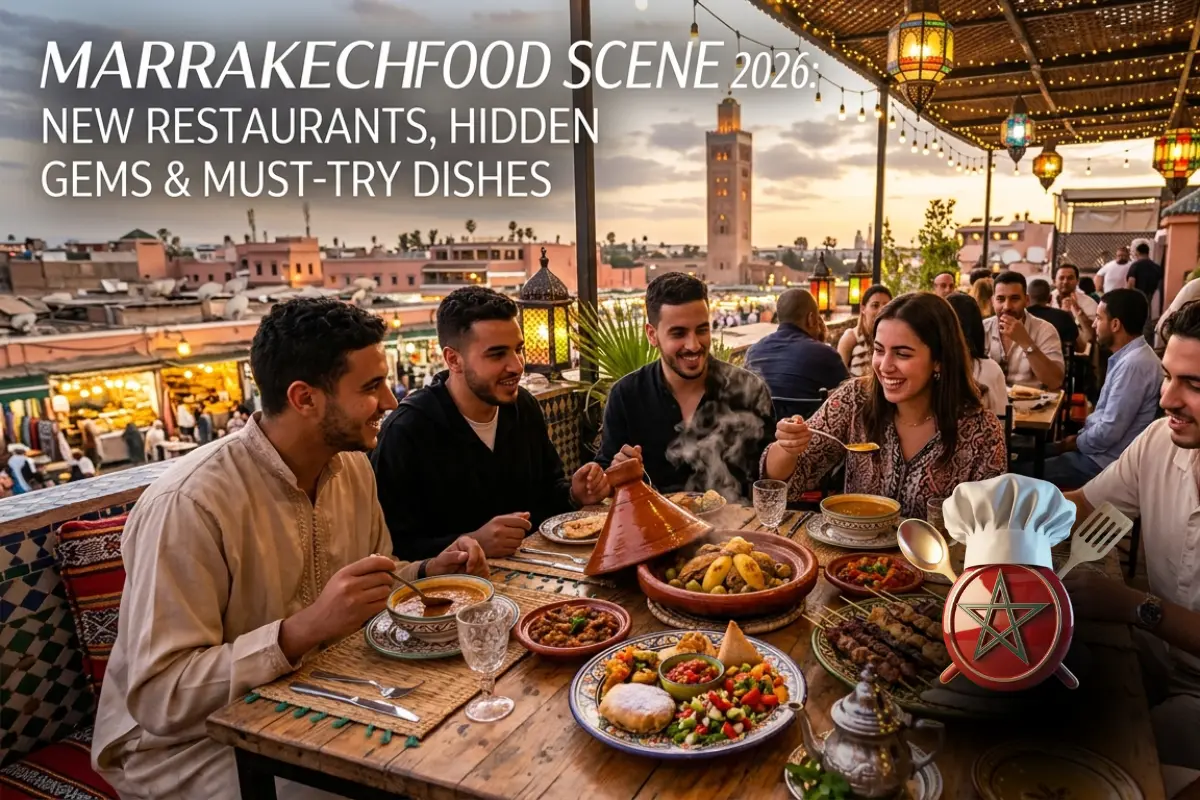
The Evolution of Marrakech's Culinary Landscape
Marrakech has always been a culinary crossroads where Berber, Arab, and Mediterranean influences converge to create something truly extraordinary. In 2026, this ancient city continues to honor its rich gastronomic heritage while embracing innovative approaches that appeal to both locals and international visitors. The food scene has experienced a remarkable transformation, with traditional family recipes being preserved alongside contemporary interpretations that showcase Morocco's evolving culinary identity.
The medina's narrow alleyways still echo with the sounds of tagine pots simmering and bread ovens crackling, but now they're joined by the gentle hum of modern kitchens where young Moroccan chefs are redefining what it means to cook authentically. This evolution hasn't diminished the city's commitment to traditional flavors; instead, it has created a dynamic food ecosystem where century-old techniques coexist with modern presentation and international accessibility.
For Western travelers, Marrakech in 2026 offers an unprecedented opportunity to experience Moroccan cuisine in all its forms. Whether you're seeking the authentic taste of a home-cooked meal in a local family's riad or the refined elegance of a Michelin-starred restaurant helmed by internationally trained chefs, the city delivers experiences that satisfy every palate and budget. The key is knowing where to look and understanding the cultural context that makes each dining experience special.
New Restaurant Openings That Are Redefining Moroccan Dining
The restaurant landscape in Marrakech has witnessed several exciting openings in 2026 that are capturing the attention of food enthusiasts worldwide. These establishments represent a new generation of Moroccan dining that respects tradition while embracing innovation, creating experiences that are both familiar and surprising.
La Rose du Désert: Modern Moroccan Elegance
Located in the prestigious Hivernage district, La Rose du Désert opened its doors in early 2026 under the guidance of Chef Aicha Benali, who trained at Le Cordon Bleu Paris before returning to her homeland to explore modern Moroccan cuisine. The restaurant occupies a beautifully restored 1920s villa, where traditional zellige tilework and carved cedar complement contemporary furniture and lighting design.
The menu at La Rose du Désert showcases refined versions of classic Moroccan dishes, with presentations that would feel at home in any major European city while maintaining the authentic flavors that define Moroccan cuisine. Their signature dish, a deconstructed pastilla featuring layers of phyllo pastry, spiced pigeon confit, and almond foam, has already become legendary among food critics visiting from international publications.
What sets La Rose du Désert apart is its commitment to sourcing ingredients from specific regions of Morocco, creating a menu that tells the story of the country's diverse terroir. Saffron comes exclusively from Taliouine, olives from the Atlas Mountains, and seafood arrives daily from Essaouira. This approach not only ensures exceptional quality but also supports traditional farming communities throughout Morocco.
Souk Stories: Contemporary Street Food Reimagined
In contrast to La Rose du Désert's refined approach, Souk Stories brings the vibrant energy of Marrakech's street food scene into a modern, comfortable setting. Located just outside the medina walls, this restaurant was created by a collective of young Moroccan entrepreneurs who wanted to make traditional street foods more accessible to international visitors while maintaining their authentic character.
The restaurant's open kitchen allows diners to watch as skilled cooks prepare everything from perfectly grilled brochettes to steaming bowls of harira soup. The atmosphere is casual and energetic, with communal tables encouraging conversation and shared meals that reflect the social nature of Moroccan dining culture.
Their tasting menu, called "A Journey Through the Souks," presents small plates representing different specialties found throughout Marrakech's various markets. Guests might start with miniature msemen flatbreads topped with aged cheese and honey from the Atlas Mountains, followed by perfectly seasoned kefta meatballs served with a modern interpretation of traditional tomato sauce infused with preserved lemons and fresh herbs.
Riad Fusion: Where Tradition Meets International Influence
Perhaps the most ambitious of 2026's new openings, Riad Fusion occupies a meticulously restored 18th-century riad in the heart of the medina. The restaurant's concept revolves around the historical reality of Marrakech as a trading hub where spices, techniques, and culinary ideas from across Africa, Europe, and Asia converged.
Chef Mohammed Tazi, who previously worked at restaurants in London, Tokyo, and São Paulo, has created a menu that traces these historical connections through contemporary dishes. His lamb tagine incorporates techniques learned during his time in Japan, resulting in incredibly tender meat that falls off the bone while maintaining the traditional flavor profile of Moroccan spices and preserved lemons.
The restaurant's signature cocktail program deserves special mention, featuring traditional Moroccan ingredients like argan oil, rose water, and various Atlas Mountain herbs in creative combinations with premium spirits. Their "Atlas Sunset" cocktail, made with locally distilled gin infused with juniper berries and Moroccan mint, has become a favorite among international visitors.
Hidden Gems: Local Favorites Away from Tourist Crowds
While the new restaurant openings capture headlines, some of Marrakech's most memorable dining experiences can be found in modest establishments that locals have cherished for generations. These hidden gems offer authentic tastes and cultural experiences that provide deeper insights into Moroccan food culture.
Chez Fatima: The Ultimate Neighborhood Gem
Tucked away in a residential area of Gueliz, Chez Fatima doesn't look like much from the outside – just a simple door with a small handwritten sign in Arabic and French. Inside, however, you'll find what many consider to be the best home-style Moroccan cooking in the city. Fatima Amellal has been cooking for her neighbors and a small group of regular customers for over thirty years, and her reputation has slowly spread through word of mouth.
The restaurant operates more like dining in someone's home than a traditional restaurant experience. There's no formal menu; instead, Fatima prepares whatever is freshest at the market that day, typically offering two or three options for the main course. Her lamb tajine with prunes and almonds is legendary among those who know about it, featuring meat so tender it requires no knife and a sauce that perfectly balances sweet and savory elements.
What makes Chez Fatima special goes beyond the food itself. Dining there provides an authentic glimpse into Moroccan hospitality and family-style eating. Meals begin with traditional mint tea and an assortment of small salads, followed by the main course served family-style with plenty of bread for sharing. The experience emphasizes conversation and connection, reflecting the social importance of meals in Moroccan culture.
Le Petit Souk: Traditional Recipes in an Intimate Setting
Hidden down a narrow alley in the medina, Le Petit Souk occupies the ground floor of a traditional riad that has been in the same family for over a century. The current owner, Youssef Ben Ahmed, learned to cook from his grandmother and maintains her recipes exactly as she taught them, using traditional techniques and refusing to make concessions to tourist expectations.
The restaurant specializes in dishes that are beloved by Moroccans but rarely found in tourist-oriented establishments. Their rfissa, a complex dish of chicken, lentils, and torn msemen bread seasoned with fenugreek and other spices, represents the kind of comfort food that Moroccan families prepare for special occasions. The preparation requires hours of slow cooking, and the result is a deeply satisfying dish that showcases the sophisticated flavor combinations that characterize authentic Moroccan cuisine.
Another specialty is their mechoui, slow-roasted lamb that's traditionally prepared in communal ovens throughout Moroccan neighborhoods. The meat is rubbed with a blend of spices including cumin, coriander, and preserved lemon, then cooked slowly until it develops a crispy exterior while remaining incredibly tender inside. It's served simply with fresh bread and a selection of traditional salads, allowing the quality of the meat and the skill of the preparation to shine.
Café Atlas: More Than Just Coffee
Located in the newer part of the city, Café Atlas might seem like an ordinary neighborhood coffee shop, but it serves some of the best traditional Moroccan breakfast and light meals in the city. The café is popular with local businesspeople, students, and families, creating an atmosphere that's authentically Moroccan rather than designed for tourists.
Their msemen, the layered flatbread that's a staple of Moroccan breakfasts, is prepared fresh throughout the morning by skilled cooks who stretch the dough paper-thin before folding it into squares and cooking it on a griddle until golden and crispy. Served with honey, jam, or cheese, it provides a perfect introduction to one of Morocco's most beloved foods.
The café also excels at traditional egg preparations, particularly their version of menemen, scrambled eggs cooked with tomatoes, peppers, and spices. Their interpretation includes preserved lemons and fresh herbs that add distinctly Moroccan flavors to this simple but satisfying dish. Paired with their excellent coffee, which is prepared Turkish-style and served strong and sweet, it makes for a memorable breakfast experience.
Must-Try Traditional Dishes: A Culinary Journey Through Morocco
Understanding Moroccan cuisine requires familiarity with its signature dishes, each of which tells a story about the country's history, geography, and cultural influences. For Western visitors, these dishes offer an opportunity to experience flavors and cooking techniques that are fundamentally different from European or American cuisine, while being approachable enough to appeal to adventurous eaters.
Tagines: The Heart of Moroccan Cooking
No discussion of Moroccan cuisine can begin anywhere other than with tagines, the slow-cooked stews that are named after the conical earthenware vessels in which they're prepared. The unique shape of the tagine pot creates a natural circulation system where steam rises to the pointed lid, condenses, and falls back into the dish, keeping ingredients moist while concentrating flavors.
Traditional tagines follow specific regional patterns that reflect local ingredients and preferences. In Marrakech, the most common varieties include chicken with preserved lemons and olives, lamb with prunes and almonds, and beef with vegetables. Each represents a different approach to balancing the fundamental Moroccan taste profile, which typically combines sweet and savory elements with aromatic spices and herbs.
The chicken tagine with preserved lemons and olives showcases the Moroccan mastery of fermentation and preservation techniques. The preserved lemons, which are cured in salt for weeks until they develop a unique tangy, intensely lemony flavor, provide a bright counterpoint to the rich chicken and the briny olives. Seasoned with ginger, saffron, and cilantro, this dish represents the sophisticated balance that characterizes the best Moroccan cooking.
Lamb tagines typically incorporate dried fruits like prunes, apricots, or dates, creating sweet and savory combinations that might seem unusual to Western palates but represent centuries of culinary evolution. The sweetness of the fruit balances the rich, sometimes gamey flavor of the lamb, while spices like cinnamon, ginger, and ras el hanout (a complex spice blend) add warmth and complexity.
Couscous: The National Dish
Couscous holds a special place in Moroccan culture as the traditional Friday meal, when families gather to share this labor-intensive dish that requires hours of careful preparation. Traditional couscous involves steaming tiny semolina granules multiple times while preparing an elaborate stew of vegetables, meat, and aromatic broth.
The preparation of authentic couscous is considered an art form, requiring skill and patience to achieve the proper texture where each grain remains separate and fluffy. The semolina is first moistened with salted water, then worked by hand to form small, uniform granules. These are steamed in a special pot called a couscoussier, which allows steam from the simmering stew below to cook the grains gradually.
Regional variations of couscous reflect local ingredients and preferences. In Marrakech, seven-vegetable couscous is particularly popular, featuring seasonal vegetables like turnips, carrots, zucchini, cabbage, and chickpeas, along with tender pieces of lamb or chicken. The resulting dish is both nutritious and satisfying, with each component contributing distinct flavors and textures to the overall composition.
For Western visitors, experiencing properly prepared couscous provides insight into the communal nature of Moroccan dining. The dish is traditionally served on large communal plates, with diners using bread or their hands to take portions from the sections closest to them. This eating style encourages conversation and sharing, reflecting the social importance of meals in Moroccan culture.
Pastilla: A Masterpiece of Moroccan Pastry
Perhaps no dish better demonstrates the sophistication of Moroccan cuisine than pastilla, a complex pastry that combines savory and sweet elements in layers of paper-thin phyllo dough. Traditionally prepared for special occasions, pastilla represents hours of careful preparation and showcases techniques that date back to the medieval period when Moorish cooks developed elaborate dishes for royal courts.
The classic pigeon pastilla begins with whole pigeons that are slowly braised with onions, parsley, cilantro, and spices until the meat becomes tender enough to shred by hand. The cooking liquid is reduced and thickened with eggs to create a rich, flavorful base. Meanwhile, almonds are blanched, ground, and mixed with sugar and cinnamon to create a sweet layer that will contrast with the savory meat.
Assembly requires considerable skill, as multiple layers of phyllo pastry are brushed with butter and arranged to create a large, round pie. The meat mixture goes in the center, followed by the sweet almond mixture, then more layers of pastry on top. The finished pastilla is baked until golden brown and crispy, then dusted with powdered sugar and cinnamon before serving.
Modern variations include chicken or seafood pastillas that are more readily available in restaurants, but the traditional pigeon version remains the gold standard. For Western diners, pastilla provides an introduction to the Moroccan principle of combining sweet and savory flavors in ways that might seem unusual but create harmonious and memorable taste experiences.
Street Food Culture: Authentic Flavors at Every Corner
Marrakech's street food scene offers some of the most authentic and affordable culinary experiences in the city. From the famous Djemaa el-Fna square to neighborhood markets throughout the city, street vendors serve traditional foods that have sustained locals for generations while providing visitors with accessible introductions to Moroccan flavors.
Djemaa el-Fna: The Ultimate Food Theater
As evening approaches, Djemaa el-Fna square transforms into one of the world's great street food destinations. Dozens of food stalls set up their operations, creating a bustling outdoor restaurant where the entertainment is as important as the food itself. For Western visitors, this nightly transformation provides an unforgettable introduction to Moroccan street food culture.
The harira soup stalls are among the most popular, serving steaming bowls of the traditional soup that Moroccans use to break their fast during Ramadan. Made with tomatoes, lentils, chickpeas, and meat, and flavored with ginger, cinnamon, and fresh herbs, harira is both nutritious and deeply satisfying. Street vendors serve it with dates and chebakia, honey-soaked pastries that provide a sweet counterpoint to the savory soup.
Grilled meat stalls offer various types of brochettes, from simple beef and lamb skewers to more adventurous options like liver and kidney. The meats are seasoned with traditional spice blends and grilled over charcoal, creating smoky flavors that pair perfectly with fresh bread and simple salads. These stalls provide an excellent introduction to Moroccan spice combinations for visitors who want to experience authentic flavors in familiar formats.
The snail soup vendors represent one of the more unique aspects of Djemaa el-Fna's food scene. Small snails are cooked in a spiced broth that typically includes anise, thyme, and other medicinal herbs. Locals consider snail soup to have health benefits, particularly during cold weather, and the vendors serve it in small bowls with toothpicks for extracting the snails from their shells.
Neighborhood Markets: Hidden Street Food Treasures
Beyond the tourist-focused stalls of Djemaa el-Fna, Marrakech's neighborhood markets offer street food experiences that are more authentically local. These markets serve residents of specific neighborhoods, creating opportunities for visitors to experience food culture from a local perspective.
The bread vendors found throughout these markets sell various types of traditional Moroccan bread, each suited to specific purposes. Khubz, the round flatbread that accompanies most meals, is baked fresh throughout the day in communal ovens that serve entire neighborhoods. Msemen, the layered flatbread popular for breakfast, is often prepared to order on portable griddles, allowing customers to watch the skilled stretching and folding techniques that create its characteristic layers.
Olive vendors represent another important component of neighborhood markets, offering dozens of varieties that showcase Morocco's position as one of the world's great olive-producing regions. From tiny black olives cured in salt to large green olives stuffed with preserved lemons, these vendors provide opportunities to taste varieties that are rarely exported and represent centuries of cultivation and preservation techniques.
The fresh juice stands found in neighborhood markets serve combinations that reflect Moroccan preferences and seasonal availability. Orange juice mixed with grapefruit is particularly popular, as is avocado juice mixed with milk and sugar. These combinations might seem unusual to Western visitors but represent refreshing alternatives to the more familiar single-fruit juices commonly available elsewhere.
Dining Etiquette and Cultural Insights for Western Visitors
Understanding Moroccan dining customs and etiquette enhances the culinary experience while showing respect for local culture. For Western visitors, some of these customs might seem unfamiliar, but embracing them provides deeper cultural understanding and often leads to more authentic and memorable experiences.
Traditional Meal Structure and Timing
Moroccan meals follow patterns that reflect both Islamic customs and traditional social structures. Breakfast is typically light, consisting of bread with olive oil, honey, or jam, accompanied by mint tea or coffee. The main meal of the day is lunch, which often begins around 1 PM and can extend for several hours, especially on weekends and holidays.
Dinner in Morocco is typically served later than Western visitors might expect, often beginning around 8 or 9 PM. This timing allows for the heat of the day to subside and creates opportunities for extended social interaction that is central to Moroccan culture. For visitors accustomed to earlier dinner times, adjusting to this schedule can actually enhance the travel experience by aligning with local rhythms.
Traditional Moroccan meals begin with multiple small salads and appetizers, followed by the main course, and conclude with mint tea and sometimes pastries or fruit. This structure encourages slow, social eating that prioritizes conversation and relationship-building over quick consumption. Understanding this pacing helps Western visitors appreciate the cultural values embedded in Moroccan dining customs.
Proper Eating Techniques and Table Manners
Many traditional Moroccan dishes are eaten by hand using bread as both utensil and accompaniment. This eating style requires some technique but becomes natural with practice. Bread is torn into small pieces and used to scoop up food, particularly from communal dishes like tagines and couscous.
When eating from communal dishes, proper etiquette requires taking food only from the section directly in front of you, rather than reaching across to other areas of the plate. This custom reflects both practical hygiene considerations and social codes that emphasize respect for others at the table. The host or eldest person at the table often serves choice pieces of meat to guests, which should be accepted graciously.
Hand washing before and after meals is an important ritual that reflects both religious customs and practical hygiene. Many restaurants provide rose or orange blossom water for this purpose, and participating in this ritual shows cultural awareness and respect. In traditional settings, the washing is performed at the table, with one person pouring water from a decorative pitcher while others wash their hands over a basin.
Religious and Cultural Considerations
Morocco is a Muslim-majority country, and Islamic customs influence dining culture in ways that Western visitors should understand and respect. Pork is not consumed, and alcohol is not widely available, particularly in traditional restaurants and during religious periods like Ramadan.
During Ramadan, the month of fasting, restaurant schedules and food culture change significantly. Many restaurants close during daylight hours, while others adapt their menus and timing to accommodate fasting schedules. For visitors traveling during Ramadan, this provides opportunities to experience iftar, the evening meal that breaks the fast, which often becomes a community celebration.
The concept of hospitality, or "karam," is fundamental to Moroccan culture and influences every dining experience. Guests are considered blessed, and refusing offered food or drink can be seen as disrespectful. Western visitors should be prepared for generous hospitality and should graciously accept at least small portions of offered items, even if they're not particularly hungry.
| Dining Situation | Appropriate Behavior | What to Avoid |
|---|---|---|
| Traditional Family Meal | Wait to be seated, accept offered food graciously, eat with right hand | Refusing food entirely, eating with left hand, showing soles of feet |
| Restaurant Dining | Greet staff politely, be patient with service, tip modestly | Rushing meals, comparing to Western standards, excessive displays of wealth |
| Street Food | Observe hygiene standards, ask about ingredients if needed | Photographing vendors without permission, haggling over prices |
| Religious Occasions | Dress modestly, respect fasting schedules, participate in customs | Eating publicly during Ramadan daylight hours, inappropriate clothing |
Seasonal Specialties and Market Fresh Ingredients
Moroccan cuisine is deeply connected to seasonal rhythms and local agriculture, creating a calendar of specialties that reflect the country's diverse climate and agricultural regions. Understanding these seasonal patterns helps visitors time their travels to experience specific dishes at their peak and provides insights into the relationship between Moroccan food culture and the natural environment.
Spring Delicacies: Fresh Herbs and Early Vegetables
Spring in Marrakech brings an explosion of fresh herbs and tender vegetables that transform the city's markets and restaurant menus. This season, roughly from March through May, represents one of the best times for food-focused travel, as ingredients are at their most vibrant and flavorful.
Fresh fava beans, called "fool" in Arabic, become a obsession during spring months. These large, tender beans are prepared in various ways, from simple steaming with salt and cumin to elaborate tagines that combine them with artichokes and preserved lemons. The beans are often eaten directly from the pod as a snack, seasoned only with coarse salt and eaten while still warm.
Artichokes appear in markets throughout spring, typically prepared in tagines with chicken or lamb, or stuffed with rice and herbs. Moroccan cooks prize the tender hearts and often preserve artichokes in olive oil and lemon to extend their availability beyond the spring season. Their slightly bitter flavor pairs beautifully with the preserved lemons and olives that are staples of Moroccan cuisine.
The herb markets become particularly spectacular during spring months, with vendors selling enormous bunches of cilantro, parsley, mint, and dill. These herbs are essential to Moroccan cooking, providing fresh, bright flavors that balance the warm spices used in many dishes. Spring herbs are notably more intense and aromatic than those available during other seasons, making spring tagines and salads particularly memorable.
Summer Abundance: Fruits and Cooling Dishes
Summer in Marrakech can be intensely hot, and traditional cuisine adapts with dishes designed to provide refreshment and nutrition without being overly heavy. This seasonal adaptation demonstrates the practical wisdom embedded in traditional food culture.
Watermelons become ubiquitous during summer months, eaten fresh as a cooling snack and incorporated into salads and beverages. Moroccan watermelon salad typically includes feta cheese, mint, and a light vinaigrette, creating a refreshing dish that provides hydration and nutrients during hot weather. Street vendors serve fresh watermelon juice mixed with a hint of orange blossom water, creating a refreshing drink that's both cooling and aromatic.
Tomatoes reach their peak during summer months, and Moroccan cooks take full advantage of this abundance. Fresh tomato salads seasoned with onions, herbs, and olive oil become daily staples, while tomato-based tagines showcase the fruit's natural sweetness and acidity. Sun-dried tomatoes prepared during peak summer are preserved for use throughout the year.
Cold soups and gazpachos, influenced by historical connections with Andalusia, provide cooling relief during the hottest months. These dishes typically combine tomatoes, cucumbers, and herbs with olive oil and vinegar, creating refreshing meals that require no cooking and provide essential nutrients and hydration.
Autumn Harvests: Nuts, Dates, and Preserved Foods
Autumn brings the harvest of nuts, dates, and olives that form the foundation of many Moroccan dishes. This season represents a time of abundance and preservation, when traditional techniques for storing food throughout the year come into full practice.
Date harvests begin in September and continue through November, with different varieties ripening at different times. Fresh dates, which are rarely available outside of growing regions, provide intense sweetness and complex flavors that distinguish them from the dried versions more commonly known internationally. Fresh dates are often stuffed with nuts and served as desserts, or incorporated into tagines where their natural sugars balance savory elements.
Olive harvests create a festival atmosphere in markets throughout autumn. New olive oil, pressed from the first harvest, has a bright, peppery flavor that's prized for finishing dishes and making salads. Different olive varieties are processed for eating, from small black olives that are salt-cured to large green olives that are stuffed with preserved lemons or hot peppers.
Nut harvests bring fresh almonds, walnuts, and pistachios to markets, where they're sold both fresh and prepared in traditional ways. Fresh almonds, still in their fuzzy green hulls, provide a completely different eating experience from dried almonds, with a creamy texture and delicate flavor. These nuts are essential ingredients in many traditional pastries and are often served as accompaniments to mint tea.
Winter Comfort: Hearty Stews and Warming Spices
Winter cuisine in Marrakech emphasizes warming spices and hearty preparations that provide comfort during cooler months. While Marrakech's winters are mild by international standards, traditional cuisine includes dishes specifically designed for cold weather.
Harira soup becomes particularly popular during winter months, with vendors and restaurants preparing richer, more substantial versions that include additional vegetables and meat. The warming spices in harira, including ginger, cinnamon, and black pepper, provide internal heat that's particularly appreciated during cool evenings.
Preserved meat preparations, including khlii (Moroccan confit), become more common during winter months. These protein-rich foods provide sustained energy and showcase traditional preservation techniques that allowed nomadic and rural populations to maintain nutrition during times when fresh meat was less available.
Hot beverages beyond the ubiquitous mint tea become popular, including spiced coffee preparations and herbal teas made from medicinal plants. These warming drinks often incorporate honey, cinnamon, and other spices believed to have health benefits during cold weather.
| Season | Key Ingredients | Signature Dishes | Best Markets |
|---|---|---|---|
| Spring (Mar-May) | Fava beans, artichokes, fresh herbs, spring onions | Fava bean tagine, artichoke and chicken tagine, fresh herb salads | Mellah Market, Bab el Khemis |
| Summer (Jun-Aug) | Watermelons, tomatoes, cucumbers, fresh fruits | Watermelon salad, cold soups, fresh fruit juices | Central Market, neighborhood souks |
| Autumn (Sep-Nov) | Dates, olives, nuts, new olive oil | Date and nut pastries, new olive tastings, preserved preparations | Date cooperative, olive oil producers |
| Winter (Dec-Feb) | Citrus fruits, preserved meats, warming spices | Rich harira, khlii preparations, spiced beverages | Medina souks, spice markets |
Wine and Beverage Pairings: Beyond Mint Tea
While mint tea remains the quintessential Moroccan beverage, the country's drink culture includes a variety of traditional and modern options that complement different foods and occasions. Understanding these beverages and their appropriate pairings enhances dining experiences and provides insights into Moroccan social customs.
Traditional Non-Alcoholic Beverages
Mint tea, or "atay," holds a sacred place in Moroccan culture and follows specific preparation rituals that are as important as the taste itself. Proper mint tea requires green tea, fresh spearmint, and sugar, brewed in a silver teapot and poured from a height to create the characteristic foam that indicates quality preparation. The tea is traditionally served in three glasses, with each serving having a distinct character: the first bitter like life, the second sweet like love, and the third gentle like death.
Coffee culture in Morocco reflects historical connections with both African and Middle Eastern traditions. Moroccan coffee is typically prepared Turkish-style, ground very fine and boiled with sugar to create a strong, sweet beverage served in small glasses. Some regions add spices like cardamom or cinnamon, creating aromatic variations that pair well with traditional pastries.
Fresh fruit juices represent another important category of Moroccan beverages, with combinations that might seem unusual to Western palates but reflect local tastes and nutritional wisdom. Orange juice mixed with carrot provides vitamin C and beta-carotene, while avocado juice mixed with milk and dates creates a protein-rich drink that serves almost as a meal. These combinations demonstrate the Moroccan approach to beverages as functional nutrition rather than simple refreshment.
Lben, a traditional buttermilk drink, provides probiotics and cooling refreshment, particularly during hot weather. Often served slightly salted, lben aids digestion and complements spicy foods. Traditional preparation involves churning whole milk in goatskin bags, though modern versions are typically made using conventional dairy processing methods.
Moroccan Wine: A Hidden Treasure
Morocco has a long winemaking history that dates back to Phoenician times, and modern Moroccan wines represent some of North Africa's finest productions. The country's diverse climate zones, from coastal regions to high-altitude valleys, create terroir suitable for both international grape varieties and indigenous cultivars.
The Meknes region, located in the Middle Atlas Mountains, produces some of Morocco's most acclaimed wines, including both reds and whites that pair excellently with Moroccan cuisine. Red wines made from Cabernet Sauvignon and Merlot grapes develop complex flavors in Morocco's climate, with enough structure to complement rich tagines and grilled meats while maintaining the fruit character that balances Moroccan spices.
Moroccan rosé wines have gained particular recognition for their food-friendly character and their natural pairing with the country's cuisine. These wines typically offer bright acidity and fresh fruit flavors that complement both spicy dishes and the herb-heavy salads that begin most Moroccan meals. The dry rosés from the Casablanca region work particularly well with seafood dishes and lighter tagines.
White wines from Morocco, while less common than reds, include some interesting varieties that showcase the country's winemaking potential. Wines made from international varieties like Chardonnay and Sauvignon Blanc are joined by indigenous varieties that produce unique flavors not found elsewhere. These wines often display mineral qualities that reflect Morocco's diverse geological formations.
Modern Cocktail Culture
Marrakech's modern restaurant scene includes sophisticated cocktail programs that incorporate traditional Moroccan ingredients in creative ways. These cocktails represent a fusion of international mixology techniques with local flavors and ingredients, creating drinks that are both familiar and distinctly Moroccan.
Argan oil, Morocco's liquid gold, appears in several signature cocktails where its nutty flavor adds complexity without overwhelming other ingredients. Bartenders use small amounts of argan oil to add texture and flavor to whiskey-based cocktails, creating drinks that taste distinctly Moroccan while remaining approachable to international palates.
Rose water and orange blossom water, traditional ingredients in Moroccan pastries and desserts, provide floral notes in contemporary cocktails. These ingredients require careful handling, as their intense flavors can easily overpower other components, but when used skillfully they create memorable drinks that evoke the sensory experience of Moroccan gardens and traditional sweets.
Traditional Moroccan mint provides the base for various cocktail interpretations of mint tea, often combined with premium spirits and served in traditional tea glasses to maintain cultural connections. These drinks bridge the gap between traditional Moroccan hospitality and contemporary dining expectations.
Shopping for Ingredients: Markets and Specialty Stores
For visitors interested in cooking Moroccan food themselves or taking authentic ingredients home, Marrakech offers numerous markets and specialty stores where traditional ingredients can be purchased. Understanding where to shop and what to look for ensures quality purchases while supporting local producers and traditional food systems.
The Spice Markets: Heart of Moroccan Flavor
The spice souks in Marrakech's medina represent one of the world's great spice markets, where vendors sell both common and exotic spices, spice blends, and medicinal herbs. These markets provide opportunities to purchase the highest quality spices while learning about their uses from knowledgeable vendors who often represent generations of spice trading families.
Ras el hanout, the complex spice blend that's essential to many Moroccan dishes, varies from vendor to vendor, with each family maintaining secret recipes passed down through generations. Quality ras el hanout contains dozens of ingredients, including rose petals, lavender, and various exotic spices that create unique flavor profiles. Purchasing directly from spice vendors allows for tasting different blends and selecting ones that suit personal preferences.
Saffron represents one of the most important and expensive spices in Moroccan cuisine, and the spice markets offer opportunities to purchase authentic Moroccan saffron directly from the Taliouine region where it's grown. Quality saffron should have deep red threads with minimal yellow parts and should be sold in small quantities due to its intensity and value. Vendors often allow customers to smell and examine saffron before purchasing.
Preserved lemons, while available for purchase, are often sold as a paste or in prepared forms that might not travel well. However, the salt and technique for making preserved lemons can be purchased, along with instructions for home preparation. Many spice vendors also sell the special coarse salt traditionally used for preservation.
Olive Oil Cooperatives and Producers
Morocco produces some of the world's finest olive oils, and visiting production cooperatives provides opportunities to taste and purchase oils directly from producers. These visits offer insights into traditional production methods while ensuring the authenticity and quality of purchased products.
The Essaouira region, accessible as a day trip from Marrakech, produces distinctive olive oils with characteristics influenced by coastal climate and traditional production methods. Many cooperatives welcome visitors for tastings and provide information about their production processes, including the traditional stone mills still used by some producers.
Argan oil, unique to Morocco, is produced by women's cooperatives throughout the Argania forests south of Marrakech. Visiting these cooperatives provides opportunities to observe traditional production methods and purchase authentic argan oil directly from producers. Quality argan oil for culinary use should have a golden color and nutty aroma, distinct from cosmetic versions that are processed differently.
Quality olive oils should be tasted before purchase when possible, as flavor profiles vary significantly based on olive varieties, production methods, and storage conditions. Look for oils with clear labeling indicating production dates and specific regions or cooperatives of origin.
Traditional Food Markets and Vendors
Beyond the tourist-oriented souks, Marrakech's neighborhood food markets provide access to everyday ingredients used by local cooks. These markets offer opportunities to observe how Moroccans shop for food while purchasing high-quality ingredients for cooking.
Fresh herb vendors in neighborhood markets sell enormous bunches of cilantro, parsley, and mint that are essential to Moroccan cooking. These herbs are typically much fresher and more aromatic than those available in tourist areas, and vendors often provide advice about storage and use. Purchasing herbs from neighborhood markets also provides opportunities to observe local shopping patterns and interact with vendors who serve primarily Moroccan customers.
Dried fruit and nut vendors offer varieties that might not be available elsewhere, including specific date varieties, traditional dried fruit preparations, and nuts prepared according to local preferences. These vendors often allow tasting before purchase and can provide information about the origins and characteristics of different products.
Traditional bread vendors sell various types of Moroccan bread, from the round khubz that accompanies most meals to specialty breads used for specific purposes. While bread doesn't travel well, observing bread markets provides insights into the variety and importance of bread in Moroccan cuisine.
Food Tours and Culinary Experiences
Organized food tours and culinary experiences provide structured ways to explore Marrakech's food scene while learning about cultural contexts and culinary techniques. These experiences range from basic walking tours that introduce major dishes to intensive cooking classes that teach traditional preparation methods.
Walking Food Tours: Introduction to Moroccan Cuisine
Walking food tours provide efficient introductions to Marrakech's food scene, typically covering multiple neighborhoods and food types in half-day or full-day experiences. The best tours are led by local guides who can provide cultural context and language assistance while facilitating authentic interactions with vendors and restaurant owners.
Medina food tours typically focus on traditional foods and street vendors, providing opportunities to taste harira soup, various types of bread, traditional sweets, and mint tea while learning about their cultural significance. These tours often include visits to spice markets where guides explain the uses of different spices and help navigate the sometimes overwhelming sensory experience of these traditional markets.
Modern city tours might include both traditional markets and contemporary restaurants, providing contrasts between old and new approaches to Moroccan cuisine. These tours work well for visitors who want to understand how Moroccan food culture is evolving while maintaining connections to traditional practices.
Evening food tours that focus on Djemaa el-Fna provide opportunities to experience the square's transformation into a food destination while learning about the social and cultural significance of street food in Moroccan urban life. These tours typically include dinner at multiple stalls, allowing participants to compare different vendors and dishes.
Cooking Classes: Hands-On Learning
Cooking classes provide deeper understanding of Moroccan cuisine by teaching traditional techniques and ingredient combinations. The best classes begin with market visits where participants learn to select ingredients, followed by hands-on preparation and shared meals that emphasize the social aspects of Moroccan dining.
Traditional riad cooking classes offer intimate experiences in authentic settings, often including preparation of complete meals with multiple courses. These classes typically focus on fundamental dishes like tagines, couscous, and traditional salads, providing skills that participants can replicate at home. Many classes also include bread-making, which requires specific techniques that benefit from hands-on instruction.
Specialty classes might focus on specific aspects of Moroccan cuisine, such as pastry-making classes that teach the complex techniques required for pastilla and traditional sweets, or spice blend classes that explain the composition and uses of various spice combinations. These specialized experiences work well for participants with specific interests or previous experience with Moroccan cooking.
Family-style cooking experiences that take place in private homes provide the most authentic cultural experiences, as participants learn not just cooking techniques but also the social customs and family traditions that surround food preparation and consumption in Moroccan culture. These experiences often include multiple generations of family members and emphasize the transmission of culinary knowledge within families.
Professional Culinary Programs
For serious culinary enthusiasts, Marrakech offers professional-level culinary programs that provide intensive instruction in traditional Moroccan cooking techniques. These programs, which can range from several days to several weeks, are designed for chefs, culinary students, and serious home cooks who want comprehensive understanding of Moroccan cuisine.
Professional programs typically include extensive market education, covering ingredient selection, seasonal availability, and quality assessment. Participants learn to identify different spice qualities, select appropriate cuts of meat for specific dishes, and understand the regional variations that influence ingredient choices.
Advanced technique instruction covers complex preparations like proper tagine cooking, traditional couscous preparation, and the intricate pastry techniques required for dishes like pastilla. These programs often include instruction in traditional preservation methods, spice blend preparation, and the cultural contexts that influence menu planning and meal structure.
Some programs include stages (internships) in professional kitchens, allowing participants to observe restaurant-level preparation while contributing to actual meal service. These experiences provide insights into how traditional techniques are adapted for commercial food service while maintaining authenticity and quality.
Frequently Asked Questions
What is the best time of year to visit Marrakech for food experiences?
The best time for food-focused travel to Marrakech is during spring (March-May) and autumn (September-November) when temperatures are comfortable and seasonal ingredients are at their peak. Spring offers fresh herbs and vegetables, while autumn brings olive harvests and new olive oil. These seasons also coincide with more comfortable weather for exploring markets and street food scenes. Winter can also be excellent for experiencing warming dishes and holiday specialties, though some seasonal ingredients may be less available.
Are there vegetarian and vegan options in Moroccan cuisine?
Moroccan cuisine includes many naturally vegetarian dishes, though strict vegans may face some challenges as dairy products and eggs are common ingredients. Traditional vegetable tagines, couscous with seven vegetables, and various legume-based dishes provide substantial vegetarian options. Many traditional salads are naturally vegan, and fresh bread is typically made without animal products. However, many dishes traditionally include small amounts of meat for flavoring, so it's important to communicate dietary restrictions clearly when ordering.
How much should I expect to spend on food in Marrakech?
Food costs in Marrakech vary dramatically depending on dining choices. Street food and local restaurants can provide substantial meals for $3-8 USD, while mid-range restaurants typically charge $15-25 USD per person for complete meals. High-end restaurants and tourist-oriented establishments may charge $40-80 USD per person. Food tours typically range from $30-60 USD per person depending on duration and inclusions. Shopping for ingredients at local markets is quite affordable, with most spices, olives, and other specialties costing significantly less than international prices.
Is it safe to eat street food in Marrakech?
Street food in Marrakech is generally safe when purchased from busy vendors with high turnover, as this ensures freshness. Look for stalls that are crowded with locals, as this indicates both quality and safety. Hot, freshly prepared foods are safest, while items that have been sitting at room temperature should be approached with caution. Bottled water is recommended for drinking, though most restaurants and established vendors use safe water for cooking. Gradually introducing your system to new flavors and ingredients can help prevent digestive issues.
What food souvenirs should I bring home from Marrakech?
The best food souvenirs from Marrakech include high-quality spices (especially ras el hanout and saffron), argan oil from certified cooperatives, preserved lemons (or ingredients to make them), traditional tea glasses and teapots, and Moroccan honey. Dried fruits and nuts travel well and represent local varieties that may not be available elsewhere. Avoid liquid items if flying, and check customs regulations for your destination country regarding food imports. Purchase spices and other dry goods from reputable vendors and store them properly to maintain quality during transport.
Conclusion: Embracing Marrakech's Culinary Future
Marrakech in 2026 represents a culinary destination that successfully bridges its rich traditional heritage with contemporary innovations that appeal to international visitors while maintaining authentic character. The city's food scene offers experiences ranging from street food adventures that cost just a few dollars to sophisticated dining experiences that rival the world's great culinary capitals, all unified by the distinctive flavors and hospitality that define Moroccan culture.
For Western visitors, Marrakech provides an accessible introduction to North African and Islamic food cultures that might otherwise seem foreign or intimidating. The city's tourism infrastructure supports food-focused travel while the genuine warmth of Moroccan hospitality ensures that culinary exploration becomes cultural exchange. Whether sampling traditional tagines in family-run restaurants, learning cooking techniques in hands-on classes, or discovering innovative interpretations of classic dishes in contemporary establishments, visitors leave with expanded palates and deeper cultural understanding.
The evolution of Marrakech's food scene reflects broader changes in global cuisine, where traditional knowledge is being preserved and celebrated rather than abandoned in favor of international standardization. Young Moroccan chefs are returning from international training to explore their culinary heritage with fresh perspectives, creating a dynamic food culture that honors the past while embracing the future. This evolution ensures that Marrakech will continue to surprise and delight food-loving travelers for generations to come, maintaining its position as one of the world's great culinary destinations.