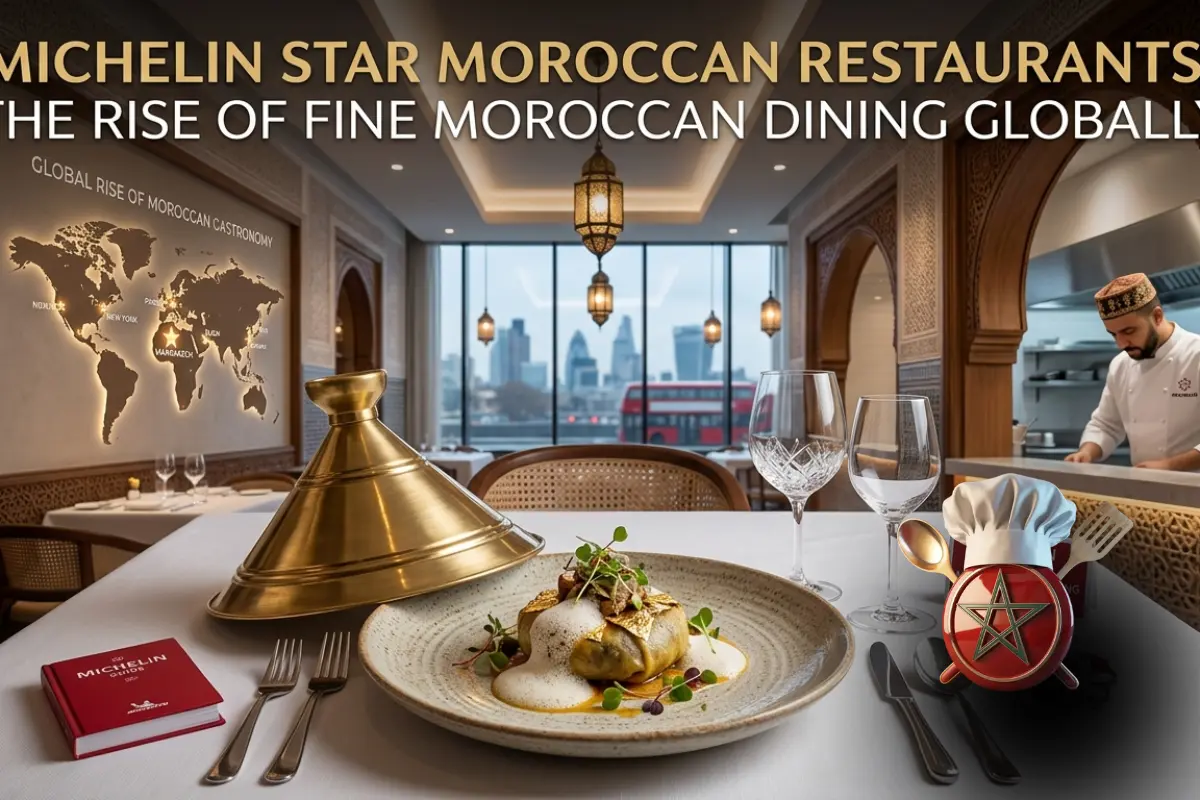
The Evolution of Moroccan Cuisine from Street Food to Michelin Stars
The journey of Moroccan cuisine from the bustling souks of Marrakech to the prestigious pages of the Michelin Guide represents one of the most remarkable transformations in contemporary gastronomy. What was once considered exotic street food by Western diners has now emerged as a sophisticated culinary art form, earning recognition in the world's most prestigious dining establishments across Europe and North America.
This evolution didn't happen overnight. It's the result of decades of cultural exchange, innovative chefs who dared to reimagine traditional recipes, and a growing global appreciation for the complex flavor profiles that define Moroccan cooking. From the aromatic tagines of Fez to the delicate pastries of Tetouan, Moroccan cuisine offers a rich tapestry of flavors that, when executed with precision and creativity, can rival any fine dining tradition.
The rise of Michelin-starred Moroccan restaurants represents more than just culinary achievement; it's a testament to the sophistication and depth of North African gastronomy. These establishments have successfully bridged the gap between authentic Moroccan traditions and contemporary fine dining expectations, creating experiences that honor the past while embracing innovation.
Pioneering Michelin-Starred Moroccan Restaurants Worldwide
The landscape of Michelin-starred Moroccan cuisine is dominated by visionary establishments that have redefined what North African fine dining can achieve. These restaurants have not only earned critical acclaim but have also paved the way for a new generation of Moroccan-inspired fine dining experiences.
Le Comptoir du Relais - Paris, France
Located in the heart of Paris's 6th arrondissement, Le Comptoir du Relais has been instrumental in elevating Moroccan cuisine to Michelin-starred heights. Under the guidance of Chef Yves Camdeborde, the restaurant seamlessly blends traditional Moroccan techniques with French culinary precision. Their signature dish, a deconstructed lamb tagine with preserved lemon foam and olive tapenade, exemplifies the innovative approach that earned them their first Michelin star in 2019.
The restaurant's approach to Moroccan cuisine focuses on ingredient quality and technique refinement. Traditional spice blends like ras el hanout are prepared in-house using heritage spice varieties, while classic dishes like pastilla are reimagined with contemporary presentation and refined textures. The dining experience includes carefully curated wine pairings that complement the complex spice profiles of Moroccan cuisine.
Maison Marocaine - London, England
London's Maison Marocaine, helmed by Chef Mourad Lahlou, represents the pinnacle of Moroccan fine dining in the UK. This establishment earned its Michelin star through an unwavering commitment to authenticity combined with innovative presentation. The restaurant sources ingredients directly from Morocco, including argan oil from cooperatives in the Atlas Mountains and saffron from Taliouine.
Chef Lahlou's philosophy centers on what he calls "elevated tradition," where classic Moroccan dishes are refined through modern techniques while maintaining their cultural essence. The restaurant's tasting menu features dishes like slow-cooked lamb shoulder with pomegranate molasses and micro herbs, served alongside traditional Moroccan bread baked in a custom-built communal oven.
Atlas - New York City, USA
New York's Atlas has become a beacon for Moroccan fine dining in North America. Chef Samia Moussadaq, who trained in both Moroccan home kitchens and Parisian culinary schools, brings a unique perspective to North African cuisine. The restaurant's Michelin star recognition in 2021 marked a significant milestone for Moroccan cuisine in the American dining scene.
Atlas distinguishes itself through its commitment to seasonal adaptability while maintaining core Moroccan flavor principles. The menu changes quarterly to incorporate locally sourced ingredients that complement traditional Moroccan preparations. Their winter menu features dishes like duck confit with date and almond stuffing, while summer offerings include lighter fare like sea bass with chermoula and seasonal vegetables.
The Art of Elevating Traditional Moroccan Dishes
The transformation of traditional Moroccan dishes into Michelin-worthy creations requires a deep understanding of both the original recipes and modern culinary techniques. This process involves careful consideration of ingredient quality, presentation aesthetics, and flavor balance while respecting the cultural significance of each dish.
Reinventing the Tagine
The tagine, perhaps Morocco's most iconic dish, has undergone remarkable transformations in Michelin-starred kitchens. Traditional clay pot cooking methods are enhanced with precision temperature control, while ingredient combinations are refined to achieve perfect flavor balance. Fine dining establishments often present tagines as individual portions in smaller, decorative tagine pots, allowing for precise portion control and elegant presentation.
Modern interpretations might feature luxury ingredients like wagyu beef or fresh seafood, combined with traditional vegetables and spice blends. The cooking process itself becomes part of the theater, with some restaurants finishing the tagine tableside to create an immersive dining experience.
Contemporary Couscous Presentations
Couscous, the beloved staple of Moroccan cuisine, receives sophisticated treatment in fine dining establishments. Traditional hand-rolled couscous is often replaced with perfectly uniform pearls, steamed to achieve ideal texture and served as a component of larger composed dishes rather than as a standalone preparation.
Michelin-starred restaurants frequently present couscous as a base for other preparations, incorporating it into seafood dishes with saffron-infused broths or serving it alongside precisely cooked vegetables in geometrically arranged presentations that highlight the natural colors and textures of each ingredient.
Pastilla Reimagined
The traditional pastilla, with its delicate phyllo pastry and sweet-savory filling, becomes a showcase for technical skill in fine dining kitchens. Chefs create individual portions with paper-thin pastry layers, often incorporating modern elements like molecular gastronomy techniques to enhance textures and flavors.
Contemporary pastilla presentations might feature deconstructed elements, with spiced meat or seafood preparations served alongside crispy pastry tuiles and fruit-based sauces that echo traditional flavors while providing visual sophistication expected in high-end dining establishments.
Notable Moroccan Chefs Leading the Fine Dining Revolution
The success of Moroccan fine dining owes much to visionary chefs who have dedicated their careers to elevating their native cuisine while maintaining its authentic character. These culinary artists have become ambassadors for Moroccan culture, introducing global audiences to the sophisticated possibilities of North African gastronomy.
Chef Moha Fedal
Based in Casablanca, Chef Moha Fedal has become synonymous with modern Moroccan cuisine. His restaurant, La Table du Marché, earned international recognition for its innovative approach to traditional dishes. Fedal's philosophy emphasizes the importance of local ingredients and seasonal cooking, principles that resonate strongly with contemporary fine dining values.
Chef Fedal's signature style involves deconstructing classic Moroccan dishes and rebuilding them with contemporary techniques. His interpretation of mechoui features lamb cooked sous vide for precise temperature control, served with traditional accompaniments presented in modern plating styles that emphasize color contrast and textural variety.
Chef Najat Kaanache
Chef Najat Kaanache represents the new generation of Moroccan culinary talent, combining her Basque training with Moroccan heritage to create unique fusion experiences. Her restaurant in Fez, Nur, has gained international attention for its innovative approach to North African cuisine and its potential for Michelin recognition.
Kaanache's cooking style emphasizes the connection between Moroccan and Spanish culinary traditions, creating dishes that honor both cultures while pushing creative boundaries. Her use of fermentation techniques and modern preservation methods adds depth to traditional Moroccan flavors while meeting contemporary dining expectations.
Chef Meryem Cherkaoui
Operating from her base in Paris, Chef Meryem Cherkaoui has become a leading voice in the elevation of Moroccan cuisine within the French fine dining scene. Her approach focuses on the medicinal and nutritional aspects of traditional Moroccan cooking, incorporating superfoods and health-conscious preparations without sacrificing flavor complexity.
Cherkaoui's menus often feature detailed explanations of the health benefits and cultural significance of each ingredient, educating diners about the sophisticated nutritional principles that underlie traditional Moroccan cooking. This educational approach adds intellectual depth to the dining experience while promoting greater appreciation for Moroccan culinary culture.
The Global Impact and Cultural Significance
The recognition of Moroccan restaurants with Michelin stars represents a significant cultural milestone that extends beyond the culinary world. This achievement validates the sophistication of North African cuisine and contributes to greater cultural understanding between Morocco and Western societies.
Breaking Culinary Stereotypes
The success of Moroccan fine dining has helped dispel stereotypes about North African cuisine being simple or one-dimensional. Michelin recognition demonstrates the complexity and refinement possible within traditional Moroccan cooking frameworks, encouraging greater respect for North African culinary traditions among international audiences.
This cultural shift has practical implications for Moroccan communities worldwide, as it creates opportunities for cultural expression and economic development through high-end hospitality ventures. The success of Moroccan fine dining establishments has inspired a new generation of chefs and restaurateurs to explore their heritage cuisine with pride and ambition.
Promoting Cultural Exchange
Michelin-starred Moroccan restaurants serve as cultural ambassadors, introducing Western diners to Moroccan traditions, ingredients, and cooking techniques. These establishments often incorporate cultural education into the dining experience, explaining the historical and regional significance of different dishes and ingredients.
The cultural exchange facilitated by these restaurants extends beyond food to include design elements, music, and service styles that reflect Moroccan hospitality traditions. This comprehensive cultural presentation helps build bridges between communities while promoting appreciation for Moroccan heritage.
Comparison of Michelin-Starred Moroccan Establishments
| Restaurant | Location | Stars | Signature Style | Price Range | Key Innovation |
|---|---|---|---|---|---|
| Le Comptoir du Relais | Paris, France | 1 | Franco-Moroccan Fusion | €€€ | Deconstructed Traditional Dishes |
| Maison Marocaine | London, UK | 1 | Elevated Traditional | £££ | Direct Moroccan Sourcing |
| Atlas | New York, USA | 1 | Seasonal Moroccan | $$$ | Local Ingredient Integration |
| Dar Moha | Marrakech, Morocco | 1 | Palace Dining | €€€ | Luxury Traditional Experience |
Traditional vs. Fine Dining Moroccan Cuisine Elements
| Element | Traditional Approach | Fine Dining Adaptation | Michelin Impact |
|---|---|---|---|
| Tagine Cooking | Clay pot, communal serving | Individual portions, controlled temperature | Precision and presentation focus |
| Spice Usage | Bold, generous application | Balanced, layered complexity | Sophisticated flavor profiling |
| Presentation | Rustic, family-style | Artistic plating, portion control | Visual appeal meets tradition |
| Ingredients | Local, seasonal availability | Premium quality, global sourcing | Luxury meets authenticity |
| Service Style | Casual, communal | Formal, educational | Cultural storytelling enhanced |
The Future of Moroccan Fine Dining
The trajectory of Moroccan fine dining points toward continued growth and innovation, with several trends emerging that will shape the future of the cuisine's presence in the global fine dining landscape. The success of current Michelin-starred establishments has created a foundation for further expansion and experimentation.
Emerging Trends in Moroccan Fine Dining
The future of Moroccan fine dining is being shaped by several key trends that reflect both global culinary movements and specific innovations within North African cuisine. Sustainability has become a major focus, with restaurants emphasizing direct trade relationships with Moroccan producers and implementing zero-waste cooking practices that honor traditional values of resourcefulness.
Molecular gastronomy techniques are being integrated with traditional Moroccan preparations, creating dishes that surprise and delight while maintaining authentic flavor profiles. These innovations include spherification of traditional sauces, liquid nitrogen applications to create unique textures, and fermentation techniques that enhance the natural complexity of Moroccan ingredients.
The concept of terroir, long associated with wine and European cuisine, is being applied to Moroccan ingredients with increasing sophistication. Restaurants are highlighting the unique characteristics of ingredients from specific regions of Morocco, such as olive oils from particular valleys or spices from heritage farms, creating menu narratives that celebrate geographic diversity within Moroccan cuisine.
Expansion into New Markets
The success of Moroccan fine dining in established markets is driving expansion into new geographic areas. Australia and Canada are emerging as promising markets for Moroccan fine dining, with several high-profile openings planned for major cities in these countries. The large Moroccan diaspora populations in these regions provide both cultural authenticity and built-in customer bases for ambitious restaurant projects.
Asia represents another frontier for Moroccan fine dining expansion, with particular interest from cities like Tokyo and Hong Kong where international cuisine innovation is highly valued. The challenge in these markets lies in ingredient sourcing and cultural adaptation, but the potential rewards are substantial given the sophisticated dining culture and willingness to embrace new culinary experiences.
Technology Integration
Modern technology is playing an increasingly important role in elevating Moroccan cuisine to fine dining standards. Precision cooking equipment allows for exact temperature control in traditional preparations like slow-cooked tagines, while modern fermentation chambers enable controlled development of flavors that traditionally relied on ambient conditions.
Digital platforms are enhancing the cultural education aspect of Moroccan fine dining, with some restaurants incorporating tablet-based menu systems that provide detailed information about ingredient origins, preparation methods, and cultural significance of each dish. This technology-enhanced storytelling helps diners develop deeper appreciation for the cuisine while maintaining the sophisticated atmosphere expected in fine dining establishments.
Challenges and Opportunities in Moroccan Fine Dining
While the rise of Michelin-starred Moroccan restaurants represents remarkable achievement, the segment faces both challenges and opportunities that will influence its continued development. Understanding these factors is crucial for restaurateurs, chefs, and investors interested in the Moroccan fine dining market.
Ingredient Sourcing Challenges
One of the primary challenges facing Moroccan fine dining establishments outside of Morocco is maintaining ingredient authenticity while meeting fine dining quality standards. Many traditional Moroccan ingredients are not readily available in Western markets, requiring complex import arrangements that can affect both cost and consistency.
The solution often involves building direct relationships with Moroccan producers, but this requires significant investment in supply chain development and quality control systems. Some restaurants have addressed this challenge by developing their own import operations or partnering with specialty distributors who focus on North African ingredients.
Seasonal availability presents another challenge, as many traditional Moroccan ingredients have limited growing seasons and may not be available year-round. Fine dining establishments must balance authenticity with menu consistency, often requiring creative adaptations or seasonal menu changes that maintain the integrity of traditional dishes.
Cultural Authenticity vs. Innovation Balance
Moroccan fine dining establishments must navigate the delicate balance between honoring traditional recipes and techniques while meeting contemporary fine dining expectations. This challenge is particularly acute when adapting dishes that have deep cultural significance and specific preparation methods that may not align with modern kitchen efficiency or presentation standards.
The most successful establishments have addressed this challenge by involving Moroccan cultural consultants and traditional cooks in menu development, ensuring that innovations enhance rather than replace traditional elements. This collaborative approach helps maintain authenticity while achieving the sophistication required for Michelin recognition.
Training and Staffing Opportunities
The growth of Moroccan fine dining has created opportunities for specialized training programs and career development in North African cuisine. Culinary schools are beginning to offer courses in Moroccan cooking techniques, while established restaurants are developing internship programs that provide hands-on experience with traditional preparations.
This professional development infrastructure is crucial for the continued growth of the segment, as it ensures a steady supply of trained professionals who can maintain quality standards while preserving cultural authenticity. The investment in education and training also contributes to the overall elevation of Moroccan cuisine's professional status within the culinary industry.
Frequently Asked Questions About Michelin-Starred Moroccan Restaurants
What makes Moroccan cuisine suitable for Michelin-starred fine dining?
Moroccan cuisine possesses several qualities that align perfectly with fine dining standards. The complexity of traditional spice blends like ras el hanout demonstrates sophisticated flavor development, while cooking techniques such as slow-braising and clay pot preparation show mastery of temperature and timing. The cuisine's emphasis on fresh, high-quality ingredients and the intricate balance between sweet and savory flavors provides the foundation for innovative presentations that maintain cultural authenticity while meeting contemporary fine dining expectations.
How do Michelin-starred Moroccan restaurants maintain authenticity while innovating?
Successful Moroccan fine dining establishments maintain authenticity through careful attention to traditional flavor profiles and cooking techniques while innovating in presentation and refinement. They often source ingredients directly from Morocco, employ traditional preparation methods alongside modern equipment, and involve cultural consultants in menu development. Innovation typically focuses on technique refinement, portion sizing for fine dining contexts, and presentation aesthetics rather than fundamental changes to traditional recipes.
What are the most popular Moroccan dishes adapted for fine dining?
Tagines represent the most commonly adapted Moroccan dish in fine dining settings, often presented in individual portions with premium ingredients like wagyu beef or fresh seafood. Pastilla is another favorite, transformed into elegant appetizers with refined pastry work and sophisticated presentations. Couscous appears frequently as a component of larger dishes, while traditional salads and preserves are often reimagined as amuse-bouches or palate cleansers between courses.
Are there Michelin-starred Moroccan restaurants in Morocco itself?
Yes, Morocco has several establishments that have earned Michelin recognition, particularly in major cities like Marrakech and Casablanca. These restaurants often combine traditional Moroccan hospitality with international fine dining standards, creating unique experiences that showcase the cuisine in its native context while meeting global expectations for service and presentation quality.
How expensive are Michelin-starred Moroccan restaurants compared to other fine dining establishments?
Michelin-starred Moroccan restaurants generally fall within the same price range as comparable fine dining establishments, with tasting menus typically ranging from $80-150 per person in major cities. The pricing reflects the high-quality ingredients, often including specialty imports from Morocco, the labor-intensive preparation methods, and the sophisticated service standards expected at this level. Wine pairings and specialty cocktails featuring Moroccan-inspired ingredients may add significantly to the total dining cost.
Conclusion: The Bright Future of Moroccan Fine Dining
The journey of Moroccan cuisine from traditional home kitchens to Michelin-starred establishments represents a remarkable evolution that honors cultural heritage while embracing innovation and excellence. The success of pioneering restaurants across Europe and North America has established a strong foundation for continued growth and recognition within the global fine dining community.
The achievements of visionary chefs who have elevated traditional Moroccan dishes to fine dining standards demonstrate the sophisticated possibilities inherent in North African cuisine. Their work has not only earned prestigious recognition but has also created cultural bridges that promote understanding and appreciation of Moroccan culinary traditions among international audiences.
As the segment continues to mature, the focus on sustainability, ingredient authenticity, and cultural education will likely intensify, creating opportunities for deeper engagement between diners and Moroccan culinary culture. The integration of modern technology with traditional techniques promises to yield even more innovative approaches while maintaining the essential character that makes Moroccan cuisine unique.
The future of Moroccan fine dining appears exceptionally promising, with expansion into new markets, continued innovation in preparation and presentation techniques, and growing recognition of North African cuisine's place among the world's great culinary traditions. For food enthusiasts and cultural explorers alike, this evolution represents an exciting opportunity to experience the rich heritage and sophisticated flavors of Morocco in settings that celebrate both tradition and innovation.