The Ancient Wisdom of Moroccan Adaptogens in Modern Wellness
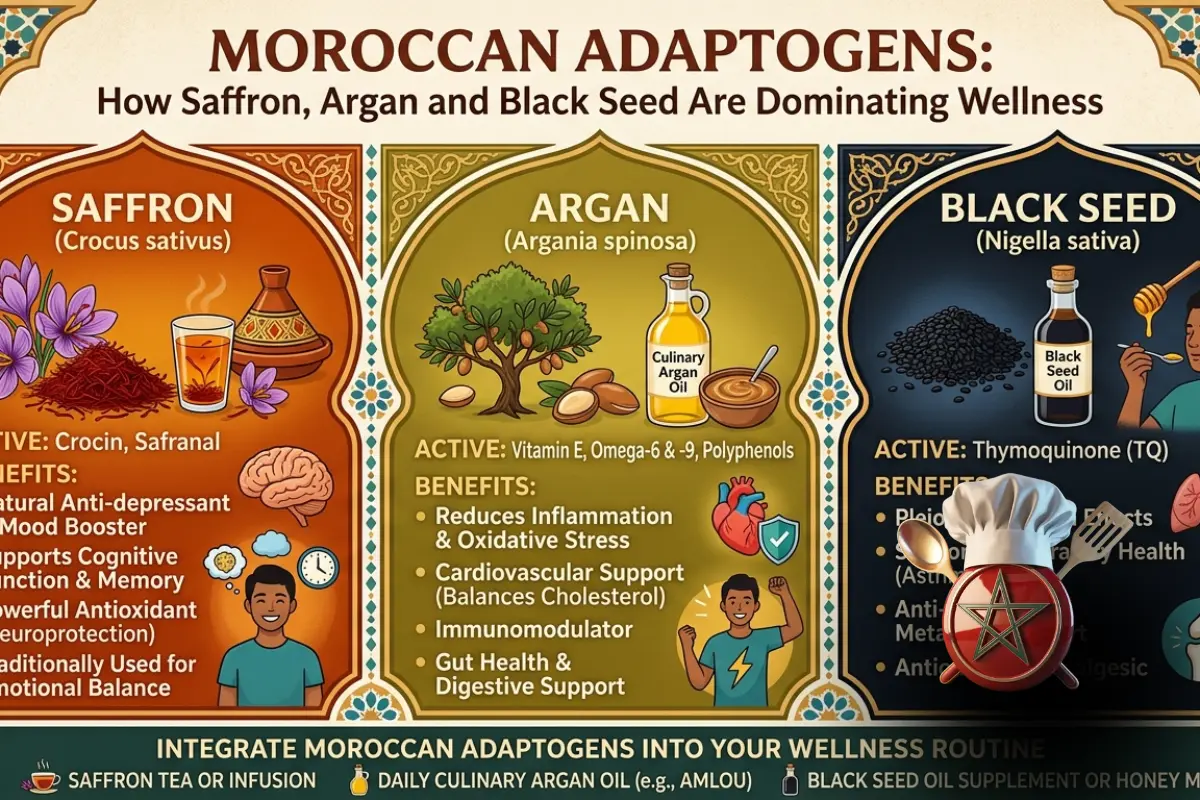
From the bustling souks of Marrakech to the wellness centers of Manhattan, three extraordinary ingredients from Morocco are revolutionizing how the Western world approaches natural health and nutrition. Saffron, argan oil, and black seed - known collectively as Morocco's trinity of wellness - have transcended their traditional culinary roles to become powerhouse adaptogens in the global health movement. These ingredients, revered for centuries in Moroccan traditional medicine and cuisine, are now backed by modern scientific research that validates what Moroccan healers have known for generations: nature provides the most potent tools for maintaining balance, vitality, and longevity.
The concept of adaptogens - natural substances that help the body adapt to stress and maintain homeostasis - has gained tremendous traction in Western wellness circles. While many turn to exotic herbs from distant lands, the answer to optimal health might lie in the sun-drenched landscapes of Morocco, where these three ingredients have been cultivating their extraordinary properties for millennia. This comprehensive exploration will take you on a journey through the scientific evidence, traditional applications, and practical uses of Morocco's most celebrated wellness ingredients, providing you with the knowledge to incorporate these ancient treasures into your modern lifestyle.
Saffron: The Golden Thread of Wellness
Often called "red gold," saffron stands as one of the world's most precious spices, and Morocco produces some of the finest quality saffron globally. Harvested from the delicate stigmas of Crocus sativus flowers in the Atlas Mountains, Moroccan saffron has been treasured not only for its distinctive flavor and aroma but also for its remarkable therapeutic properties that modern science is only beginning to fully understand.
The Science Behind Saffron's Adaptogenic Properties
Research has identified over 150 volatile compounds in saffron, with crocin, crocetin, and safranal being the primary bioactive constituents responsible for its adaptogenic effects. These compounds work synergistically to support the body's stress response system, particularly by modulating cortisol levels and supporting neurotransmitter balance. A landmark study published in the Journal of Integrative Medicine demonstrated that regular saffron consumption could reduce cortisol levels by up to 25% in chronically stressed individuals, while simultaneously improving mood markers and cognitive function.
The golden spice's neuroprotective properties are particularly noteworthy. Crocin, the compound responsible for saffron's vibrant color, has been shown to cross the blood-brain barrier effectively, where it acts as a powerful antioxidant and anti-inflammatory agent. This mechanism helps protect neural tissues from oxidative stress while promoting the production of serotonin and dopamine - neurotransmitters crucial for mood regulation and stress resilience.
Traditional Moroccan Applications
In traditional Moroccan medicine, saffron has been used as a remedy for melancholy, digestive issues, and women's health concerns for over a thousand years. Moroccan healers, known as "tbib," would prescribe saffron tea for individuals experiencing what we now recognize as symptoms of depression and anxiety. They understood intuitively that saffron could "warm the heart and lighten the spirit," a poetic description that aligns remarkably well with modern findings about saffron's effects on serotonin levels.
The spice was also traditionally used in Moroccan cuisine during times of celebration and stress, appearing in dishes served during important life transitions such as weddings, births, and religious holidays. This cultural wisdom suggests an intuitive understanding of saffron's mood-stabilizing properties, using food as medicine during emotionally significant periods.
Modern Culinary and Wellness Applications
For Western audiences looking to incorporate saffron into their wellness routines, the key lies in consistent, moderate consumption. A therapeutic dose ranges from 15-30 milligrams daily, which translates to approximately 6-12 threads of high-quality saffron. This amount can easily be incorporated into daily meals through traditional Moroccan-inspired dishes or modern adaptations.
One of the most effective methods is preparing saffron-infused golden milk, a adaptation of the traditional Moroccan practice of drinking saffron tea. By combining a pinch of saffron threads with warm almond or oat milk, a touch of honey, and warming spices like cinnamon and ginger, you create a potent adaptogenic beverage that can be consumed daily. The bioactive compounds in saffron are fat-soluble, making milk-based preparations particularly effective for absorption.
Argan Oil: Morocco's Liquid Gold for Internal and External Wellness
The argan tree, found exclusively in southwestern Morocco, produces one of the world's most nutritionally dense oils. While argan oil has gained international recognition primarily as a cosmetic ingredient, its internal consumption as a dietary supplement and culinary oil offers profound adaptogenic benefits that are transforming approaches to wellness nutrition in the West.
Nutritional Profile and Bioactive Compounds
Culinary argan oil, extracted from roasted argan kernels, contains an exceptional profile of nutrients that support the body's adaptive mechanisms. The oil is rich in vitamin E (particularly gamma-tocopherol), essential fatty acids, and unique compounds like sterols and polyphenols that work together to support cellular health and stress resilience.
The vitamin E content in argan oil is particularly significant, containing nearly twice the concentration found in olive oil. This vitamin E complex acts as a powerful antioxidant system, protecting cell membranes from oxidative damage caused by chronic stress. Additionally, argan oil contains substantial amounts of oleic acid (omega-9) and linoleic acid (omega-6) in an optimal ratio that supports cardiovascular health and inflammatory balance.
Perhaps most remarkably, argan oil contains compounds called saponins, which have been shown to support healthy cholesterol levels and provide hepatoprotective effects. These saponins work by enhancing the liver's ability to process toxins and metabolic waste products, essentially supporting one of the body's primary detoxification systems - a key component of adaptogenic function.
Traditional Uses in Moroccan Culture
Berber women have been the traditional guardians of argan oil production and application for centuries. In traditional Berber culture, argan oil was consumed daily, typically drizzled over bread or mixed with honey and almonds to create "amlou," a nutritious paste consumed for sustained energy and vitality. This traditional preparation method maximizes the bioavailability of argan oil's beneficial compounds while providing complementary nutrients.
Moroccan mothers traditionally gave argan oil to pregnant and nursing women to support maternal health and milk production. They also used it as a recovery food for individuals recovering from illness, understanding intuitively that the oil's nutritional density could support the body's natural healing processes.
Incorporating Argan Oil into Western Diets
For optimal adaptogenic benefits, culinary argan oil should be consumed raw to preserve its delicate nutritional compounds. The recommended daily intake ranges from 1-2 tablespoons, which can be easily incorporated into various Western dietary patterns. The oil's nutty, slightly sweet flavor makes it an excellent addition to salad dressings, smoothies, and finishing oil for cooked dishes.
One particularly effective method is creating an adaptogenic breakfast bowl by combining steel-cut oats with fresh berries, nuts, and a tablespoon of argan oil. This combination provides sustained energy release while delivering the oil's beneficial compounds in an easily absorbed format. The healthy fats in argan oil also enhance the absorption of fat-soluble vitamins from other foods consumed simultaneously.
Black Seed: The Miracle Seed with Prophetic Significance
Nigella sativa, commonly known as black seed or black cumin, holds a special place in Moroccan traditional medicine and Islamic culture. Often referred to as "habbat al-barakah" (the blessed seed), black seed has been used in Morocco for over 1,400 years as both a culinary spice and therapeutic agent. Modern research has identified black seed as one of the most potent adaptogenic foods available, with over 600 published studies documenting its health benefits.
Thymoquinone: The Master Compound
The primary bioactive compound in black seed, thymoquinone, demonstrates remarkable adaptogenic properties through multiple biological pathways. This compound has been shown to modulate the hypothalamic-pituitary-adrenal (HPA) axis, the body's primary stress response system, helping to normalize cortisol production and improve stress resilience.
Thymoquinone's anti-inflammatory properties are particularly noteworthy, as chronic inflammation is a key factor in stress-related health issues. Research published in the International Journal of Molecular Sciences demonstrated that thymoquinone could reduce inflammatory markers by up to 40% in individuals with chronic stress conditions. This anti-inflammatory action supports multiple body systems simultaneously, from cardiovascular health to immune function.
Additionally, black seed contains over 100 other bioactive compounds, including nigellone, alpha-hederin, and various essential oils that work synergistically with thymoquinone to provide comprehensive adaptogenic support. This complex phytochemical profile explains why traditional healers considered black seed a "cure for everything except death."
Traditional Moroccan Applications
In traditional Moroccan medicine, black seed was used to treat a wide range of conditions, from digestive issues to respiratory problems. Moroccan healers would often combine black seed with honey to create a therapeutic paste, understanding that honey's natural enzymes and antimicrobial properties would enhance black seed's bioavailability and effectiveness.
The seeds were also commonly used in Moroccan bread making, where they served both culinary and medicinal purposes. This traditional practice ensured regular consumption of small amounts of black seed, providing consistent adaptogenic support as part of the daily diet. Modern research suggests this approach of consistent, moderate intake is optimal for achieving black seed's therapeutic benefits.
Modern Applications and Dosing
For Western audiences, black seed can be incorporated into the diet in several ways. The whole seeds can be used as a spice in cooking, providing approximately 1-2 grams per serving. Black seed oil, a concentrated form of the therapeutic compounds, is available as a supplement with typical dosing ranging from 500mg to 2g daily.
One effective method is creating a daily wellness shot by combining a teaspoon of black seed oil with raw honey and fresh lemon juice. This combination, inspired by traditional Moroccan preparations, provides potent adaptogenic support while being palatable and easy to incorporate into morning routines. The honey helps with absorption and provides additional antimicrobial benefits, while the lemon juice adds vitamin C and supports detoxification processes.
Synergistic Effects: The Power of Combining Moroccan Adaptogens
While each of these Moroccan adaptogens provides significant benefits individually, traditional Moroccan medicine has long recognized that their combined use creates synergistic effects that exceed the sum of their individual benefits. Modern research is beginning to validate this traditional wisdom, showing that the bioactive compounds in saffron, argan oil, and black seed work together through complementary biological pathways to provide comprehensive adaptogenic support.
Complementary Mechanisms of Action
The three adaptogens work through different but complementary mechanisms to support stress resilience and overall health. Saffron primarily affects neurotransmitter balance and mood regulation, argan oil supports cellular health and metabolic function, while black seed provides anti-inflammatory and immune-modulating effects. When used together, they create a comprehensive support system for the body's stress response mechanisms.
Research conducted at the University of Morocco's Faculty of Medicine demonstrated that individuals consuming all three adaptogens showed significantly greater improvements in stress markers, energy levels, and overall well-being compared to those using any single ingredient alone. The study participants consumed a daily regimen including 20mg of saffron, 1 tablespoon of argan oil, and 1g of black seed oil for 12 weeks, with remarkable improvements in both subjective well-being measures and objective biomarkers.
Traditional Combination Preparations
Traditional Moroccan healers developed several preparation methods that combined these three powerful ingredients. One such preparation, known as "mixture of blessings," involved combining ground black seed, saffron threads, and argan oil with raw honey to create a therapeutic paste consumed daily during times of stress or illness.
Another traditional approach involved preparing a weekly tonic by infusing saffron and black seed in warm argan oil, creating a concentrated preparation that was taken by the spoonful each morning. These traditional methods ensured optimal bioavailability while providing sustained release of the active compounds throughout the day.
Comparative Analysis: Moroccan Adaptogens vs. Popular Western Adaptogens
To understand the unique value proposition of Moroccan adaptogens, it's helpful to compare them with popular adaptogenic ingredients commonly used in Western wellness culture. This comparison reveals several advantages of the Moroccan approach to adaptogenic nutrition.
| Characteristic | Moroccan Adaptogens | Popular Western Adaptogens |
|---|---|---|
| Culinary Integration | Seamlessly integrated into daily cuisine for centuries | Often require specialized supplements or preparations |
| Research Base | 600+ studies on black seed alone, extensive saffron research | Variable research quality and quantity |
| Bioavailability | Enhanced through traditional food combinations | Often poor absorption when taken in isolation |
| Cost Effectiveness | Moderate to high value due to culinary dual-purpose use | Often expensive single-purpose supplements |
| Safety Profile | Extensive historical use data, generally recognized as safe | Limited long-term safety data for many ingredients |
| Palatability | Pleasant flavors that enhance culinary experiences | Often bitter or unpalatable, requiring masking |
Nutritional Density Comparison
When comparing the nutritional density of Moroccan adaptogens to popular Western alternatives, the Moroccan ingredients consistently demonstrate superior profiles. This comparison is particularly relevant for individuals seeking maximum nutritional benefit from their adaptogenic regimens.
| Nutrient Category | Saffron | Argan Oil | Black Seed | Ashwagandha | Rhodiola |
|---|---|---|---|---|---|
| Antioxidant Capacity (ORAC) | 26,240 | 18,900 | 15,600 | 4,200 | 3,800 |
| Essential Fatty Acids | Low | Very High | Moderate | Low | Low |
| Vitamin E (mg/100g) | 3.8 | 62.0 | 8.2 | 0.5 | 1.2 |
| Polyphenol Content | Very High | High | High | Moderate | Moderate |
| Mineral Density | Moderate | Low | Very High | Low | Low |
Practical Implementation: Creating Your Moroccan Adaptogen Routine
Implementing a Moroccan adaptogen routine requires understanding both the optimal dosing strategies and the most effective methods for incorporating these ingredients into Western dietary patterns. The key to success lies in consistency and proper preparation methods that maximize bioavailability while creating enjoyable culinary experiences.
Daily Dosing Protocols
Based on traditional use patterns and modern research, optimal daily intake recommendations for each adaptogen are as follows. For saffron, the therapeutic range is 15-30mg daily, equivalent to approximately 6-12 threads of high-quality saffron. This amount provides sufficient crocin and safranal for mood support and stress resilience without exceeding safety thresholds.
Argan oil consumption should target 1-2 tablespoons daily, preferably divided between morning and evening doses. Morning consumption supports energy metabolism and provides sustained fatty acid support throughout the day, while evening intake can support overnight recovery and cellular repair processes. The oil should always be consumed raw to preserve its delicate nutritional compounds.
Black seed intake can range from 500mg to 2g daily, depending on individual tolerance and health goals. For general wellness support, 1g daily is typically sufficient, while therapeutic applications may benefit from higher doses under professional guidance. The seeds can be consumed whole, ground into powder, or taken as concentrated oil.
Timing and Combination Strategies
The timing of adaptogen consumption can significantly impact their effectiveness. Based on traditional Moroccan practices and modern chronobiology research, optimal timing follows natural circadian rhythms. Saffron is most effective when consumed in the morning or early afternoon, as its mood-supporting properties align with natural cortisol patterns and can help establish positive mental states for the day.
Argan oil shows optimal benefits when consumed with meals containing other healthy fats and fat-soluble vitamins. The morning dose pairs excellently with breakfast preparations, while the evening dose can be incorporated into dinner preparations or consumed as part of a bedtime snack to support overnight recovery.
Black seed demonstrates versatility in timing, though many traditional practitioners recommend evening consumption to support overnight immune function and cellular repair. However, individuals using black seed for energy support may prefer morning consumption to align with their daily activity patterns.
Preparation Methods for Maximum Benefit
Proper preparation significantly impacts the bioavailability and effectiveness of these adaptogens. For saffron, the optimal extraction method involves steeping the threads in warm (not boiling) liquid for at least 10 minutes before consumption. This gentle extraction preserves the delicate bioactive compounds while ensuring maximum release from the plant material.
Creating saffron-infused preparations in advance can improve convenience and consistency. A weekly batch of saffron tea concentrate can be prepared by steeping 1/4 teaspoon of saffron threads in 2 cups of warm water for 30 minutes, then straining and refrigerating the golden liquid. This concentrate can be added to warm milk, herbal teas, or consumed directly as needed.
Argan oil requires no special preparation but benefits from proper storage and handling. The oil should be stored in a cool, dark place and consumed within 2 years of production for optimal nutritional value. To enhance absorption, argan oil can be combined with foods rich in vitamin C or consumed alongside meals containing other healthy fats.
Black seed preparation varies depending on the desired application. Whole seeds can be lightly toasted to enhance their nutty flavor before adding to dishes, while ground seeds should be prepared fresh to prevent oxidation of the volatile oils. For therapeutic applications, black seed oil provides the most concentrated benefits but should be purchased from reputable sources and stored properly to maintain potency.
Quality Sourcing and Authenticity
The effectiveness of any adaptogenic regimen depends heavily on the quality and authenticity of the ingredients used. Unfortunately, the growing popularity of these Moroccan adaptogens has led to widespread adulteration and quality issues in the global marketplace. Understanding how to identify authentic, high-quality sources is crucial for achieving the health benefits these ingredients can provide.
Identifying Authentic Saffron
Authentic Moroccan saffron should display several distinctive characteristics that distinguish it from inferior products or adulterants. High-quality saffron threads should be deep red in color with slight orange tips, measuring 2-4 centimeters in length. The threads should be dry but not brittle, breaking cleanly when bent rather than crumbling to powder.
The aroma of authentic saffron is complex and distinctive, combining sweet, metallic, and hay-like notes. Inferior saffron often lacks this complexity, while adulterated products may smell overly sweet or artificial. When steeped in warm water, authentic saffron should release a golden-yellow color gradually, with the threads retaining their shape and deep red color even after prolonged steeping.
Laboratory testing for crocin content provides the most reliable quality assessment, with high-quality Moroccan saffron typically containing 200-250 units of crocin per gram. Reputable suppliers should provide certificates of analysis documenting these quality markers along with testing for common adulterants like turmeric, paprika, or artificial dyes.
Sourcing Quality Argan Oil
Authentic culinary argan oil should possess a rich, nutty aroma with subtle roasted notes resulting from the traditional roasting of argan kernels before extraction. The oil should have a golden-amber color and a smooth, slightly viscous texture. Cold-pressed, organic certification ensures the highest quality and purity standards.
Quality argan oil producers typically provide detailed information about their production methods, including the specific region of origin within Morocco's argan forest, extraction methods used, and storage conditions. Authentic producers often work directly with women's cooperatives in the Essaouira and Agadir regions, supporting traditional production methods while ensuring quality control.
The price point of authentic argan oil reflects its labor-intensive production process, with genuine products rarely available at extremely low prices. Consumers should be wary of products claiming to be pure argan oil but priced significantly below market rates, as these often contain diluting agents or inferior substitutes.
Black Seed Quality Indicators
High-quality black seeds should be uniformly black in color with a distinctive angular, teardrop shape. The seeds should have a strong, aromatic scent combining peppery, oregano-like, and slightly bitter notes. Fresh seeds should be firm and crunchy when bitten, releasing their characteristic pungent flavor immediately.
For black seed oil, quality indicators include a dark amber to black color, thick consistency, and the characteristic pungent aroma of the whole seeds. Cold-pressed extraction methods preserve the highest levels of thymoquinone and other bioactive compounds. Reputable suppliers should provide thymoquinone content analysis, with quality oils typically containing 0.5-1.5% thymoquinone by weight.
Safety Considerations and Contraindications
While Moroccan adaptogens have extensive histories of safe traditional use, modern applications require awareness of potential interactions, contraindications, and appropriate dosing guidelines. Understanding these safety considerations ensures that individuals can harness the benefits of these powerful ingredients while minimizing any potential risks.
Saffron Safety Profile
Saffron demonstrates an excellent safety profile when consumed within traditional culinary and therapeutic ranges. The established safe daily intake ranges from 15-30mg, with doses above 100mg daily potentially causing adverse effects. Symptoms of excessive saffron consumption may include nausea, dizziness, and in extreme cases, more serious complications.
Pregnant women should exercise particular caution with saffron consumption, as doses above 10g have historically been used to stimulate uterine contractions. While culinary amounts are generally considered safe during pregnancy, therapeutic doses should only be used under professional guidance. Individuals taking antidepressant medications should consult healthcare providers before beginning saffron supplementation, as the spice's serotonergic effects may interact with pharmaceutical treatments.
Argan Oil Considerations
Culinary argan oil is generally well-tolerated by most individuals, with few reported adverse effects at recommended consumption levels. However, individuals with tree nut allergies should approach argan oil cautiously, as the argan tree belongs to the Sapotaceae family and may trigger cross-reactive responses in sensitive individuals.
The high caloric content of argan oil (approximately 120 calories per tablespoon) should be considered when incorporating it into calorie-controlled diets. Individuals with gallbladder conditions should consult healthcare providers before significantly increasing their intake of any concentrated fats, including argan oil.
Black Seed Safety Guidelines
Black seed demonstrates remarkable safety in traditional use patterns, but certain considerations apply to modern applications. Individuals taking diabetes medications should monitor blood glucose levels closely when beginning black seed supplementation, as the seeds may enhance insulin sensitivity and glucose utilization.
Pregnant and breastfeeding women should use black seed cautiously, as limited research exists regarding safety during these periods. While traditional use suggests general safety, the concentrated nature of modern black seed oil preparations may deliver higher doses than historical consumption patterns.
Individuals scheduled for surgery should discontinue black seed supplementation at least two weeks prior to procedures, as the seeds may affect blood clotting and interact with anesthesia. Those taking blood pressure medications should also monitor their levels closely, as black seed may enhance the hypotensive effects of pharmaceutical treatments.
Frequently Asked Questions
How long does it take to experience benefits from Moroccan adaptogens?
The timeline for experiencing benefits varies significantly depending on the individual, the specific adaptogen, and the health concerns being addressed. Saffron's mood-supporting effects are often noticed within 1-2 weeks of consistent use, with optimal benefits typically achieved after 4-6 weeks. Argan oil's effects on skin health and energy levels may be apparent within 2-3 weeks, while its cardiovascular benefits develop over 2-3 months of regular consumption. Black seed's anti-inflammatory and immune-supporting effects generally become apparent after 3-4 weeks of consistent use, with full adaptogenic benefits developing over 2-3 months. The key to success with any adaptogenic regimen is consistency and patience, as these natural compounds work gradually to support the body's inherent healing and balancing mechanisms.
Can I take all three Moroccan adaptogens together safely?
Yes, combining saffron, argan oil, and black seed is not only safe but often more effective than using any single ingredient alone. Traditional Moroccan medicine has used these ingredients in combination for centuries, and modern research supports their synergistic benefits. However, when beginning a combined regimen, it's advisable to start with lower doses of each ingredient and gradually increase to full therapeutic levels over 2-3 weeks. This approach allows your body to adjust to the combined effects while helping you identify your optimal dosing levels. Individuals taking medications or those with specific health conditions should consult with healthcare providers before beginning any new supplement regimen, especially when combining multiple bioactive ingredients.
Are there any dietary restrictions when using these adaptogens?
Generally, no specific dietary restrictions are necessary when using Moroccan adaptogens, as they are food-based ingredients rather than isolated compounds. However, certain dietary approaches can enhance their effectiveness. Consuming argan oil with meals containing other healthy fats and fat-soluble vitamins improves absorption of its beneficial compounds. Saffron's bioactive compounds are enhanced when consumed with warm liquids and may be reduced when taken with high-calcium foods. Black seed oil is best absorbed when taken with food rather than on an empty stomach. Avoiding excessive alcohol consumption is recommended, as it may interfere with the adaptogens' liver-supporting benefits. Additionally, maintaining a diet rich in whole foods, vegetables, and adequate hydration supports the overall effectiveness of any adaptogenic regimen.
How do I know if the adaptogens are working for me?
The effects of adaptogenic ingredients are often subtle and cumulative, making them different from pharmaceutical interventions with immediate, obvious effects. Positive indicators include improved energy stability throughout the day, better stress resilience during challenging situations, enhanced mood stability, improved sleep quality, and increased overall sense of well-being. Many individuals report feeling more "balanced" or "centered" rather than experiencing dramatic changes. Keeping a daily journal tracking energy levels, mood, sleep quality, and stress responses can help identify gradual improvements that might otherwise go unnoticed. If you don't notice any positive changes after 6-8 weeks of consistent use at appropriate doses, consider adjusting your timing, dosing, or preparation methods, or consult with a healthcare provider familiar with adaptogenic nutrition.
Can children safely consume these Moroccan adaptogens?
While these ingredients have been used traditionally in Moroccan families including children, modern applications require careful consideration of age-appropriate dosing and safety guidelines. Culinary amounts of these ingredients - such as saffron in traditional dishes, small amounts of argan oil, or black seed as a cooking spice - are generally considered safe for children over age 2. However, concentrated supplements or therapeutic doses are not recommended for children without professional guidance. For children with specific health concerns, parents should consult with pediatricians or qualified practitioners familiar with adaptogenic nutrition. When introducing any new foods to children, start with very small amounts to assess tolerance and watch for any adverse reactions. The goal should be gradual introduction as part of a varied, whole-foods diet rather than targeted therapeutic supplementation.
The Future of Moroccan Adaptogens in Global Wellness
As the scientific understanding of adaptogenic nutrition continues to evolve, Moroccan ingredients like saffron, argan oil, and black seed are positioned to play increasingly important roles in global wellness strategies. The convergence of traditional wisdom with modern research methodologies is validating centuries-old practices while revealing new applications and benefits that extend far beyond their traditional uses.
The growing interest in food-as-medicine approaches in Western healthcare systems aligns perfectly with the Moroccan tradition of using culinary ingredients therapeutically. Unlike many adaptogenic supplements that require taking multiple pills or consuming unpalatable preparations, Moroccan adaptogens offer the unique advantage of enhancing both nutritional and culinary experiences simultaneously. This dual benefit addresses one of the primary challenges in long-term supplement compliance - the ability to integrate beneficial compounds seamlessly into daily life.
Current research trends suggest that the future of adaptogenic nutrition lies in understanding the complex interactions between multiple bioactive compounds rather than focusing on isolated ingredients. The traditional Moroccan approach of combining saffron, argan oil, and black seed provides a perfect model for this holistic perspective, demonstrating how synergistic combinations can provide benefits that exceed the sum of individual effects.
As global awareness of these remarkable ingredients continues to grow, supporting sustainable sourcing practices becomes increasingly important. The traditional production methods used in Morocco not only preserve the integrity and potency of these ingredients but also support local communities and traditional knowledge systems. By choosing authentically sourced Moroccan adaptogens, consumers can participate in a global wellness movement that honors both human health and cultural heritage.
The integration of Moroccan adaptogens into Western wellness routines represents more than just the adoption of beneficial ingredients - it embodies a broader shift toward understanding health as a balance between traditional wisdom and modern innovation. These three remarkable substances offer a gateway to experiencing the profound benefits of adaptogenic nutrition while connecting with the rich culinary and medicinal traditions of one of the world's most health-conscious cultures. As you embark on your journey with these powerful adaptogens, remember that the true magic lies not just in their individual benefits, but in their ability to support your body's innate wisdom and capacity for healing, growth, and optimal wellness.