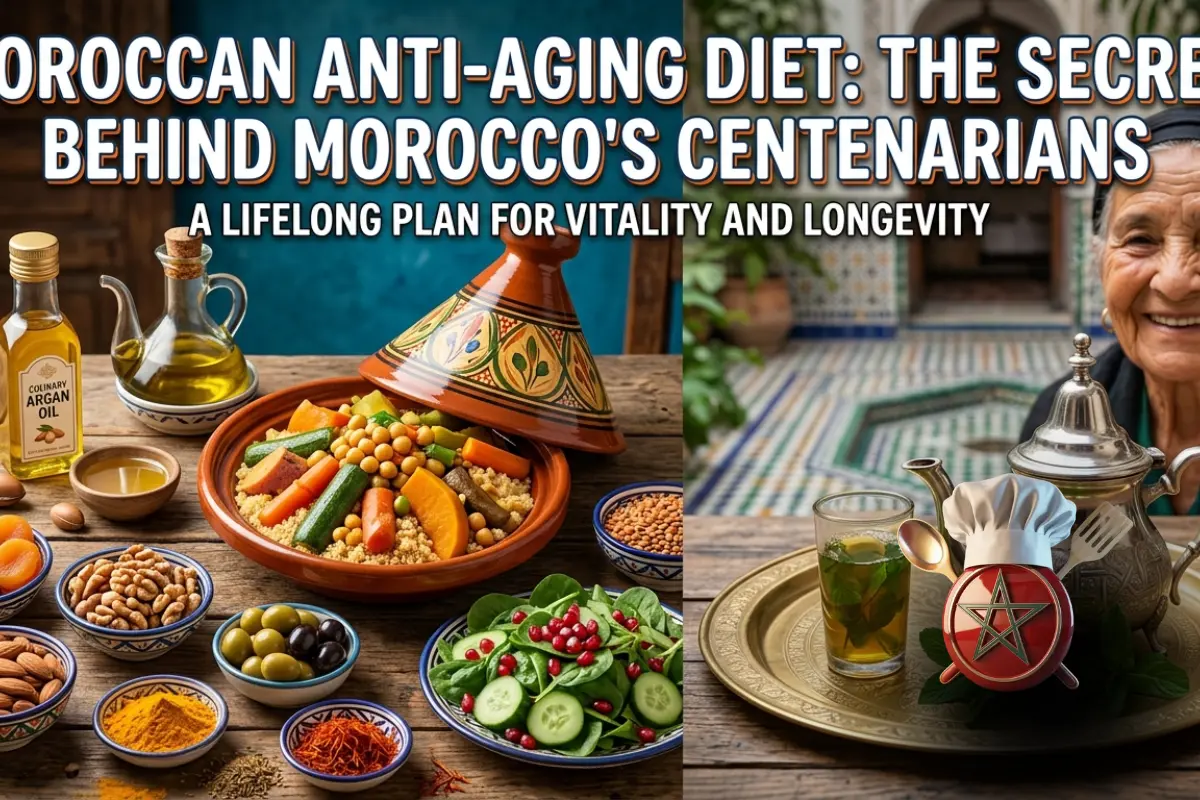
The Remarkable Longevity of Morocco's Mountain Villages
In the remote villages of Morocco's Atlas Mountains, where ancient traditions remain unchanged by modern life, an extraordinary phenomenon continues to puzzle scientists and health experts worldwide. Here, among the Berber communities, centenarians are not rare exceptions but relatively common occurrences. These remarkable individuals, some living well beyond 110 years, maintain active lifestyles, sharp minds, and robust health that would be envied by people half their age in Western societies.
What makes this even more fascinating is that these long-lived Moroccans have never heard of anti-aging supplements, expensive superfoods, or complex dietary regimens. Instead, they follow eating patterns passed down through generations, consuming foods that grow naturally in their harsh but beautiful landscape. Their diet, deeply rooted in necessity and tradition, has inadvertently created one of the world's most effective anti-aging nutritional systems.
Modern longevity research is now catching up to what Moroccan grandmothers have known for centuries: the combination of specific foods, cooking methods, eating patterns, and lifestyle practices can significantly extend not just lifespan, but healthspan – the number of years lived in good health. This comprehensive guide will unveil the secrets behind Morocco's centenarians and show you how to incorporate these time-tested principles into your modern Western lifestyle.
The Science Behind Moroccan Longevity
Recent studies conducted by international research teams in Morocco's High Atlas region have revealed startling statistics about longevity rates among traditional communities. In some villages, the percentage of people living beyond 90 years old is nearly ten times higher than the global average. Even more remarkable, these elderly individuals show significantly lower rates of cardiovascular disease, diabetes, cognitive decline, and cancer compared to their Western counterparts.
Dr. Fatima El-Mansouri, a leading researcher at the University of Rabat who has spent over two decades studying Moroccan centenarians, explains that the secret lies in a complex interplay of dietary, environmental, and social factors. However, nutrition remains the cornerstone of their exceptional health outcomes.
Key Biomarkers of Moroccan Centenarians
Blood analysis of Moroccan centenarians reveals several distinctive patterns that differentiate them from aging populations in developed countries:
- Superior inflammatory markers: Extremely low levels of C-reactive protein and other inflammatory indicators
- Exceptional lipid profiles: High HDL cholesterol, low triglycerides, and optimal LDL particle size distribution
- Stable blood sugar: Remarkably consistent glucose and insulin levels throughout the day
- High antioxidant capacity: Elevated levels of vitamins E, C, and selenium, plus strong enzymatic antioxidant systems
- Optimal hormone balance: Better preservation of growth hormone, testosterone, and thyroid function with age
These biomarkers don't occur by accident. They're the direct result of consuming specific foods and following eating patterns that naturally support the body's anti-aging mechanisms.
The Role of Genetic vs. Environmental Factors
While genetics certainly play a role in longevity, research suggests that environmental factors, particularly diet, account for approximately 75% of the variation in human lifespan and healthspan. Moroccan centenarians often come from families with no particular history of exceptional longevity, yet they consistently outlive their urban relatives who have adopted more Western dietary patterns.
This phenomenon has been observed repeatedly in what researchers call "Blue Zones" – geographical areas with unusually high concentrations of centenarians. Morocco's traditional communities share many characteristics with other Blue Zones, but their specific combination of foods and eating practices offers unique insights into the anti-aging process.
Core Components of the Moroccan Anti-Aging Diet
The traditional Moroccan diet that supports exceptional longevity isn't built around a single superfood or magic ingredient. Instead, it's a sophisticated system of complementary foods that work synergistically to support cellular health, reduce inflammation, and maintain optimal metabolic function throughout the aging process.
The Foundation: Whole Grains and Ancient Cereals
Unlike the refined grains that dominate Western diets, Moroccan centenarians consume whole, often ancient varieties of grains that provide sustained energy and exceptional nutritional density. Barley features prominently in their diet, appearing in soups, porridges, and traditional breads. This humble grain contains beta-glucan, a soluble fiber that helps regulate cholesterol and blood sugar while feeding beneficial gut bacteria.
Wheat varieties consumed in traditional Morocco are often heritage strains that haven't been subjected to modern hybridization. These ancient wheats contain higher levels of minerals, antioxidants, and protein while being more easily digestible than their modern counterparts. They're typically ground fresh and used immediately, preserving nutrients that degrade during long-term storage.
Corn, introduced to Morocco centuries ago, is consumed primarily as whole kernels or coarsely ground meal, never as the highly processed corn products common in Western diets. The preparation methods used in Morocco – often involving alkaline processing with ash or lime – actually increase the bioavailability of niacin and other nutrients.
The Protein Powerhouses
Protein sources in the traditional Moroccan anti-aging diet are diverse, high-quality, and consumed in optimal proportions. Legumes form the backbone of protein intake, with lentils, chickpeas, and various beans appearing daily in centenarians' meals. These plant proteins provide not just amino acids, but also fiber, minerals, and phytochemicals that support longevity.
Fish consumption, while not daily due to geographic constraints, is significant among coastal populations and includes small, oily fish rich in omega-3 fatty acids. Sardines, anchovies, and mackerel are prepared simply, often grilled or stewed with vegetables and spices that enhance their nutritional benefits.
Meat consumption is moderate and primarily consists of lamb, goat, and chicken. These animals are typically grass-fed or free-range, resulting in meat with superior fatty acid profiles compared to industrially produced meat. Importantly, meat is usually consumed as part of complex dishes with vegetables and spices, never as the sole focus of a meal.
The Vegetable and Fruit Rainbow
Moroccan centenarians consume an impressive variety of vegetables and fruits, many of which are wild-foraged or grown in mineral-rich soils. Their diet includes numerous plants that are uncommon in Western diets but possess remarkable anti-aging properties.
Leafy greens feature prominently, including varieties of spinach, chard, and wild greens that are rich in folate, vitamin K, and nitrates that support cardiovascular health. Root vegetables like carrots, turnips, and radishes provide beta-carotene and other carotenoids that protect against cellular damage.
Tomatoes, consumed fresh in season and preserved for year-round use, provide lycopene and other antioxidants. The traditional Moroccan practice of cooking tomatoes with olive oil actually increases the bioavailability of these protective compounds.
Fruits are consumed seasonally and in their whole form, providing fiber along with vitamins and antioxidants. Dates, figs, pomegranates, and citrus fruits are particularly valued for their health benefits and appear regularly in centenarians' diets.
The Magic of Moroccan Spices and Herbs
Perhaps no aspect of the Moroccan anti-aging diet is more distinctive than its sophisticated use of spices and herbs. These aren't merely flavor enhancers – they're potent medicines that provide some of the most concentrated sources of antioxidants and anti-inflammatory compounds available in nature.
Turmeric: The Golden Anti-Aging Spice
Turmeric holds a place of honor in traditional Moroccan cooking, and modern science has validated its remarkable anti-aging properties. The active compound curcumin has been shown to reduce inflammation, support brain health, and may even help prevent cancer and Alzheimer's disease.
In Moroccan cuisine, turmeric is always used with black pepper and fat (usually olive oil), a combination that increases curcumin absorption by up to 2000%. This traditional pairing, developed through generations of culinary wisdom, demonstrates the sophisticated understanding of nutrition embedded in Moroccan food culture.
Ginger: The Digestive and Anti-Inflammatory Champion
Fresh ginger root is used extensively in Moroccan cooking and tea preparation. Its active compounds, particularly gingerol, provide powerful anti-inflammatory effects and support digestive health. Many Moroccan centenarians start their day with ginger tea, a practice that may help explain their excellent metabolic health and low rates of digestive disorders.
Cinnamon: The Blood Sugar Regulator
Cinnamon is not just a flavoring in Moroccan cuisine – it's a daily medicine. Research has shown that cinnamon can help regulate blood sugar levels, improve insulin sensitivity, and reduce inflammation. The traditional Moroccan practice of adding cinnamon to sweet and savory dishes alike provides consistent, moderate doses of this powerful spice.
Saffron: The Mood and Memory Enhancer
While expensive, saffron is considered essential in traditional Moroccan cooking. Recent studies have shown that saffron can improve mood, enhance memory, and may even help prevent age-related cognitive decline. The small amounts used in traditional dishes provide therapeutic benefits without excessive cost.
The Complete Spice Arsenal
Beyond these stars, the Moroccan spice palette includes numerous other health-promoting ingredients:
- Cumin: Supports digestion and provides antioxidants
- Coriander: Helps regulate blood sugar and provides anti-inflammatory benefits
- Cardamom: Supports heart health and provides antimicrobial properties
- Cloves: Extremely high in antioxidants and has antimicrobial effects
- Nutmeg: Contains compounds that may support brain health
- Paprika: Provides vitamin C and carotenoids
- Cayenne: Contains capsaicin, which may boost metabolism and reduce inflammation
Argan Oil: Morocco's Liquid Gold for Longevity
No discussion of the Moroccan anti-aging diet would be complete without examining argan oil, one of the world's rarest and most nutritionally dense oils. Produced exclusively in southwestern Morocco from the nuts of the argan tree, this "liquid gold" has been a cornerstone of Berber nutrition for over 800 years.
The Nutritional Profile of Argan Oil
Argan oil contains a unique combination of fatty acids and bioactive compounds that make it exceptionally beneficial for health and longevity. Its composition includes:
- Oleic acid (45-50%): A monounsaturated fat that supports heart health and reduces inflammation
- Linoleic acid (30-35%): An essential omega-6 fatty acid important for skin health and cellular function
- Vitamin E (tocopherols): Powerful antioxidants that protect cells from oxidative damage
- Polyphenols: Plant compounds with anti-inflammatory and anti-aging properties
- Sterols: Compounds that may help lower cholesterol
- Squalene: A compound that supports skin health and may have anti-aging benefits
Traditional Uses and Modern Validation
Traditionally, argan oil is consumed daily by Moroccan centenarians, often mixed with honey and almonds for breakfast or drizzled over couscous and tagines. Modern research has validated many of the health claims associated with argan oil consumption, including cardiovascular protection, anti-inflammatory effects, and potential cancer prevention.
Studies have shown that people who consume argan oil regularly have better lipid profiles, lower blood pressure, and reduced markers of inflammation compared to those who don't. The oil's unique combination of antioxidants appears to be particularly effective at protecting against the oxidative stress that contributes to aging.
Incorporating Argan Oil into Your Diet
For Western audiences seeking to incorporate argan oil's anti-aging benefits, it's important to source high-quality, culinary-grade oil from reputable suppliers. The oil should be golden in color with a nutty aroma and flavor. It can be used as a finishing oil for salads, vegetables, and grains, or consumed directly in small amounts (1-2 tablespoons per day).
Traditional Cooking Methods That Preserve Nutrients
The way food is prepared can significantly impact its nutritional value and health benefits. Traditional Moroccan cooking methods, developed over centuries, happen to be exceptionally good at preserving nutrients and creating conditions that maximize the bioavailability of beneficial compounds.
The Tagine: Slow, Gentle, and Nutrient-Preserving
The iconic tagine, with its distinctive conical lid, is more than just a beautiful serving vessel – it's a sophisticated cooking system that maximizes nutrition. The unique shape allows steam to condense and return to the food, preventing the loss of water-soluble vitamins and creating an environment where tough fibers break down without destroying delicate nutrients.
Tagine cooking typically involves long, slow cooking at relatively low temperatures, a method that has several nutritional advantages:
- Preserves heat-sensitive vitamins like vitamin C and folate
- Allows for better integration of spices, increasing the bioavailability of their beneficial compounds
- Breaks down tough plant fibers, making nutrients more accessible
- Creates complex flavor profiles that reduce the need for added salt or sugar
- Allows lean proteins to become tender without added fats
Steam Cooking and Couscous Preparation
Traditional couscous preparation involves steaming the grain multiple times in a special pot called a couscoussier. This method preserves the grain's nutritional integrity while creating a light, fluffy texture. The steaming process also allows for the incorporation of aromatic herbs and spices without the need for excessive fats or salt.
The traditional practice of serving couscous with a variety of vegetables and legumes creates complete proteins while providing a wide range of vitamins, minerals, and phytochemicals. The combination of grains and legumes provides all essential amino acids while the vegetables contribute fiber, antioxidants, and micronutrients.
Preservation Techniques That Add Nutrition
Traditional Moroccan food preservation methods don't just extend shelf life – they often enhance nutritional value. Fermentation, salt-curing, and sun-drying all create conditions that can increase the bioavailability of nutrients while adding beneficial compounds.
Preserved lemons, a staple of Moroccan cuisine, undergo a fermentation process that creates probiotics while concentrating the fruit's beneficial compounds. The high salt content might seem concerning from a modern health perspective, but the small amounts used in traditional recipes provide intense flavor that reduces the need for additional salt.
Sun-dried tomatoes and other vegetables concentrate nutrients while developing complex flavors. The traditional practice of rehydrating these ingredients in tagines and stews returns moisture while preserving the concentrated nutritional benefits.
Meal Timing and Eating Patterns
When and how Moroccan centenarians eat may be just as important as what they eat. Traditional eating patterns in Morocco align remarkably well with modern research on optimal meal timing for longevity and metabolic health.
The Traditional Daily Eating Pattern
Most Moroccan centenarians follow a eating pattern that naturally incorporates many principles of intermittent fasting, though they would never use such terms. Their typical day includes:
- Late morning breakfast (around 9-10 AM): Usually light, consisting of mint tea, dates, nuts, or simple bread with olive oil
- Substantial midday meal (1-2 PM): The main meal of the day, often featuring tagines, couscous, or substantial vegetable dishes
- Light evening meal (7-8 PM): Typically soup-based or consisting of simple dishes with vegetables and grains
- Extended overnight fast: Usually 13-15 hours between the evening meal and breakfast
The Benefits of This Eating Pattern
Modern research on circadian rhythms and metabolic health suggests that this traditional eating pattern provides several anti-aging benefits:
- Improved insulin sensitivity: Eating the largest meal midday when insulin sensitivity is naturally highest
- Better sleep quality: Light evening meals don't interfere with sleep, which is crucial for cellular repair and longevity
- Autophagy activation: Extended overnight fasting periods trigger cellular cleanup processes that remove damaged components
- Circadian rhythm support: Meal timing aligns with natural hormone fluctuations throughout the day
The Social Aspect of Eating
Perhaps equally important as when Moroccans eat is how they eat. Meals are typically social events, eaten slowly and mindfully with family or community members. This social aspect of eating provides several health benefits:
- Reduced stress hormones during meals, improving digestion
- Natural portion control through slower eating and conversation
- Enhanced satisfaction and reduced overeating
- Strong social connections, which are independently associated with longevity
Comparing the Moroccan Diet to Other Longevity Diets
To better understand the unique aspects of the Moroccan anti-aging diet, it's helpful to compare it with other dietary patterns associated with exceptional longevity around the world.
| Diet Type | Primary Fats | Protein Sources | Carbohydrate Sources | Special Features |
|---|---|---|---|---|
| Traditional Moroccan | Argan oil, olive oil | Legumes, fish, small amounts of meat | Whole grains, vegetables, seasonal fruits | Extensive spice use, tagine cooking |
| Mediterranean | Olive oil | Fish, legumes, moderate dairy | Whole grains, vegetables, fruits | Wine consumption, emphasis on fresh foods |
| Okinawan (Japan) | Minimal added fats | Soy products, fish, small amounts of pork | Sweet potatoes, rice, vegetables | Hara hachi bu (eat until 80% full) |
| Icarian (Greece) | Olive oil | Legumes, fish, goat products | Whole grains, wild greens, honey | Extensive use of wild herbs, afternoon naps |
Unique Advantages of the Moroccan Approach
While all longevity diets share certain characteristics – emphasis on whole foods, moderate calorie intake, abundant vegetables – the Moroccan approach offers several unique advantages:
- Spice diversity: No other traditional diet incorporates such a wide variety of medicinal spices daily
- Cooking methods: Tagine cooking is uniquely effective at preserving nutrients while developing complex flavors
- Argan oil: This unique oil provides fatty acids and antioxidants not found in other traditional diets
- Seasonal eating: Strong adherence to seasonal availability ensures maximum nutrient density
- Food combinations: Traditional pairings often enhance nutrient absorption (like turmeric with black pepper and fat)
Nutritional Comparison: Moroccan vs. Western Dietary Patterns
The differences between traditional Moroccan eating patterns and typical Western diets are striking, particularly when examined through the lens of anti-aging nutrition.
| Nutrient/Component | Traditional Moroccan Diet | Typical Western Diet | Longevity Impact |
|---|---|---|---|
| Antioxidants (ORAC units/day) | 15,000-25,000 | 3,000-5,000 | Higher intake protects against cellular damage |
| Fiber (grams/day) | 40-60 | 10-15 | Supports gut health and reduces inflammation |
| Omega-3 fatty acids | Moderate to high | Low | Reduces inflammation, supports brain health |
| Added sugars | Very low | Very high | Low intake prevents metabolic dysfunction |
| Processed foods | Minimal | High | Whole foods provide superior nutrition |
| Meal frequency | 2-3 meals, no snacking | 3+ meals plus snacks | Extended fasting periods promote cellular repair |
The Anti-Inflammatory Advantage
Perhaps the most significant difference between Moroccan and Western dietary patterns lies in their inflammatory impact. The traditional Moroccan diet is strongly anti-inflammatory, while typical Western diets are pro-inflammatory. This difference has profound implications for aging and disease risk.
Chronic low-grade inflammation, often called "inflammaging," is now recognized as a key driver of age-related diseases including cardiovascular disease, diabetes, cancer, and Alzheimer's disease. The Moroccan diet's anti-inflammatory profile comes from several sources:
- High intake of omega-3 fatty acids from fish and certain plant foods
- Abundant antioxidants from spices, herbs, and colorful vegetables
- Minimal processed foods and added sugars
- Regular consumption of anti-inflammatory compounds like curcumin and gingerol
- Optimal ratios of omega-6 to omega-3 fatty acids
Adapting the Moroccan Anti-Aging Diet for Western Lifestyles
While few Western readers will be able to fully replicate the traditional Moroccan lifestyle, the core principles of their anti-aging diet can be successfully adapted to modern life. The key is understanding which elements are most important and finding practical ways to incorporate them into busy Western schedules.
Essential Principles for Western Adaptation
Focus on implementing these core principles rather than trying to replicate exact foods or recipes:
- Spice integration: Use turmeric, ginger, cinnamon, and other Moroccan spices daily in cooking
- Healthy fat emphasis: Replace other cooking oils with high-quality olive oil or argan oil when possible
- Legume-centric meals: Make beans, lentils, and chickpeas regular features of your diet
- Vegetable abundance: Aim for 6-8 servings of vegetables daily, emphasizing variety and color
- Mindful meal timing: Eat your largest meal midday and keep evening meals light
- Social eating: Share meals with others when possible and eat without distractions
Practical Implementation Strategies
Here are specific ways to incorporate Moroccan anti-aging principles into Western meal patterns:
Breakfast Adaptations
- Start the day with ginger or mint tea instead of coffee
- Add cinnamon and turmeric to oatmeal or yogurt
- Include nuts, seeds, and a small amount of dates or figs
- Consider delaying breakfast to create a longer overnight fast
Lunch Focus
- Make lunch your largest meal of the day
- Include a variety of vegetables in salads or grain bowls
- Use tahini or olive oil-based dressings rich in healthy fats
- Add legumes to soups, salads, and grain dishes
Dinner Simplification
- Keep evening meals light and vegetable-focused
- Try soup-based meals with vegetables and small amounts of whole grains
- Finish eating at least 3 hours before bedtime
- Include anti-inflammatory spices in evening meals
Shopping and Preparation Tips
Successfully adopting Moroccan anti-aging principles requires some changes to shopping and meal preparation habits:
- Stock up on spices: Invest in high-quality versions of key Moroccan spices
- Buy in bulk: Purchase legumes, whole grains, and nuts in bulk for economy and freshness
- Seasonal shopping: Choose fruits and vegetables based on seasonal availability when possible
- Meal prep: Prepare large batches of legume-based dishes that can be used throughout the week
- Invest in equipment: Consider purchasing a tagine or other slow-cooking vessel
Frequently Asked Questions
Is the Moroccan anti-aging diet suitable for people with dietary restrictions?
The traditional Moroccan diet is naturally accommodating to many dietary restrictions. It's inherently plant-forward, making it suitable for vegetarians and vegans with minor modifications. The diet is naturally dairy-free in many traditional preparations, and gluten-free options are possible by focusing on the many vegetable and legume-based dishes while substituting alternative grains. However, individuals with specific health conditions should consult with healthcare providers before making significant dietary changes.
How quickly can I expect to see health benefits from adopting this eating pattern?
Many people notice improvements in energy levels and digestive health within 2-4 weeks of adopting Moroccan dietary principles. Anti-inflammatory benefits may be measurable in blood tests within 6-8 weeks. However, the most significant anti-aging benefits develop over months and years of consistent practice. The key is viewing this as a sustainable lifestyle change rather than a short-term diet.
Are the spices used in Moroccan cuisine safe for everyone?
Most Moroccan spices are safe for healthy individuals when used in culinary amounts. However, some spices may interact with certain medications or medical conditions. Turmeric, for example, can enhance the effects of blood-thinning medications. Pregnant women should be cautious with certain spices like large amounts of cinnamon or saffron. Always consult with healthcare providers if you have concerns about specific spices.
Can I get the same benefits from Moroccan spice supplements instead of using them in cooking?
While supplements can provide concentrated doses of beneficial compounds, using spices in cooking offers several advantages. The combination of multiple spices, as used in traditional Moroccan cuisine, creates synergistic effects that may be more beneficial than individual compounds. Additionally, consuming spices with food (especially with fats like olive oil) often improves absorption. The act of cooking with spices also encourages overall healthier eating patterns.
How does the Moroccan diet compare to other popular anti-aging diets like keto or intermittent fasting?
The Moroccan anti-aging diet naturally incorporates some elements of intermittent fasting through traditional meal timing, but it's not as restrictive as dedicated IF protocols. Unlike keto, it includes moderate amounts of healthy carbohydrates from whole grains, vegetables, and fruits. The Moroccan approach emphasizes food quality, variety, and traditional preparation methods rather than strict macronutrient ratios. Many people find it more sustainable long-term than more restrictive dietary approaches while still providing significant health benefits.
Conclusion: Embracing Ancient Wisdom for Modern Longevity
The remarkable longevity of Morocco's centenarians isn't the result of genetic luck or access to modern medical interventions. Instead, it stems from a sophisticated understanding of nutrition that has been refined over centuries of traditional practice. Their diet demonstrates that the most powerful anti-aging interventions aren't found in expensive supplements or exotic superfoods, but in the thoughtful combination of whole foods, beneficial cooking methods, and sustainable eating patterns.
The Moroccan approach to anti-aging nutrition offers a refreshing alternative to the complex and often contradictory dietary advice that dominates modern wellness culture. By focusing on time-tested principles – abundant vegetables, beneficial fats, anti-inflammatory spices, and mindful eating practices – we can access the same longevity benefits that have sustained Moroccan communities for generations.
Perhaps most importantly, the Moroccan anti-aging diet isn't about restriction or deprivation. It's about abundance – an abundance of flavors, colors, textures, and nutrients that make eating both pleasurable and healthful. The social aspects of traditional Moroccan eating remind us that food is not just fuel, but a cornerstone of community and culture that contributes to overall well-being.
As we face increasing rates of age-related diseases in Western societies, the wisdom embedded in traditional Moroccan cuisine offers hope and practical solutions. By incorporating these principles into our modern lives, we can work toward not just living longer, but living better – with the vitality, mental clarity, and robust health that characterize Morocco's remarkable centenarians. The path to healthy aging may not require us to abandon our modern lives, but rather to embrace ancient wisdom that has stood the test of time.