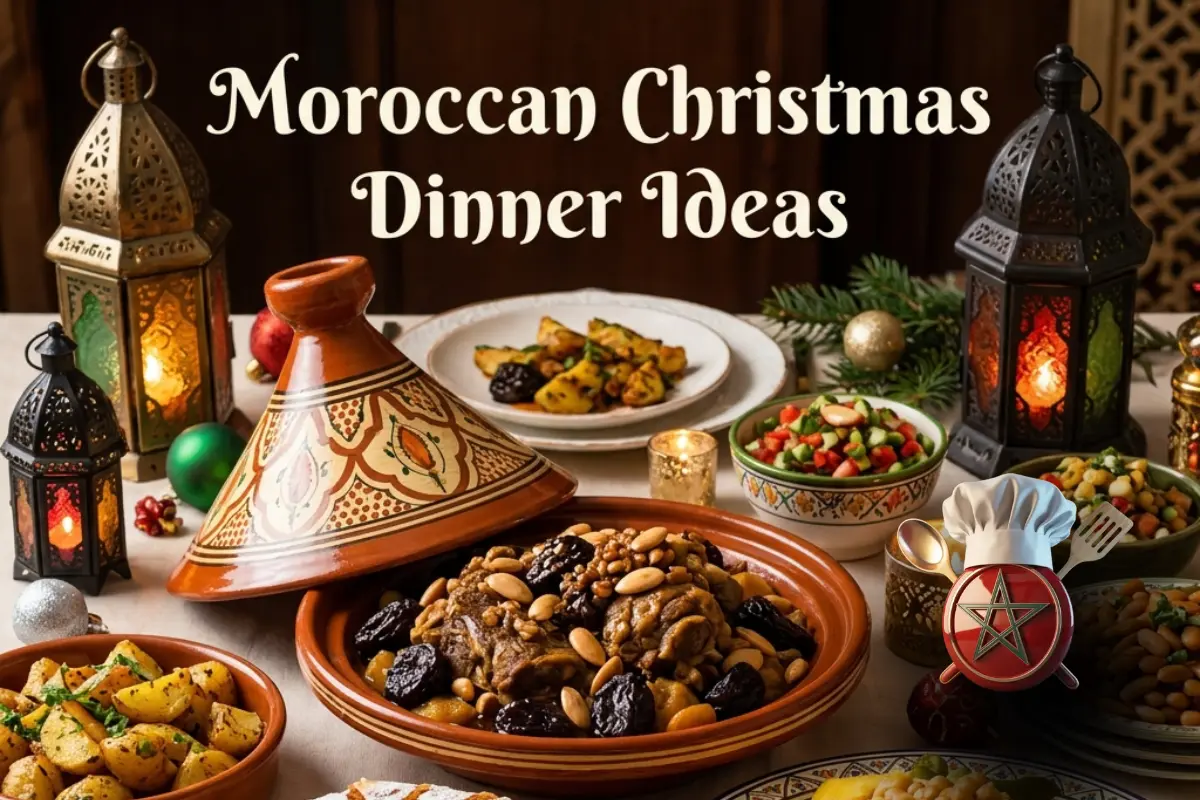
This Christmas, why not transport your guests on a magical culinary journey to Morocco? While turkey and ham have their place at traditional holiday tables, incorporating the warm spices, aromatic herbs, and exotic flavors of Moroccan cuisine can create an unforgettable festive experience that will have your family and friends talking long after the last bite.
Moroccan cuisine offers a perfect blend of comfort and sophistication that aligns beautifully with the Christmas spirit. The warming spices like cinnamon, ginger, and cloves naturally complement the cozy atmosphere of the holiday season, while the emphasis on sharing elaborate meals with loved ones mirrors the very essence of Christmas gatherings.
In this comprehensive guide, we'll explore how to create a stunning Moroccan-inspired Christmas dinner that honors both traditions. From succulent tagines that can replace your traditional roast to delicate pastries that rival any Christmas dessert, you'll discover how Moroccan flavors can elevate your holiday celebration to new heights.
The Art of Moroccan Holiday Entertaining
Moroccan dining culture is built around the concept of baraka – the blessing that comes from sharing food with others. This philosophy aligns perfectly with Christmas traditions, making Moroccan cuisine an ideal choice for holiday entertaining. The elaborate preparation, beautiful presentation, and communal nature of Moroccan meals create the perfect atmosphere for Christmas celebration.
The key to successful Moroccan holiday entertaining lies in understanding the balance of flavors that defines this ancient cuisine. Sweet and savory elements dance together in harmony, with warming spices providing depth and complexity. Dried fruits like dates, apricots, and figs add natural sweetness that complements the richness of slow-cooked meats and vegetables.
Essential Moroccan Spices for Christmas Cooking
Building your Moroccan Christmas menu starts with assembling the right spice collection. The most important spice blend is ras el hanout, which translates to "head of the shop" and represents the spice merchant's finest blend. This complex mixture typically contains over twenty spices and creates the signature flavor profile of Moroccan cuisine.
Other essential spices include:
- Cinnamon and ginger – Perfect for both savory dishes and desserts
- Saffron – Adds luxury and golden color to rice dishes and tagines
- Preserved lemons – Provide bright, citrusy notes that cut through rich dishes
- Rose water and orange blossom water – Essential for authentic Moroccan desserts
- Harissa – Adds gentle heat and depth to marinades and sauces
Planning Your Moroccan Christmas Menu
A traditional Moroccan feast follows a specific structure that works beautifully for Christmas dinner. Begin with small appetizers and salads, progress to substantial main courses served family-style, and conclude with sweet treats and mint tea. This progression allows guests to savor each course while building anticipation for what's to come.
Consider your guests' dietary preferences and spice tolerance when planning. Moroccan cuisine naturally accommodates various dietary needs, with many vegetarian options and the ability to adjust spice levels without compromising flavor complexity.
Magnificent Moroccan Main Courses for Christmas
The centerpiece of your Moroccan Christmas dinner should be a show-stopping main course that rivals traditional holiday roasts. Moroccan cuisine offers several spectacular options that will impress your guests while providing the comfort and satisfaction expected from a Christmas meal.
Royal Chicken and Apricot Tagine
This elegant tagine combines tender chicken with sweet apricots, almonds, and warm spices, creating a dish worthy of any royal table. The slow-cooking process ensures incredibly tender meat while allowing the flavors to meld into perfect harmony.
Ingredients and Preparation:
For this magnificent centerpiece, you'll need a whole chicken cut into pieces, dried apricots, blanched almonds, onions, fresh ginger, cinnamon sticks, and a generous amount of ras el hanout. The cooking process begins by creating a fragrant base of sautéed onions and spices, then adding the chicken to develop deep, complex flavors.
The magic happens during the slow braising process, where the chicken becomes incredibly tender while the apricots break down slightly, creating a naturally sweet sauce. Fresh herbs like cilantro and parsley added at the end provide brightness and color.
Moroccan Spiced Leg of Lamb
For those who prefer red meat, a Moroccan-spiced leg of lamb offers an exotic alternative to traditional Christmas roasts. The marinade penetrates deep into the meat, creating layers of flavor that develop beautifully during roasting.
The preparation involves creating a paste from garlic, fresh herbs, preserved lemons, and spices, then massaging it into scored cuts in the lamb. This technique, borrowed from traditional Moroccan cooking methods, ensures that every bite is infused with flavor.
Serve the lamb with roasted vegetables seasoned with Moroccan spices, creating a cohesive flavor profile throughout the meal. Root vegetables like carrots, turnips, and sweet potatoes work particularly well with these warming spices.
Vegetarian Stuffed Squash with Seven Vegetables
Moroccan cuisine offers spectacular vegetarian options that can serve as impressive main courses. A whole roasted squash stuffed with a fragrant mixture of seven vegetables represents abundance and celebration, making it perfect for Christmas dinner.
The traditional seven vegetables typically include carrots, turnips, zucchini, cabbage, chickpeas, tomatoes, and onions, though seasonal variations are encouraged. Each vegetable is cut to specific sizes to ensure even cooking, and the combination is seasoned with a complex blend of spices.
This dish showcases the Moroccan philosophy of creating extraordinary meals from simple, wholesome ingredients. The presentation is stunning, and the flavors are complex enough to satisfy even the most discerning palates.
Exquisite Moroccan Side Dishes and Accompaniments
Moroccan side dishes are far from afterthoughts – they're integral components that complete the meal's flavor profile and provide textural variety. These accompaniments should complement your main courses while offering guests a range of tastes and experiences.
Saffron and Almond Rice Pilaf
This luxurious rice dish serves as the perfect foundation for tagines and braised dishes. The saffron provides a beautiful golden color and distinctive flavor, while toasted almonds add crunch and richness. The preparation requires patience, as the rice must be cooked slowly to achieve the perfect texture.
Begin by blooming saffron threads in warm water to release their color and flavor. Toast almonds until golden and fragrant, then set aside. The rice is cooked using the absorption method, with the saffron water added gradually to ensure even distribution of color and flavor.
Moroccan Carrot and Orange Salad
This vibrant salad provides a refreshing contrast to rich main courses. The combination of sweet carrots, bright oranges, and aromatic herbs creates a palate-cleansing effect that's essential in a multi-course meal.
The key to this salad lies in the dressing, which combines orange juice, lemon juice, olive oil, and a touch of orange blossom water. Fresh mint and cilantro add herbaceous notes, while a sprinkle of cinnamon provides warmth.
Honey-Glazed Root Vegetables
Root vegetables glazed with honey and spices offer comfort and sweetness that feels appropriate for Christmas dinner. The vegetables are roasted until tender, then finished with a glaze made from honey, butter, and warm spices like cinnamon and ginger.
Choose a variety of root vegetables for visual interest and flavor complexity. Carrots, parsnips, sweet potatoes, and turnips all work beautifully with this preparation method.
| Dish Type | Preparation Time | Cooking Method | Serves | Spice Level |
|---|---|---|---|---|
| Chicken Tagine | 30 minutes | Slow braising | 6-8 people | Mild |
| Spiced Lamb | 20 minutes + marinating | Roasting | 8-10 people | Medium |
| Stuffed Squash | 45 minutes | Roasting | 6 people | Mild |
| Saffron Rice | 10 minutes | Absorption cooking | 8 people | Mild |
| Carrot Salad | 15 minutes | No cooking | 6 people | Mild |
Moroccan Christmas Desserts and Sweet Treats
No Moroccan Christmas dinner would be complete without an array of delicate sweets and desserts. Moroccan pastries and confections offer the perfect ending to a rich meal, providing sweetness balanced with aromatic spices and floral notes.
Traditional Chebakia – Moroccan Sesame Cookies
These intricate flower-shaped pastries are traditionally prepared for special occasions and religious holidays. Their complex preparation makes them perfect for Christmas, when extra effort in the kitchen demonstrates love and care for guests.
The dough is enriched with eggs, butter, and aromatic spices, then rolled thin and cut into intricate patterns. After frying until golden, the pastries are soaked in honey scented with orange blossom water and coated with sesame seeds.
The result is a cookie that's crispy on the outside, slightly chewy inside, and perfumed with the distinctive flavors of Morocco. These can be prepared days in advance, making them perfect for holiday entertaining.
Rose and Pistachio Baklava Moroccan-Style
This Moroccan interpretation of the classic Middle Eastern dessert incorporates rose water and pistachios for a delicate, floral flavor profile. Layers of phyllo pastry are brushed with clarified butter and filled with a mixture of ground pistachios, almonds, and aromatic spices.
After baking until golden and crispy, the baklava is soaked in a syrup made from honey, rose water, and orange blossom water. The result is a dessert that's both familiar and exotic, providing the perfect bridge between traditional Christmas sweets and Moroccan flavors.
Spiced Pear and Almond Tart
This elegant tart combines European pastry techniques with Moroccan spicing for a dessert that feels both sophisticated and comforting. Pears are poached in spiced wine, then arranged over an almond cream filling in a buttery pastry shell.
The spice blend for the poaching liquid includes cinnamon, cardamom, star anise, and a touch of rose water. The almond cream is enriched with ground almonds and a hint of orange zest, creating layers of complementary flavors.
Creating the Perfect Moroccan Christmas Atmosphere
The success of a Moroccan Christmas dinner extends beyond the food to encompass the entire dining experience. Creating an atmosphere that honors both traditions requires attention to presentation, service style, and ambiance.
Traditional Moroccan Table Setting
Moroccan dining traditionally takes place on low tables with guests seated on cushions, but this can be adapted for Western dining rooms. The key elements include beautiful serving dishes, preferably in warm metals like brass or copper, and an abundance of small bowls for various salads and accompaniments.
Layered textiles in rich colors create visual warmth, while candles provide intimate lighting. Fresh mint sprigs can serve as both garnish and natural air freshener, filling the room with festive fragrance.
Service Style and Presentation
Moroccan meals are traditionally served family-style, with all dishes presented simultaneously for guests to share. This approach works beautifully for Christmas dinner, encouraging conversation and connection among guests.
Present tagines in their traditional cooking vessels if available, as these beautiful ceramic pots add authenticity and visual appeal. Large serving platters for rice and vegetables create abundance and encourage generous portions.
| Element | Traditional Moroccan | Christmas Adaptation | Combined Approach |
|---|---|---|---|
| Lighting | Soft, warm candlelight | String lights, fireplace | Candles with subtle holiday lights |
| Colors | Rich jewel tones | Red, green, gold | Deep reds, golds, emerald |
| Serving Style | Family-style sharing | Individual plates | Shared platters, individual desserts |
| Music | Traditional oud, percussion | Christmas carols | Instrumental holiday music with world influences |
| Décor | Geometric patterns, metalwork | Evergreen, ornaments | Metallic ornaments with Moroccan patterns |
Beverage Pairings
Traditional Moroccan meals conclude with sweet mint tea, but Christmas dinner calls for more substantial beverage options. Consider serving spiced wine or mulled cider that incorporates Moroccan spices like cinnamon, cardamom, and star anise.
For wine pairings, choose robust reds that can stand up to the complex spicing, such as Côtes du Rhône or Spanish Tempranillo. The fruit-forward character of these wines complements the dried fruit elements in many Moroccan dishes.
Frequently Asked Questions
How far in advance can I prepare Moroccan Christmas dishes?
Most Moroccan dishes actually improve with time, making them perfect for advance preparation. Tagines can be made 1-2 days ahead and gently reheated, while many of the spice blends and marinades can be prepared weeks in advance. Desserts like chebakia keep well for several days when stored properly, and salads can be prepared the morning of your dinner.
Are Moroccan Christmas dishes suitable for guests with dietary restrictions?
Absolutely! Moroccan cuisine naturally accommodates many dietary needs. There are numerous vegetarian and vegan options, and many dishes are naturally gluten-free when served with rice instead of bread. The cuisine also offers flexibility in spice levels, so you can adjust heat to suit your guests' preferences while maintaining authentic flavors.
What's the best way to source authentic Moroccan ingredients?
Many Moroccan ingredients are now available in well-stocked supermarkets, particularly in international aisles. Middle Eastern grocery stores often carry preserved lemons, rose water, and spice blends. Online retailers offer excellent options for hard-to-find items like high-quality saffron and authentic ras el hanout blends. In a pinch, you can make substitutions without losing the essence of the dishes.
How do I adjust spice levels for guests who are sensitive to heat?
Moroccan cuisine relies more on aromatic spices than hot peppers, so most dishes are naturally mild. When recipes call for harissa or hot peppers, you can reduce or omit these ingredients without significantly impacting the flavor profile. Focus on warming spices like cinnamon, ginger, and cardamom, which provide complexity without heat.
Can I incorporate some traditional Christmas elements into a Moroccan menu?
Definitely! Consider serving Moroccan-spiced versions of Christmas favorites, such as adding ras el hanout to roasted Brussels sprouts or incorporating dried cranberries into couscous dishes. You can also create fusion desserts that combine Christmas fruits like pears and apples with Moroccan spicing techniques.
Conclusion
Creating a Moroccan Christmas dinner offers a wonderful opportunity to honor the spirit of both traditions while creating new memories with loved ones. The emphasis on sharing, abundance, and celebration that characterizes both Moroccan hospitality and Christmas festivities makes this fusion particularly meaningful.
The key to success lies in understanding that you're not abandoning Christmas traditions but rather expanding them to include new flavors and experiences. The warmth of Moroccan spices, the comfort of slow-cooked dishes, and the joy of sharing elaborate meals with family and friends embody the very essence of Christmas celebration.
Start planning your Moroccan Christmas dinner by selecting one or two main dishes that appeal to your family's tastes, then build your menu around these centerpieces. Remember that the goal is to create a memorable experience that brings people together around the table – something that both Moroccan and Christmas traditions do beautifully.
Whether you choose to prepare an elaborate feast with multiple courses or simply incorporate a few Moroccan elements into your traditional menu, you'll discover that these exotic flavors add depth, warmth, and excitement to your holiday celebration. Your guests will appreciate the effort and creativity, and you'll have established a new tradition that can be repeated and refined in years to come.