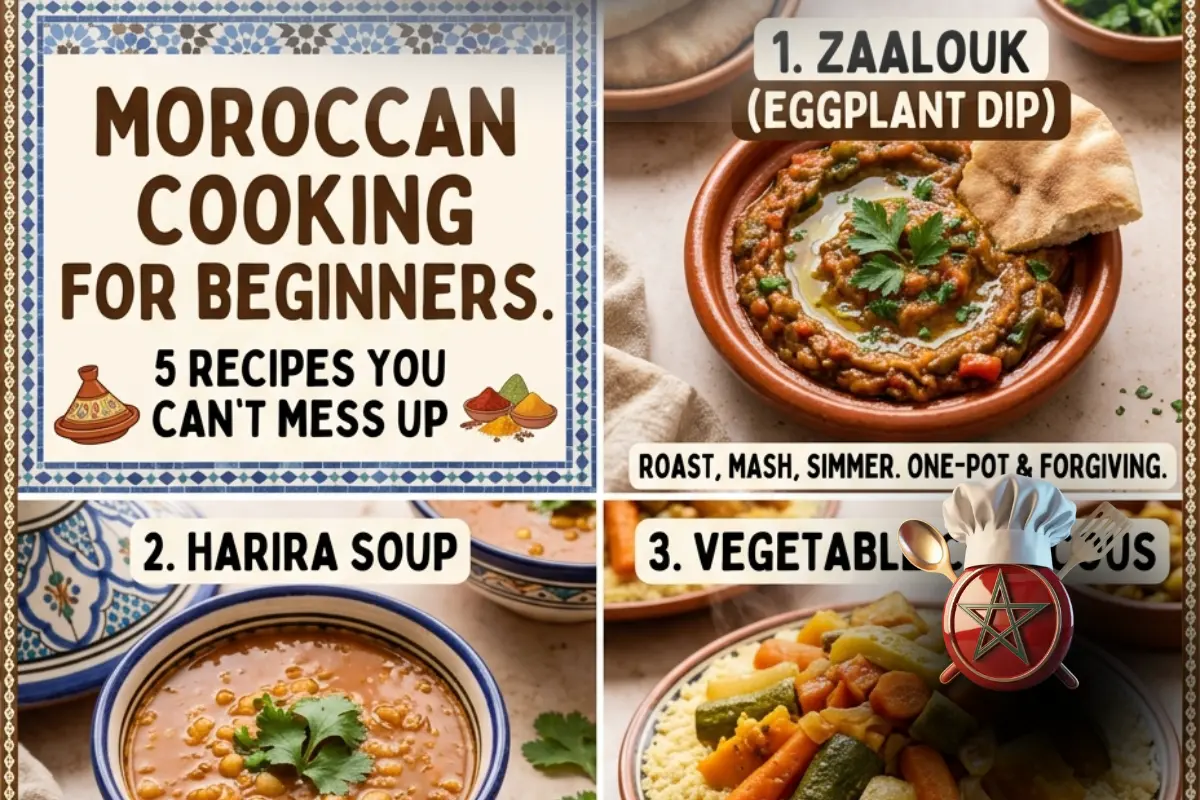
Moroccan cuisine represents one of the world's most aromatic and flavorful culinary traditions, blending African, Mediterranean, and Middle Eastern influences into dishes that have captivated food lovers for centuries. For Western home cooks, the prospect of recreating these complex flavors might seem daunting, but the truth is that many traditional Moroccan dishes are surprisingly forgiving and perfect for beginners.
The beauty of Moroccan cooking lies not in complicated techniques but in the harmonious layering of spices, the slow development of flavors, and the use of simple, wholesome ingredients. Unlike some cuisines that demand precise timing or advanced skills, Moroccan food rewards patience and intuition over technical perfection.
In this comprehensive guide, we'll explore five essential Moroccan recipes that are virtually impossible to ruin. These dishes form the backbone of Moroccan home cooking and will give you confidence to explore this magnificent cuisine further. Each recipe includes detailed instructions, ingredient substitutions for Western kitchens, and helpful tips to ensure success every time.
Understanding Moroccan Cooking Fundamentals
Before diving into specific recipes, it's essential to understand the foundational principles that make Moroccan cuisine so distinctive and accessible to beginners. These cooking methods have been refined over generations to create maximum flavor with minimum risk of failure.
The Magic of Moroccan Spice Blends
Moroccan cooking revolves around carefully balanced spice combinations rather than single seasonings. The most important blend you'll encounter is ras el hanout, literally meaning "head of the shop," which typically contains 15-20 different spices including cinnamon, cumin, coriander, paprika, and rose petals. While you can purchase pre-made blends, understanding the key components helps you adjust flavors to your taste.
Other essential spice combinations include the simple but powerful duo of ginger and turmeric for tagines, and the warming blend of cinnamon, ginger, and black pepper for sweet dishes. These combinations are nearly impossible to get wrong because they've been perfected through centuries of use.
The Forgiving Nature of Slow Cooking
Most traditional Moroccan dishes employ slow-cooking methods that naturally prevent overcooking and allow flavors to meld beautifully. Whether using a traditional tagine pot, a Dutch oven, or even a slow cooker, these methods give you a wide margin for error while producing consistently delicious results.
The key principle is low and slow – maintaining gentle heat over extended periods allows tough cuts of meat to become tender, vegetables to soften without losing their shape, and spices to bloom and integrate fully. This approach is incredibly forgiving and actually improves if left to cook a bit longer than planned.
Essential Equipment and Substitutions
While authentic Moroccan cooking uses specific equipment like tagine pots and couscoussiers, Western kitchen equipment works beautifully for these recipes. A heavy-bottomed Dutch oven or large skillet with a tight-fitting lid can substitute for a tagine, while a fine-mesh steamer or even a colander over boiling water works for couscous preparation.
| Traditional Equipment | Western Substitute | Why It Works |
|---|---|---|
| Tagine Pot | Dutch Oven or Heavy Skillet with Lid | Provides same slow, moist cooking environment |
| Couscoussier | Fine-mesh steamer or colander | Allows steam circulation for fluffy couscous |
| Mortar and Pestle | Spice grinder or food processor | Achieves similar spice grinding results |
| Gsaa (large mixing bowl) | Large mixing bowl | Identical function for mixing and serving |
Recipe 1: Classic Chicken Tagine with Preserved Lemons and Olives
This iconic Moroccan dish represents the perfect introduction to tagine cooking. The combination of tender chicken, tangy preserved lemons, and briny olives creates a flavor profile that's both exotic and familiar to Western palates.
Ingredients (Serves 4-6)
- 3 lbs chicken pieces (thighs and drumsticks work best)
- 2 large onions, sliced
- 4 cloves garlic, minced
- 2 tsp ground ginger
- 1 tsp turmeric
- 1 tsp ground cinnamon
- 1/2 cup green olives
- 2 preserved lemons, quartered (or zest of 2 lemons plus 2 tbsp salt)
- 1/4 cup olive oil
- 1/2 cup chicken broth
- Fresh cilantro and parsley for garnish
- Salt and black pepper to taste
Step-by-Step Instructions
- Season and brown the chicken: Pat chicken pieces dry and season generously with salt and pepper. Heat olive oil in your Dutch oven over medium-high heat. Brown chicken pieces on all sides, about 6-8 minutes total. Remove and set aside.
- Build the flavor base: In the same pot, add sliced onions and cook until softened, about 5 minutes. Add minced garlic, ginger, turmeric, and cinnamon. Cook for another minute until fragrant.
- Combine and simmer: Return chicken to the pot, add chicken broth, and bring to a gentle simmer. Cover and reduce heat to low. Cook for 45 minutes to 1 hour, until chicken is tender and easily pulls away from the bone.
- Add final ingredients: Stir in olives and preserved lemons. Cook uncovered for an additional 10 minutes to concentrate flavors and reduce any excess liquid.
- Finish and serve: Taste and adjust seasoning. Garnish with chopped fresh herbs and serve with couscous or flatbread.
Why This Recipe Never Fails
This tagine is practically foolproof because chicken thighs and drumsticks are difficult to overcook, and the slow simmering method ensures tender, flavorful meat every time. The preserved lemons and olives add such bold flavors that minor variations in cooking time or spice amounts won't significantly impact the final dish.
Recipe 2: Fluffy Couscous with Seven Vegetables
Couscous with vegetables represents the heart of Moroccan family cooking. This nutritious, colorful dish teaches fundamental couscous preparation techniques while showcasing how Moroccan cooks transform simple vegetables into something spectacular.
Ingredients (Serves 6-8)
- 2 cups couscous (medium grain)
- 2 cups warm water
- 3 tbsp olive oil
- 1 tsp salt
- 2 onions, quartered
- 3 carrots, cut into large chunks
- 3 zucchini, cut into large pieces
- 2 turnips, quartered
- 1 small cabbage, cut into wedges
- 1 can chickpeas, drained
- 1 can diced tomatoes
- 2 tsp ras el hanout or 1 tsp each: cumin, coriander, paprika
- 4 cups vegetable broth
- Fresh herbs for garnish
Preparation Method
- Prepare the couscous: Place couscous in a large bowl. Dissolve salt in warm water and pour over couscous. Add 1 tablespoon olive oil and mix gently. Let stand for 10 minutes, then fluff with a fork. This pre-steaming ensures perfectly separated grains.
- Build the vegetable stew: Heat remaining olive oil in a large pot over medium heat. Add onions and cook until translucent. Add ras el hanout and cook until fragrant, about 1 minute.
- Layer the vegetables: Add diced tomatoes, then layer vegetables by cooking time – hardest vegetables like turnips and carrots first, followed by zucchini and cabbage. Add chickpeas and pour in vegetable broth.
- Steam the couscous: Place couscous in a steamer basket over the simmering vegetables, or use a colander lined with cheesecloth. Cover and steam for 20 minutes while vegetables cook below.
- Final assembly: Remove couscous and fluff again. Taste vegetables and adjust seasoning. Serve couscous in a large bowl with vegetables arranged on top and broth served alongside.
Success Tips for Perfect Couscous
The key to fluffy couscous lies in the initial hydration and gentle steaming. Unlike rice or pasta, couscous should never be boiled directly. The pre-soaking method ensures each grain absorbs just enough moisture, while steaming provides the perfect texture. Even if you steam it a bit longer than planned, the couscous will remain light and fluffy.
Recipe 3: Hearty Harira Soup
Harira represents Morocco's most beloved soup, traditionally served during Ramadan to break the fast. This protein-rich, satisfying soup combines lentils, chickpeas, tomatoes, and warming spices in a way that's both nourishing and incredibly flavorful.
Ingredients (Serves 6-8)
- 1 cup red lentils
- 1 can chickpeas, drained
- 1 lb lamb or beef, cut into small cubes (optional)
- 1 large onion, finely chopped
- 3 celery stalks, chopped
- 1 can crushed tomatoes
- 2 tbsp tomato paste
- 1 tsp ground ginger
- 1 tsp turmeric
- 1 tsp cinnamon
- 1/2 cup fresh cilantro, chopped
- 1/2 cup fresh parsley, chopped
- 8 cups water or broth
- 2 tbsp flour mixed with 1/4 cup water
- 3 tbsp olive oil
- Salt and pepper to taste
- Lemon wedges for serving
Cooking Process
- Start the base: Heat olive oil in a large pot over medium heat. If using meat, brown the cubes on all sides, about 8 minutes total. Add chopped onion and celery, cooking until softened.
- Add aromatics: Stir in tomato paste, ginger, turmeric, and cinnamon. Cook for 2 minutes until fragrant and the tomato paste darkens slightly.
- Build the soup: Add crushed tomatoes, lentils, chickpeas, and half the fresh herbs. Pour in water or broth and bring to a boil. Reduce heat and simmer covered for 45 minutes to 1 hour, until lentils are completely tender.
- Thicken and finish: Stir the flour-water mixture to prevent lumps, then gradually add to the simmering soup while stirring. Cook for an additional 10 minutes until slightly thickened. Stir in remaining fresh herbs.
- Season and serve: Taste and adjust salt, pepper, and spices as needed. Serve hot with lemon wedges and crusty bread.
Why Harira Always Succeeds
Harira's forgiving nature comes from its rustic origins as a hearty peasant soup. The lentils naturally break down to create body, while the long simmering time means ingredients can cook longer without harm. The soup actually improves in flavor when reheated, making it perfect for meal prep or when timing isn't perfect.
Recipe 4: Sweet and Savory Chicken Pastilla (Simplified Version)
Traditional pastilla involves delicate phyllo pastry work, but this simplified version captures all the exotic flavors using easier techniques. This dish showcases Morocco's genius for combining sweet and savory elements in one spectacular creation.
Ingredients (Serves 6-8)
- 6 sheets phyllo pastry, thawed
- 3 cups cooked chicken, shredded
- 1 large onion, finely chopped
- 4 eggs
- 1/2 cup almonds, chopped and toasted
- 2 tbsp powdered sugar
- 1 tsp ground cinnamon
- 1 tsp ground ginger
- 1/2 tsp saffron threads
- 1/4 cup butter, melted
- 2 tbsp olive oil
- 1/4 cup fresh parsley, chopped
- 1/4 cup fresh cilantro, chopped
- Salt and pepper to taste
- Extra cinnamon and powdered sugar for dusting
Assembly Instructions
- Prepare the filling: Heat olive oil in a large skillet over medium heat. Cook onion until very soft and golden, about 10 minutes. Add shredded chicken, saffron, ginger, and season with salt and pepper. Cook for 5 minutes, stirring frequently.
- Add eggs: Beat eggs lightly and pour into the chicken mixture. Stir constantly over low heat until eggs are just set but still creamy, about 3-4 minutes. Remove from heat and stir in fresh herbs. Let cool completely.
- Prepare almond mixture: Combine toasted almonds with powdered sugar and cinnamon in a small bowl. This sweet layer contrasts beautifully with the savory chicken.
- Assemble the pastilla: Preheat oven to 375°F. Brush a round baking dish with melted butter. Layer 3 phyllo sheets, brushing each with butter and overlapping edges. Spread half the chicken mixture, sprinkle with almond mixture, then add remaining chicken. Top with remaining phyllo sheets, brushing each with butter.
- Bake and finish: Tuck phyllo edges under to create a neat package. Brush top with remaining butter. Bake for 25-30 minutes until golden brown and crispy. Let rest 5 minutes, then dust with cinnamon and powdered sugar before serving.
Beginner-Friendly Modifications
This simplified pastilla eliminates the trickiest parts of traditional preparation while maintaining authentic flavors. Using a round baking dish instead of free-form shaping makes assembly foolproof, and the forgiving nature of phyllo pastry means small tears or imperfections won't affect the final result.
Recipe 5: Traditional Moroccan Mint Tea
No Moroccan meal is complete without the ritual of mint tea service. This seemingly simple beverage requires specific techniques to achieve the perfect balance of green tea, fresh mint, and sugar that characterizes authentic Moroccan hospitality.
Ingredients (Serves 4-6)
- 2 tbsp Chinese green tea (gunpowder tea preferred)
- 1 large bunch fresh spearmint
- 4-6 tbsp sugar (adjust to taste)
- 6 cups water
- Additional mint sprigs for garnish
Preparation Ritual
- Prepare the teapot: Use a metal teapot if available, as it conducts heat better. Warm the pot by swirling hot water inside, then discard the water.
- Rinse the tea: Add green tea leaves to the warm pot. Pour a small amount of hot (not boiling) water over the leaves, swirl gently, and immediately pour out. This removes bitterness and awakens the tea.
- Add ingredients: Return the rinsed tea to the pot. Add sugar and pack in the fresh mint, stems and all. The stems contribute important oils and flavor.
- Brew properly: Pour hot water (around 180°F, not boiling) over the ingredients. Let steep for 3-4 minutes. The timing is crucial – too short and the flavors won't develop, too long and bitterness emerges.
- Serve with ceremony: Pour tea from a height of 12 inches into small glasses, which creates the characteristic foam and helps blend flavors. Serve immediately while hot.
The Science of Perfect Mint Tea
Moroccan mint tea succeeds because of the specific interplay between green tea tannins, mint oils, and sugar. The high pour aerates the tea and helps emulsify these elements, while the specific temperature prevents over-extraction of bitter compounds. This traditional method is actually more forgiving than it appears – even slight variations in timing or temperature produce delicious results.
Spice Guide and Shopping Tips
Success with Moroccan cooking depends largely on understanding and sourcing quality spices. Here's a comprehensive guide to building your Moroccan spice pantry and making substitutions when needed.
| Essential Spice | Flavor Profile | Common Substitution | Storage Tips |
|---|---|---|---|
| Ras el Hanout | Complex, warm, slightly sweet | Equal parts cumin, coriander, paprika, cinnamon | Airtight container, 1 year maximum |
| Preserved Lemons | Intensely lemony, salty, aromatic | Lemon zest + salt, or pickled lemon rind | Refrigerated in brine, lasts 6 months |
| Saffron | Floral, honey-like, slightly metallic | Turmeric (color only) or omit | Freeze in small portions |
| Rose Water | Floral, perfumed, delicate | Orange blossom water or omit | Cool, dark place, 2 years |
| Harissa | Hot, smoky, complex heat | Cayenne + paprika + garlic | Refrigerated after opening |
When shopping for spices, prioritize whole spices over pre-ground when possible, as they maintain potency longer. Middle Eastern or North African markets offer the best selection and prices, but mainstream grocery stores increasingly carry Moroccan specialties in their international sections.
Common Mistakes and How to Avoid Them
Understanding typical beginner errors helps ensure success with these recipes. Most mistakes in Moroccan cooking relate to spice handling, timing, or heat management rather than complex techniques.
Spice-Related Issues
Over-toasting spices: Moroccan recipes rarely call for toasted spices, unlike some other cuisines. Most spices are added directly to oil or liquid, where they bloom gently without risk of burning. If a recipe calls for blooming spices, watch carefully and remove from heat as soon as they become fragrant.
Using stale spices: The magic of Moroccan cuisine depends on vibrant spice flavors. Replace ground spices every 12-18 months, and consider grinding whole spices yourself for maximum impact. A good rule of thumb is that if you can't smell the spice when you open the container, it's time to replace it.
Temperature and Timing Errors
Cooking too fast: Nearly all traditional Moroccan dishes benefit from slow, gentle cooking. Rushing the process leads to tough meat, burnt aromatics, and poorly integrated flavors. When in doubt, lower the heat and extend the cooking time.
Not allowing flavors to develop: Many Moroccan dishes improve significantly when allowed to rest after cooking. Tagines, soups, and stews often taste better the next day as flavors meld and intensify.
Frequently Asked Questions
Can I make these recipes without a tagine pot?
Absolutely! While traditional tagine pots create ideal cooking conditions, a heavy-bottomed Dutch oven or large skillet with a tight-fitting lid works excellently. The key is maintaining steady, gentle heat and keeping moisture in during cooking. Many Moroccan families living abroad successfully use Western cookware for traditional recipes.
How do I adjust spice levels for sensitive palates?
Moroccan cuisine is generally mild rather than hot, focusing on aromatic spices rather than heat. Start with half the recommended spice amounts and taste as you go. You can always add more, but it's difficult to remove excess seasoning. Focus on the sweet spices like cinnamon and ginger, which are more universally appealing to Western palates.
What's the best way to source authentic ingredients?
Middle Eastern or North African markets offer the best selection and prices for specialty ingredients like preserved lemons, ras el hanout, and quality saffron. Online retailers also provide good options, especially for spice blends. However, many ingredients like good olive oil, fresh herbs, and basic spices are available in regular supermarkets.
Can these recipes be made ahead or frozen?
Most of these dishes freeze beautifully and actually improve in flavor when reheated. Tagines, harira soup, and couscous with vegetables all freeze well for up to three months. Mint tea should be made fresh, and pastilla is best served immediately after baking, though components can be prepared in advance.
How do I know when tagine dishes are properly cooked?
Properly cooked tagines have tender meat that easily pulls apart with a fork, vegetables that hold their shape but yield easily to pressure, and a small amount of concentrated, flavorful sauce. The liquid should be mostly absorbed or reduced, leaving just enough to keep everything moist. If there's too much liquid, continue cooking uncovered to reduce it.
Conclusion: Your Journey into Moroccan Cooking
These five foundational recipes represent just the beginning of your exploration into Morocco's rich culinary landscape. Each dish teaches essential techniques – slow braising for tagines, proper steaming for couscous, building complex flavors for soups, working with phyllo for pastries, and the ceremonial aspects of tea preparation – that apply to countless other Moroccan recipes.
The beauty of Moroccan cuisine lies in its accessibility and forgiveness. These recipes have fed families for generations precisely because they're adaptable, forgiving, and deeply satisfying. As you become comfortable with these basics, you'll develop the intuition to adjust seasonings, substitute ingredients, and eventually create your own variations.
Remember that Moroccan cooking is as much about the experience as the final dish. The slow simmering of a tagine, the ritual of tea service, and the communal enjoyment of couscous all contribute to the cuisine's special character. Embrace the process, be patient with yourself as you learn, and most importantly, share these dishes with others.
With these recipes in your repertoire, you'll have the confidence to explore Morocco's incredible culinary diversity. From here, you might venture into more complex dishes like lamb mechoui, seafood chermoula, or delicate pastries like chebakia. Each new recipe will build on the fundamental skills and flavor understanding you've developed through these foolproof foundations.
The journey into Moroccan cooking is one of discovery, patience, and immense reward. These five recipes will serve you well as stepping stones into a cuisine that has captivated food lovers worldwide with its warmth, complexity, and irresistible hospitality. Welcome to the wonderful world of Moroccan cooking – your kitchen will never smell the same again, and your dinner table will become a destination for friends and family drawn by the exotic aromas and incredible flavors of North Africa.