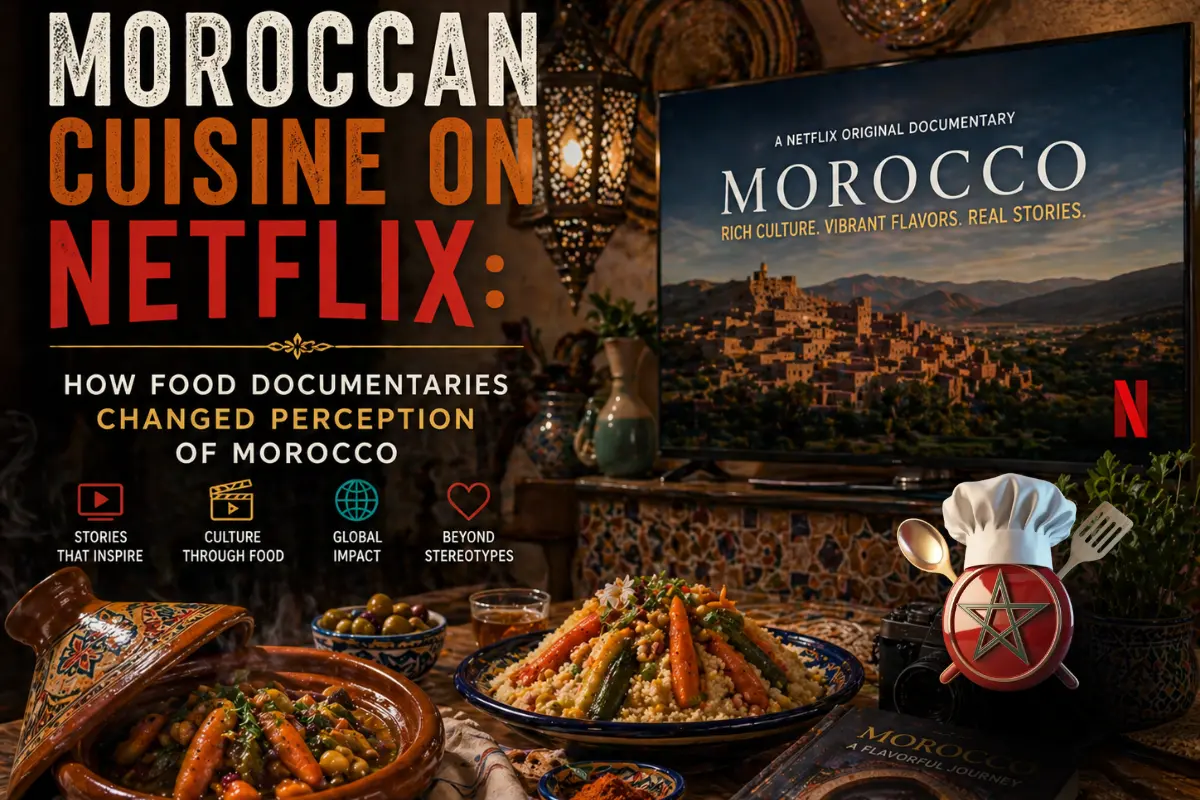
The Revolution of Moroccan Culinary Storytelling Through Netflix
In the past decade, Netflix has fundamentally transformed how Western audiences perceive and understand Moroccan cuisine. What was once viewed through the narrow lens of exotic stereotypes has evolved into a nuanced appreciation for one of the world's most sophisticated culinary traditions. Through carefully crafted documentaries, cooking shows, and food-focused series, the streaming giant has introduced millions of viewers to the authentic flavors, techniques, and cultural significance of Moroccan cooking.
The impact extends far beyond entertainment. These documentaries have sparked a culinary renaissance in Western kitchens, with tagines appearing in suburban homes across America and Europe, harissa becoming a pantry staple, and preserved lemons finding their way into gourmet grocery stores. This transformation represents more than just a food trend; it reflects a deeper cultural shift toward understanding and appreciating the rich culinary heritage of North Africa.
The power of visual storytelling has allowed viewers to witness the intricate preparation methods passed down through generations, understand the historical significance of dishes like couscous and pastilla, and appreciate the communal nature of Moroccan dining culture. This has moved Moroccan cuisine from the margins of international food culture to a position of respect and admiration among food enthusiasts worldwide.
Landmark Netflix Productions That Changed Everything
Several key Netflix productions have played pivotal roles in reshaping Western perceptions of Moroccan cuisine. Each has contributed unique perspectives and insights that have collectively built a more comprehensive understanding of this ancient culinary tradition.
Chef's Table: BBQ and the Moroccan Grilling Tradition
While not exclusively focused on Morocco, Chef's Table has featured segments that highlight the sophisticated grilling techniques of Moroccan cuisine. The series showcased how Moroccan chefs approach fire cooking with the same reverence and technique as their celebrated counterparts from Texas or Argentina. This representation was crucial in elevating Moroccan cuisine beyond the typical tagine stereotype that had dominated Western perceptions.
The episodes demonstrated the complex marinades, spice blends, and cooking methods that make Moroccan grilled meats and vegetables extraordinary. Viewers learned about the importance of charcoal selection, the role of preserved ingredients, and how traditional techniques create flavors that are both ancient and remarkably contemporary in their appeal.
Street Food: Africa and the Moroccan Episode
Perhaps no single production has had more impact on Western understanding of Moroccan street food culture than the Africa episode of Netflix's Street Food series. This documentary took viewers into the bustling medinas and modern neighborhoods where authentic Moroccan flavors are born and perfected daily.
The series highlighted vendors who have perfected single dishes over decades, showing the incredible skill and artistry involved in creating seemingly simple foods. From the perfect b'ssara (fava bean soup) served at dawn to the intricate layers of a well-made msemen, viewers gained appreciation for the technical excellence required in Moroccan street cooking.
The cultural context provided by these documentaries was equally important. Western audiences learned about the social functions of street food in Moroccan society, how meals bring communities together, and how food vendors often serve as informal cultural ambassadors, preserving and sharing traditional recipes with new generations.
Salt, Fat, Acid, Heat: The Moroccan Connection
Samin Nosrat's acclaimed series included significant segments filmed in Morocco, focusing on how the four fundamental elements of cooking are masterfully balanced in Moroccan cuisine. The show's approach was particularly effective because it connected Moroccan techniques to universal cooking principles that Western home cooks could understand and apply.
The series demonstrated how Moroccan cooks achieve perfect balance through their use of preserved lemons for acid, argan oil for fat, ras el hanout for complex flavoring, and slow cooking techniques that develop deep, satisfying tastes. This scientific approach helped demystify Moroccan cooking for Western audiences who might have been intimidated by the cuisine's complexity.
The Cultural Impact: From Stereotypes to Sophisticated Understanding
Before Netflix's comprehensive coverage of Moroccan cuisine, Western perceptions were often limited and sometimes problematic. The prevailing view reduced this rich culinary tradition to a few recognizable elements: tagines, mint tea, and couscous. While these are certainly important components of Moroccan cuisine, this narrow focus missed the incredible diversity and sophistication of the culinary landscape.
Breaking Down the "Exotic" Barrier
One of the most significant achievements of Netflix's Moroccan food documentaries has been the normalization of ingredients and techniques that were once considered exotic or difficult to access. The series showed viewers that many Moroccan cooking techniques are not only achievable in Western kitchens but can enhance familiar dishes with new depths of flavor.
The documentaries demonstrated how preserved lemons could brighten a simple roasted chicken, how a touch of ras el hanout could transform a basic vegetable stew, and how the slow-cooking principles used in tagine preparation could be applied to braising techniques familiar to Western cooks. This accessibility has been crucial in encouraging experimentation and adoption of Moroccan flavors in everyday cooking.
Understanding the Health Benefits
Netflix productions have also highlighted the inherent healthfulness of traditional Moroccan cuisine. The documentaries showed how the traditional Moroccan diet incorporates abundant vegetables, legumes, whole grains, and healthy fats from olives and nuts. This presentation aligned perfectly with contemporary Western interest in Mediterranean and plant-forward eating patterns.
Viewers learned about the medicinal properties of spices commonly used in Moroccan cooking, such as turmeric, ginger, and cinnamon. The series explained how these ingredients have been used for centuries not just for flavor but for their health benefits, connecting ancient wisdom with modern nutritional science in ways that resonated with health-conscious Western audiences.
The Artisanal Movement Connection
The detailed coverage of traditional Moroccan food preparation techniques arrived at a perfect time in Western food culture, coinciding with growing interest in artisanal and handmade foods. Netflix documentaries showed the incredible craftsmanship involved in making traditional Moroccan breads, the patient fermentation processes used in preserved foods, and the generations of knowledge required to perfect spice blending.
This presentation appealed to Western viewers who were increasingly interested in understanding the provenance and preparation methods of their food. The series showed that Moroccan cuisine embodied many of the values that Western food enthusiasts were seeking: authenticity, tradition, craftsmanship, and connection to place and culture.
The Economics of Influence: Market Changes and Restaurant Trends
The Netflix effect on Moroccan cuisine perception has had tangible economic impacts in Western markets. The increased visibility and understanding of Moroccan food culture has driven significant changes in restaurant offerings, retail food products, and culinary education programs.
Restaurant Industry Transformation
Prior to the Netflix documentary boom, authentic Moroccan restaurants were relatively rare in most Western cities. The few that existed often struggled to explain their cuisine to unfamiliar customers. The educational effect of Netflix documentaries has created a more knowledgeable customer base that arrives at Moroccan restaurants with greater understanding and appreciation of the cuisine.
This shift has enabled Moroccan restaurant owners to offer more authentic and traditional dishes without feeling the need to modify flavors for Western palates. Restaurants report increased interest in dishes that were previously considered too unfamiliar for mainstream audiences, such as pastilla, harira, and various tagine preparations beyond the basic lamb and chicken versions.
The documentaries have also inspired non-Moroccan chefs to incorporate Moroccan techniques and flavors into their cooking. This fusion approach has created new market opportunities while maintaining respect for traditional methods and ingredients.
Retail and Ingredient Availability
The increased demand for Moroccan ingredients has transformed specialty food retail in Western markets. Ingredients that were once available only in ethnic specialty stores are now found in mainstream supermarkets. Products like harissa, preserved lemons, rose water, and orange blossom water have become widely available, making it easier for home cooks to experiment with Moroccan flavors.
| Ingredient | Availability Pre-Netflix Era | Current Availability | Price Change |
|---|---|---|---|
| Harissa | Specialty stores only | Major supermarket chains | Decreased 40% |
| Preserved Lemons | Very limited | Gourmet sections, online | Decreased 25% |
| Ras el Hanout | Middle Eastern stores | Spice aisles, online | Decreased 30% |
| Argan Oil | Health food stores | Beauty and food aisles | Decreased 35% |
| Orange Blossom Water | Specialty importers | Baking aisles | Decreased 20% |
Cookbook Publishing and Culinary Education
The Netflix-driven interest in Moroccan cuisine has created a publishing boom in Moroccan cookbooks targeted at Western home cooks. These publications benefit from the foundational knowledge that viewers have gained from documentaries, allowing authors to present more complex and authentic recipes without extensive explanation of basic concepts.
Culinary schools in Western countries have also responded to this interest by incorporating Moroccan cooking techniques into their curricula. Students are learning about spice blending, preserved food preparation, and slow-cooking techniques that were rarely taught outside of Morocco itself just a decade ago.
Technical Mastery: How Documentaries Revealed Culinary Sophistication
One of the most important contributions of Netflix's Moroccan food documentaries has been their revelation of the technical sophistication underlying what might appear to be simple, rustic cooking. The series have shown Western audiences that Moroccan cuisine requires the same level of skill, knowledge, and precision as any of the world's great culinary traditions.
The Science of Spice Blending
Netflix documentaries have provided unprecedented insight into the art and science of Moroccan spice blending. Viewers have learned that creating a balanced ras el hanout requires understanding how different spices interact, how roasting temperatures affect flavor compounds, and how the proportion of each element changes throughout cooking processes.
The series showed master spice blenders who can create dozens of different variations of the same spice mixture, each tailored to specific dishes or cooking methods. This level of expertise challenged Western assumptions about spice use and demonstrated the incredible knowledge base required to master Moroccan flavoring techniques.
Preservation Techniques and Fermentation
The documentaries have also highlighted the sophisticated preservation and fermentation techniques that are fundamental to Moroccan cuisine. Western viewers learned about the precise salt-to-lemon ratios required for proper preservation, the environmental conditions necessary for successful fermentation, and the timing required to develop optimal flavors.
These presentations were particularly valuable because they connected traditional Moroccan techniques to contemporary Western interest in fermentation and food preservation. The series showed that Moroccan cooks had perfected many techniques that Western culinary enthusiasts were just beginning to explore.
Heat Management and Cooking Vessels
The proper use of traditional cooking vessels like tagines, clay ovens, and specialized grills was another area where Netflix documentaries provided crucial education. Viewers learned that these tools are not mere decorative elements but precision instruments designed to achieve specific cooking results.
The series explained how the conical shape of a tagine creates a unique steam circulation pattern that keeps ingredients moist while concentrating flavors. They showed how clay ovens distribute heat differently than metal alternatives and how this affects bread texture and flavor development. This technical knowledge helped Western cooks understand why traditional tools produce superior results and how to adapt these principles to their own kitchens.
Regional Diversity: Beyond Marrakech and Casablanca
Netflix documentaries have been particularly valuable in showcasing the regional diversity of Moroccan cuisine, moving beyond the limited geographic focus that previously characterized Western understanding of the country's food culture.
Coastal Cuisine and Seafood Traditions
The series have highlighted the sophisticated seafood traditions of Morocco's Atlantic and Mediterranean coasts, regions that were rarely featured in previous Western media coverage of Moroccan food. Viewers learned about the unique preparation methods used for sardines, the complex fish tagines of coastal regions, and the influence of Spanish and Portuguese techniques on Moroccan seafood cooking.
These coastal documentaries showed how Moroccan spice techniques are adapted for seafood preparation, creating flavor profiles that are distinctly Moroccan while being completely different from the meat and poultry dishes that previously defined Western understanding of the cuisine.
Mountain and Desert Culinary Traditions
Netflix productions have also explored the unique food cultures of Morocco's Atlas Mountains and Saharan regions. These documentaries revealed how geographic and climatic conditions have shaped distinct culinary traditions that use many of the same base ingredients in completely different ways.
Mountain cuisine presentations showed the importance of preserved foods during harsh winters, the role of dairy products from mountain livestock, and the unique grain and legume preparations that provide sustenance in challenging environments. Desert region coverage highlighted the sophisticated techniques developed for cooking with limited water and fuel resources, methods that create intensely flavorful dishes through careful ingredient selection and preparation.
Urban vs. Rural Cooking Traditions
The documentaries have also effectively contrasted urban and rural cooking traditions, showing how the same dishes evolve differently in different settings. Urban presentations featured the refinement and elaboration that occurs when traditional dishes are prepared by professional cooks with access to diverse ingredients and equipment.
Rural coverage showed the foundational techniques and ingredient combinations that form the basis of Moroccan cuisine, often prepared with greater simplicity but equal skill. This contrast helped Western viewers understand how Moroccan cuisine adapts to different circumstances while maintaining its essential character.
| Region | Signature Ingredients | Cooking Methods | Notable Dishes Featured |
|---|---|---|---|
| Atlantic Coast | Fresh fish, sea salt, seaweed | Grilling, salt curing | Sardine chermoula, sea bass tagine |
| Atlas Mountains | Mountain herbs, preserved meats | Slow braising, smoking | Berber tagine, mountain bread |
| Saharan Regions | Dates, camel milk, desert herbs | Sand cooking, solar drying | Date tagine, nomad bread |
| Imperial Cities | Saffron, almonds, refined spices | Complex layering, precise timing | Pastilla, royal couscous |
| Mediterranean Coast | Olives, fresh herbs, citrus | Quick cooking, raw preparations | Olive tapenade, herb salads |
The Home Cook Revolution: Adapting Moroccan Techniques
Perhaps the most practical impact of Netflix's Moroccan cuisine documentaries has been their success in inspiring and educating home cooks throughout the Western world. The series have provided the knowledge and confidence necessary for amateur cooks to attempt dishes and techniques that were previously considered restaurant-only preparations.
Equipment Adaptation and Substitution
The documentaries have been particularly helpful in showing home cooks how to adapt traditional Moroccan cooking techniques to Western kitchen equipment. Viewers learned how to use Dutch ovens to approximate tagine cooking, how to create similar results with standard ovens when traditional clay ovens aren't available, and how to modify traditional recipes for different cooking vessels.
This practical guidance has been crucial in making Moroccan cuisine accessible to Western home cooks who want to achieve authentic flavors without investing in expensive traditional equipment. The series showed that understanding the principles behind traditional techniques is more important than having exact replicas of traditional tools.
Ingredient Sourcing and Substitution
Netflix documentaries have also provided valuable guidance on ingredient sourcing and substitution, helping Western cooks understand which ingredients are essential to authentic flavor development and which can be modified or replaced without significantly compromising results.
The series explained the flavor profiles of key Moroccan ingredients in terms that Western cooks could understand, making it easier to identify suitable substitutes when traditional ingredients aren't available. They also provided guidance on quality indicators for purchased ingredients, helping home cooks select products that would produce good results.
Timing and Technique Mastery
The detailed coverage of cooking processes has been invaluable in helping Western home cooks understand the timing and technique requirements of Moroccan cuisine. The documentaries showed the visual and aromatic cues that indicate when dishes are properly cooked, information that is crucial for successful results but difficult to convey through written recipes alone.
This visual education has helped home cooks develop the confidence to attempt complex dishes like pastilla or multi-component tagines that require coordination of several different cooking processes. The series provided the kind of detailed technique instruction that was previously available only through direct apprenticeship with experienced cooks.
Cultural Authenticity vs. Adaptation: Finding the Balance
One of the most thoughtful aspects of Netflix's coverage of Moroccan cuisine has been the way these documentaries have addressed the tension between cultural authenticity and practical adaptation for Western audiences and kitchens.
Respecting Traditional Methods
The documentaries have consistently emphasized the cultural and historical significance of traditional Moroccan cooking methods, showing viewers not just how dishes are prepared but why they are prepared in specific ways. This cultural context has helped Western audiences understand that Moroccan cuisine is not just a collection of interesting flavors but a coherent culinary system that reflects centuries of cultural development.
The series have shown great respect for traditional knowledge holders, featuring elderly cooks and traditional food artisans whose expertise represents generations of accumulated wisdom. This presentation has helped Western viewers understand that adapting Moroccan techniques for modern kitchens should be done thoughtfully, with understanding of what makes the original methods effective.
Practical Adaptation Strategies
At the same time, the documentaries have provided practical guidance for adapting traditional methods to contemporary Western kitchens. The series showed how fundamental principles of Moroccan cooking can be maintained even when specific tools or ingredients need to be modified for practical reasons.
This approach has been crucial in making Moroccan cuisine accessible to Western home cooks while maintaining respect for the cultural traditions that make the cuisine distinctive. The documentaries have shown that successful adaptation requires understanding the underlying principles of traditional methods, not just copying surface techniques.
Innovation Within Tradition
The series have also featured contemporary Moroccan chefs who are innovating within traditional frameworks, showing Western audiences that Moroccan cuisine is a living tradition that continues to evolve while maintaining its essential character. These presentations have provided models for how Western cooks can experiment with Moroccan flavors and techniques while respecting the cultural foundation of the cuisine.
This coverage of culinary innovation has been particularly valuable in showing Western audiences that they can be creative with Moroccan techniques and ingredients without being disrespectful to traditional methods. The key is understanding and respecting the cultural context while finding ways to apply traditional principles to contemporary cooking situations.
Frequently Asked Questions
What Netflix shows best represent authentic Moroccan cuisine?
The most authentic representations include the Africa episode of "Street Food," segments from "Salt, Fat, Acid, Heat" filmed in Morocco, and various episodes of "Chef's Table" that feature Moroccan techniques. These shows prioritize traditional methods and cultural context over entertainment value, providing viewers with genuine insight into Moroccan culinary traditions.
How have Netflix documentaries changed ingredient availability in Western markets?
Netflix's coverage has dramatically increased demand for Moroccan ingredients, leading to wider availability and lower prices for items like harissa, preserved lemons, and ras el hanout. Major supermarket chains now stock many ingredients that were previously available only in specialty stores, making Moroccan cooking much more accessible to home cooks.
Can Western home cooks really achieve authentic Moroccan flavors without traditional equipment?
Yes, Netflix documentaries have shown that understanding the principles behind traditional techniques is more important than having exact traditional equipment. Dutch ovens can substitute for tagines, conventional ovens can approximate clay oven results, and proper technique can overcome equipment limitations while still producing authentic flavors.
What impact have these documentaries had on Moroccan restaurants in Western countries?
The documentaries have created more educated customers who arrive at Moroccan restaurants with greater appreciation and understanding of the cuisine. This has allowed restaurants to offer more authentic dishes and has reduced the pressure to modify traditional flavors for Western palates, leading to higher quality and more diverse menu offerings.
How do Netflix food documentaries balance entertainment with cultural authenticity?
The most successful Netflix food documentaries achieve this balance by focusing on the personal stories of cooks and food artisans while providing detailed technical information about cooking methods. They treat Moroccan cuisine as a serious culinary tradition worthy of respect while making the content accessible and engaging for Western audiences unfamiliar with the culture.
The Future of Moroccan Cuisine in Global Media
The success of Netflix's Moroccan cuisine documentaries has established a new standard for cultural food programming and created a foundation for continued exploration of Moroccan culinary traditions. The educated audience base created by these initial documentaries provides opportunities for even more detailed and sophisticated coverage of specific aspects of Moroccan cuisine.
Future programming is likely to explore more specialized topics such as regional spice traditions, traditional fermentation techniques, seasonal cooking patterns, and the role of food in Moroccan social and religious customs. The success of the initial documentaries has shown that Western audiences are hungry for this level of cultural and culinary depth.
The impact extends beyond entertainment into education, cultural understanding, and economic opportunity. The documentaries have created a more informed and appreciative global audience for Moroccan cuisine, supporting both traditional food artisans in Morocco and Moroccan restaurant owners worldwide.
As streaming platforms continue to invest in food programming, the Moroccan cuisine documentaries serve as a model for how food media can build cultural bridges while maintaining respect for traditional knowledge and practices. The success of these productions demonstrates that audiences are ready for sophisticated, culturally authentic food programming that treats cuisine as an important expression of cultural identity and heritage.
The transformation of Western perceptions of Moroccan cuisine through Netflix documentaries represents more than just a shift in food trends. It reflects a broader evolution in how global audiences engage with and appreciate cultural traditions different from their own. Through the universal language of food, these documentaries have created understanding, appreciation, and connection across cultural boundaries, establishing Moroccan cuisine as a respected and celebrated part of the global culinary landscape.