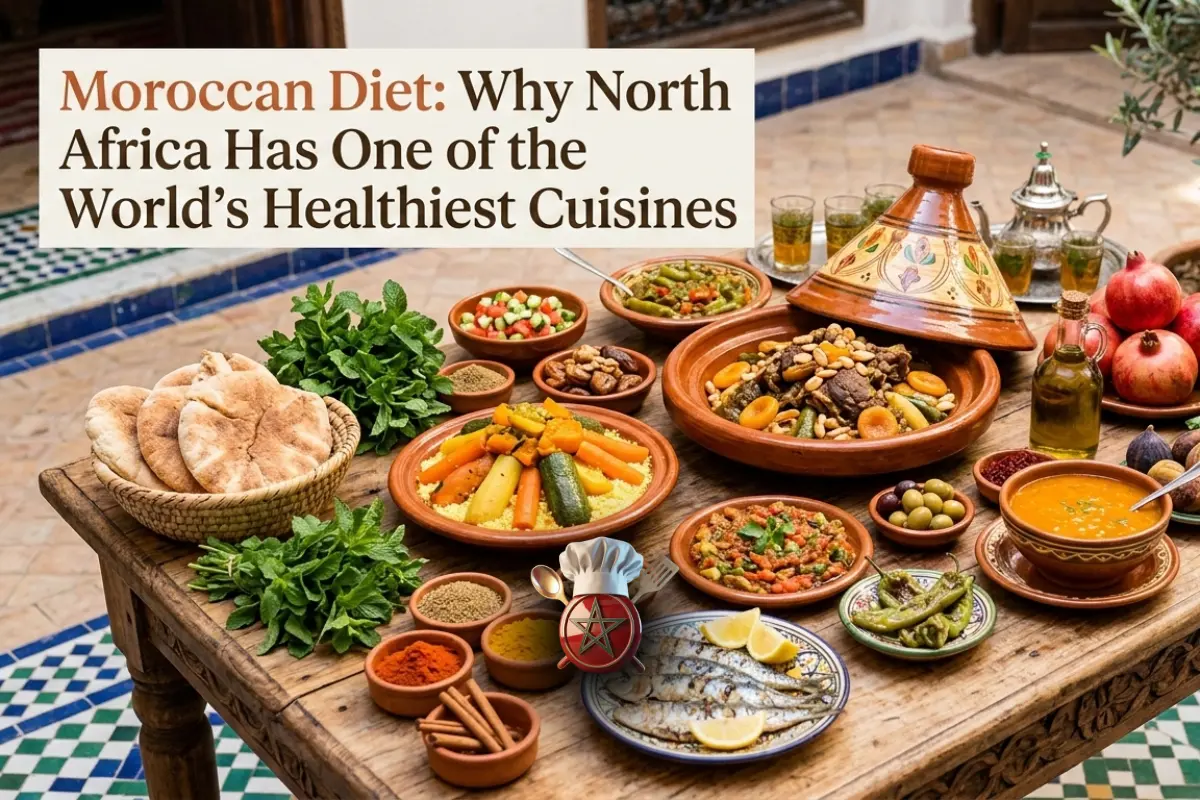
Introduction: The Hidden Health Secrets of Moroccan Cuisine
In recent years, nutritionists and health experts worldwide have turned their attention to traditional diets that promote longevity and wellness. While the Mediterranean diet has garnered significant acclaim, there's another North African culinary tradition that deserves equal recognition: the Moroccan diet. This ancient way of eating, shaped by centuries of cultural exchange between Africa, Europe, and the Middle East, represents one of the world's most balanced and health-promoting cuisines.
The Moroccan diet isn't just about food – it's a comprehensive lifestyle approach that emphasizes fresh, seasonal ingredients, complex spice combinations with proven health benefits, and cooking methods that preserve nutritional integrity. From the bustling souks of Marrakech to the coastal cities of Casablanca, Moroccans have maintained dietary traditions that modern science is now validating as exceptionally beneficial for human health.
What makes the Moroccan diet particularly fascinating is its perfect balance of macronutrients, abundant use of antioxidant-rich spices, emphasis on plant-based ingredients, and moderate consumption of high-quality proteins. Unlike many Western diets that rely heavily on processed foods, the traditional Moroccan approach emphasizes whole foods prepared using time-tested methods that enhance both flavor and nutritional value.
This comprehensive exploration will unveil why the Moroccan diet has earned its place among the world's healthiest cuisines, examining everything from its foundational ingredients to its impact on chronic disease prevention. For Western audiences seeking to improve their health through dietary changes, understanding the principles behind Moroccan cuisine offers valuable insights that can be easily incorporated into modern lifestyles.
The Foundation of Moroccan Nutrition: Core Ingredients and Their Health Benefits
The exceptional health benefits of Moroccan cuisine stem from its foundational ingredients, each carefully selected and combined over generations to create meals that are both delicious and nutritionally dense. Understanding these core components reveals why this North African diet has such profound health implications.
Olive Oil: The Golden Foundation
At the heart of Moroccan cooking lies high-quality olive oil, particularly extra virgin varieties that retain their full nutritional profile. Morocco produces some of the world's finest olive oils, with varieties that contain exceptionally high levels of monounsaturated fats and polyphenols. These compounds have been extensively studied and linked to reduced inflammation, improved cardiovascular health, and enhanced cognitive function.
Unlike many Western cooking methods that rely on processed vegetable oils or butter, Moroccan cuisine uses olive oil for everything from sautéing vegetables to finishing tagines. This consistent use of olive oil as the primary cooking fat provides a steady intake of vitamin E, antioxidants, and healthy fats that support overall health and longevity.
Argan Oil: Morocco's Liquid Gold
Perhaps even more remarkable than olive oil is argan oil, produced exclusively in southwestern Morocco from the nuts of the argan tree. This rare oil contains a unique combination of fatty acids, including oleic acid, linoleic acid, and palmitic acid, along with high concentrations of vitamin E and antioxidants.
Scientific studies have shown that regular consumption of argan oil can help reduce cholesterol levels, improve insulin sensitivity, and provide powerful anti-inflammatory effects. In traditional Moroccan cuisine, argan oil is often drizzled over finished dishes or mixed into dips and spreads, providing a concentrated dose of these beneficial compounds.
Whole Grains and Ancient Cereals
The Moroccan diet emphasizes whole grains and ancient cereals that have remained largely unchanged for centuries. Couscous, the national dish, is traditionally made from durum wheat semolina and provides complex carbohydrates, protein, and essential minerals. Unlike refined grains common in Western diets, traditional couscous retains much of its nutritional value and provides sustained energy without dramatic blood sugar spikes.
Barley, another staple grain in Moroccan cuisine, appears frequently in soups and stews. This ancient grain is exceptionally high in beta-glucan fiber, which has been shown to lower cholesterol levels, improve digestive health, and support immune function. The preparation methods used in Moroccan cooking, such as slow simmering in flavorful broths, enhance the bioavailability of these beneficial compounds.
Legumes: Plant-Based Protein Powerhouses
Legumes form a crucial component of the Moroccan diet, appearing in countless dishes from hearty stews to light salads. Lentils, chickpeas, fava beans, and black-eyed peas provide high-quality plant-based protein along with significant amounts of fiber, folate, iron, and potassium.
The combination of legumes with grains in traditional Moroccan meals creates complete proteins that rival animal sources in their amino acid profiles. This plant-forward approach to protein consumption has been linked to reduced risk of cardiovascular disease, certain cancers, and diabetes – benefits that are now being recognized by nutritionists worldwide.
The Spice Revolution: How Moroccan Seasonings Transform Health
One of the most distinctive and health-promoting aspects of Moroccan cuisine is its sophisticated use of spices. Far from mere flavor enhancers, the spices used in Moroccan cooking represent a pharmacy of natural compounds with proven health benefits. This section explores how these aromatic ingredients contribute to the exceptional healthfulness of the Moroccan diet.
Turmeric: The Golden Anti-Inflammatory
Turmeric, with its distinctive golden color and earthy flavor, is a cornerstone of Moroccan spice blends. The active compound curcumin found in turmeric has been extensively studied for its powerful anti-inflammatory properties. Regular consumption of turmeric has been associated with reduced markers of inflammation, improved joint health, and potentially lower risk of chronic diseases including heart disease and certain cancers.
In Moroccan cuisine, turmeric appears in everything from tagines to rice dishes, providing a consistent intake of this beneficial compound. The traditional practice of combining turmeric with black pepper in many Moroccan recipes is particularly noteworthy, as the piperine in black pepper significantly enhances the absorption of curcumin in the body.
Cinnamon: Blood Sugar's Best Friend
Cinnamon holds a special place in both sweet and savory Moroccan dishes, contributing a warm, complex flavor that complements both meat and fruit preparations. From a health perspective, cinnamon contains compounds that help regulate blood sugar levels by improving insulin sensitivity and slowing the absorption of glucose.
Studies have shown that regular cinnamon consumption can lead to significant improvements in fasting blood glucose levels and HbA1c readings, making it particularly beneficial for individuals with diabetes or pre-diabetes. The generous use of cinnamon in traditional Moroccan desserts and tagines provides these benefits while enhancing the overall eating experience.
Ginger: Digestive Health and Beyond
Fresh ginger is a frequent addition to Moroccan cooking, prized for both its zesty flavor and digestive benefits. The active compounds in ginger, including gingerol and shogaol, have been shown to improve digestion, reduce nausea, and provide anti-inflammatory effects throughout the body.
In traditional Moroccan medicine and cuisine, ginger is often combined with other spices to create synergistic effects. Modern research supports this traditional wisdom, showing that the combination of ginger with spices like turmeric and black pepper can enhance the bioavailability and effectiveness of all involved compounds.
Saffron: The Luxury Spice with Mood Benefits
While expensive, saffron is treasured in Moroccan cuisine for its unique flavor and striking color. Beyond its culinary applications, saffron contains compounds that have been shown to have mood-enhancing properties. Studies suggest that saffron supplementation may help alleviate symptoms of mild to moderate depression and anxiety.
The traditional use of saffron in celebratory Moroccan dishes may have deeper significance than previously understood, as the mood-enhancing properties of this spice could contribute to the social and emotional benefits associated with traditional Moroccan meals.
Complex Spice Blends: Ras el Hanout and Beyond
Perhaps the most sophisticated aspect of Moroccan spice usage is the creation of complex blends like ras el hanout, which can contain anywhere from a dozen to over thirty different spices. These blends represent centuries of accumulated knowledge about flavor combinations and their health effects.
Research into spice synergy suggests that combinations of spices can provide greater health benefits than individual spices alone. The antioxidant activity, anti-inflammatory effects, and other health benefits of complex spice blends like ras el hanout appear to be enhanced through the interaction of multiple bioactive compounds.
Traditional Cooking Methods: Preserving Nutrition Through Ancient Techniques
The health benefits of Moroccan cuisine extend beyond ingredients to encompass traditional cooking methods that maximize nutritional value while creating exceptionally flavorful dishes. These time-tested techniques offer valuable lessons for modern healthy cooking.
The Tagine: Slow Cooking for Maximum Nutrition
The iconic conical tagine pot represents one of the most nutritionally sound cooking methods ever developed. The unique design creates a self-basting environment where steam condenses on the conical lid and drips back into the food, preserving water-soluble vitamins that would otherwise be lost.
This slow, moist cooking method breaks down tough fibers in vegetables and legumes, making nutrients more bioavailable while preserving heat-sensitive vitamins. The low cooking temperature used in tagine preparation helps maintain the integrity of beneficial compounds in spices and vegetables that might be destroyed by high-heat cooking methods.
The tagine method also allows for the creation of complete, balanced meals in a single pot, combining proteins, vegetables, and grains in perfectly proportioned servings. This approach naturally leads to portion control and ensures that each meal contains a full spectrum of nutrients.
Steam Cooking: The Gentle Approach
Steaming is another fundamental cooking technique in Moroccan cuisine, used for everything from couscous preparation to vegetable cookery. This method preserves maximum nutritional content by avoiding the leaching of water-soluble vitamins into cooking water.
The traditional method of steaming couscous in a couscoussier, with multiple steamings and hand-rolling between sessions, creates a light, fluffy texture while preserving the grain's nutritional integrity. This process also allows for the incorporation of aromatic herbs and spices that infuse the grain with both flavor and beneficial compounds.
Grilling and Roasting: Enhancing Flavor Without Compromising Health
Moroccan grilling techniques, often using charcoal or wood fires, create complex flavors through the Maillard reaction while avoiding the formation of harmful compounds associated with high-temperature cooking. The use of marinades rich in antioxidant spices helps protect proteins during the cooking process.
Traditional roasting methods for vegetables and nuts enhance flavor while concentrating nutrients. The practice of roasting spices before grinding releases essential oils and increases the bioavailability of active compounds, maximizing their health benefits.
Fermentation: Ancient Probiotics
Many traditional Moroccan foods incorporate fermentation processes that create beneficial probiotics and enhance nutritional value. Preserved lemons, fermented olives, and cultured dairy products provide beneficial bacteria that support digestive health and immune function.
The fermentation of vegetables like turnips and cabbage creates foods rich in probiotics while increasing the bioavailability of certain vitamins and minerals. These traditional preservation methods also concentrate flavors, allowing for reduced use of salt and other potentially harmful preservatives.
Meal Structure and Eating Patterns: The Moroccan Approach to Balanced Nutrition
The health benefits of Moroccan cuisine extend beyond individual ingredients and cooking methods to encompass a holistic approach to meal planning and eating patterns that promotes optimal health and longevity.
The Three-Meal Structure
Traditional Moroccan eating patterns follow a three-meal structure that aligns well with modern understanding of optimal nutrition timing. Breakfast typically consists of simple, easily digestible foods like bread with olive oil and honey, fresh fruit, and mint tea. This light start provides gentle energy without overwhelming the digestive system.
Lunch represents the main meal of the day, often featuring complex dishes like tagines or couscous that provide complete nutrition with balanced macronutrients. The timing of this substantial meal during midday allows for optimal digestion and energy utilization during active hours.
Dinner tends to be lighter than lunch, often consisting of soups, salads, or simple grilled items. This pattern of eating larger meals earlier in the day and lighter meals in the evening supports natural circadian rhythms and promotes better sleep quality.
Seasonal Eating and Food Variety
Traditional Moroccan cuisine emphasizes seasonal eating, with menus changing throughout the year to reflect available ingredients. This approach ensures maximum nutritional density from fresh, local produce while providing natural variety in the diet.
Spring meals feature young vegetables and fresh herbs, summer emphasizes cooling foods like salads and fruit, autumn incorporates hearty stews and preserved foods, and winter focuses on warming spices and stored grains. This seasonal approach provides nutritional variety while supporting the body's changing needs throughout the year.
Portion Control and Mindful Eating
Traditional Moroccan dining emphasizes communal eating from shared dishes, which naturally promotes portion control and mindful consumption. The practice of eating with hands from a common tagine or couscous dish encourages slower eating and greater awareness of satiety signals.
Meals are typically accompanied by extensive conversation and social interaction, further slowing the eating process and promoting better digestion. This mindful approach to eating supports healthy weight management and improved digestive function.
Hydration and Beverages
The Moroccan approach to beverages focuses primarily on herbal teas and water, with minimal consumption of processed drinks or alcohol. Mint tea, served throughout the day, provides hydration while delivering beneficial compounds from both green tea and fresh mint.
Other traditional beverages include various herbal teas made from ingredients like verbena, chamomile, and orange blossom, each providing specific health benefits. Fresh fruit juices are consumed in moderation, often diluted with water to reduce sugar concentration.
Comparative Analysis: How the Moroccan Diet Stacks Against Other Healthy Diets
To fully appreciate the health benefits of Moroccan cuisine, it's valuable to compare it with other diets recognized for their health-promoting properties. This analysis reveals the unique strengths and shared principles among the world's healthiest eating patterns.
Moroccan Diet vs. Mediterranean Diet
The Moroccan diet shares many similarities with the well-studied Mediterranean diet, including emphasis on olive oil, vegetables, legumes, and whole grains. However, several key differences set the Moroccan approach apart:
| Aspect | Moroccan Diet | Mediterranean Diet |
|---|---|---|
| Spice Usage | Extensive, complex blends with therapeutic properties | Moderate use of herbs and simple spices |
| Cooking Methods | Emphasis on tagine, steaming, slow cooking | Grilling, sautéing, raw preparations |
| Protein Sources | More legume-forward, moderate meat consumption | Higher fish consumption, moderate meat |
| Grain Types | Ancient grains, couscous, barley | Bread, pasta, rice |
| Fat Sources | Olive oil, argan oil, nuts | Olive oil, nuts, fish |
Both diets show excellent health outcomes, but the Moroccan diet's emphasis on spices may provide additional anti-inflammatory and antioxidant benefits not found in traditional Mediterranean eating patterns.
Moroccan Diet vs. Blue Zone Diets
Blue Zones are regions where people live exceptionally long, healthy lives. Comparing the Moroccan diet to Blue Zone eating patterns reveals striking similarities:
- Plant-forward approach: Both emphasize vegetables, legumes, and whole grains as dietary foundations
- Moderate protein: Protein comes primarily from plant sources with moderate animal protein consumption
- Healthy fats: Emphasis on monounsaturated fats from olive oil and nuts
- Minimal processing: Foods consumed close to their natural state
- Social eating: Meals as social, communal experiences
The Moroccan diet's sophisticated spice usage may actually provide advantages over some Blue Zone diets in terms of antioxidant and anti-inflammatory compound intake.
Moroccan Diet vs. DASH Diet
The DASH (Dietary Approaches to Stop Hypertension) diet, developed specifically to combat high blood pressure, shares several principles with traditional Moroccan eating:
| Component | Moroccan Diet | DASH Diet |
|---|---|---|
| Sodium Content | Naturally low due to spice emphasis | Explicitly restricted |
| Potassium Sources | Vegetables, fruits, legumes | Emphasized for blood pressure control |
| Whole Grains | Traditional ancient grains | Recommended as carbohydrate source |
| Healthy Fats | Olive oil, argan oil, nuts | Encouraged in moderation |
| Added Sugars | Minimal, natural sweeteners | Limited |
The natural progression of Moroccan cuisine toward DASH diet principles suggests that traditional Moroccan eating patterns may be particularly beneficial for cardiovascular health.
Scientific Evidence: Research Supporting Moroccan Diet Benefits
Growing scientific interest in traditional diets has led to specific research examining the health benefits of Moroccan cuisine components and eating patterns. This evidence-based analysis provides concrete support for the health claims associated with this traditional way of eating.
Cardiovascular Health Studies
Multiple studies have examined the cardiovascular benefits of key Moroccan diet components. Research published in the Journal of Nutritional Biochemistry found that regular consumption of argan oil, a staple in Moroccan cuisine, led to significant improvements in cholesterol profiles and reduced markers of cardiovascular disease risk.
A comprehensive study of North African populations published in the European Journal of Clinical Nutrition demonstrated that adherence to traditional Moroccan dietary patterns was associated with lower rates of heart disease, reduced blood pressure, and improved arterial function compared to Western dietary patterns.
The anti-inflammatory effects of Moroccan spice combinations have been particularly well-studied. Research shows that the complex spice blends common in Moroccan cooking provide synergistic cardiovascular benefits that exceed those of individual spice components.
Diabetes and Metabolic Health
Studies examining the glycemic impact of traditional Moroccan meals have found favorable effects on blood sugar control and insulin sensitivity. The combination of whole grains, legumes, and spices creates meals with relatively low glycemic index values despite the inclusion of carbohydrate-rich ingredients.
Research published in Diabetes Care demonstrated that cinnamon consumption, a cornerstone of Moroccan cuisine, led to significant improvements in fasting glucose levels and insulin sensitivity in individuals with type 2 diabetes.
The high fiber content of traditional Moroccan meals, averaging 35-40 grams per day in traditional diets, has been shown to improve glucose metabolism and reduce diabetes risk in multiple population studies.
Cancer Prevention Research
The high antioxidant content of Moroccan cuisine has attracted attention from cancer researchers. Studies have shown that the combination of spices commonly used in Moroccan cooking provides exceptionally high ORAC (Oxygen Radical Absorbance Capacity) values, indicating powerful antioxidant activity.
Specific research on turmeric, ginger, and other Moroccan spices has demonstrated anti-cancer properties in laboratory studies, with particular promise for preventing colorectal, breast, and prostate cancers.
Population studies comparing cancer rates in Morocco to Western countries have shown significantly lower rates of certain cancers, particularly those associated with diet and lifestyle factors.
Digestive Health and Microbiome
The fermented foods and high fiber content of traditional Moroccan diets have been shown to promote beneficial gut bacteria and improve overall digestive health. Studies examining the gut microbiome of individuals following traditional Moroccan diets show greater bacterial diversity and higher populations of beneficial species compared to Western diets.
The prebiotic effects of ingredients like garlic, onions, and various legumes common in Moroccan cuisine support the growth of beneficial bacteria, leading to improved immune function and reduced inflammation.
Practical Implementation: Adapting Moroccan Diet Principles for Western Lifestyles
Understanding the health benefits of the Moroccan diet is only valuable if these principles can be practically implemented in Western contexts. This section provides actionable strategies for incorporating Moroccan dietary wisdom into modern Western lifestyles.
Essential Pantry Items for Moroccan-Inspired Eating
Building a foundation for healthy Moroccan-inspired cooking starts with stocking essential ingredients that form the basis of this healthful cuisine:
- High-quality olive oil: Invest in extra virgin olive oil for cooking and finishing dishes
- Essential spices: Turmeric, cinnamon, ginger, cumin, coriander, paprika, and saffron
- Whole grains: Whole wheat couscous, barley, quinoa, and brown rice
- Legumes: Chickpeas, lentils, black beans, and white beans
- Nuts and seeds: Almonds, walnuts, sesame seeds, and pumpkin seeds
- Preserved items: Preserved lemons, olives, and tomato paste
- Fresh herbs: Cilantro, parsley, mint, and basil
Simple Meal Planning Strategies
Implementing Moroccan diet principles doesn't require complex meal planning. Simple strategies can help incorporate the health benefits of this traditional cuisine:
Weekly prep approach: Prepare large batches of spice blends, cook grains and legumes in advance, and pre-cut vegetables for quick assembly during busy weekdays.
One-pot meals: Embrace the tagine concept by creating complete meals in single pots or slow cookers, combining proteins, vegetables, and grains with Moroccan spice blends.
Spice integration: Gradually introduce Moroccan spices into familiar dishes, starting with small amounts and building tolerance for more complex flavors over time.
Adapting Traditional Recipes for Western Kitchens
While traditional tagine pots and couscoussiers create authentic results, Western kitchen equipment can effectively replicate Moroccan cooking methods:
Dutch oven tagines: Heavy Dutch ovens with tight-fitting lids can replicate the slow, moist cooking environment of traditional tagines.
Steamer alternatives: Standard vegetable steamers or bamboo steaming baskets can effectively steam couscous and vegetables using Moroccan methods.
Spice grinding: Coffee grinders dedicated to spices can create fresh spice blends that rival traditional hand-grinding methods.
Shopping and Sourcing Strategies
Finding authentic Moroccan ingredients in Western markets has become increasingly easy with the growth of international food sections and specialty stores:
- Middle Eastern markets: Often carry authentic Moroccan spices, preserved lemons, and specialty items
- Online sources: Reputable online retailers offer high-quality Moroccan ingredients with detailed sourcing information
- Local substitutions: Many Moroccan ingredients have suitable local alternatives that provide similar nutritional benefits
Frequently Asked Questions About the Moroccan Diet
Is the Moroccan diet suitable for vegetarians and vegans?
Absolutely! Traditional Moroccan cuisine includes numerous vegetarian and vegan dishes that are nutritionally complete and satisfying. Many classic Moroccan recipes are naturally plant-based, featuring combinations of vegetables, legumes, grains, and spices that provide complete proteins and all essential nutrients. Dishes like vegetable tagines, lentil soups, and grain salads form the foundation of traditional Moroccan eating and can easily support vegetarian or vegan lifestyles.
The emphasis on legumes and nuts in Moroccan cuisine provides ample plant-based protein, while the abundant use of vegetables and fruits ensures adequate vitamin and mineral intake. The traditional cooking methods preserve nutritional value, making plant-based Moroccan meals both healthful and flavorful.
How does the Moroccan diet compare to low-carb diets for weight loss?
While the Moroccan diet includes more carbohydrates than typical low-carb diets, these come primarily from whole grains, legumes, and vegetables rather than refined sources. The complex carbohydrates in traditional Moroccan foods provide sustained energy and support healthy gut bacteria, while the high fiber content promotes satiety and natural portion control.
Studies suggest that the quality of carbohydrates matters more than quantity for long-term weight management. The Moroccan diet's emphasis on whole foods, healthy fats, and complex spice blends that boost metabolism may support sustainable weight loss more effectively than restrictive low-carb approaches.
Can people with food allergies follow Moroccan dietary principles?
Yes, the Moroccan diet can be adapted for various food allergies and sensitivities. The cuisine's emphasis on single-ingredient, whole foods makes it relatively easy to identify and avoid allergens. For those with gluten sensitivities, quinoa can substitute for couscous, and naturally gluten-free grains like rice can replace wheat-based products.
Nut allergies can be accommodated by focusing on seeds like sesame and pumpkin seeds for healthy fats and protein. The diverse array of vegetables, legumes, and spices in Moroccan cuisine provides multiple alternatives for creating nutritionally complete meals regardless of specific food restrictions.
How expensive is it to follow a Moroccan-inspired diet?
Following Moroccan dietary principles can actually be quite economical, as the cuisine emphasizes affordable staples like legumes, whole grains, and seasonal vegetables. While some specialty spices and ingredients like saffron or argan oil can be expensive, they're used in small quantities and last for extended periods.
The foundation of Moroccan cuisine – olive oil, basic spices, grains, and legumes – consists of relatively inexpensive ingredients that provide exceptional nutritional value. Buying spices in bulk from ethnic markets or online sources can significantly reduce costs while ensuring authenticity and freshness.
What are the potential drawbacks of the Moroccan diet?
The Moroccan diet has few significant drawbacks for most people. Some individuals may need time to adjust to the higher fiber content, which could cause temporary digestive discomfort. Starting gradually with smaller portions of high-fiber foods can help ease this transition.
The emphasis on spices might be challenging for those with very sensitive palates, but spice levels can be adjusted to personal tolerance. Some traditional Moroccan dishes can be high in sodium due to preserved ingredients like olives and preserved lemons, but these can be used in moderation or rinsed before use to reduce sodium content.
How long does it take to see health benefits from adopting Moroccan dietary principles?
Many people report feeling more energized and experiencing improved digestion within just a few weeks of adopting Moroccan dietary principles. The high fiber content and anti-inflammatory spices can quickly impact digestive health and energy levels.
More significant health markers like cholesterol levels, blood pressure, and inflammation markers typically show improvement within 2-3 months of consistent adherence to Moroccan dietary patterns. Long-term benefits for cardiovascular health, diabetes prevention, and overall longevity develop over months to years of consistent healthy eating.
Can children and elderly individuals safely follow the Moroccan diet?
The Moroccan diet is excellent for all age groups, providing balanced nutrition that supports growth in children and healthy aging in elderly individuals. The emphasis on whole foods, healthy fats, and diverse nutrients makes it suitable for developing bodies and aging metabolisms alike.
For children, the variety of flavors and textures in Moroccan cuisine can help develop adventurous eating habits and appreciation for healthy foods. For elderly individuals, the anti-inflammatory properties of Moroccan spices and the digestible cooking methods can support overall health and vitality.
As with any significant dietary change, individuals with specific health conditions or concerns should consult with healthcare providers before making major modifications to their eating patterns.
Conclusion: Embracing the Wisdom of Moroccan Nutrition
The Moroccan diet represents far more than a collection of exotic recipes – it embodies centuries of accumulated wisdom about the relationship between food and health. Through careful examination of its core principles, ingredients, and cooking methods, we can see why this North African cuisine deserves recognition alongside other world-renowned healthy diets.
The scientific evidence supporting the health benefits of Moroccan dietary patterns continues to grow, validating traditional practices that have sustained healthy populations for generations. From the anti-inflammatory properties of complex spice blends to the cardiovascular benefits of olive oil and argan oil, every aspect of traditional Moroccan cuisine contributes to its remarkable health profile.
What makes the Moroccan diet particularly appealing for Western audiences is its accessibility and adaptability. Unlike restrictive diet programs that require dramatic lifestyle changes, Moroccan dietary principles can be gradually incorporated into existing eating patterns, creating sustainable improvements in health and well-being.
The emphasis on whole foods, mindful eating practices, and social dining experiences offers a refreshing alternative to the processed food culture that dominates much of the Western world. By adopting these time-tested principles, individuals can enjoy the profound health benefits that have made Moroccan cuisine one of the world's most healthful ways of eating.
As we continue to search for sustainable solutions to modern health challenges, the wisdom embedded in traditional cuisines like that of Morocco provides valuable guidance. The Moroccan diet proves that healthy eating doesn't require sacrifice of flavor or satisfaction – instead, it demonstrates how the most nutritious foods can also be the most delicious and culturally rich.
For those ready to embark on a journey toward better health through better food choices, the Moroccan diet offers a roadmap that has been tested by time and validated by science. By embracing these principles, we can tap into an ancient wisdom that continues to offer profound benefits for modern health and longevity.