Understanding Eid al-Adha: Morocco's Most Sacred Culinary Celebration
Eid al-Adha, known in Morocco as Eid al-Kabir (The Great Festival), represents the pinnacle of Moroccan culinary and spiritual tradition. This sacred Islamic holiday, commemorating Ibrahim's willingness to sacrifice his son for Allah, transforms into a magnificent feast that brings families together across the Kingdom of Morocco. For Western food enthusiasts seeking to understand authentic Moroccan culture, Eid al-Adha offers an unparalleled window into the soul of Moroccan hospitality, where ancient rituals meet extraordinary culinary artistry.
The festival, scheduled for June 7-8, 2026, marks not just a religious observance but a complete cultural immersion that spans three days of preparation, celebration, and community bonding. From the bustling souks of Marrakech to the coastal cities of Casablanca and Rabat, millions of Moroccan families will participate in traditions that have remained unchanged for centuries, creating an atmosphere of unity that transcends social and economic boundaries.
This comprehensive guide will take you on a journey from the sacred morning sacrifice to the elaborate evening feasts, exploring every aspect of this remarkable celebration. You'll discover traditional recipes passed down through generations, understand the cultural significance behind each dish, and learn how to recreate these authentic flavors in your own kitchen, whether you're in New York, London, Paris, or anywhere across the Western world.
The Sacred Ritual: From Dawn Prayer to Family Feast
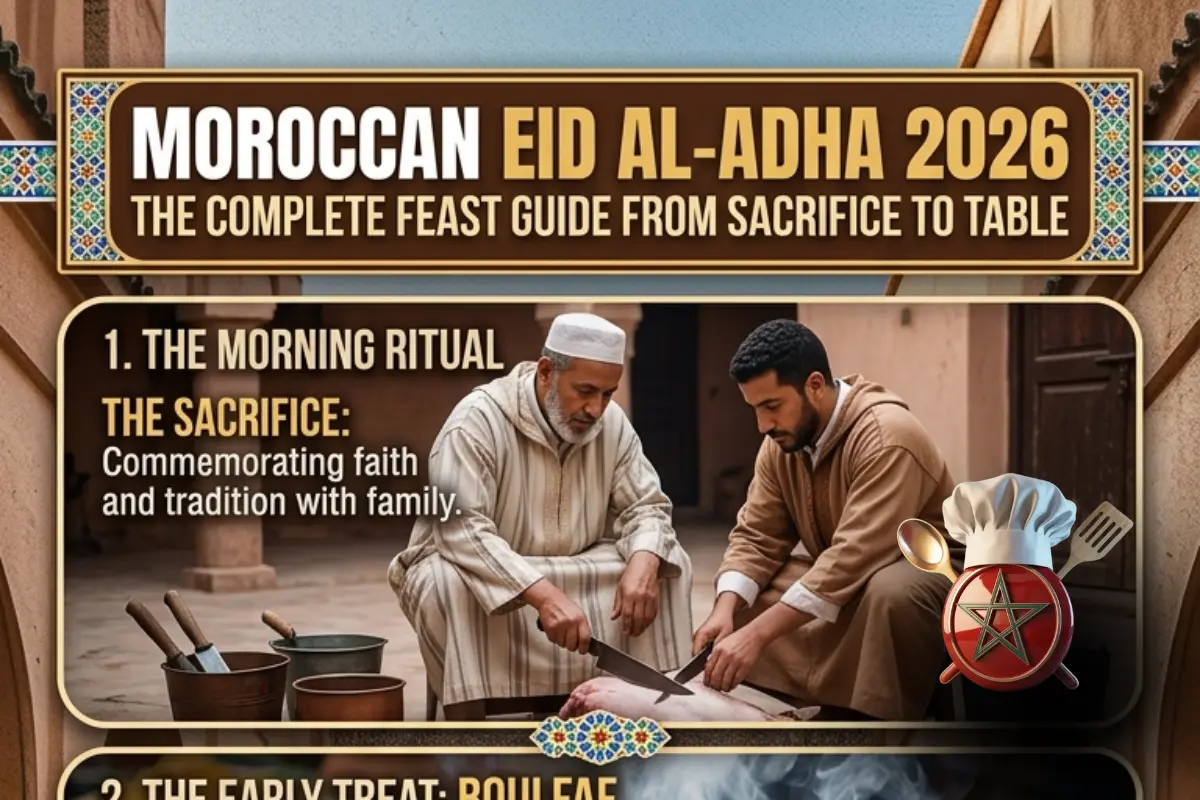
The Eid al-Adha celebration begins before sunrise with the Fajr prayer, as families across Morocco prepare for a day that seamlessly blends spiritual devotion with culinary excellence. The morning ritual starts with the traditional sacrifice, typically performed by the head of the household or a designated family member, following strict Islamic guidelines that ensure the animal's welfare and the meat's quality.
In Moroccan tradition, the chosen animal—usually a ram, lamb, or goat—must meet specific criteria. It should be healthy, without physical defects, and of appropriate age. This careful selection process, known as ikhtiyar al-udhiya, reflects the deep respect Moroccans hold for both the religious significance of the sacrifice and the quality of food that will nourish their families and guests throughout the celebration.
The sacrifice itself is performed with a sharp knife in a swift, humane manner, accompanied by the recitation of Bismillah Allahu Akbar (In the name of Allah, Allah is the Greatest). This moment represents not just a religious obligation but the beginning of a culinary journey that will showcase Morocco's extraordinary gastronomic heritage.
The Art of Butchering and Meat Distribution
Following the sacrifice, the meat is carefully butchered according to traditional methods that maximize both flavor and utility. Moroccan families have perfected this process over centuries, ensuring that every part of the animal serves a purpose in the upcoming feast. The meat is typically divided into three portions: one-third for the family, one-third for relatives and friends, and one-third for the less fortunate—a practice that embodies the Islamic principles of charity and community support.
The butchering process follows a systematic approach that Moroccan housewives and experienced male family members have mastered. The choice cuts—leg of lamb, shoulder, and tenderloin—are reserved for the main dishes like mechoui (roasted lamb) and tagine kharouf (lamb tagine). Lesser cuts are designated for slow-cooking dishes such as harira enriched with meat, while organ meats are prepared into delicacies like boulfaf (grilled liver skewers) and douara (tripe stew).
The bones are never wasted; they become the foundation for rich, gelatinous broths that will enhance numerous dishes throughout the celebration. Even the fat is rendered and preserved, serving as a cooking medium that imparts distinctive flavor to vegetables and grains prepared during the festival period.
Traditional Eid al-Adha Recipes: A Culinary Journey Through Morocco
The Eid al-Adha feast represents the pinnacle of Moroccan culinary artistry, where traditional recipes are prepared with meticulous attention to detail and an abundance of love. These dishes, many of which are prepared exclusively during this sacred time, showcase the sophisticated flavor profiles and cooking techniques that define authentic Moroccan cuisine.
Mechoui: The Crown Jewel of Eid Feasting
Mechoui, the ceremonial whole roasted lamb, stands as the centerpiece of the Eid al-Adha celebration. This ancient cooking method, which translates to "grilled" in Arabic, involves slow-roasting an entire leg or shoulder of lamb over an open fire or in a traditional clay oven called a tandir. The preparation begins with a marinade that combines butter, salt, cumin, coriander, and sometimes saffron—ingredients that penetrate the meat during the long, slow cooking process.
The cooking technique requires patience and skill, as the meat must be rotated regularly to ensure even browning while maintaining moisture. Traditional preparation involves wrapping the meat in palm leaves or parchment, creating a natural steam environment that results in incredibly tender, flavorful meat that falls off the bone. The exterior develops a beautiful golden crust while the interior remains succulent and aromatic.
For Western home cooks, mechoui can be adapted for conventional ovens while maintaining its authentic character. The key lies in low-temperature cooking (around 250°F/120°C) for extended periods, allowing the connective tissues to break down completely while the spices meld with the natural lamb flavors.
Tagine Kharouf: The Aromatic Celebration Stew
The tagine kharouf prepared for Eid al-Adha differs significantly from everyday tagines, incorporating premium cuts of lamb and an extravagant array of spices and dried fruits. This celebratory version often includes apricots, dates, almonds, and prunes, creating a sweet-savory profile that exemplifies Moroccan cuisine's sophisticated balance of flavors.
The preparation begins with browning generous pieces of lamb shoulder or leg in olive oil infused with ginger, cinnamon, and turmeric. Onions are caramelized until golden, creating the sweet foundation that balances the meat's richness. The addition of dried fruits occurs in stages, with harder fruits like apricots added early to allow proper softening, while delicate dates are incorporated near the end to maintain their texture and concentrated sweetness.
The slow-cooking process in the conical tagine vessel creates a unique circulation of steam and flavors, resulting in incredibly tender meat infused with the complex spice blend known as ras el hanout. This "head of the shop" spice mixture can contain up to thirty different spices, each contributing to the dish's distinctive aroma and taste profile.
Couscous Tfaya: The Royal Grain Preparation
Couscous tfaya represents the most luxurious preparation of Morocco's national dish, typically served during special occasions like Eid al-Adha. This elaborate version combines perfectly steamed couscous with a rich lamb and vegetable stew, topped with caramelized onions, raisins, and almonds that have been slow-cooked with cinnamon and saffron.
The couscous preparation follows the traditional three-steaming method, where the semolina grains are steamed, fluffed, steamed again, fluffed once more, and then steamed a final time. This labor-intensive process ensures that each grain remains separate and achieves the perfect light, fluffy texture that defines exceptional couscous.
The tfaya topping—a sweet onion and raisin mixture—requires careful attention to achieve the proper caramelization without burning. The onions are cooked slowly until they reach a deep amber color, while raisins are plumped in the cooking liquid and almonds are toasted to golden perfection. The combination creates a symphony of textures and flavors that elevates the humble couscous to royal status.
Regional Variations and Family Traditions Across Morocco
Morocco's diverse geography and rich cultural history have created distinct regional variations in Eid al-Adha celebrations, each reflecting local ingredients, cooking techniques, and cultural influences. From the Atlas Mountains to the Atlantic coast, from the Saharan oases to the Mediterranean shores, Moroccan families have developed unique traditions that add remarkable diversity to this universal celebration.
Northern Morocco: Andalusian Influences and Coastal Flavors
In northern Morocco, particularly in cities like Tetouan, Chefchaouen, and Al Hoceima, Eid al-Adha celebrations reflect the region's Andalusian heritage and Mediterranean proximity. The Moorish refugees who settled in these areas after the Christian Reconquista brought sophisticated culinary techniques that continue to influence local Eid preparations.
The northern pastilla (also spelled bastilla) takes on special significance during Eid, with families preparing elaborate versions using lamb instead of the traditional pigeon or chicken. This creates a more substantial dish appropriate for the festival's importance. The delicate warqa pastry is layered with spiced ground lamb, almonds, and eggs, then dusted with cinnamon and powdered sugar, creating the sweet-savory combination that defines Moroccan culinary sophistication.
Northern families also prepare chermoula-marinated lamb, utilizing the region's abundant fresh herbs like cilantro, parsley, and mint. The marinade incorporates preserved lemons and olives—both abundant in the northern regions—creating a brighter, more acidic flavor profile than the earthier preparations found in southern Morocco.
Atlas Mountains: Berber Traditions and High-Altitude Cooking
In the Atlas Mountains, Berber (Amazigh) communities celebrate Eid al-Adha with traditions that predate the Arab conquest of Morocco. These mountain communities have developed unique preservation and cooking techniques adapted to their challenging environment and seasonal limitations.
The mountain version of khlii—preserved meat—plays a central role in Atlas Eid celebrations. This concentrated, jerky-like preparation allows families to preserve the Eid sacrifice for months, providing protein throughout the harsh mountain winters. The meat is slowly cooked in its own fat with coriander seeds until it reaches a concentrated, almost paste-like consistency that can be stored without refrigeration.
Mountain tagines incorporate local ingredients like wild herbs, preserved turnips, and the famous Moroccan argan oil in regions where argan trees grow. The high altitude affects cooking times and methods, with foods requiring longer cooking periods due to reduced atmospheric pressure, leading to the development of slow-cooking techniques that maximize flavor development.
Southern Morocco: Saharan Spices and Desert Hospitality
The southern regions, including Marrakech, Ouarzazate, and the edge of the Sahara Desert, celebrate Eid with bold flavors and generous hospitality that reflects the harsh beauty of their environment. Southern Moroccan Eid celebrations incorporate spices and ingredients from trans-Saharan trade routes, creating some of the most complex and aromatic dishes in Moroccan cuisine.
The southern tangia, a slow-cooked meat stew traditionally prepared by men, reaches its pinnacle during Eid al-Adha. This Marrakech specialty involves sealing lamb, preserved lemons, garlic, and spices in a narrow-necked clay pot, then cooking it in the dying embers of communal ovens for hours. The result is incredibly tender meat infused with concentrated flavors that epitomize southern Moroccan cooking.
Desert communities also prepare méchoui using traditional underground cooking methods, where the meat is buried in sand-covered pits with glowing coals, cooking slowly over many hours. This technique, born from nomadic traditions, creates uniquely flavored meat with an incomparable tenderness that reflects the ingenuity of desert cooking.
The Complete Three-Day Feast Menu
Eid al-Adha extends beyond a single day, encompassing three days of continuous celebration, each with its own culinary traditions and significance. Understanding this progression helps Western audiences appreciate the festival's complexity and the careful planning required to execute such an elaborate celebration.
Day One: The Sacrifice Day Celebration
The first day focuses on utilizing the freshest parts of the sacrifice, with preparations that highlight the quality and flavor of the newly slaughtered meat. Breakfast typically begins with boulfaf—grilled liver skewers seasoned with cumin, salt, and pepper, served with fresh bread and mint tea. This simple but flavorful dish allows families to taste the first fruits of their sacrifice while preparing for the day's more elaborate cooking projects.
The main midday meal features the aforementioned mechoui, accompanied by fresh salads including zaalouk (cooked eggplant and tomato salad), taktouka (roasted pepper and tomato salad), and salade marocaine (Moroccan tomato and cucumber salad). These fresh accompaniments provide acidic contrast to the rich roasted meat while showcasing Morocco's abundant vegetable harvest.
Evening meals on the first day often feature harira enriched with pieces of lamb from the day's sacrifice. This normally vegetarian soup becomes a hearty, protein-rich meal that warms and satisfies families after a long day of cooking and celebrating. The soup is accompanied by chebakia (honey-soaked sesame cookies) and dates, providing the sweet ending that defines Moroccan meal structure.
Day Two: Extended Family and Community Sharing
The second day emphasizes community and extended family connections, with preparations designed to feed larger groups and showcase the cook's skills to a broader audience. This is typically when families prepare their most elaborate tagines and couscous dishes, using cuts of meat that benefit from longer cooking times.
The centerpiece meal usually features couscous tfaya or elaborate tagines like tagine aux pruneaux (lamb tagine with prunes) or tagine aux abricots (lamb tagine with apricots). These dishes require hours of preparation and cooking, making them ideal for feeding large gatherings while demonstrating the family's commitment to hospitality and culinary excellence.
Side dishes expand to include briouats (savory pastries filled with meat or cheese), various salads, and multiple bread types including khubz (everyday bread), rghaif (layered flatbread), and sometimes msemen (square flatbread). The variety ensures that every guest finds familiar flavors while encouraging them to try new preparations.
Day Three: Reflection and Continuation
The final day often features dishes that utilize preserved or leftover elements from the previous days' cooking, transformed into new and exciting preparations. This day showcases Moroccan cuisine's remarkable ability to reinvent ingredients and create entirely different dishes from similar components.
Breakfast might feature khlii prepared from meat preserved on the first day, served with fried eggs and fresh bread. Lunch could include rechta (fresh noodles) in a rich broth made from bones saved from earlier preparations, creating a comforting, nourishing meal that extends the celebration's abundance.
The final evening often concludes with simple but satisfying preparations like tagine batata (potato tagine) enriched with small pieces of remaining meat, accompanied by plenty of bread and finished with traditional sweets and mint tea. This meal emphasizes reflection, gratitude, and the peaceful conclusion of the celebration period.
Essential Spices and Ingredients for Authentic Eid Cooking
Creating authentic Moroccan Eid al-Adha dishes requires understanding and sourcing the specific spices and ingredients that define this cuisine's distinctive character. For Western cooks, building a proper Moroccan pantry ensures success in recreating these traditional flavors and experiencing the true essence of Moroccan celebration cooking.
The Fundamental Spice Collection
At the heart of Moroccan Eid cooking lies ras el hanout, the complex spice blend that can contain anywhere from twelve to thirty different spices. While commercial versions are available, the most authentic approach involves blending your own using cardamom, cinnamon, cloves, cumin, coriander, ginger, nutmeg, paprika, black pepper, and turmeric as the foundation, with additions like rose petals, lavender, and even Spanish fly (cantharides) in traditional versions.
Individual spices play crucial roles in specific dishes. Saffron, Morocco's most precious spice, provides the golden color and distinctive flavor essential for celebratory couscous and certain tagines. Quality saffron should be deep red with a powerful, almost metallic aroma—avoid yellow or orange threads that indicate inferior quality or adulterants.
Cinnamon appears in both stick and ground forms, with the stick version preferred for long-cooking tagines where it imparts subtle warmth without overwhelming other flavors. Ground cinnamon is reserved for quick-cooking dishes and for dusting the sweet-savory pastilla that graces Eid tables.
Ginger, both fresh and dried, provides the warming heat that balances rich meat dishes. Fresh ginger is grated into marinades and quick-cooking preparations, while dried ground ginger is incorporated into spice blends and long-cooking stews where its heat mellows and integrates with other flavors.
Preserved and Specialty Ingredients
Preserved lemons represent one of Morocco's most distinctive ingredients, providing a unique fermented citrus flavor that cannot be replicated with fresh lemons. These lemons, cured in salt for weeks or months, develop a complex flavor profile that combines intense citrus with earthy, almost cheese-like notes. They're essential for authentic tagines and can be found in Middle Eastern markets or prepared at home with time and patience.
Moroccan olives, particularly the small, intensely flavored varieties from regions like Meknes and Fez, provide briny depth to many Eid dishes. Unlike Mediterranean olives, Moroccan varieties are often cured with herbs and spices, creating more complex flavors that complement rather than compete with meat dishes.
Argan oil, produced exclusively in southwestern Morocco from the nuts of the argan tree, provides a distinctive nutty flavor and remarkable health benefits. While expensive, authentic argan oil transforms simple dishes into memorable experiences, particularly when drizzled over couscous or used as a finishing touch for tagines.
Rose water and orange blossom water, distilled from flower petals, provide the floral notes essential for Moroccan sweets and some savory dishes. These should be used sparingly—a few drops can enhance a dish, while too much creates an overpowering perfume effect that marks amateur cooking.
Sourcing Ingredients in Western Markets
Western cooks can find most Moroccan ingredients through specialized Middle Eastern, North African, or online retailers. Many ingredients have suitable substitutes: regular lemons can replace preserved lemons if rinsed and the peel used sparingly, while high-quality Spanish saffron can substitute for Moroccan saffron in most preparations.
Building relationships with specialty spice merchants ensures access to fresh, high-quality ingredients. Spices should smell vibrant and powerful when purchased—if they lack aroma, they'll contribute little to your cooking. Store whole spices when possible and grind them as needed to maintain maximum potency and flavor.
Cooking Techniques and Equipment for Western Kitchens
Adapting traditional Moroccan Eid cooking techniques for Western kitchens requires understanding both the original methods and the equipment available to modern home cooks. While some adjustments are necessary, the essential flavors and textures of authentic Moroccan cuisine can be achieved with careful attention to technique and proper equipment selection.
Tagine Cooking: Traditional Vessels and Modern Adaptations
The traditional tagine cooking vessel, with its distinctive conical lid, creates a unique circulation system that returns condensed steam to the cooking food, maintaining moisture while concentrating flavors. For Western cooks, authentic clay tagines are available through specialty retailers, but they require proper seasoning and careful temperature management to prevent cracking.
Modern enameled tagines offer convenience and durability while maintaining much of the traditional vessel's cooking properties. These can be used on most stovetops with appropriate heat diffusers and transition safely to oven cooking for longer preparations. The key to successful tagine cooking lies in maintaining gentle, even heat that allows flavors to develop without burning or drying.
For cooks without tagines, heavy-bottomed Dutch ovens or braising pans with tight-fitting lids can produce similar results. The crucial element is maintaining moisture and allowing for the slow flavor development that defines tagine cooking. Adding parchment paper under the lid can help create a tighter seal that mimics the traditional tagine's steam circulation.
Couscous Preparation: Achieving Perfect Texture
Traditional couscous preparation involves a couscoussier—a specialized pot with a perforated steamer insert that allows the couscous to steam above the cooking stew. This method ensures proper texture and allows the couscous to absorb aromatic steam from the cooking meat and vegetables below.
For Western kitchens, proper couscous preparation can be achieved with a large pot fitted with a steamer insert or colander, provided the seal between the steamer and pot prevents steam from escaping around the edges. The three-steaming method remains essential: steam the couscous, remove and fluff it, steam again, fluff again, then steam a final time for perfect texture.
The fluffing process involves rubbing the couscous grains between the palms to break up clumps and ensure even cooking. Adding small amounts of olive oil or butter during fluffing helps prevent sticking and adds richness to the final dish. The properly prepared couscous should be light, fluffy, and completely separate, with each grain distinct yet tender.
Meat Preparation and Slow-Cooking Techniques
Moroccan Eid cooking emphasizes slow, gentle cooking methods that break down tough connective tissues while developing complex flavors. Understanding these techniques allows Western cooks to achieve the melt-in-your-mouth textures that define authentic Moroccan meat preparations.
Browning meat properly before slow cooking creates the Maillard reaction that develops deep, complex flavors essential for authentic taste. This step should never be rushed—proper browning requires high heat, uncrowded pans, and patience to allow proper color development without steaming the meat.
Low-temperature oven cooking (250-275°F/120-135°C) replicates the gentle heat of traditional cooking methods while providing the even temperature control necessary for consistent results. Long cooking times—often three to four hours for tough cuts—allow complete collagen breakdown while maintaining moisture and developing concentrated flavors.
The addition of liquids should be minimal, as Moroccan cooking relies on the meat's natural juices and the moisture from vegetables and preserved lemons rather than large amounts of added liquid. This concentration technique intensifies flavors while creating the rich, glossy sauces that characterize authentic Moroccan cuisine.
Moroccan Eid Cooking vs. Everyday Moroccan Cuisine
| Aspect | Eid al-Adha Cooking | Everyday Moroccan Cooking |
|---|---|---|
| Meat Quality | Premium cuts from fresh sacrifice, lamb and mutton primary | Various meats, often chicken or beef, standard market cuts |
| Spice Usage | Abundant saffron, complex ras el hanout blends, premium spices | Basic spice combinations, economical use of expensive spices |
| Cooking Time | Extended preparation, all-day cooking projects common | Quicker preparations, 1-2 hour maximum cooking times |
| Portion Sizes | Large quantities for extended family and community sharing | Family-sized portions, minimal leftovers |
| Ingredient Cost | Premium ingredients, no expense spared for celebration | Budget-conscious choices, seasonal and local ingredients |
| Presentation | Elaborate garnishes, multiple accompaniments, formal serving | Simple presentation, practical serving methods |
| Recipe Complexity | Multi-step processes, traditional techniques emphasized | Streamlined methods, convenience adaptations common |
Regional Eid Specialties Comparison
| Region | Signature Eid Dish | Key Ingredients | Cooking Method | Cultural Influence |
|---|---|---|---|---|
| Northern Morocco | Lamb Pastilla | Lamb, almonds, warqa pastry, eggs | Layered baking | Andalusian/Moorish |
| Atlas Mountains | Preserved Meat (Khlii) | Lamb, coriander seeds, natural fat | Slow reduction | Berber/Amazigh |
| Central Morocco | Mechoui | Whole lamb, butter, cumin, salt | Spit roasting | Arab-Berber fusion |
| Southern Morocco | Tangia | Lamb, preserved lemons, garlic, spices | Ember cooking | Saharan/Desert |
| Coastal Regions | Chermoula Lamb | Lamb, fresh herbs, preserved lemons, olives | Marinated grilling | Mediterranean |
Planning Your Moroccan Eid al-Adha Celebration
For Western families interested in experiencing an authentic Moroccan Eid al-Adha celebration, careful planning and preparation are essential. While adapting traditions for different cultural contexts requires sensitivity and respect, the fundamental elements of hospitality, community, and exceptional food can be successfully recreated in any setting.
Three-Week Preparation Timeline
Begin preparation three weeks before the celebration by sourcing specialty ingredients and equipment. Order preserved lemons, high-quality saffron, and ras el hanout from reputable suppliers, allowing time for shipping and quality verification. If making preserved lemons at home, this timeline allows for proper fermentation and flavor development.
Two weeks before, plan your menu based on the number of guests and their dietary preferences. Consider which dishes can be partially prepared in advance—spice blends can be mixed and stored, preserved ingredients can be prepared, and shopping lists can be finalized. This is also the ideal time to invite guests and explain the cultural significance of the celebration.
One week prior, begin intensive preparation. Shop for non-perishable ingredients, prepare spice blends, and start any fermented or preserved elements that require time to develop. Clean and organize your kitchen equipment, ensuring you have adequate cooking vessels, serving dishes, and seating arrangements for your planned gathering.
Adapting for Dietary Restrictions and Cultural Sensitivity
When hosting non-Muslim guests or accommodating dietary restrictions, focus on the cultural and culinary aspects while respecting the religious significance. Prepare lamb dishes alongside vegetarian versions of traditional recipes, ensuring everyone can participate in the culinary experience while maintaining cultural authenticity.
For vegetarian adaptations, substitute lamb in tagines with root vegetables, preserved lemons, and olives, maintaining the traditional spice profiles while creating satisfying plant-based alternatives. Couscous can be prepared with vegetable broth instead of meat broth, while maintaining the traditional accompaniments and presentation style.
Consider preparing a mixed menu that includes both traditional meat preparations for adventurous guests and familiar alternatives for those less comfortable with organ meats or unfamiliar preparations. This approach allows everyone to participate while respecting individual preferences and comfort levels.
Creating Authentic Atmosphere and Hospitality
Moroccan hospitality extends beyond food to encompass the entire dining experience. Set your table with colorful textiles, brass serving pieces if available, and plenty of bread for the traditional method of eating with hands. Provide finger bowls with rose water or lemon water for hand cleansing between courses.
Prepare traditional mint tea as both a welcome drink and a meal conclusion. The ceremonial preparation and serving of mint tea—with its high pouring technique and multiple small glasses—provides an authentic cultural experience that guests will remember long after the meal concludes.
Music and ambiance play crucial roles in creating authentic atmosphere. Traditional Moroccan music, including Gnawa, Chaabi, or classical Andalusian pieces, can transport guests to Morocco while maintaining appropriate respect for the celebration's significance. Soft lighting and the burning of traditional incense like sandalwood or frankincense complete the sensory experience.
Frequently Asked Questions
What is the significance of Eid al-Adha in Moroccan culture compared to other Muslim countries?
In Morocco, Eid al-Adha holds special significance as Eid al-Kabir (The Great Festival), often considered more important than Eid al-Fitr. Moroccan celebrations uniquely blend Arab, Berber, and Andalusian influences, creating distinctive culinary traditions. The three-day celebration emphasizes extended family gatherings, elaborate communal cooking, and the preservation techniques that reflect Morocco's historical trading culture. Unlike some other Muslim countries where the celebration might be more religiously focused, Moroccan Eid al-Adha is deeply intertwined with cultural identity, regional pride, and culinary artistry that showcases the country's diverse gastronomic heritage.
Can I celebrate Eid al-Adha authentically without performing the animal sacrifice?
Yes, Western families can experience the cultural and culinary aspects of Eid al-Adha by focusing on the feast traditions, community gathering, and charitable giving that define the celebration. Purchase high-quality lamb from halal butchers or specialty meat suppliers, prepare traditional recipes, and emphasize the values of generosity and community that the festival represents. Many Moroccan expatriate families adapt their celebrations this way while maintaining cultural connections. The key is approaching the tradition with respect and understanding, focusing on the hospitality, family bonding, and exceptional cuisine that make this celebration meaningful.
What are the most important dishes I must include for an authentic Moroccan Eid al-Adha feast?
The essential dishes include mechoui (roasted lamb), at least one elaborate tagine such as lamb with prunes or apricots, couscous tfaya with the traditional sweet onion and raisin topping, harira soup enriched with meat, and boulfaf (grilled liver skewers) if guests are adventurous. Accompany these with fresh Moroccan salads like zaalouk and taktouka, plenty of fresh bread, and conclude with traditional sweets and mint tea. This combination provides the range of flavors, textures, and cultural significance that defines an authentic Eid al-Adha celebration while accommodating various dietary preferences and comfort levels.
How do I properly source and prepare lamb for Moroccan Eid cooking in Western countries?
Source lamb from reputable halal butchers who can provide information about the animal's origin and slaughter methods, ensuring both quality and cultural appropriateness. Look for grass-fed lamb when possible, as it provides better flavor and texture for traditional preparations. Request specific cuts: leg and shoulder for mechoui, chuck or neck for tagines, and organ meats if you plan to prepare boulfaf. Allow meat to come to room temperature before cooking, and don't skip the marinating process—Moroccan cuisine relies on spice penetration for authentic flavors. Build relationships with your butcher to ensure consistent quality and to learn about different cuts suitable for various traditional preparations.
What kitchen equipment do I absolutely need to cook authentic Moroccan Eid dishes?
Essential equipment includes a tagine (clay or enameled) or heavy Dutch oven with tight-fitting lid, a couscoussier or large pot with steamer insert for couscous preparation, sharp knives for meat preparation, and a mortar and pestle for grinding spices. A spice grinder or coffee grinder dedicated to spices is invaluable for preparing fresh spice blends. Heat diffusers help prevent burning with traditional clay cookware on modern stovetops. While authentic equipment enhances the experience, the most crucial element is understanding the techniques—slow, gentle cooking, proper spice preparation, and attention to traditional flavor development. Quality ingredients and patience matter more than having every specialized tool, though authentic equipment does contribute to better results and cultural authenticity.
Conclusion: Embracing Morocco's Greatest Culinary Celebration
Eid al-Adha represents far more than a religious observance in Morocco—it embodies the nation's soul through its extraordinary culinary traditions, community bonds, and generous hospitality. For Western food enthusiasts, this celebration offers an unparalleled opportunity to experience authentic Moroccan culture through its most elaborate and meaningful feast traditions.
The journey from dawn prayers to evening celebrations, from sacred sacrifice to sublime cuisine, reveals the sophisticated interplay of faith, family, and food that defines Moroccan identity. Each dish tells a story of cultural exchange, historical influence, and regional pride, while the cooking techniques passed down through generations preserve Morocco's remarkable culinary heritage.
Whether you choose to recreate a complete three-day celebration or simply incorporate a few traditional dishes into your own cultural celebrations, the principles underlying Moroccan Eid al-Adha remain universal: the importance of community, the joy of sharing exceptional food, and the deep satisfaction that comes from preparing meals with love, patience, and respect for tradition. As you embark on your own Moroccan culinary adventure, remember that the true essence of Eid al-Adha lies not just in the complexity of the recipes or the authenticity of the ingredients, but in the spirit of generosity, gratitude, and celebration that transforms simple ingredients into unforgettable experiences that bring people together across cultures, continents, and traditions.