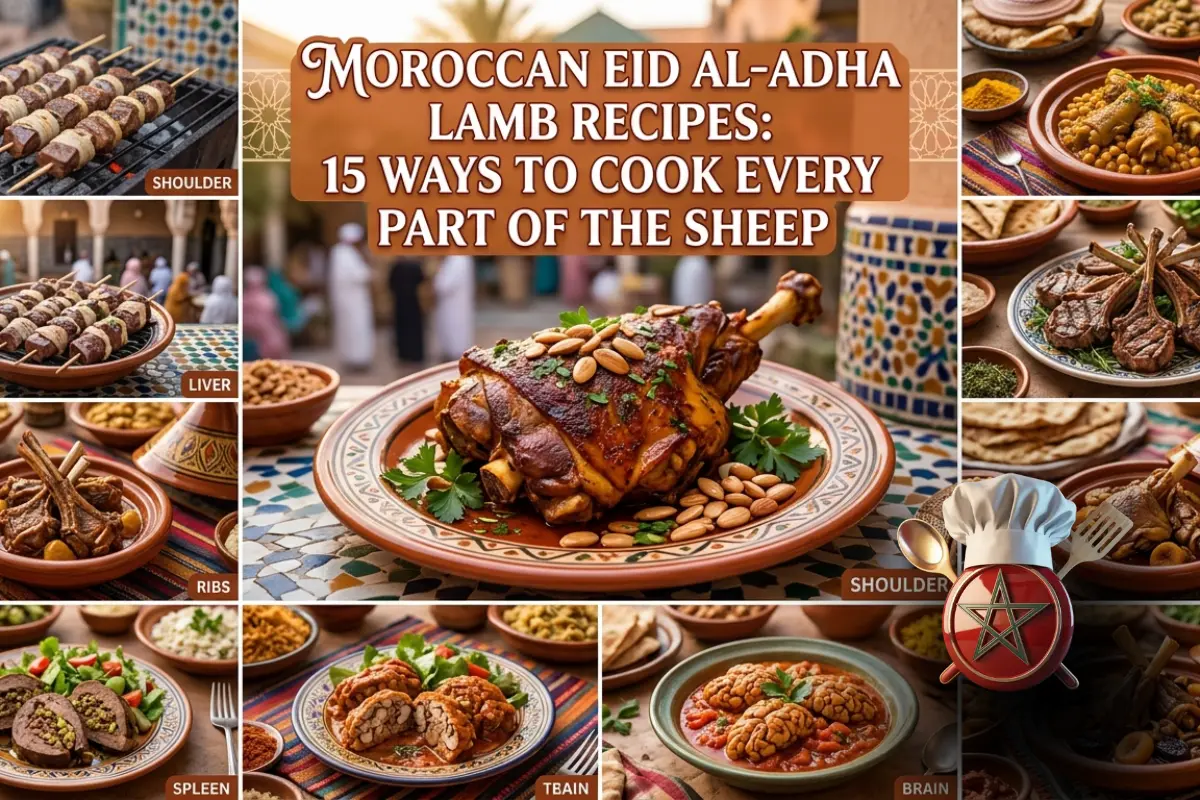
The Sacred Art of Moroccan Eid al-Adha Lamb Cooking
Eid al-Adha, known as the Festival of Sacrifice, represents one of Islam's most significant celebrations, commemorating Ibrahim's willingness to sacrifice his son in obedience to Allah. In Morocco, this sacred occasion transforms into a magnificent culinary celebration where families gather to prepare elaborate feasts using every part of the sacrificial sheep. The Moroccan approach to Eid al-Adha cooking embodies the Islamic principle of avoiding waste while creating an extraordinary array of dishes that showcase the country's rich culinary heritage.
For Western home cooks interested in exploring authentic Moroccan cuisine, understanding these traditional preparation methods offers a window into a culture that values both spiritual significance and culinary excellence. The nose-to-tail cooking philosophy practiced during Eid al-Adha demonstrates remarkable creativity in transforming different cuts and organs into distinctive, flavorful dishes that have been passed down through generations.
This comprehensive guide presents fifteen traditional Moroccan recipes that utilize every part of the sheep, from premium cuts like leg and shoulder to organ meats and even bones for rich broths. Each recipe reflects authentic Moroccan cooking techniques adapted for Western kitchens, complete with ingredient substitutions and detailed preparation instructions that honor the original methods while accommodating modern cooking environments.
Understanding the Cultural Significance of Nose-to-Tail Cooking in Morocco
The practice of using every part of the sacrificial animal during Eid al-Adha stems from deep Islamic principles that emphasize gratitude, respect for Allah's provisions, and the importance of avoiding waste. In Moroccan culture, this philosophy has evolved into a sophisticated culinary tradition where different family members specialize in preparing specific parts of the sheep, creating a collaborative cooking experience that strengthens family bonds while honoring religious obligations.
Moroccan families typically begin the Eid al-Adha cooking process at dawn, immediately after the sacrifice is completed. The meat is carefully portioned according to Islamic guidelines, with one-third kept for the family, one-third given to relatives and friends, and one-third donated to those in need. This distribution system ensures that the entire community participates in the celebration while maintaining the spiritual significance of the occasion.
The culinary techniques employed during Eid al-Adha reflect Morocco's position as a crossroads of African, Arab, and Mediterranean influences. Spice blends like ras el hanout, chermoula, and harissa play crucial roles in transforming different cuts of meat into distinct flavor profiles. The use of preserved lemons, olives, dried fruits, and aromatic herbs creates complex layered tastes that distinguish Moroccan lamb dishes from other regional cuisines.
Traditional Moroccan Spice Combinations for Lamb
Understanding the spice combinations used in Moroccan lamb cooking is essential for achieving authentic flavors. The most important spice blend, ras el hanout, literally means "head of the shop" and typically contains anywhere from twelve to thirty different spices, including cardamom, cinnamon, cloves, coriander, cumin, fenugreek, ginger, nutmeg, paprika, and turmeric. Each spice merchant creates their own unique blend, making ras el hanout a personalized signature in Moroccan cooking.
Chermoula, another fundamental Moroccan marinade, combines fresh herbs like cilantro and parsley with preserved lemons, garlic, olive oil, and spices such as cumin and paprika. This versatile mixture serves as both a marinade and a finishing sauce, adding brightness and complexity to grilled and roasted lamb dishes. The acidic components in chermoula help tenderize tougher cuts while infusing them with distinctive Moroccan flavors.
Premium Cuts: Shoulder, Leg, and Loin Preparations
The premium cuts of lamb – shoulder, leg, and loin – receive special treatment during Eid al-Adha, often reserved for the main celebratory meals shared with extended family and honored guests. These cuts showcase the finest aspects of Moroccan lamb cookery, utilizing slow-cooking techniques that transform tough connective tissues into succulent, fall-off-the-bone tenderness while developing deep, complex flavors through careful spice application and timing.
1. Mechoui – Traditional Moroccan Roasted Leg of Lamb
Mechoui represents the pinnacle of Moroccan lamb cookery, traditionally prepared by roasting a whole leg of lamb over an open fire or in a communal oven. The preparation begins with creating deep incisions throughout the leg, which are then filled with a paste made from garlic, preserved lemons, olive oil, and a blend of cumin, coriander, and cinnamon. The lamb is then slow-roasted for several hours, basted regularly with its own juices mixed with additional spices and herbs.
For Western home cooks, mechoui can be successfully prepared in a conventional oven by maintaining a low temperature of 325°F (165°C) and allowing approximately 20 minutes per pound of meat. The key to authentic mechoui lies in the initial seasoning process and the patience required for slow roasting. The exterior develops a beautiful golden-brown crust while the interior remains incredibly tender and infused with aromatic spices.
The traditional accompaniments for mechoui include fresh bread for wrapping the meat, bowls of cumin and salt for additional seasoning, and fresh mint tea to cleanse the palate. Some regions of Morocco serve mechoui with harissa on the side, allowing diners to adjust the heat level according to their preferences.
2. Tajine Kharouf – Shoulder of Lamb with Prunes and Almonds
This iconic Moroccan dish exemplifies the country's mastery of combining savory meats with sweet fruits and nuts. The lamb shoulder is cut into large chunks and slowly braised in a traditional earthenware tajine with onions, ginger, cinnamon, and saffron. Dried prunes are added during the final stages of cooking, along with blanched almonds that provide textural contrast and additional richness.
The cooking process for tajine kharouf requires patience and careful monitoring of liquid levels. The lamb should be seared initially to develop color, then braised with minimal liquid, allowing the natural juices from the meat and the moisture from the onions to create the cooking medium. The addition of prunes introduces natural sugars that caramelize slightly, creating a glossy, flavorful sauce that coats the tender lamb pieces.
Western cooks can achieve excellent results using a heavy-bottomed Dutch oven if a traditional tajine is not available. The key is maintaining low heat and ensuring the pot remains tightly covered throughout most of the cooking process, only removing the lid during the final stages to allow excess liquid to evaporate and concentrate the flavors.
3. Kharouf Mahshi – Stuffed Lamb Breast with Rice and Herbs
Lamb breast, with its layers of meat and fat, provides an ideal canvas for stuffing with fragrant rice mixtures that absorb the rich lamb flavors during cooking. The traditional stuffing combines basmati rice with chopped onions, fresh herbs like mint and parsley, pine nuts, and warm spices including allspice and cinnamon. The breast is carefully butterflied to create a pocket for the stuffing, then sewn closed and roasted until the exterior is crispy while the interior remains moist and flavorful.
The preparation of kharouf mahshi requires some butchery skills, as the lamb breast must be properly trimmed and opened to accommodate the stuffing. Western butchers can usually perform this service if requested in advance. The stuffing should be partially cooked before insertion to ensure even cooking throughout the dish.
Organ Meat Delicacies: Traditional Preparations for Western Palates
Organ meats hold special significance in Moroccan Eid al-Adha celebrations, representing the ultimate expression of nose-to-tail cooking philosophy. These nutrient-dense parts of the animal are transformed into sophisticated dishes that showcase the skill and creativity of Moroccan home cooks. For Western audiences unfamiliar with organ meat cookery, these preparations offer an opportunity to explore new flavors while learning traditional techniques that maximize both nutrition and taste.
4. Boulfaf – Grilled Lamb Liver Skewers
Boulfaf represents one of Morocco's most beloved organ meat preparations, featuring lamb liver cut into small cubes, marinated in olive oil, garlic, and spices, then grilled on skewers over high heat. The quick cooking method ensures the liver remains tender and pink in the center while developing a flavorful crust on the exterior. Traditional seasonings include cumin, paprika, and fresh herbs, with some regions adding a touch of harissa for heat.
The success of boulfaf depends on obtaining fresh, high-quality liver and avoiding overcooking, which results in tough, dry meat. The liver should be soaked in milk for 30 minutes before preparation to remove any residual blood and mellow the flavor. Western cooks can substitute lamb liver with calf liver if lamb is unavailable, though the flavor will be milder.
5. Douara – Spiced Lamb Tripe Stew
Douara showcases the Moroccan ability to transform challenging ingredients into delicious, satisfying dishes. Lamb tripe is thoroughly cleaned, blanched, then slowly simmered with tomatoes, onions, and a complex spice blend that includes ginger, turmeric, and preserved lemons. The long cooking process breaks down the tough connective tissues in the tripe, creating a tender, gelatinous texture that absorbs the rich flavors of the cooking liquid.
This dish requires significant preparation time, as the tripe must be meticulously cleaned and pre-cooked before the final braising process. The cleaning involves scrubbing with coarse salt and vinegar, followed by multiple rinses with cold water. Western cooks should request pre-cleaned tripe from their butcher to simplify the preparation process.
6. Qalb Mahshi – Stuffed Lamb Heart
Lamb heart, one of the most flavorful organ meats, is transformed into an elegant dish through careful stuffing and roasting. The heart is cleaned, trimmed of excess fat, then filled with a mixture of rice, chopped almonds, onions, and spices. The stuffed heart is then roasted slowly, basted with a mixture of olive oil and spices until the exterior is golden brown and the interior is fully cooked.
The key to successful qalb mahshi lies in proper cleaning and preparation of the heart, removing all blood clots and tough arteries while preserving the natural pocket structure. The stuffing should be compact but not overly tight, allowing for some expansion during cooking.
Lesser-Known Cuts and Creative Applications
The versatility of Moroccan cuisine shines through in the creative treatment of lesser-known lamb cuts that might be overlooked in Western cooking. These preparations demonstrate the resourcefulness of traditional Moroccan cooks who developed techniques to transform every part of the animal into delicious, satisfying dishes. Understanding these methods provides insight into a culinary culture that values both economy and flavor, creating memorable meals from ingredients that might otherwise be discarded.
7. Lsan Maqli – Fried Lamb Tongue with Herbs
Lamb tongue, prized for its tender texture and rich flavor, receives elegant treatment in this traditional preparation. The tongue is first poached in seasoned water until tender, then peeled and sliced before being lightly floured and pan-fried until golden. The dish is finished with fresh herbs, lemon juice, and a sprinkle of sumac for tartness, creating a restaurant-quality presentation that showcases the natural flavors of this underutilized cut.
The initial poaching process is crucial for achieving the proper texture, typically requiring 90 minutes to 2 hours depending on the size of the tongue. The outer skin should peel away easily when the tongue is properly cooked, revealing the tender meat underneath. Western cooks may need to special-order lamb tongue from specialty butchers or halal meat suppliers.
8. Kharouf Ribs Mshammara – Spiced Lamb Ribs with Pomegranate
These aromatic lamb ribs showcase the Moroccan technique of combining meat with fruit-based sauces that provide both sweetness and acidity. The ribs are first marinated in a paste made from garlic, ginger, cinnamon, and pomegranate molasses, then slow-braised until tender. The cooking liquid is reduced to create a glossy glaze that coats the ribs, while pomegranate seeds are added as a fresh garnish that provides textural contrast and visual appeal.
The use of pomegranate molasses, a concentrated syrup made from reduced pomegranate juice, adds complexity and depth to the dish while providing natural enzymes that help tenderize the meat. Western cooks can find pomegranate molasses in Middle Eastern specialty stores or create their own by reducing fresh pomegranate juice with a small amount of sugar and lemon juice.
9. Merguez Maison – Homemade Lamb Sausage
While merguez sausage has gained popularity in Western markets, the homemade version prepared during Eid al-Adha offers superior flavor and allows for customization of spice levels and textures. Traditional merguez combines ground lamb shoulder with harissa paste, garlic, fennel seeds, and coriander, stuffed into natural casings and formed into links. The sausages can be grilled, pan-fried, or incorporated into stews and tagines.
Creating merguez at home requires access to a meat grinder and sausage-stuffing equipment, though many Western butchers offer custom grinding and stuffing services. The meat should contain approximately 20-25% fat content to ensure proper texture and moisture retention during cooking. The spice mixture should be well-balanced, with harissa providing heat while fennel and coriander add aromatic complexity.
Bone-Based Dishes and Broths
The bones from the Eid al-Adha sheep provide the foundation for some of Morocco's most nourishing and flavorful dishes. These preparations demonstrate the complete utilization of the animal while creating deeply satisfying meals that warm both body and soul. The slow extraction of nutrients and flavor from bones creates rich, gelatinous broths that serve as bases for soups, stews, and rice dishes, embodying the Moroccan principle that nothing should be wasted.
10. Harira Eid – Festive Lamb and Lentil Soup
This enriched version of Morocco's national soup incorporates lamb bones and marrow to create a more substantial and flavorful dish appropriate for Eid celebrations. The soup combines lentils, chickpeas, tomatoes, and fresh herbs with chunks of lamb meat and a rich bone broth that requires several hours of simmering to develop proper depth. Traditional thickening comes from a mixture of flour and water whisked with beaten eggs, creating a silky texture that binds all the ingredients together.
The preparation of harira eid begins with creating the bone broth, typically started the night before the soup will be served. Lamb bones are roasted until golden, then simmered with aromatic vegetables and herbs for 6-8 hours. The resulting broth is strained and used as the liquid base for the soup, providing rich flavor and natural gelatin that gives the soup body and richness.
The traditional serving ritual for harira includes garnishing each bowl with fresh lemon juice, chopped cilantro, and sometimes a drizzle of argan oil for special occasions. Dates and chebakia (honey-soaked pastries) are traditional accompaniments that provide sweetness to balance the savory richness of the soup.
11. Moukh Mfawwar – Steamed Lamb Brain
Lamb brain, considered a delicacy in Moroccan cuisine, is prepared through gentle steaming that preserves its delicate texture and mild flavor. The brains are first soaked in cold water to remove blood, then carefully cleaned of membranes before being steamed with herbs and spices. The resulting dish has a creamy, custard-like texture that pairs beautifully with sharp flavors like preserved lemons and olives.
This preparation requires extreme freshness and proper handling to ensure food safety. The brains must be used within 24 hours of purchase and kept refrigerated at all times. Western cooks should source brain from reputable suppliers and follow all local health guidelines regarding organ meat preparation.
12. Qawrama – Preserved Lamb Fat with Meat
Qawrama represents a traditional preservation method that extends the enjoyment of Eid lamb throughout the year. Chunks of lamb are cooked slowly in their own fat until the meat becomes tender and the fat renders completely, creating a preserved meat product that can be stored for months. This technique, similar to French confit, relies on the protective properties of fat to prevent spoilage while developing intense, concentrated flavors.
The preparation requires careful temperature control to ensure the meat cooks thoroughly without browning excessively. The finished qawrama should be stored in its cooking fat in sterilized containers, providing a convenient protein source for quick meals throughout the year. It can be used to flavor rice dishes, vegetable stews, or simply heated and served with bread.
Comparison of Cooking Methods and Regional Variations
| Dish | Primary Cut | Cooking Method | Cooking Time | Regional Origin | Difficulty Level |
|---|---|---|---|---|---|
| Mechoui | Leg of Lamb | Slow Roasting | 4-6 hours | Atlas Mountains | Intermediate |
| Tajine Kharouf | Shoulder | Braising | 2-3 hours | Fez/Meknes | Beginner |
| Boulfaf | Liver | Grilling | 10-15 minutes | Marrakech | Beginner |
| Douara | Tripe | Stewing | 3-4 hours | Casablanca | Advanced |
| Harira Eid | Bones/Marrow | Simmering | 8+ hours | National | Intermediate |
13. Khodra bel Kharouf – Mixed Vegetables with Lamb
This hearty dish combines seasonal vegetables with chunks of lamb in a fragrant broth seasoned with ginger, turmeric, and fresh herbs. Traditional vegetables include turnips, carrots, zucchini, and green beans, though the combination varies based on seasonal availability. The dish exemplifies the Moroccan approach to creating balanced, nutritious meals that make efficient use of both meat and vegetables.
The cooking technique involves layering flavors by first browning the lamb pieces, then building the vegetable mixture in order of cooking times required. Root vegetables are added first, followed by quicker-cooking items like zucchini and green beans. The result is a colorful, satisfying stew where each component maintains its distinct character while contributing to the overall harmony of the dish.
14. Lahm bel Barqouq – Lamb with Apricots
This elegant preparation showcases the Moroccan talent for combining meat with dried fruits to create sophisticated sweet-and-savory profiles. Chunks of lamb are braised with onions, cinnamon, and ginger, then finished with dried apricots that plump and sweeten during the final cooking stage. The dish is traditionally garnished with toasted almonds and fresh herbs, creating a presentation worthy of special occasions.
The success of lahm bel barqouq depends on achieving the proper balance between the lamb's rich, savory flavors and the sweet-tart notes contributed by the apricots. The fruit should be added during the last 30 minutes of cooking to prevent over-softening while allowing sufficient time for flavor melding.
15. Ras el Kharouf – Whole Roasted Lamb Head
Perhaps the most dramatic presentation in traditional Eid al-Adha cooking, ras el kharouf involves slow-roasting the entire lamb head until the meat becomes incredibly tender and falls from the bone. This dish represents the ultimate expression of nose-to-tail cooking, utilizing every edible portion including the brain, tongue, and cheek meat. The head is typically seasoned with a paste of garlic, herbs, and spices, then wrapped in banana leaves or parchment before roasting.
While this preparation may seem challenging for Western cooks, the technique is straightforward and results in exceptionally flavorful meat. The various textures and flavors found in different parts of the head create a unique dining experience that celebrates the diversity possible within a single dish. Modern adaptations can be made using conventional ovens and readily available ingredients while maintaining the essential character of this traditional preparation.
Nutritional Benefits and Health Considerations
| Lamb Cut | Protein (g/100g) | Iron (mg/100g) | Vitamin B12 (μg/100g) | Zinc (mg/100g) | Primary Benefits |
|---|---|---|---|---|---|
| Leg/Shoulder | 25-28 | 1.9-2.1 | 2.6-2.9 | 4.2-4.8 | High protein, B-vitamins |
| Liver | 26-29 | 18-30 | 85-90 | 12-16 | Exceptional iron, B12 |
| Heart | 17-19 | 5.9-7.1 | 8.5-11 | 2.1-2.9 | CoQ10, B-complex |
| Kidneys | 16-18 | 10-12 | 55-79 | 2.9-3.2 | B12, folate |
| Brain | 10-12 | 1.5-2.1 | 9.2-15 | 1.0-1.4 | Omega-3, choline |
The nutritional profile of lamb varies significantly depending on the cut and preparation method used. Organ meats, while less familiar to Western palates, provide exceptional concentrations of essential nutrients including iron, B-vitamins, and trace minerals that are difficult to obtain from other sources. The traditional Moroccan approach to utilizing the entire animal ensures a diverse nutrient intake that supports optimal health and well-being.
Lamb meat provides complete proteins containing all essential amino acids required for human health. The iron found in lamb is heme iron, which is more easily absorbed by the body compared to the non-heme iron found in plant sources. This makes lamb dishes particularly valuable for individuals at risk of iron deficiency, including pregnant women and those following restricted diets.
The cooking methods employed in traditional Moroccan lamb preparations often enhance the nutritional value of the dishes through the addition of vegetables, legumes, and beneficial spices. Many Moroccan spices, including turmeric, ginger, and cinnamon, possess anti-inflammatory properties and antioxidants that provide health benefits beyond basic nutrition.
Frequently Asked Questions
What is the significance of using every part of the sheep during Eid al-Adha?
The practice of utilizing every part of the sacrificial sheep during Eid al-Adha reflects fundamental Islamic principles of gratitude and avoiding waste. This approach demonstrates respect for Allah's provisions and ensures that nothing from the sacred sacrifice is squandered. In Moroccan culture, this religious obligation has evolved into a sophisticated culinary tradition that showcases the creativity and skill of home cooks while honoring the spiritual significance of the holiday. The nose-to-tail cooking philosophy also provides nutritional benefits by incorporating organ meats rich in vitamins and minerals that might otherwise be unavailable in typical diets.
Can these recipes be adapted for Western kitchens and readily available ingredients?
Absolutely! While traditional Moroccan Eid al-Adha recipes were developed for specific cooking environments and ingredients, most can be successfully adapted for Western kitchens. Standard home ovens can replace communal ovens or open fires, heavy-bottomed Dutch ovens can substitute for traditional tajines, and specialty ingredients like preserved lemons can be made at home or found in Middle Eastern markets. The key is understanding the fundamental cooking principles and flavor profiles while making practical substitutions that maintain the essence of each dish. Many ingredients like ras el hanout spice blend, harissa, and pomegranate molasses are now available in Western supermarkets or online retailers.
Where can Western cooks source specialty cuts like organ meats and lamb head?
Sourcing specialty lamb cuts requires some planning but is entirely feasible in most Western markets. Halal butchers typically stock the widest variety of lamb cuts including organ meats, and many will special-order items like whole lamb heads with advance notice. Traditional butchers and specialty meat purveyors often carry organ meats or can order them from their suppliers. Some high-end restaurants and culinary schools may also be sources for unusual cuts. Online specialty meat retailers have made it increasingly easy to source authentic ingredients, though proper shipping and handling must be ensured for organ meats and other perishable items.
What are the most important spices and seasonings for authentic Moroccan lamb dishes?
The foundation of authentic Moroccan lamb cookery rests on several key spice blends and seasonings. Ras el hanout, the complex spice mixture containing cardamom, cinnamon, cloves, coriander, cumin, ginger, nutmeg, paprika, and turmeric, appears in many preparations. Harissa paste provides heat and depth, while preserved lemons add distinctive tartness and complexity. Fresh herbs like cilantro, parsley, and mint are essential for finishing dishes and creating marinades. Individual spices such as saffron, sumac, and nigella seeds contribute unique flavors to specific recipes. Argan oil, while expensive, provides an authentic finishing touch for special occasions, though high-quality olive oil makes an acceptable substitute.
How long do these dishes typically take to prepare, and which ones are best for beginners?
Preparation times vary significantly depending on the dish complexity and cooking method employed. Simple preparations like boulfaf (grilled liver skewers) can be completed in under an hour, while elaborate dishes like mechoui (roasted leg of lamb) require 6-8 hours of total time including marinating and slow roasting. Beginning cooks should start with straightforward preparations like tajine kharouf (braised lamb with prunes) or harira soup, which are forgiving and don't require specialized techniques. Intermediate cooks can tackle dishes like stuffed lamb breast or preserved lamb fat, while advanced preparations involving organ meats like brain or tripe should be attempted only after mastering basic Moroccan cooking principles and obtaining high-quality ingredients from reliable sources.
Embracing the Complete Culinary Journey
The fifteen traditional Moroccan Eid al-Adha lamb recipes presented in this comprehensive guide represent more than mere cooking instructions – they embody a complete philosophy of culinary respect, spiritual gratitude, and creative resourcefulness that has sustained Moroccan families for generations. By learning these techniques, Western cooks gain access to a rich tradition that transforms every part of the animal into memorable, nutritious meals that honor both the sacrifice and the celebration it represents.
The journey from unfamiliar ingredients to confident preparation of these authentic dishes requires patience, practice, and an open mind toward new flavors and textures. The rewards, however, extend far beyond the immediate pleasure of sharing delicious food. These recipes connect modern cooks to ancient traditions, provide insights into Islamic culture and values, and demonstrate the remarkable creativity that emerges when necessity combines with culinary skill and imagination.
Whether preparing a simple grilled liver dish or attempting the dramatic presentation of a whole roasted lamb head, each recipe offers opportunities to expand culinary horizons while participating in a tradition that celebrates abundance, community, and the sacred act of nourishment. The techniques learned through these preparations will enhance overall cooking skills while providing a deeper appreciation for the cultural contexts that shape how different societies approach food, celebration, and the expression of spiritual values through shared meals.